Overview
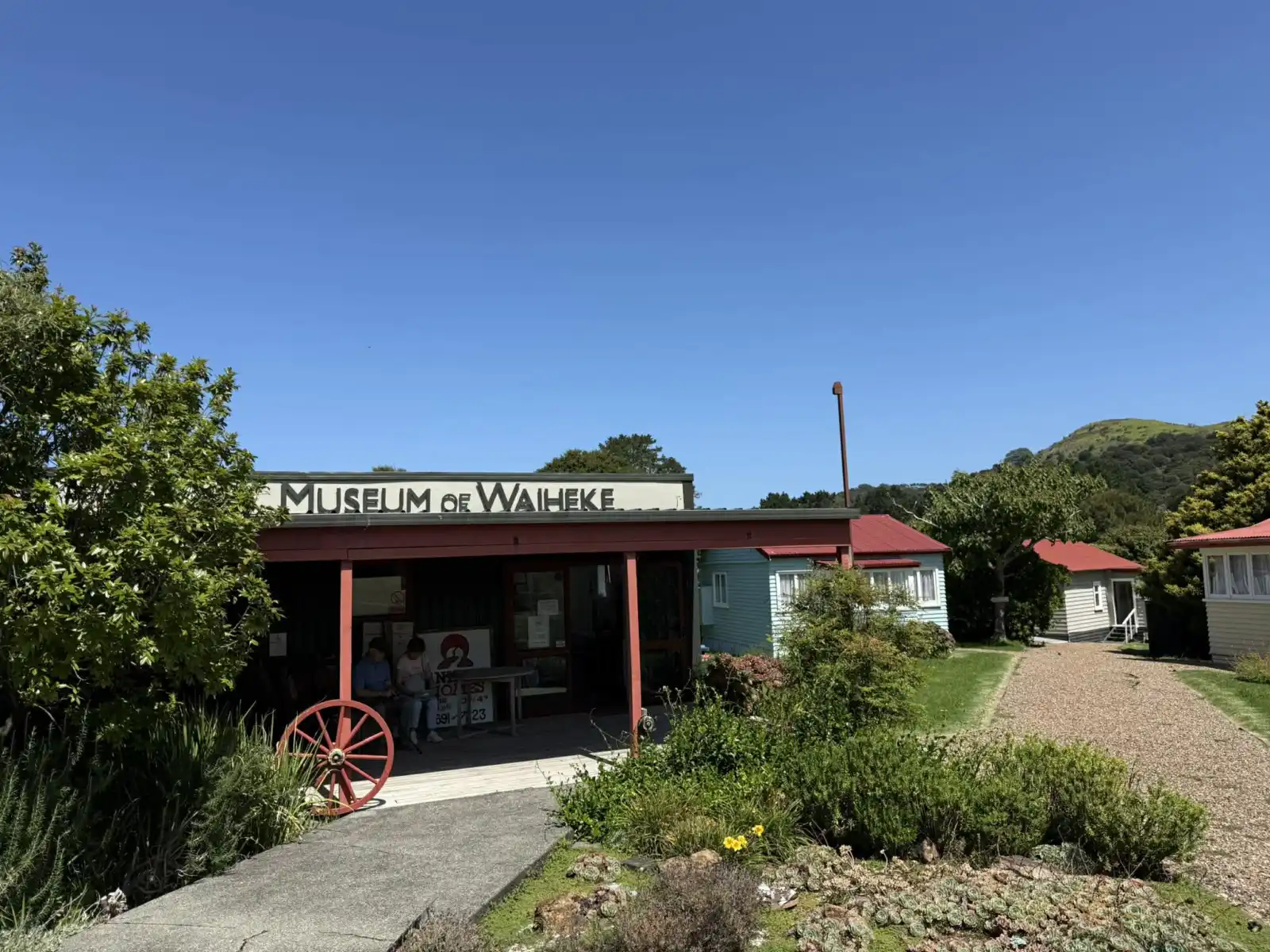
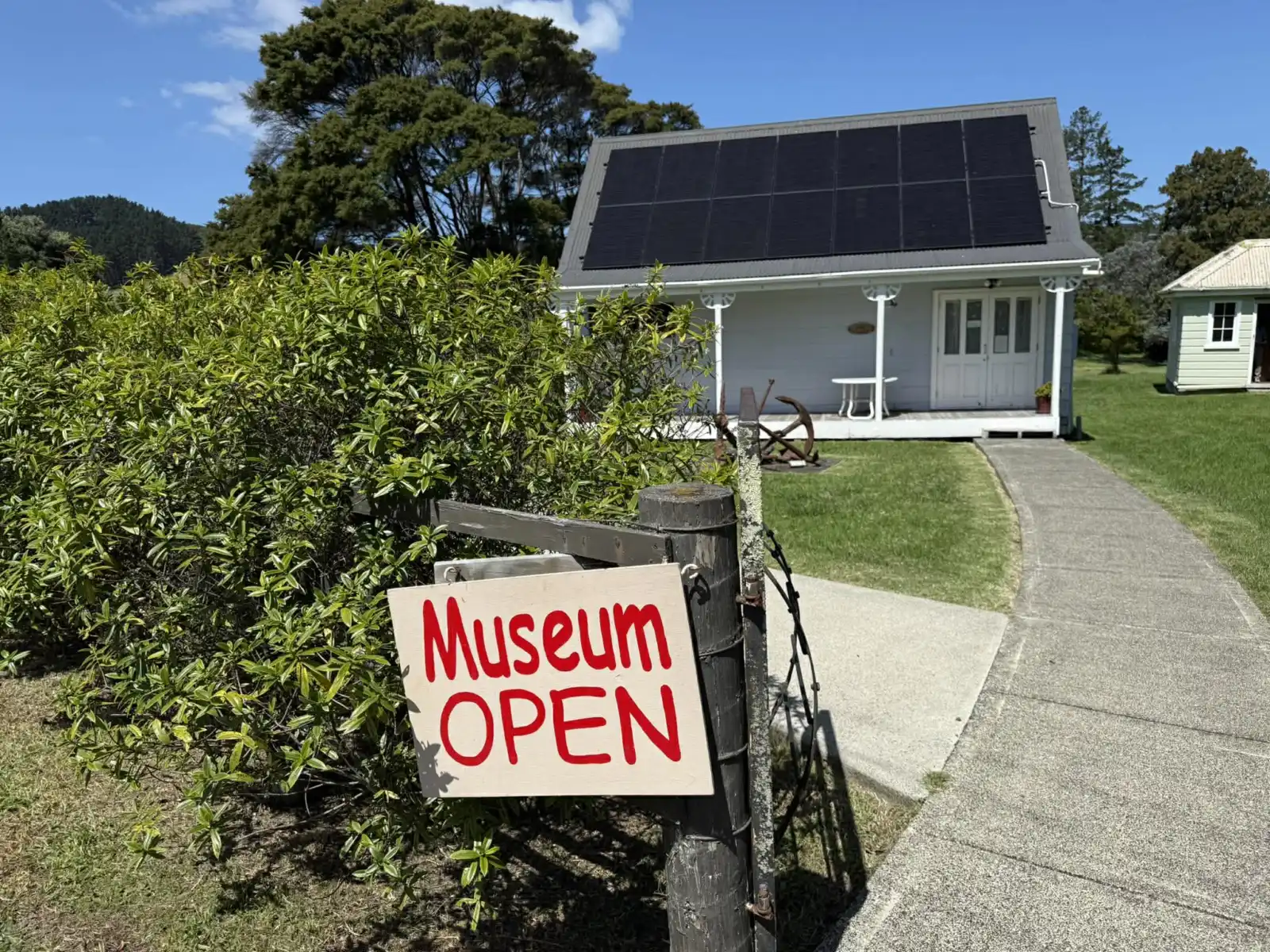
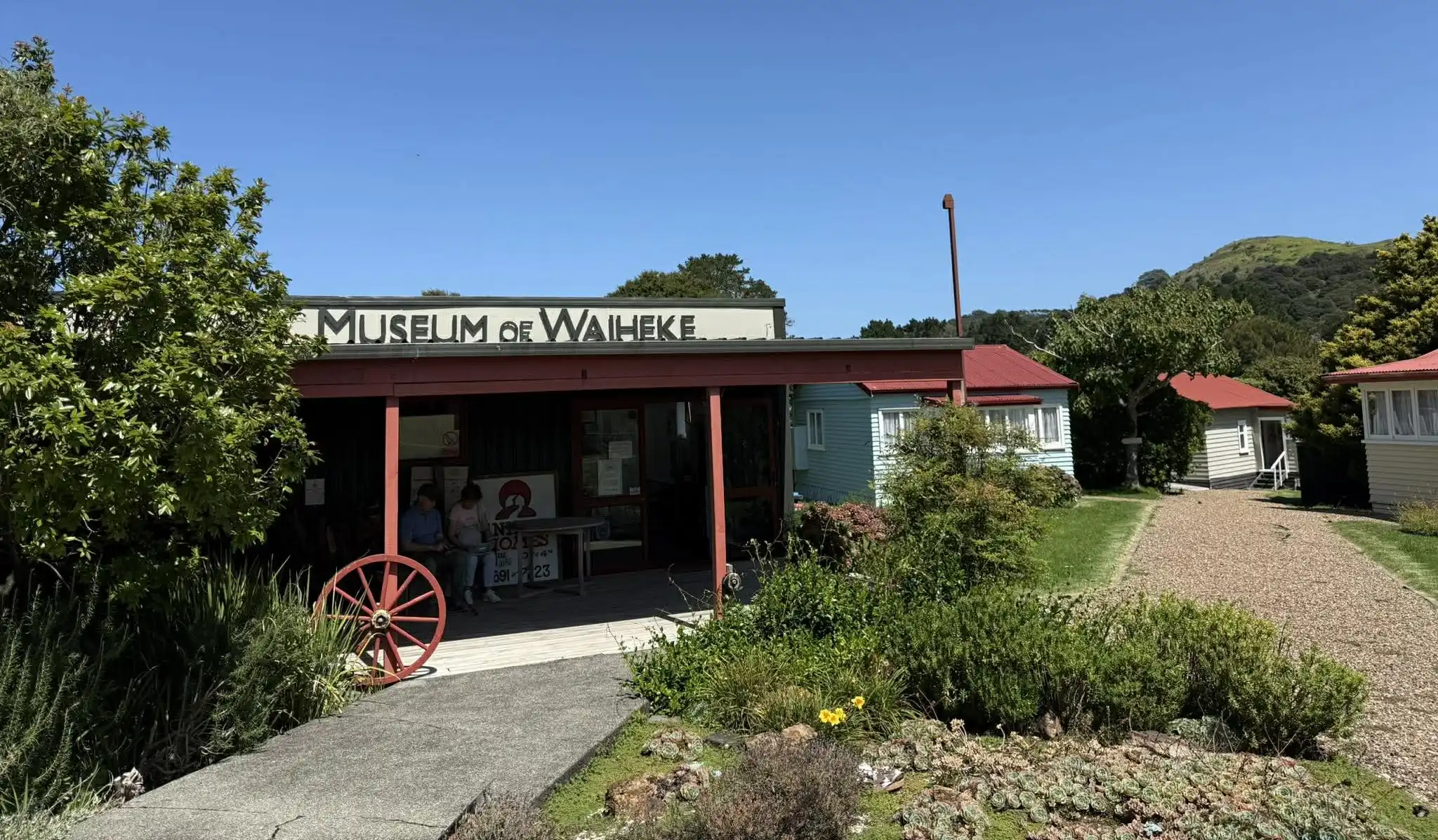
Museum of Waiheke and historical village is a small museum located in Onetangi. Providing a glimpse into Waiheke’s 800 year old history.
The Waiheke Island Historical Society is a registered, not-for-profit charity whose mission is the preservation and presentation of the island’s 800-year history.
Entry is by donation; they suggest $3 per person.
For this page I have grabbed most of the details from their Museum of Waiheke official website. As we feel its best to have the 100% correct information from the source. Many of the changes and history is before our time on Waiheke.
We have visited this museum a few times over the years and found many exhibits to be very informative.
Gravel parking lot is available and there are also toilets on site.
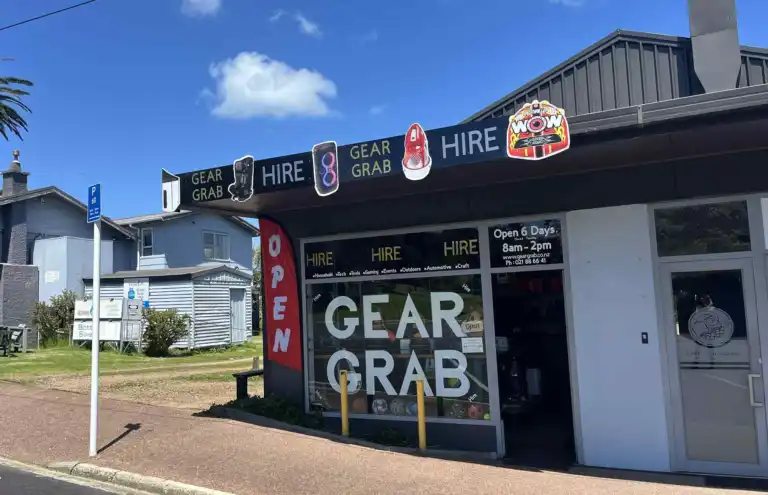
Gear Grab – Hire
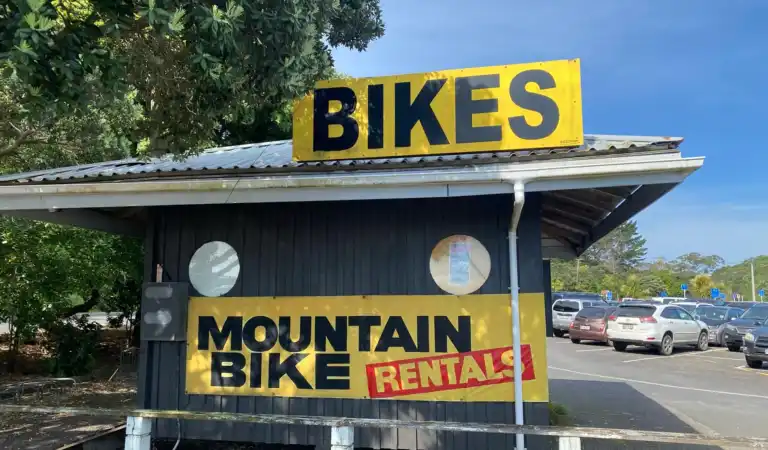
Waiheke Bike Hire
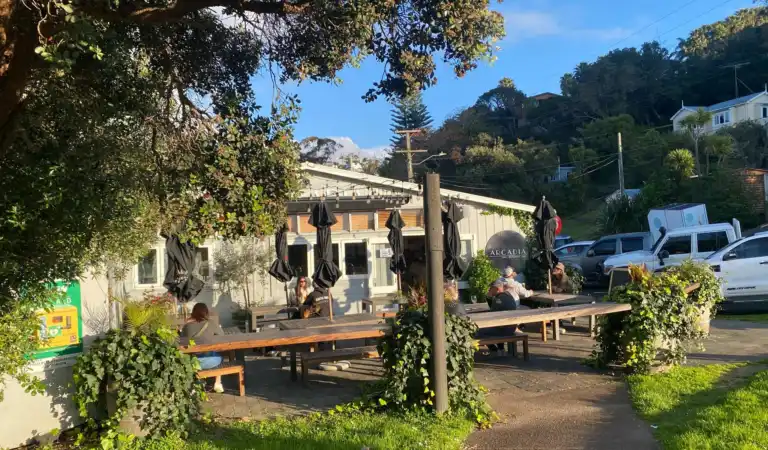
Arcadia
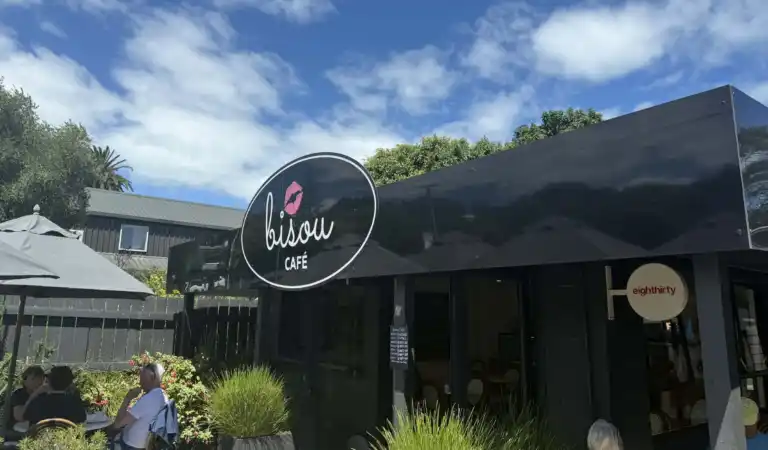
Bisou Cafe
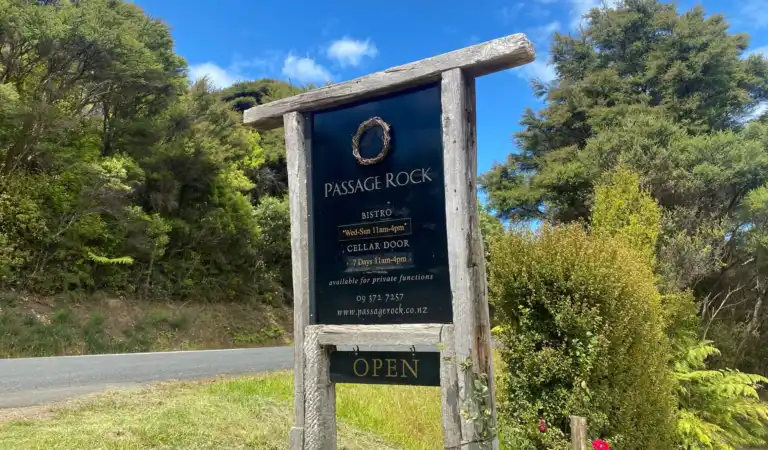
Passage Rock
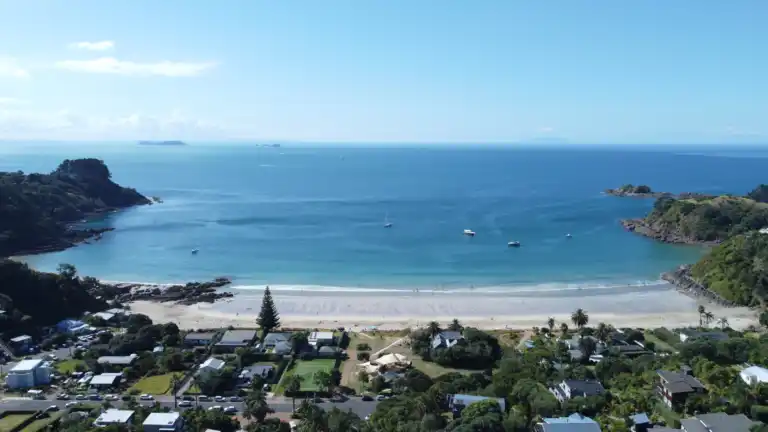
Palm Beach
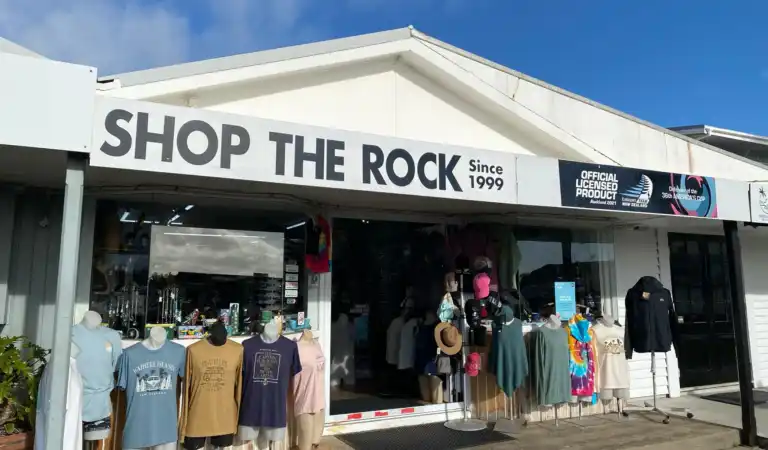
Shop The Rock
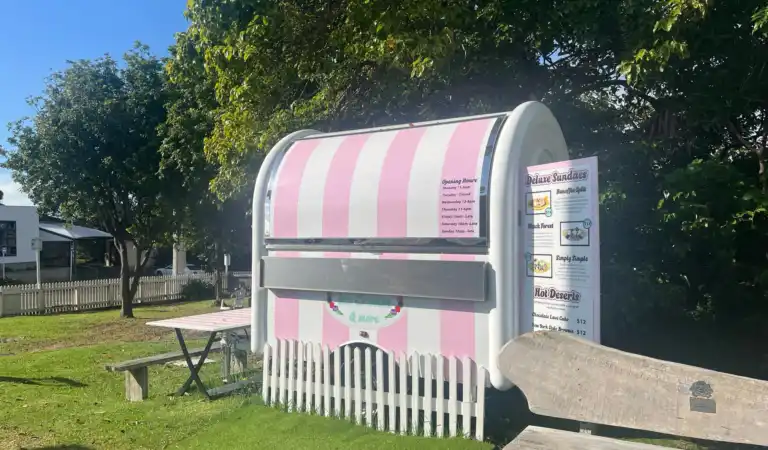
KAK’s Real Fruit Ice Cream
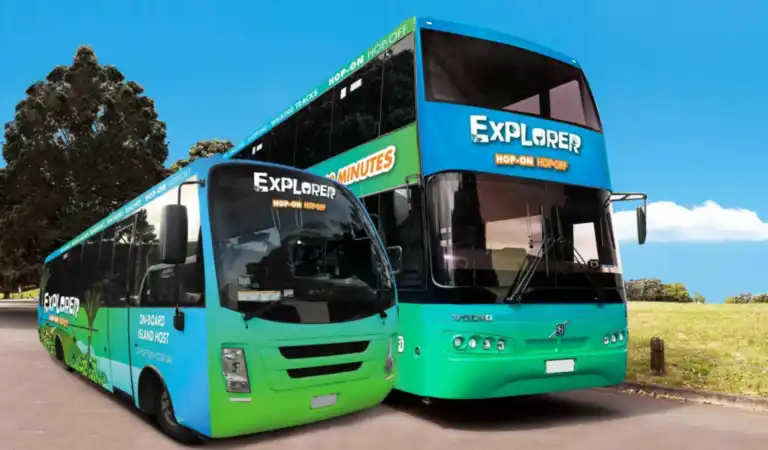
Waiheke Explorer
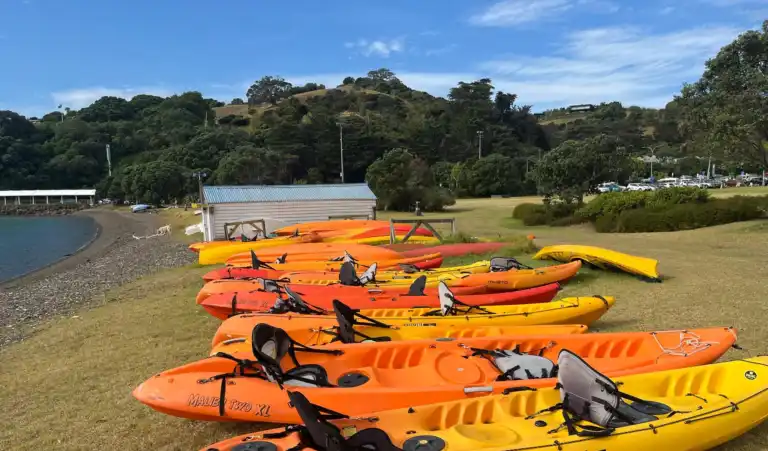
Kayak Waiheke
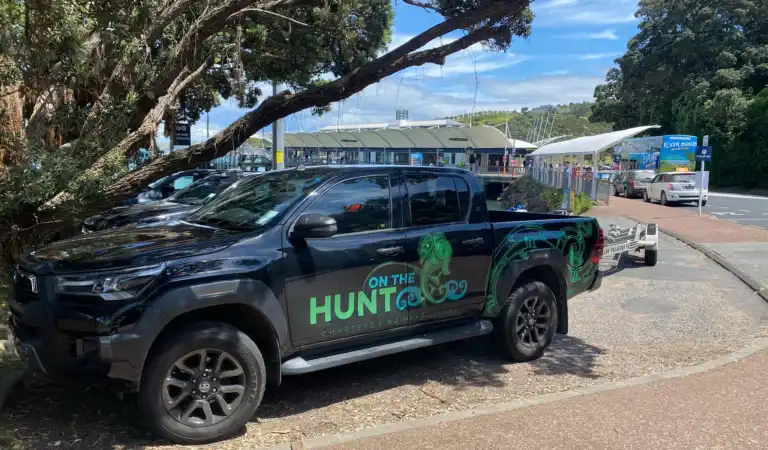
On The Hunt Charters
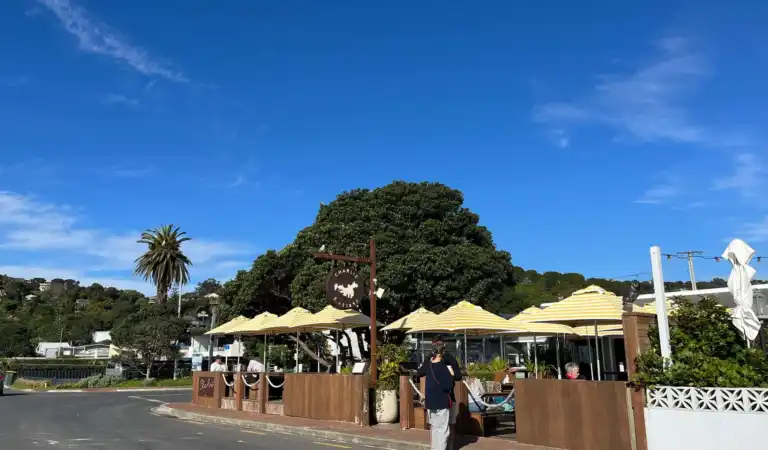
Charlie Farleys
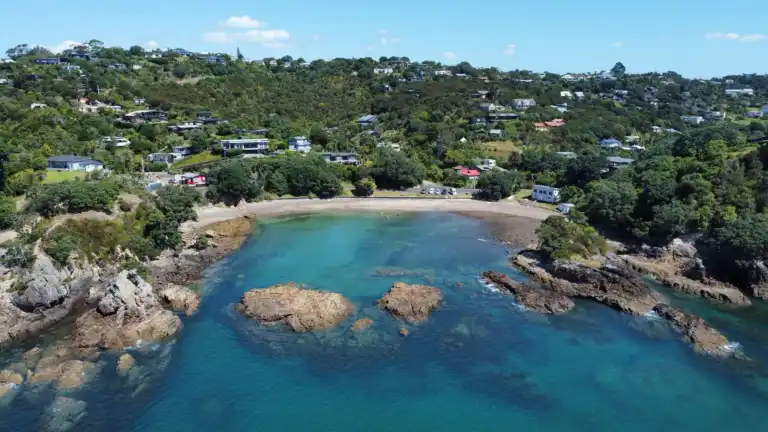
Enclosure Bay
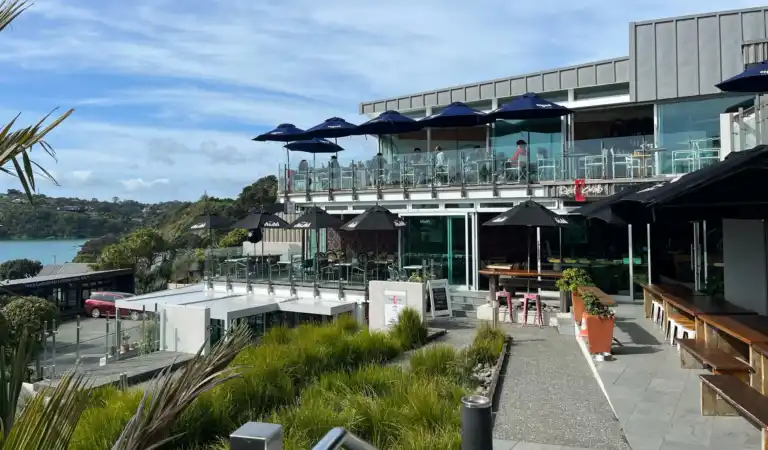
Red Crab Thai Restaurant
Waiheke Wings
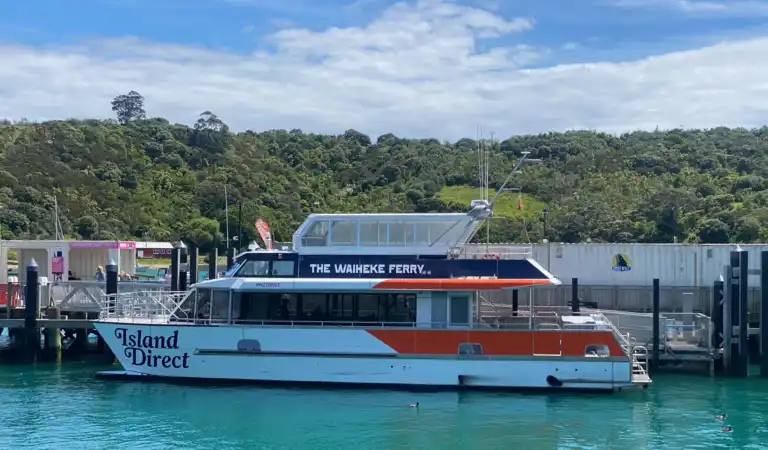
Island Direct
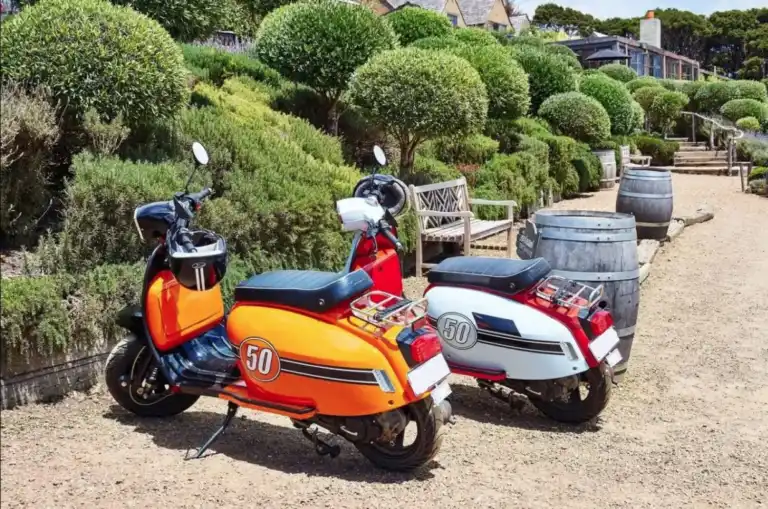
Island Scoot
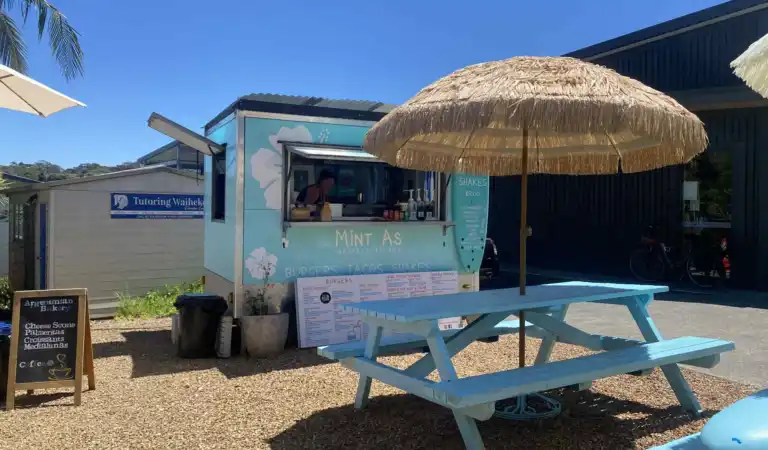
Mint As
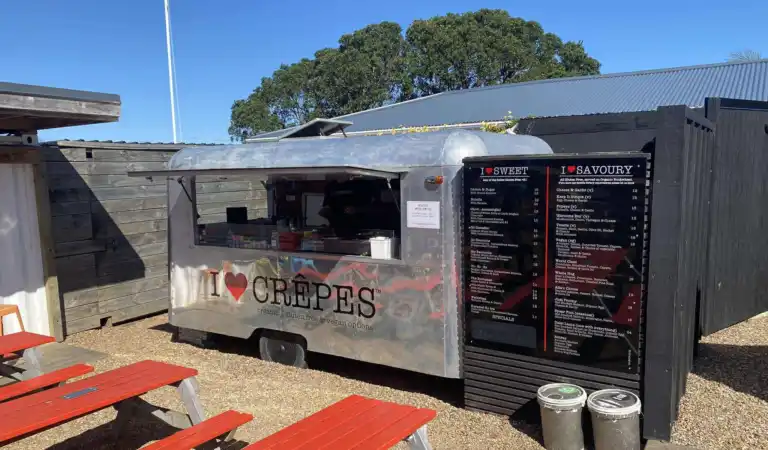
I Love Crepes
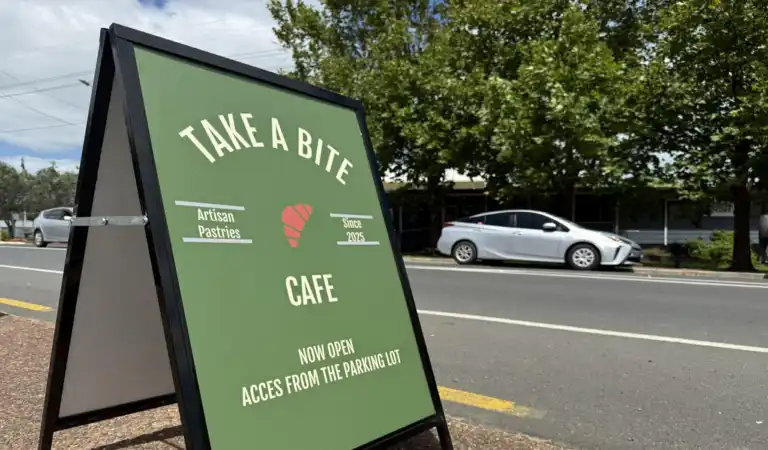
Take A Bite Cafe
Information from Museum Website below.
Day Cottage
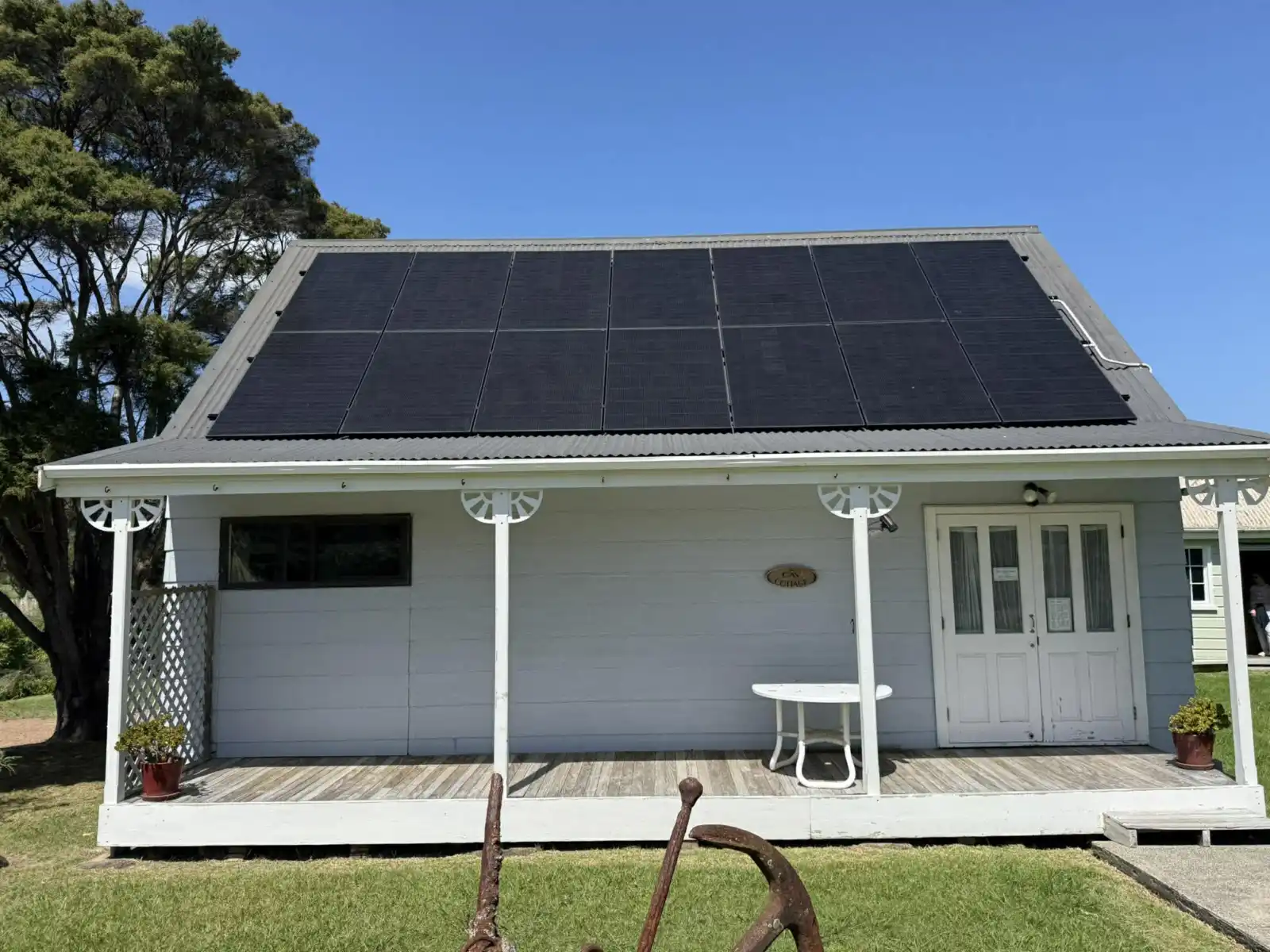
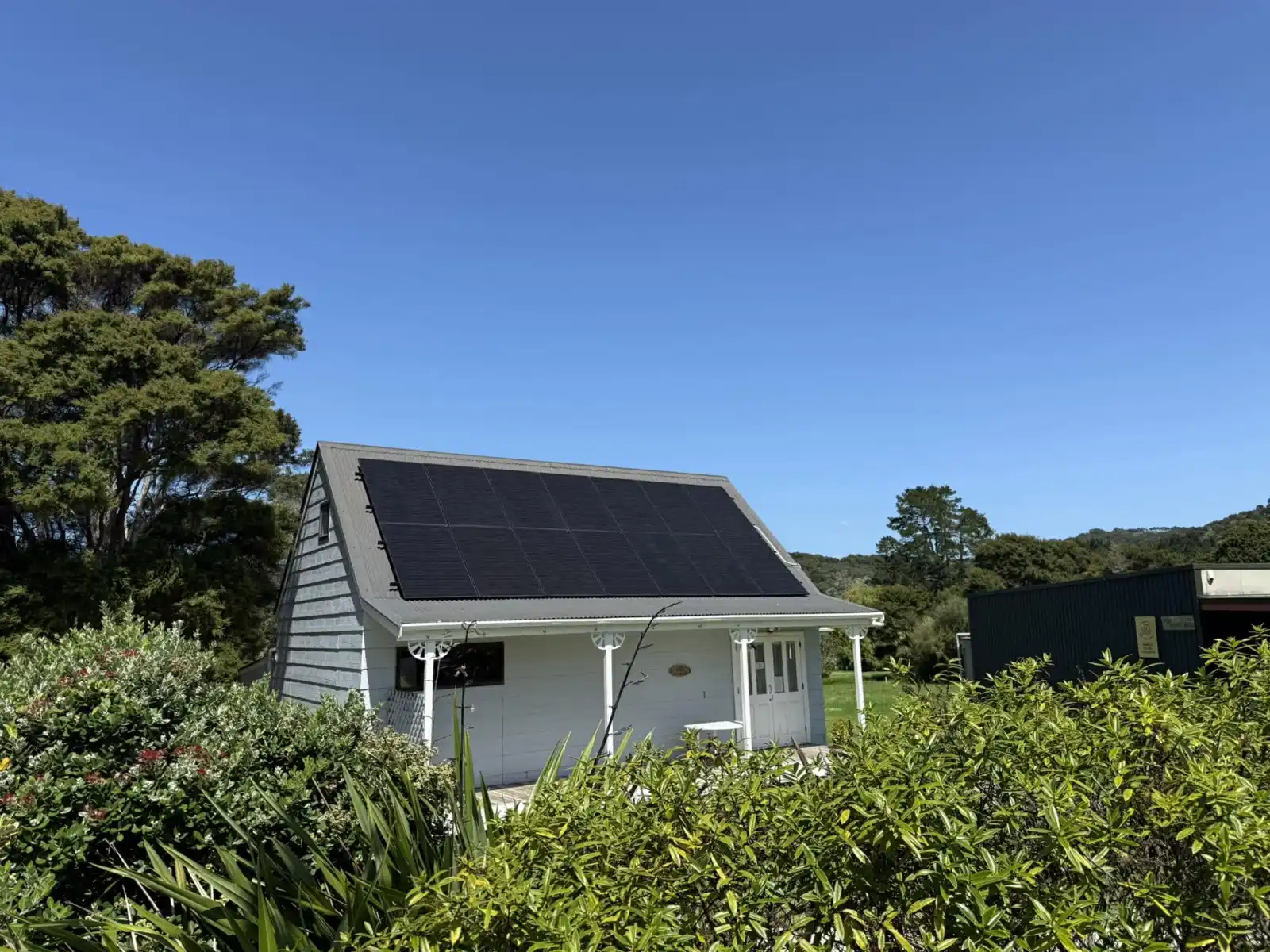
Day Cottage was Waiheke’s original museum building. It was constructed in 1983 on the Anzac Domain in Ostend, and for seven years it housed the entire collection of artefacts and archives of the Waiheke Island Historical Society.
In 1990 the building was moved from Anzac Domain to the Museum’s present site in Rangihoua Park, at 165 Onetangi Straight. At that time it acquired the name of the Society’s co-founder and first president, Dixie Day; its formal name is the Dixie and Edsell Day Memorial Cottage.
Today the cottage is not open to the public, but is available to local groups as a meeting venue, or to researchers by appointment. It holds the Society’s archives on the upper floor.
Police Cell
In 1942 Waiheke Island got its first permanent police building, located in Korora Road in Oneroa. A detention cell behind that building was used mainly to let intoxicated persons sleep off their alcohol, but it also occasionally housed an arrested offender prior to his/her being transported to Auckland on the ferry.
The police building served for 66 years. Finally in 2008 the Waiheke Police moved into their modern headquarters fifty metres away in Ocean View Road, and the old police building was converted into a radio station. The detention cell was shifted to the Waiheke Museum.
The New Woolshed
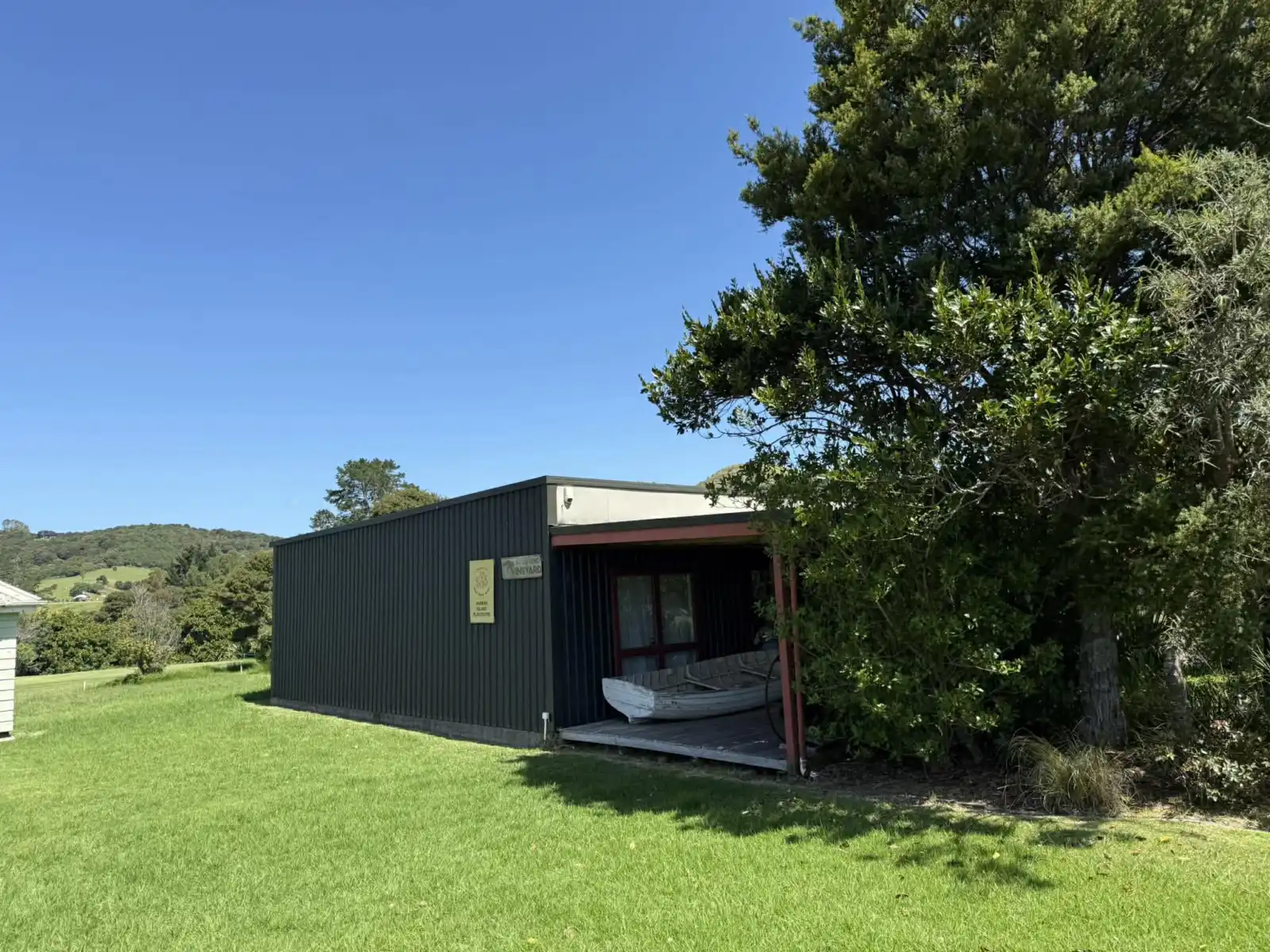
The Woolshed is the central display building of the Museum of Waiheke. Built in 1998–1999, the New Woolshed replaced the old one which tragically burnt to the ground on 18 July 1997, destroying all its irreplaceable displays. The old Woolshed, dating from the 1920s, had been gifted to the Waiheke Island Historical Society in 1987. The Waiheke County Council then leased the half-hectare of land surrounding the woolshed to the Historical Society for $1 per year, for the purpose of establishing a historical village there.
Keane Cottage
Keane Cottage was the last of the three residential cottages or baches to be moved to the Museum. Originally built in the 1940s for the Keane family on Oue Street in Oneroa, the cottage was acquired by the Historical Society in April 1997. Work began immediately in moving some of the exhibits from the Woolshed to the new cottage — which as it turns out was a lucky circumstance, as the Woolshed burned to the ground three months later.
Champion Cottage
Champion Cottage was purchased by the Historical Society and relocated to the Historic Village in 1990, using proceeds from the sale of Dixie Day’s book Waiheke Pioneers.
Built on Wattle Street in Oneroa in about 1930, the cottage has been decorated in the style of that time. It is the smallest of the Museum cottages, containing one bedroom, a salon and a kitchen.
Goodwin Cottage
Goodwin Cottage, acquired by the Historical Society in 1990, is the only one of the Historic Village’s three residential cottages to have been designed for electricity. The island was connected to the national electricity grid in 1953, and this cottage would have been built shortly after then.
Used for several years as a caretaker’s residence, Goodwin Cottage is now outfitted in the style of the 1950s. The kitchen shows what domestic life was like in that era, and a schoolroom reflects the education available at the Blackpool School. Another room has also been turned into a small grocery store, of the kind that dotted the Waiheke communities at that time.
Gallery