Orca

Scientific Name Orcinus orca
Native Yes
Family Delphinidae
Common Male Weight 5,400 kg-9,000 kg
Common Female Weight 3,000 kg-5,500 kg
Common Length 5-10M

Identification

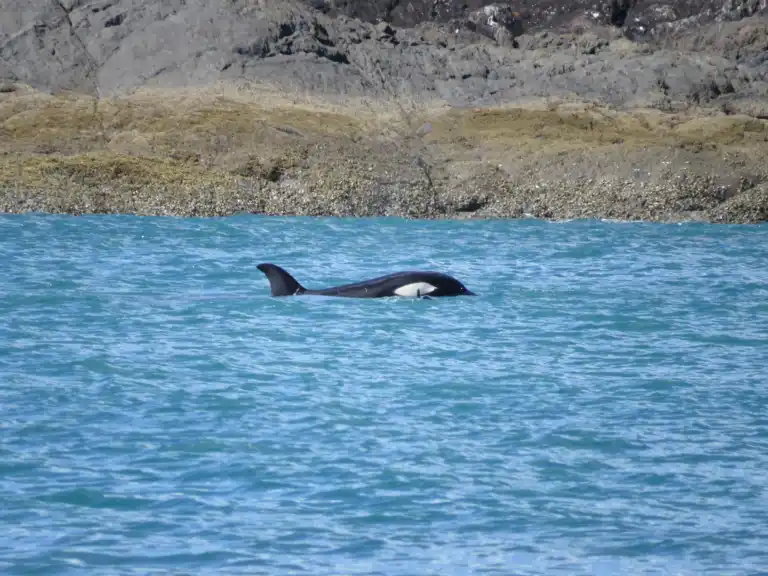
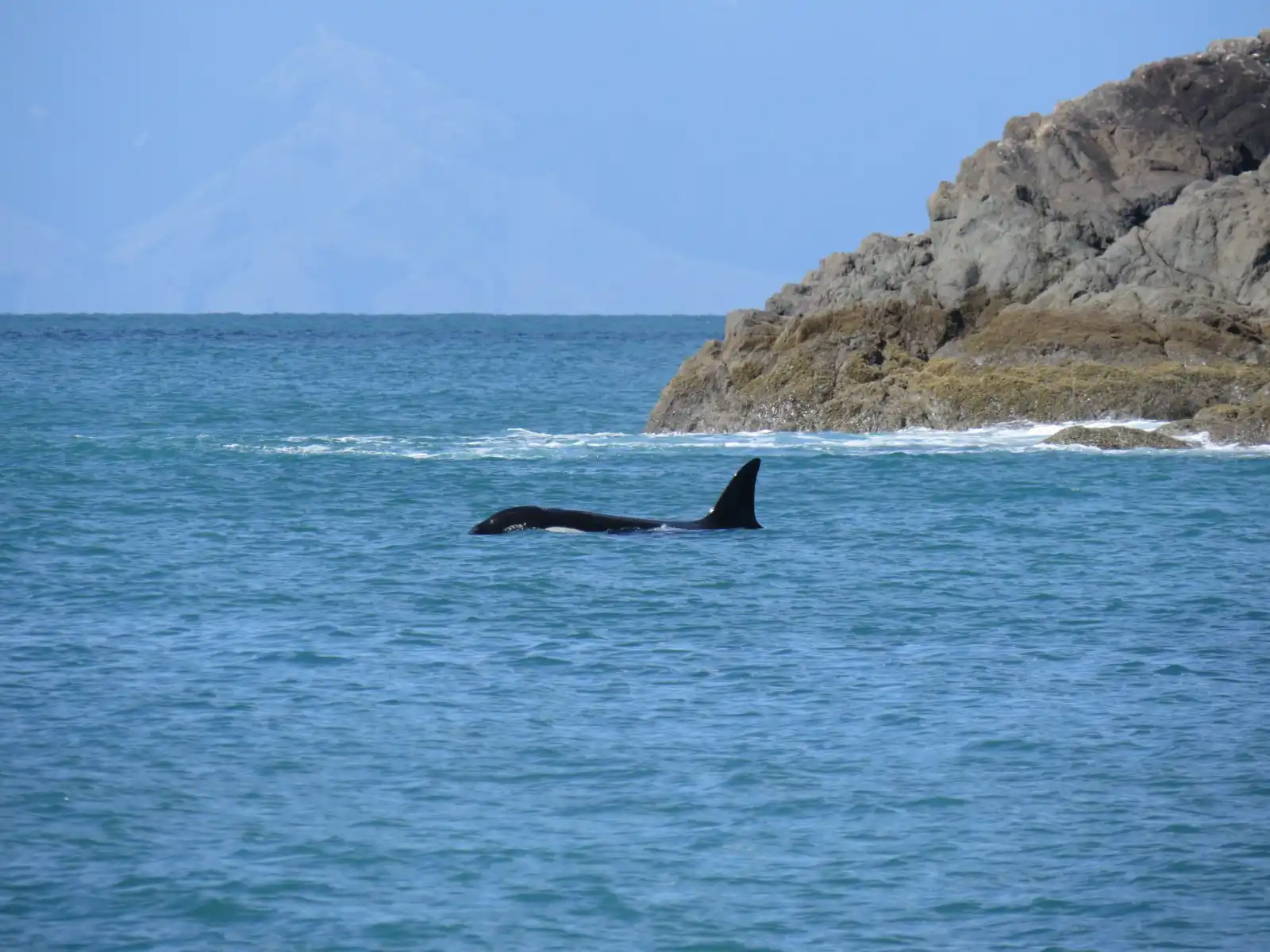
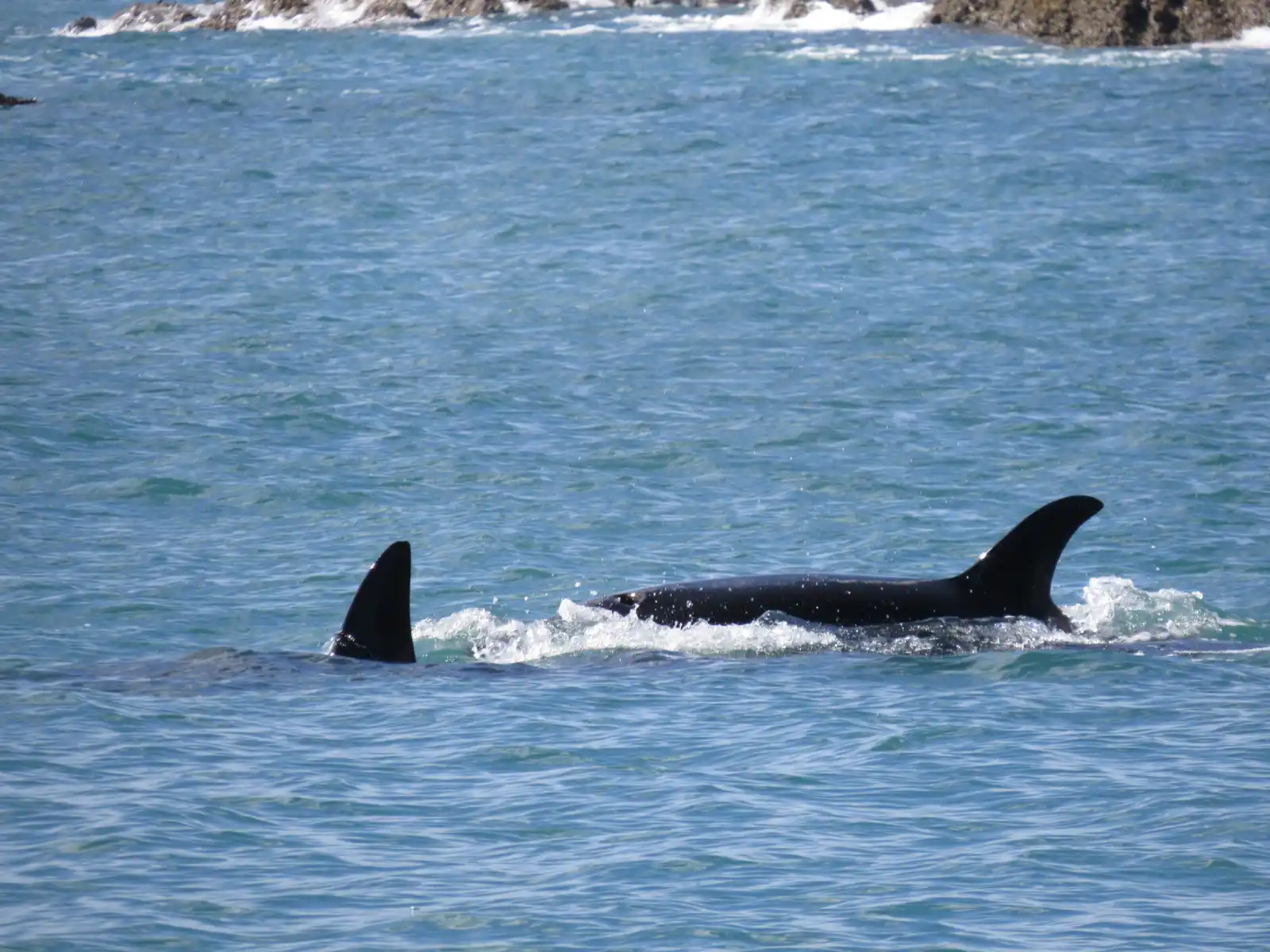
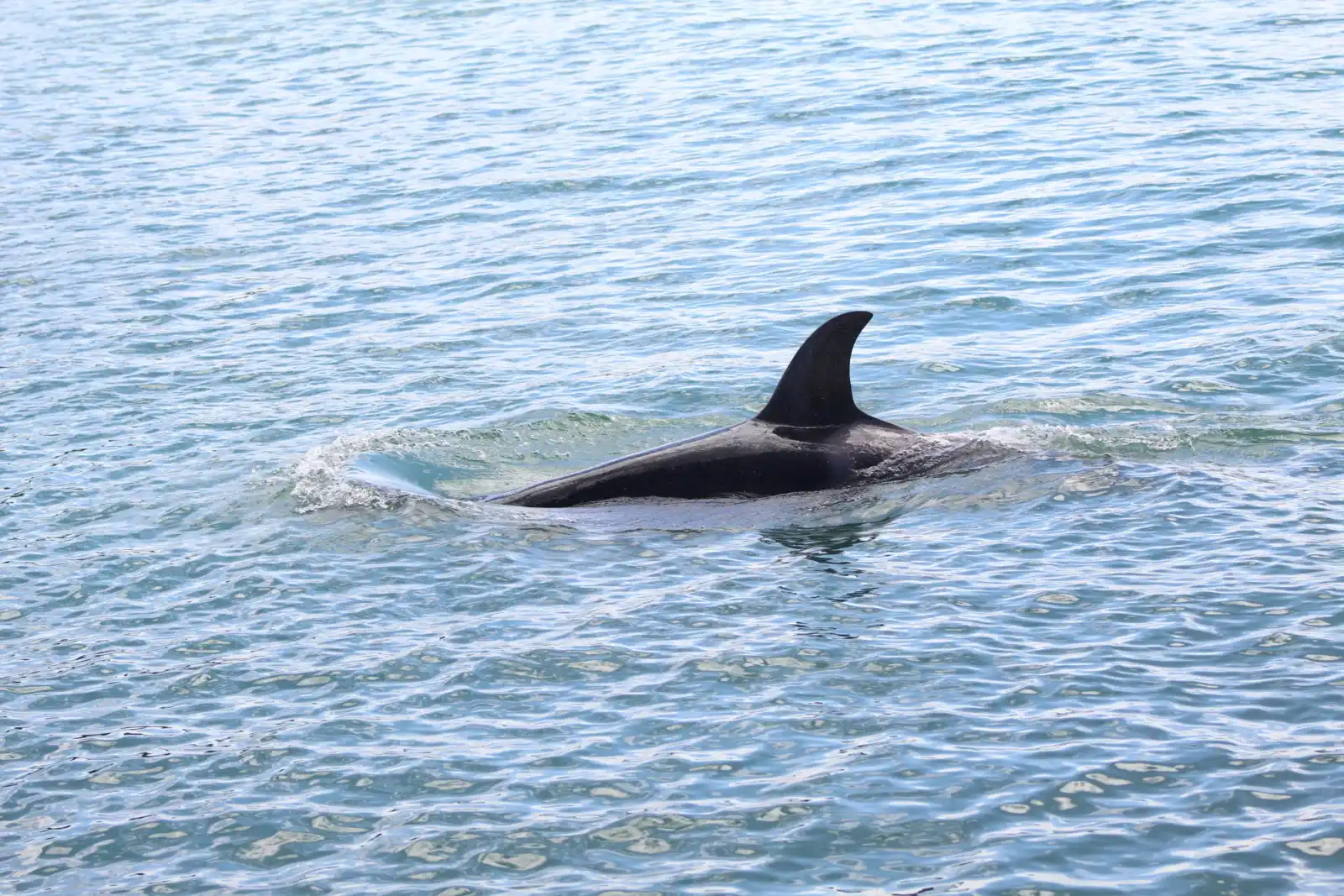
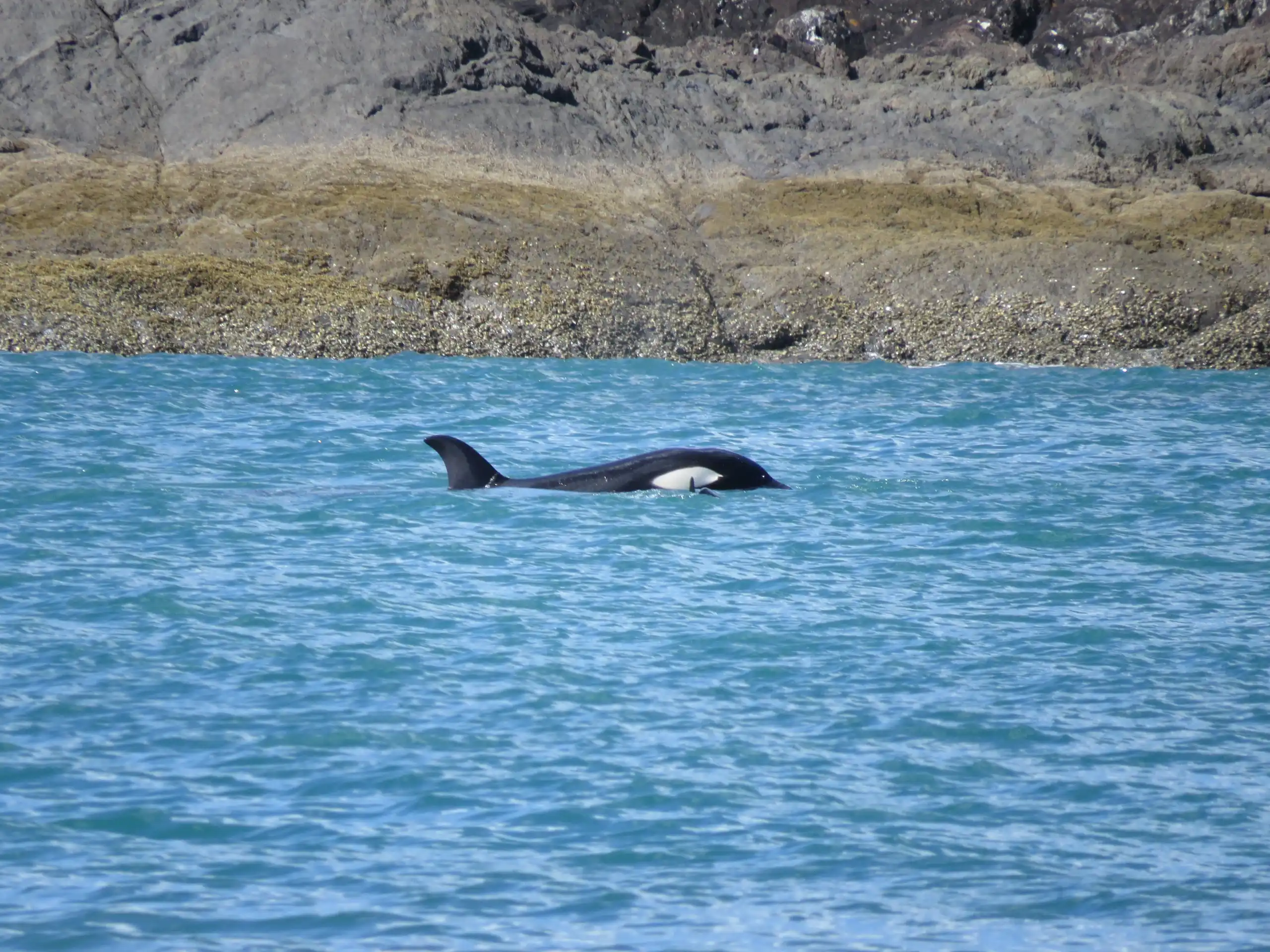
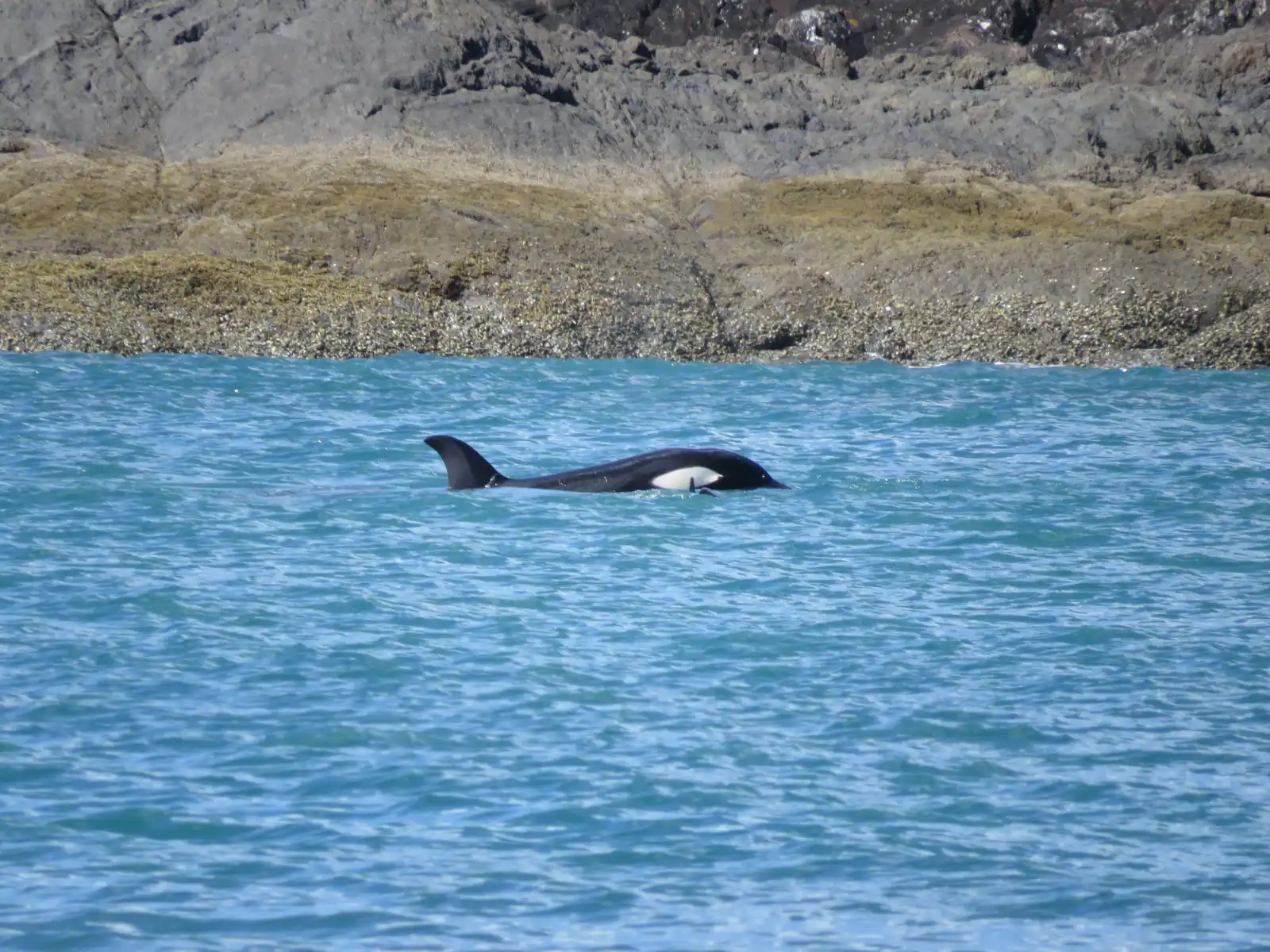
The Orca, or Killer Whale, is a toothed whale and the largest member of the oceanic dolphin family. Recognisable by its distinct pigmentation; being mostly black on top, white on the bottom and having recognisable white eye patches.

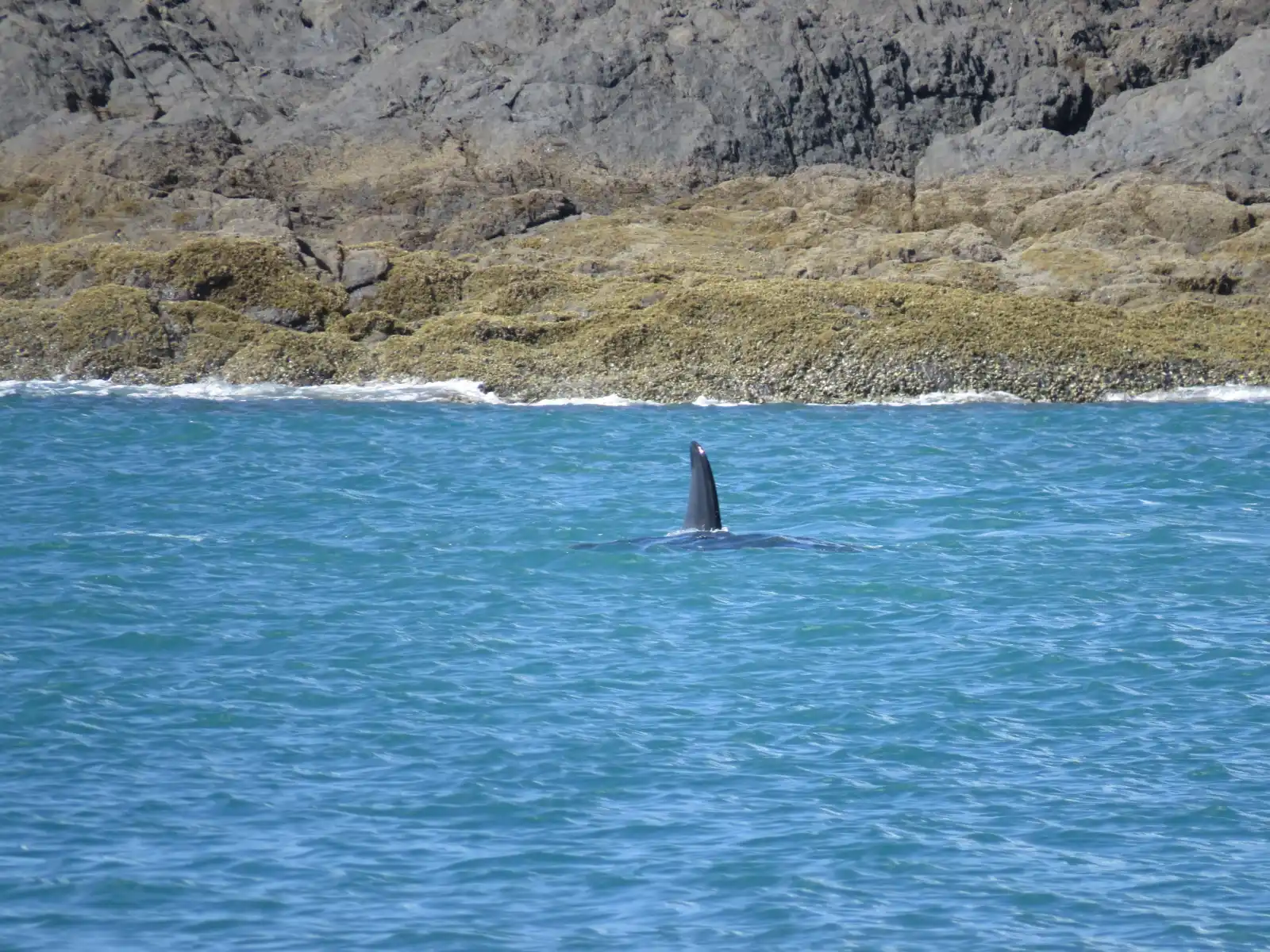
They have a prominent dorsal fin with a grey or white saddle patch behind the fin. These markings vary between individuals and populations. Male killer whale dorsal fins are the tallest of any cetacean (marine mammal), reaching up to 1.8 meters (6 ft) in height and featuring a tall, triangular shape. Female dorsal fins are shorter and more curved, typically measuring about (0.9) to (1.2 meters) (3 to 4 ft) in height.

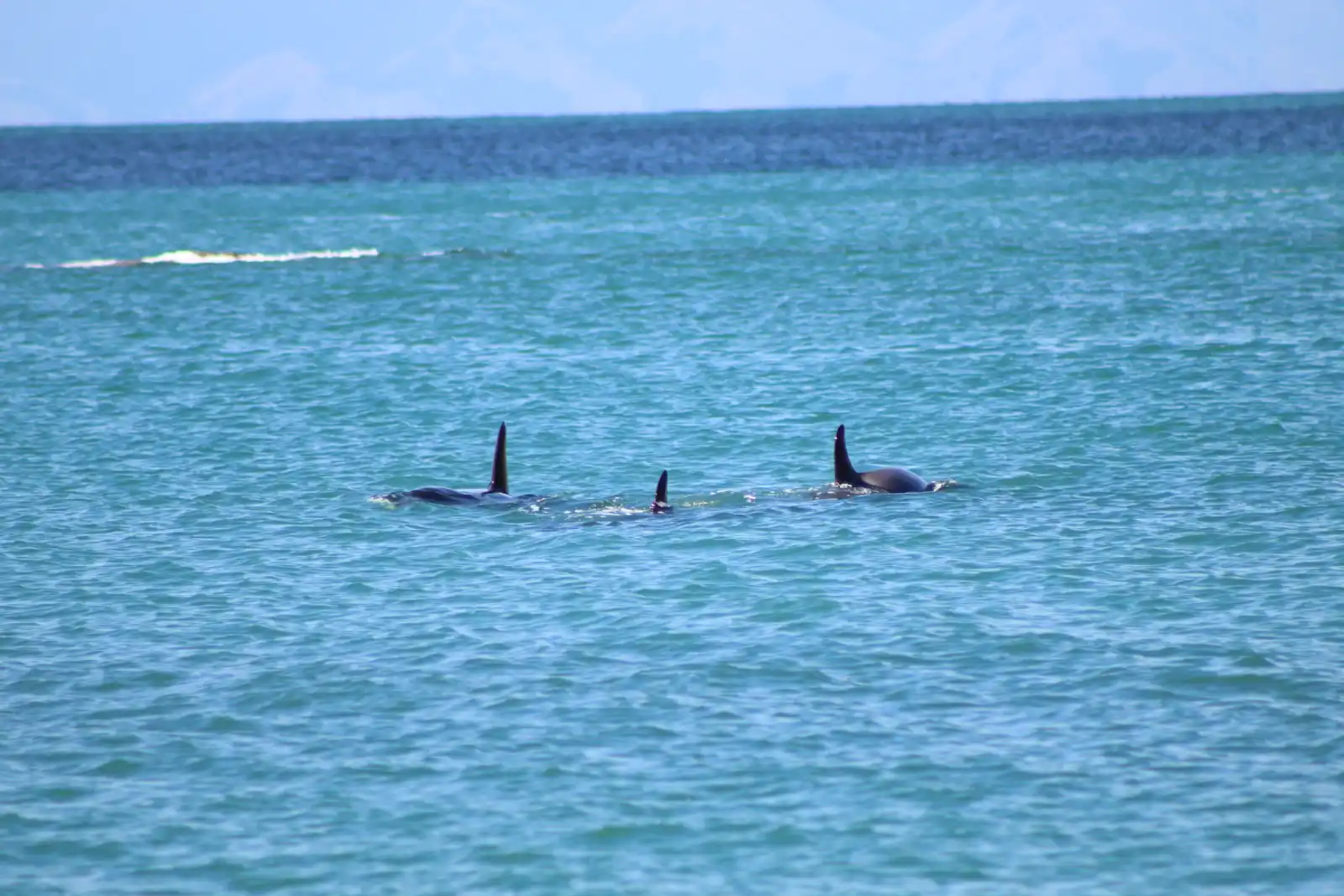
Killer whales are highly social, and most live in social groups called pods.

Killer whales rely on underwater sound to feed, communicate, and navigate. Killer whales communicate with each other through clicks, whistles, and pulsed calls – the latter which are unique among populations and are learned and culturally transmitted among individuals. These calls maintain group cohesion and serve as family badges.

Orca are the most widely distributed mammal on earth with the exception of humans. Its distribution is patchy however and it is more commonly seen at the poles and in cooler waters.

They can be seen in every ocean on the earth. They are one of the most successful marine mammals in terms of range.

They prefer deeper water but can be found in shallow bays and estuaries, and in inland seas.

Orca can be found all throughout New Zealand’s coastline.

The name killer whale derives from their original name ‘whale killers’ given to them by sailors who saw them hunting whales. Over time, the name eventually switched around. The name ‘orca‘ comes from their Latin species name Orcinus orca, where orcinus translates to mean ‘Kingdom of the dead’.

In New Zealand, there are thought to be less than 200 animals, which classes them as Nationally Vulnerable in New Zealand’s Threat Classification System. According to the most recent population estimate there are 115 animals alive.
Waiheke Wildlife

Orca

Orca

The Orca, or Killer Whale, is a toothed whale and the largest member of the dolphin family. Recognisable by being black and white with white eye patches.
Common Myna

Common Myna

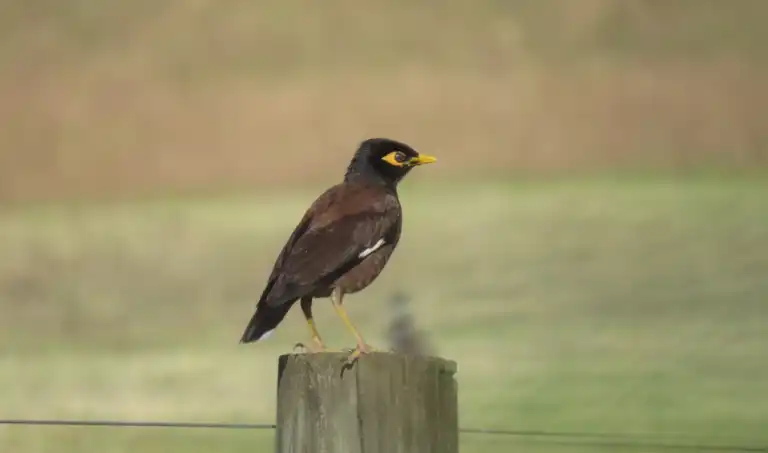
Mynas are stocky brown birds with a shiny black head and shoulders. Commonly found on road sides on Waiheke, usually playing chicken with cars while foraging for food.
Black Bird

Black Bird

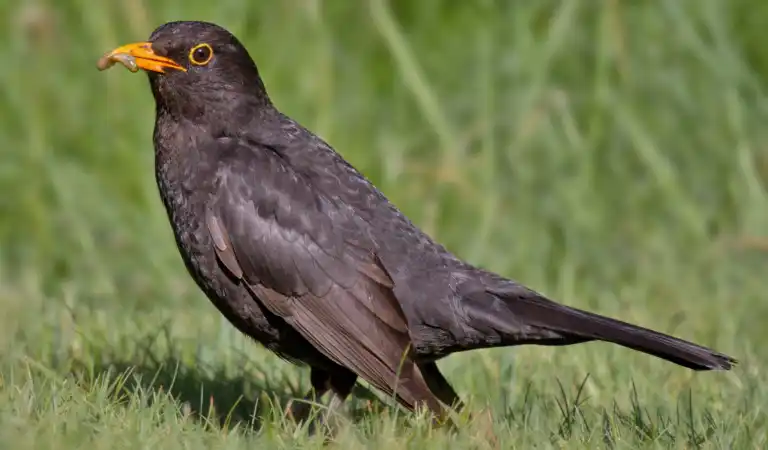
The black bird is a medium-sized songbird that is entirely black in adult males with a yellow bill. Abundantly found on Waiheke around household properties and trees.
Red Billed Gull

Red Billed Gull

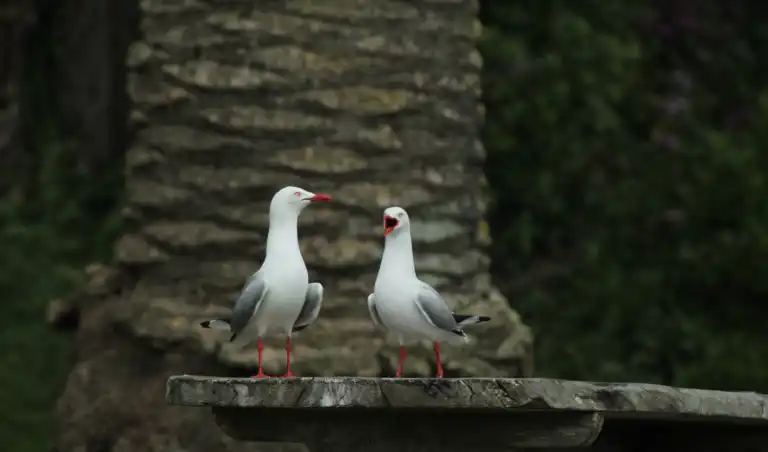
The red-billed gull also known as a "Seagull" is common around New Zealand Coasts. Located everywhere on Waiheke beaches where food or bait is readily accessible.
Fantail

Fantail

The Fantail is a well known NZ bird due to its distinctive fanned tail. Locations found on Waiheke are any well-treed parks, bush walks and even properties.
Spotted Turtle Dove

Spotted Turtle Dove

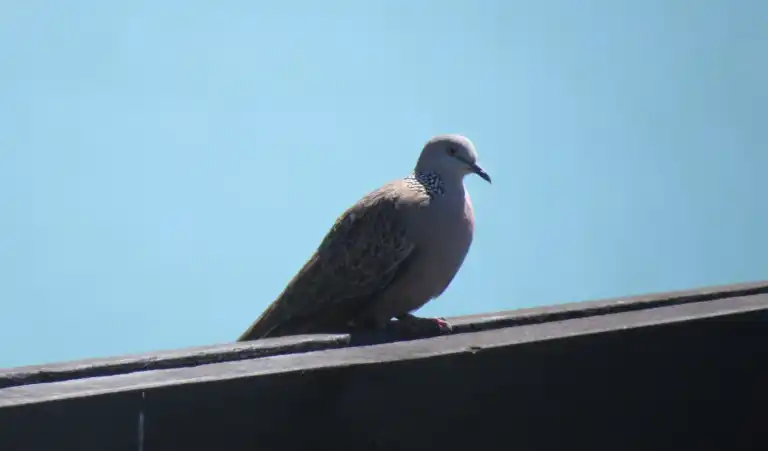
The spotted dove is a medium-sized, long-tailed dove, with a greyish head and speckled greyish brown upperparts. Found on Waiheke around gardens and the rooster reserve.
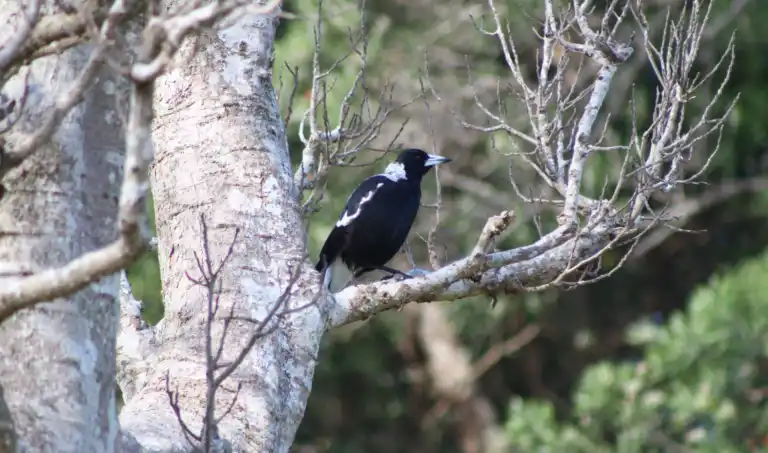
Magpie

Magpie

The Magpie is a large black-and-white songbird, It was introduced from Australia. It can be found on Waiheke around farmland and large grass reserves.
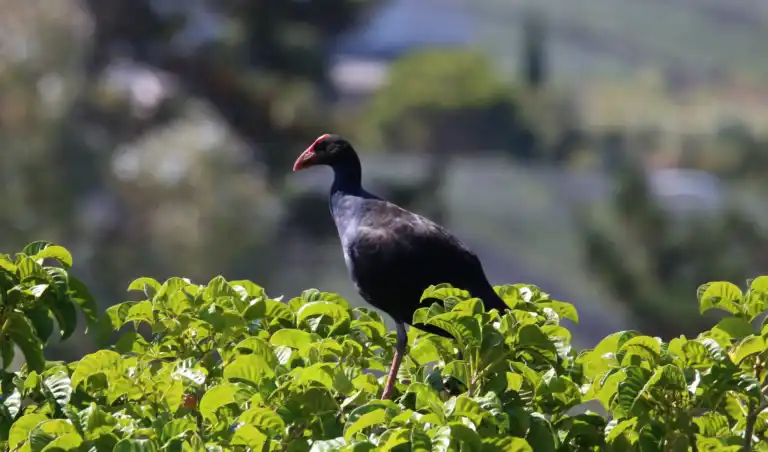
Pūkeko

Pūkeko

The Pukeko is a large relatively compact rail with a deep blue-violet head, breast and throat and a red bill. Found in swamp/Mangrove areas of Waiheke Island.
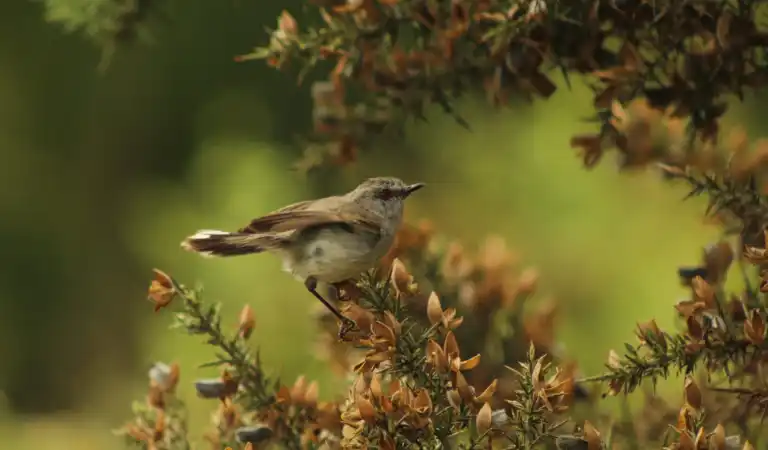
Grey Warbler

Grey Warbler

The Grey Warbler is a tiny olive-grey song bird often heard before seen. Locations on Waiheke are dense woody vegetations. The warbler can be difficult to spot.
Variable Oyster Catcher

Variable Oyster Catcher

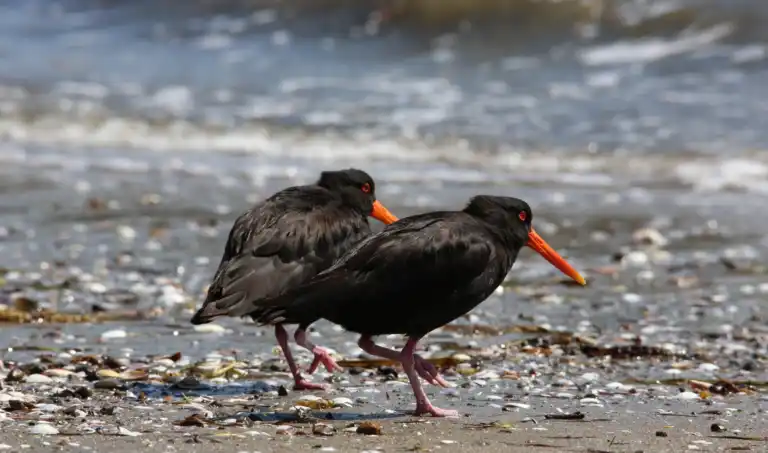
The variable oystercatcher is a stocky coastal bird with a long, bright orange bill, it is located on many quiet beaches such as Blackpool, Whakanewha and Anzac bay.
Great black-backed gull

Great black-backed gull

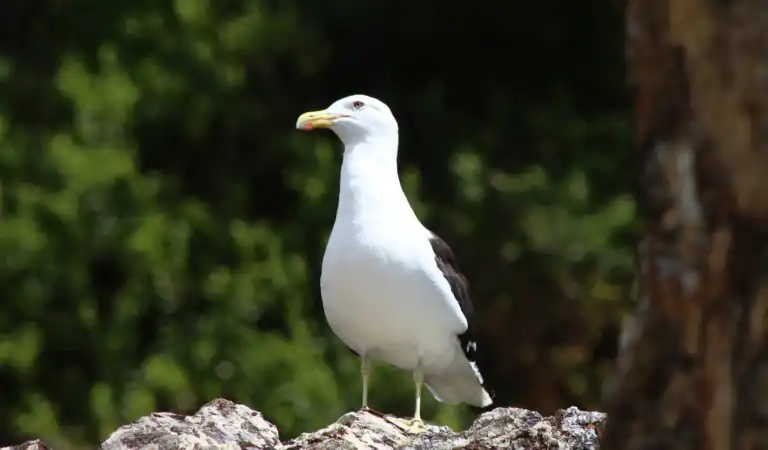
The Black-backed gull is a large black-and-white gull with a white head and underparts, black back, yellow bill with a red spot near the tip. Located on Waiheke beaches.
White Fronted Tern

White Fronted Tern

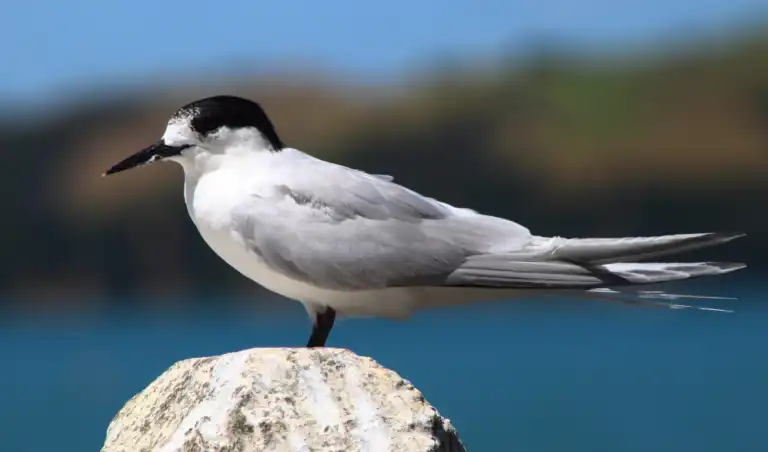
The white-fronted tern is a medium-sized, long-tailed sea tern commonly around New Zealand coasts. Spotted congregating on Waiheke wharfs such as Matiatia and Orapiu.
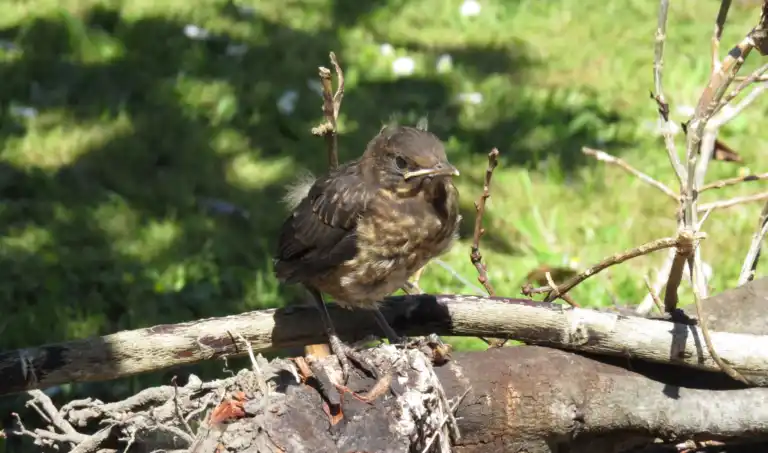
Thrush

Thrush

The thrush is a medium-sized songbird with a speckled brown-on-cream breast, usually heard before it is seen, found in grass reserves, gardens and trees on Waiheke.
Tui

Tui

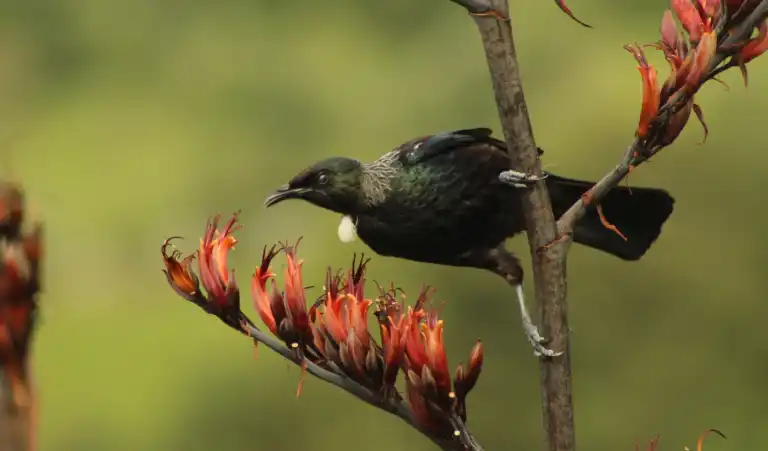
The Tui is a iridescent blue-green honeyeater with two curled white feather tufts on the throat. Locations found on Waiheke are around flaxes feeding off nectar.
White-Eye

White-Eye

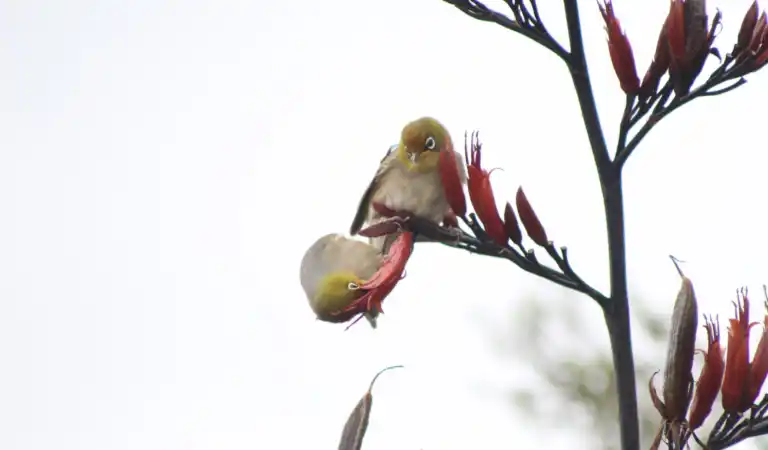
A small songbird, immediately recognisable by its distinctive white eye-ring. This quick little bird can be found feeding off flax and kowhais or fruit trees on Waiheke.
Wood Pigeon

Wood Pigeon

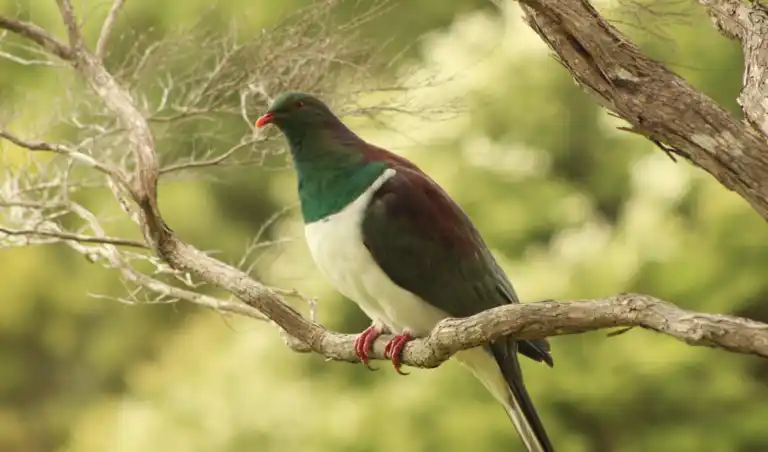
The Wood pigeon is a large distinctively-coloured pigeon, it is easy to find on Waiheke due to its size, they are usually perched on powerlines or trees.
Pied Shag

Pied Shag

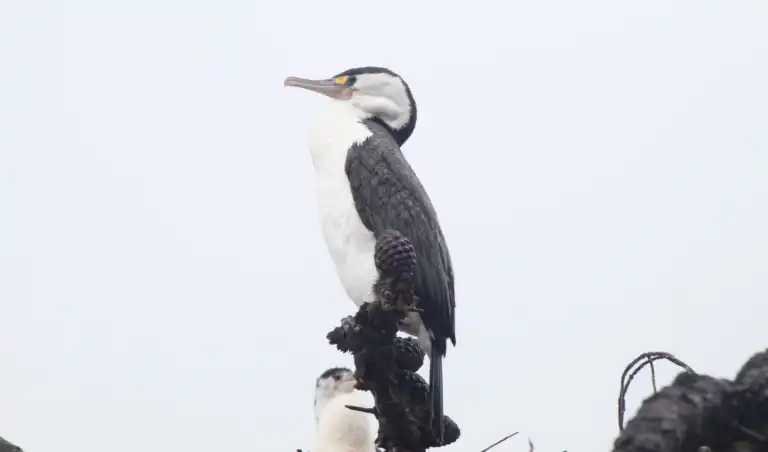
This large black-and-white shag is often seen individually or in a group, usually spotted in the ocean searching for food or hanging around fisherman by the rocks of Waiheke.
Kaka

Kaka

The Kaka is a large, olive-brown parrot with grey-white crown, red-orange underwing and deep crimson belly, located in tree covered areas around Onetangi.
Bar-tailed Godwit

Bar-tailed Godwit

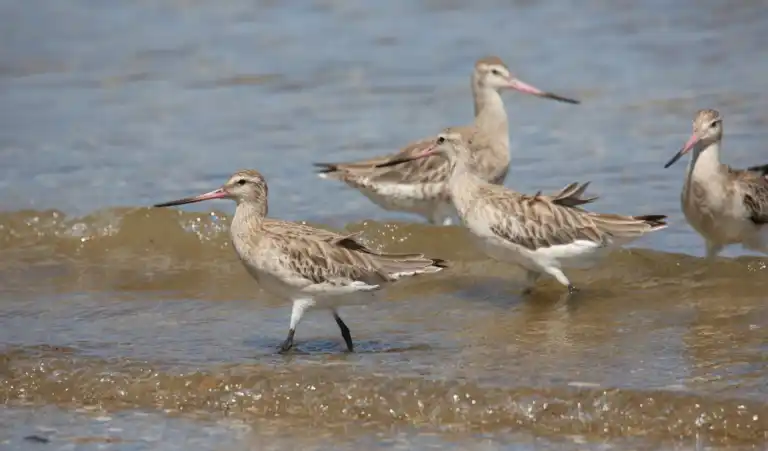
The Godwit is a migrant from Alaska, they fly 8-9 days straight to arrive in NZ. They can be found on Waiheke from September - March located at Blackpool.
Little Shag

Little Shag

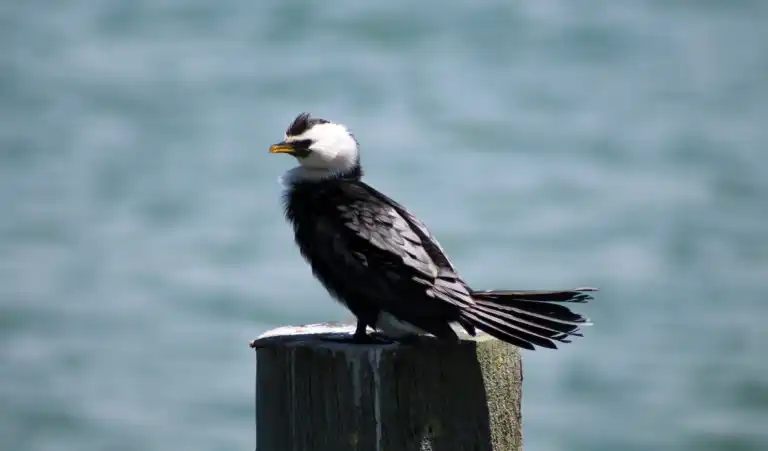
The little shag is a small shag, with a short yellow bill, black feet, a relatively long tail, usually spotted in the ocean searching for food or hanging around Waiheke…
Australasian Gannet

Australasian Gannet

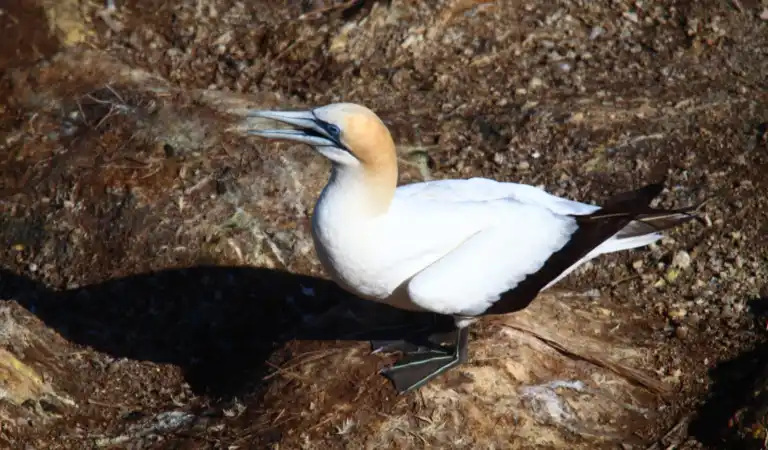
The gannet is a large slender-bodied seabird with mainly white plumage, buff-yellow head and neck. Occassionally seen around Waiheke searching for food in ocean depths.
Sacred Kingfisher

Sacred Kingfisher

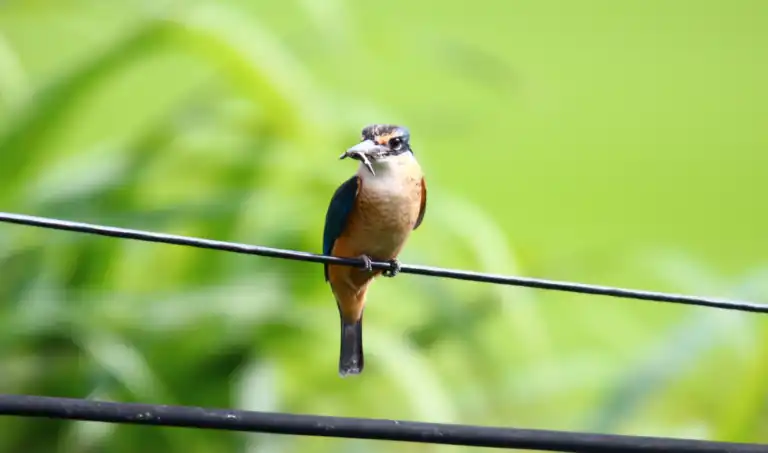
The sacred kingfisher is a distinctive bird with a green-blue back, buff to yellow undersides and a large black bill. they can be found nearby tidal beaches on waiheke.
Pied Stilt

Pied Stilt

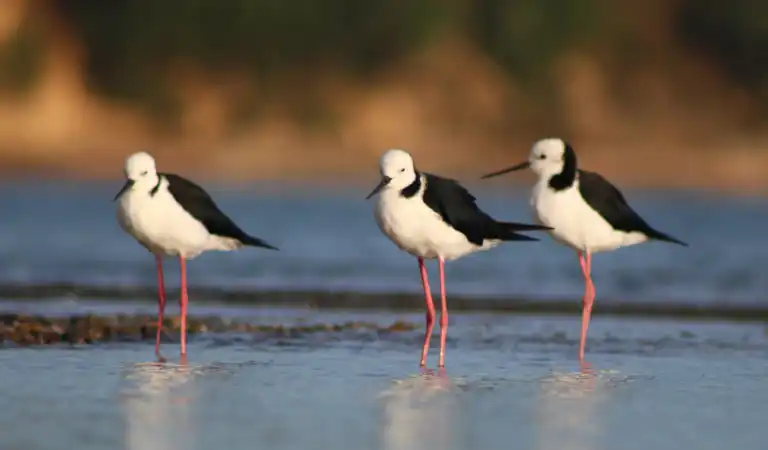
The pied stilt is a dainty wading bird, It is common at wetlands and coastal areas, found on Waiheke at Putiki Bay, Anzac Bay and Blackpool.
Spur-winged Plover

Spur-winged Plover

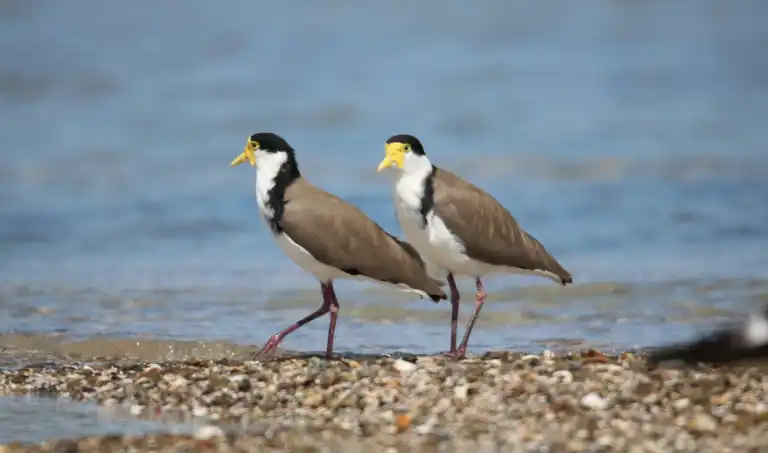
The Spur-winged plover is a large stocky wader with a yellow bill and spurs on each wing, locations found on Waiheke are Blackpool, Maori hill and Whakanewha.
White Faced Heron

White Faced Heron

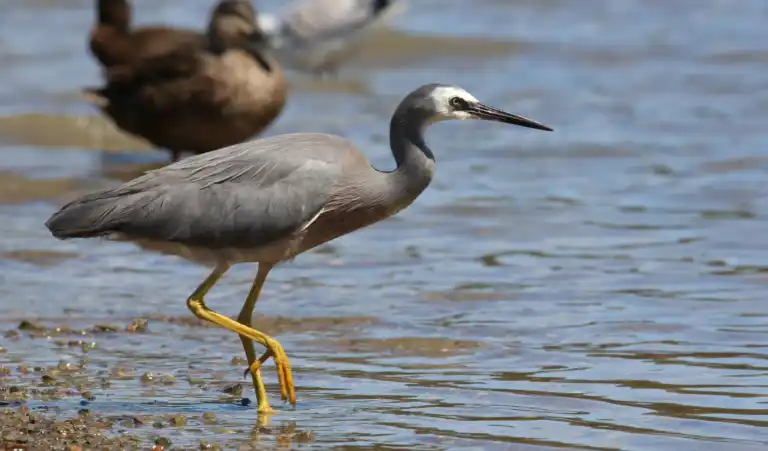
The white-faced heron is a tall, elegant, blue-grey bird usually spotted stalking prey. Locations found on Waiheke are Mangroves, Anzac bay and quiet beaches.
NZ Dotterel

NZ Dotterel

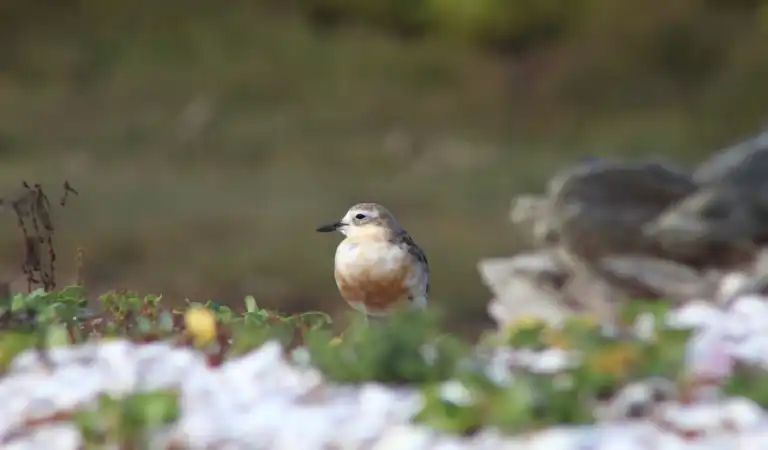
The New Zealand Dotterel is a shorebird which breeds on beaches in NZ's North Island. Locations found on Waiheke are Whakanewha, Anzac Bay and Blackpool.
Welcome Swallow

Welcome Swallow

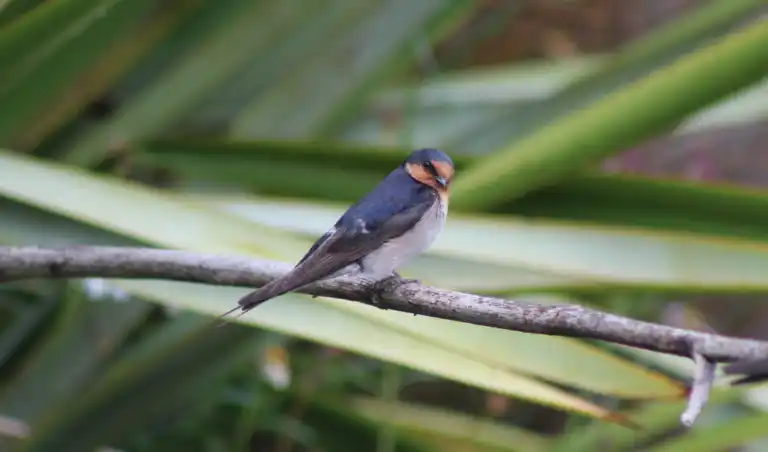
Welcome swallows are small fast-flying birds, they are usually seen around waiheke during breeding season between August and February on powerlines, fences and beaches.

Breeding

Orca breeding is a complex, year-round process with peak activity in summer, characterized by a long 17-month gestation, single calf births every 3–10 years, and, in the wild, mating between different pods to avoid inbreeding. Females typically start breeding around age 11 and stop around 40, with high maternal investment in calves.

Orcas are not monogamous. To avoid inbreeding, they generally mate with individuals from different pods.

Pregnancy lasts roughly 15 to 18 months. Newborns are about 8 feet long and weigh around 400 lbs.

Females usually give birth to 4 to 6 calves over a 25-year span, with calves nursing for about a year.

Food

Orcas are apex predators with highly specialized diets that vary by region and population, eating fish, marine mammals, and sharks. They consume over 35 different prey species, including salmon, seals, sea lions, and even larger whales, eating roughly 227 kilograms daily.

They can often be seen up around rocky reefs and in the shallows of beaches while they are hunting.

Orcas are highly social and work in teams to hunt. They use advanced techniques like creating large waves to wash seals off ice floes and intentionally beaching themselves to catch prey on shore.

Waiheke Locations

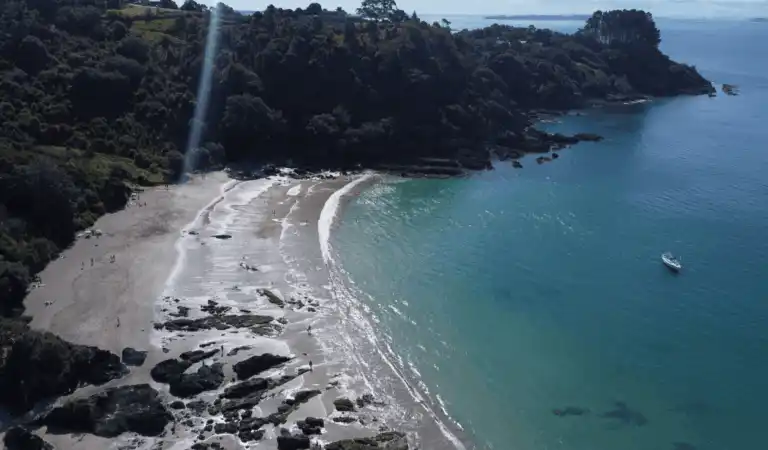
Orca’s are spotted passing through Waiheke bays on a regular basis. They are usually in search for food or teaching their calves.

They have been spotted in Sandy Bay, Oneroa Beach, Enclosure Bay, Matiatia Bay and many other bays.

In 2018 two orcas were spotted swimming past children in Enclosure Bay. The children were frightened but unharmed and brought back to shore by men in kayaks.

On a separate occasion we encountered a mother and her calf in Enclosure Bay/Sandy Bay. They were within arm’s reach by the rocks.

Gallery
Featured Pages