White-Eye

Scientific Name Zosterops lateralis
Native Yes
Family Zosteropidae
Common Weight 13 Grams
Common Height 6 CM
Common Length 11 CM

Identification

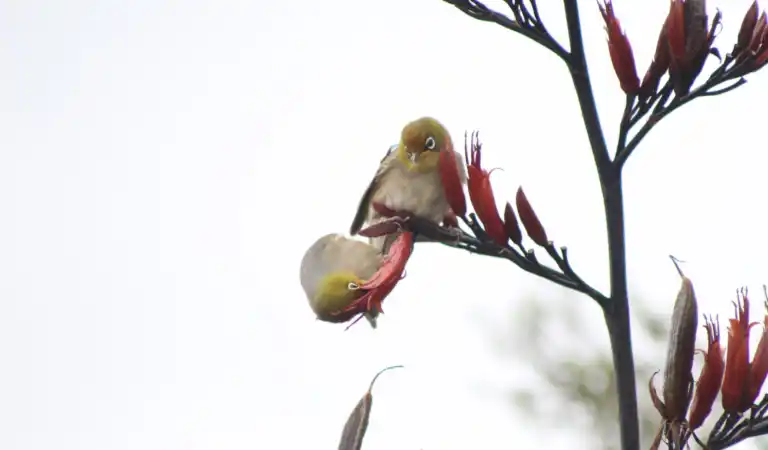
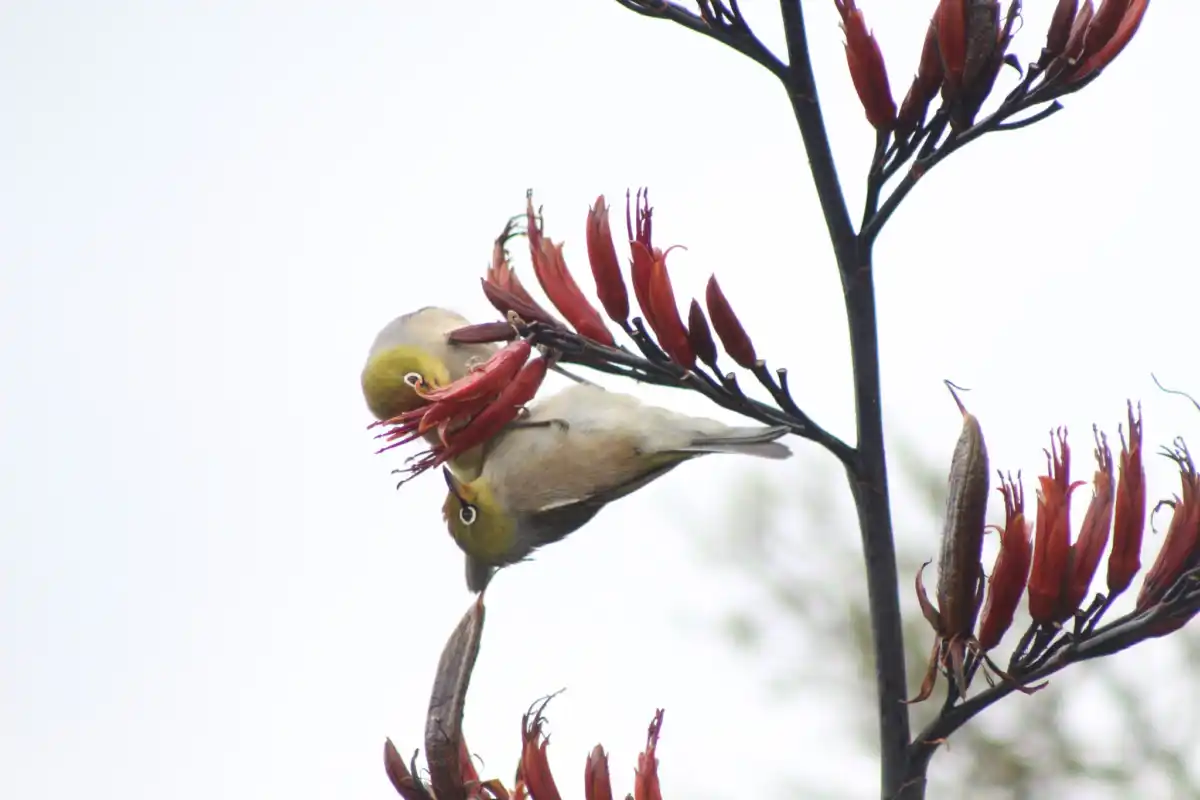
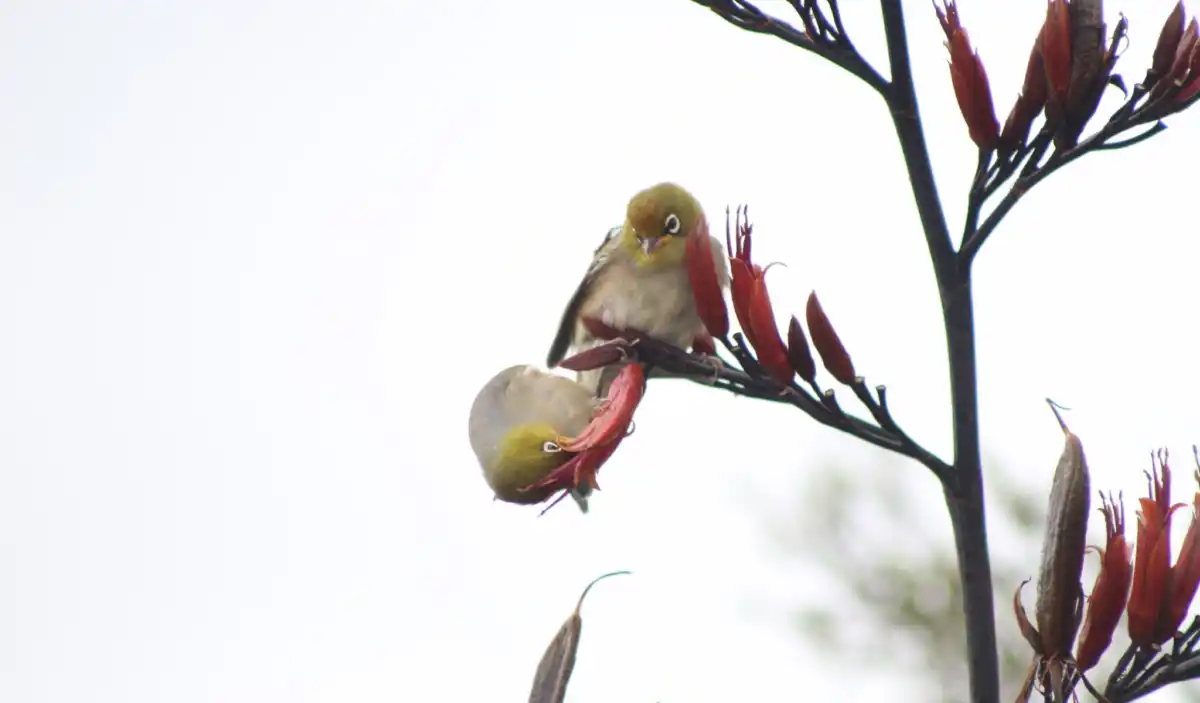
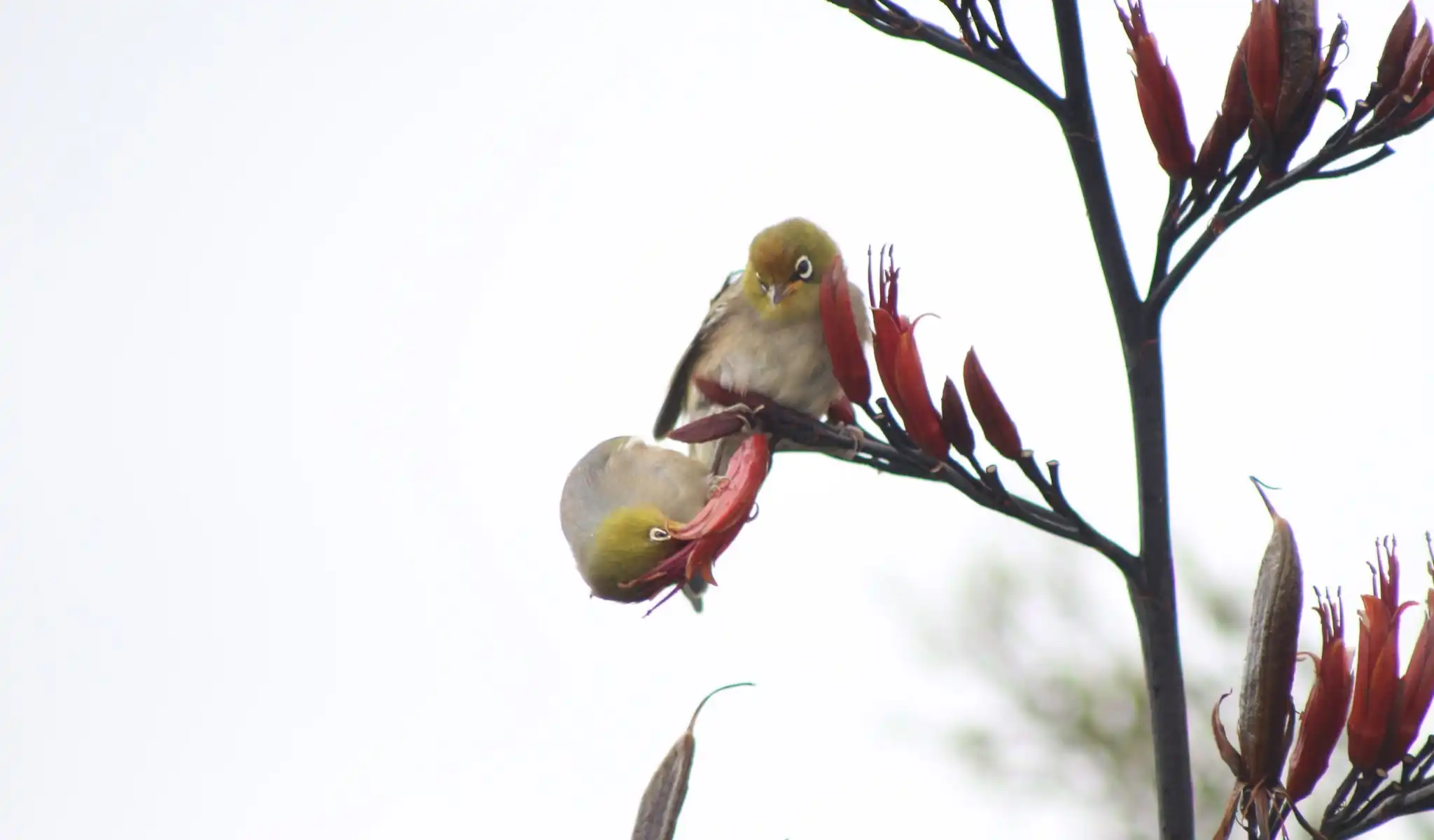
A small songbird, immediately recognisable by its distinctive white eye-ring. This quick little bird can be found feeding off flax and kowhais or fruit trees on Waiheke.

The White eye also known as a “Silvereye” has olive-green plumage on the head, lower back and upper tail, and mid-grey on the hindneck, sides of neck and upper back. The upper wings are mostly dark olive green, with narrow lines of yellowish green, and the tail is dark olive green. The underparts are whitish-cream on the throat and upper breast, creamy grey on the belly and undertail, the flanks are pinkish-buff, the thighs are white, and the underside of the wings creamy-white. The dark brownish-black bill is fine, short and sharply pointed. The iris is dark reddish-brown, and the legs and feet pale brown.

Juveniles have similar colouring to adults but have a narrower and duller white eye-ring.

Both sexes are alike. The White eye has range of clear often high-pitched and melodious calls including warbles, and trills, often repeated, used in a wide variety of contexts.

They are found in vegetated habitats, including suburban gardens, farmland, orchards, woodlands and forests.

White eyes are well known for flocking especially in winter.
Waiheke Wildlife

Spotted Turtle Dove

Spotted Turtle Dove

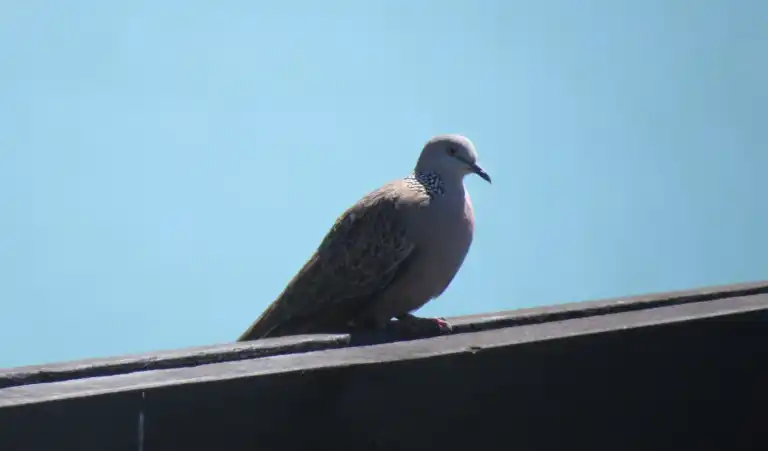
The spotted dove is a medium-sized, long-tailed dove, with a greyish head and speckled greyish brown upperparts. Found on Waiheke around gardens and the rooster reserve.
Welcome Swallow

Welcome Swallow

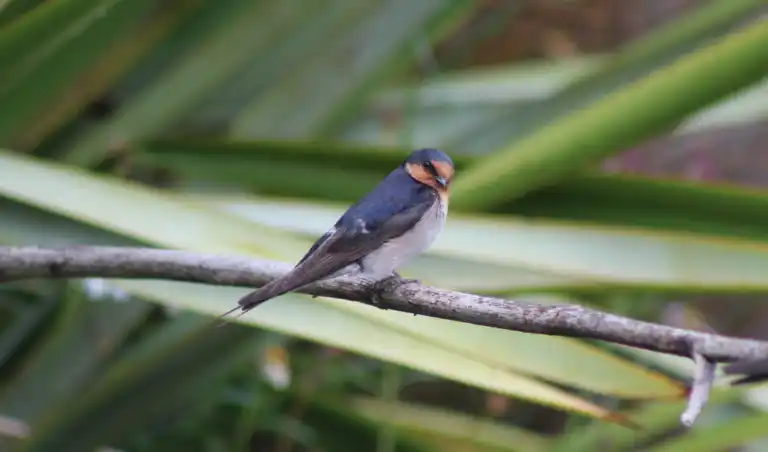
Welcome swallows are small fast-flying birds, they are usually seen around waiheke during breeding season between August and February on powerlines, fences and beaches.
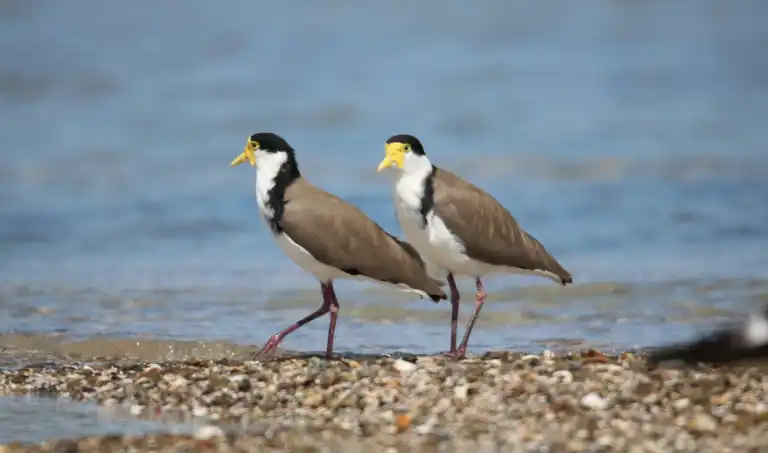
Spur-winged Plover

Spur-winged Plover

The Spur-winged plover is a large stocky wader with a yellow bill and spurs on each wing, locations found on Waiheke are Blackpool, Maori hill and Whakanewha.
Tui

Tui

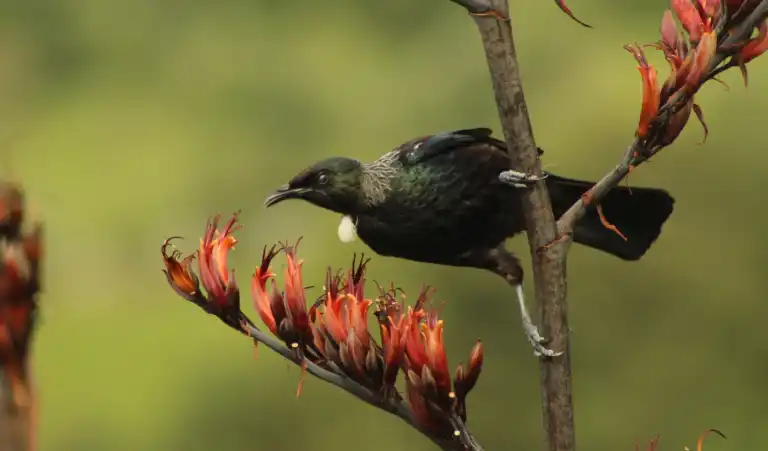
The Tui is a iridescent blue-green honeyeater with two curled white feather tufts on the throat. Locations found on Waiheke are around flaxes feeding off nectar.
Fantail

Fantail

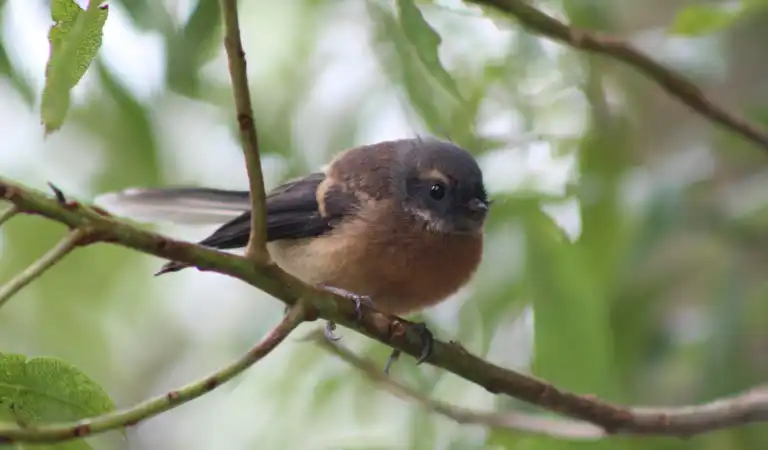
The Fantail is a well known NZ bird due to its distinctive fanned tail. Locations found on Waiheke are any well-treed parks, bush walks and even properties.
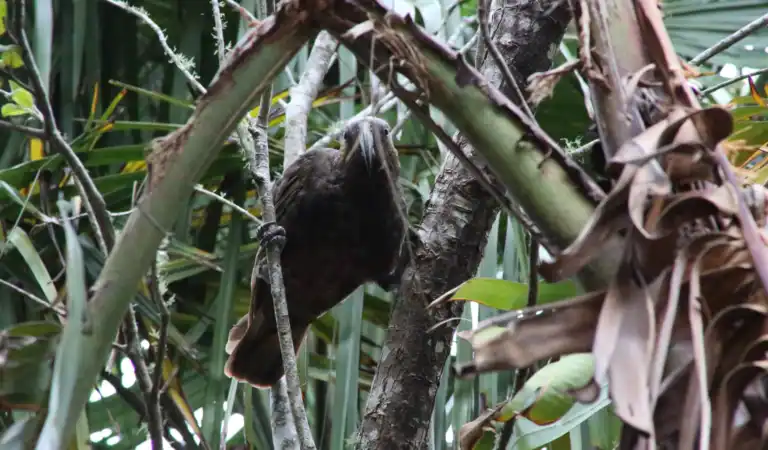
Kaka

Kaka

The Kaka is a large, olive-brown parrot with grey-white crown, red-orange underwing and deep crimson belly, located in tree covered areas around Onetangi.
Wood Pigeon

Wood Pigeon

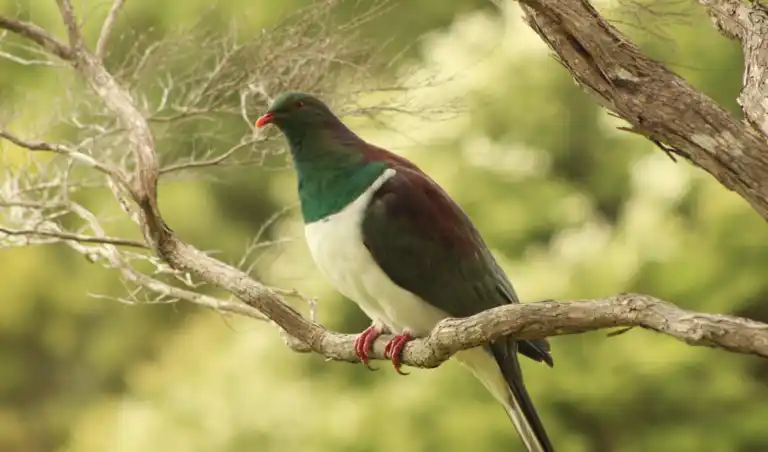
The Wood pigeon is a large distinctively-coloured pigeon, it is easy to find on Waiheke due to its size, they are usually perched on powerlines or trees.
Sacred Kingfisher

Sacred Kingfisher

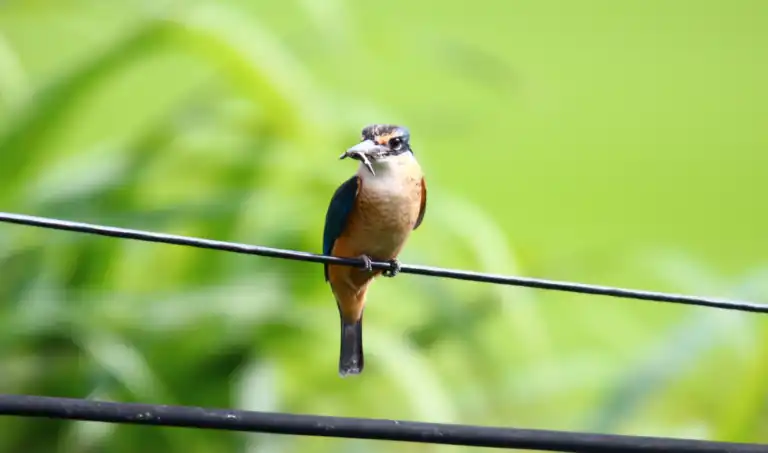
The sacred kingfisher is a distinctive bird with a green-blue back, buff to yellow undersides and a large black bill. they can be found nearby tidal beaches on waiheke.
Little Shag

Little Shag

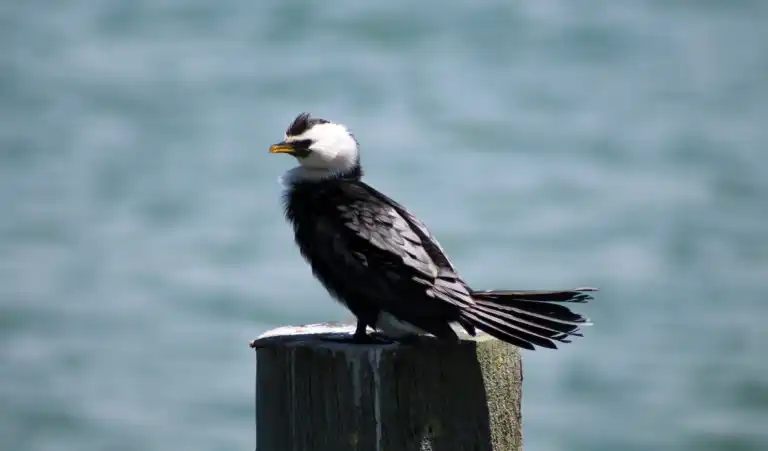
The little shag is a small shag, with a short yellow bill, black feet, a relatively long tail, usually spotted in the ocean searching for food or hanging around Waiheke…
Thrush

Thrush

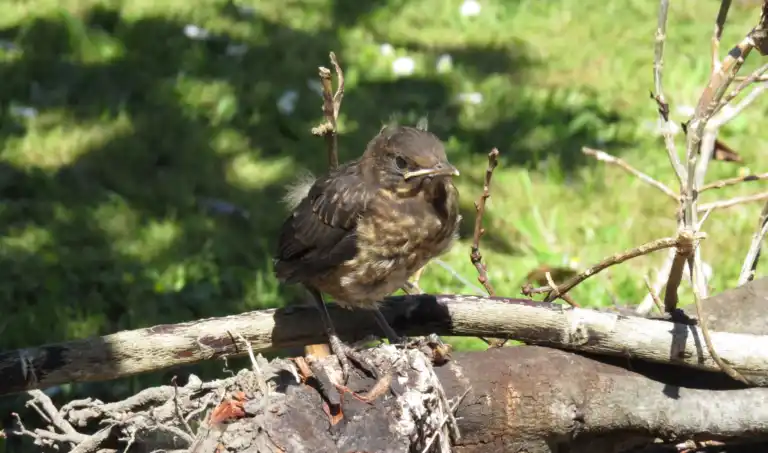
The thrush is a medium-sized songbird with a speckled brown-on-cream breast, usually heard before it is seen, found in grass reserves, gardens and trees on Waiheke.
Great black-backed gull

Great black-backed gull

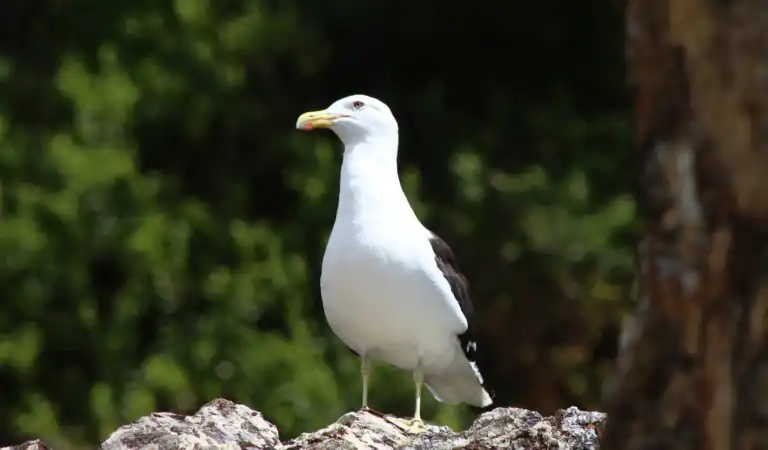
The Black-backed gull is a large black-and-white gull with a white head and underparts, black back, yellow bill with a red spot near the tip. Located on Waiheke beaches.
Variable Oyster Catcher

Variable Oyster Catcher

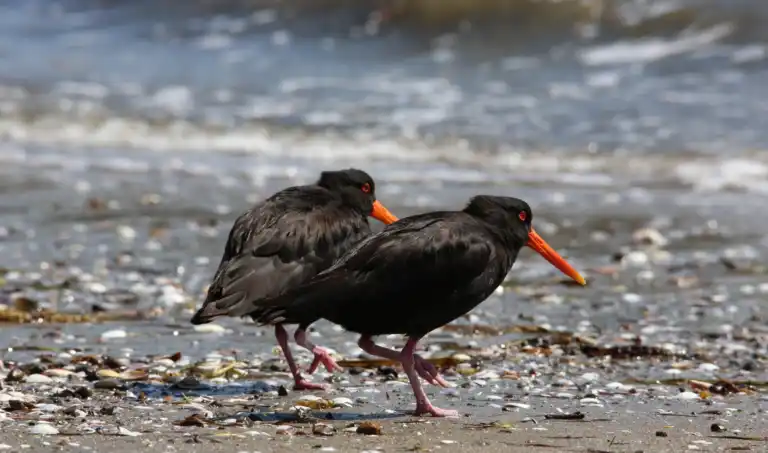
The variable oystercatcher is a stocky coastal bird with a long, bright orange bill, it is located on many quiet beaches such as Blackpool, Whakanewha and Anzac bay.
Red Billed Gull

Red Billed Gull

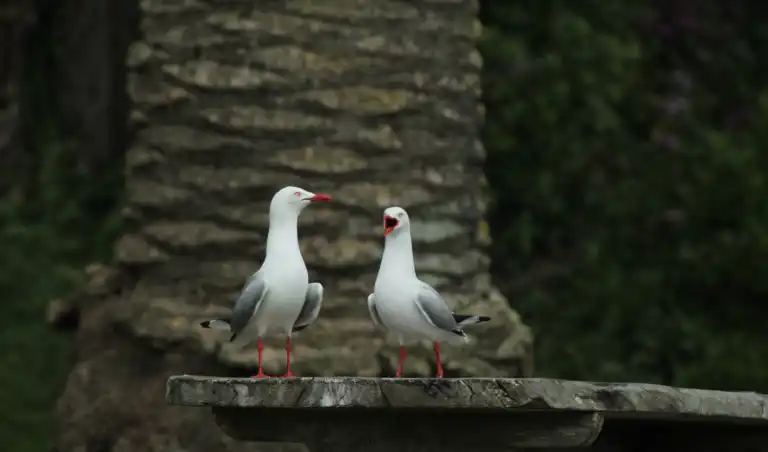
The red-billed gull also known as a "Seagull" is common around New Zealand Coasts. Located everywhere on Waiheke beaches where food or bait is readily accessible.
White Faced Heron

White Faced Heron

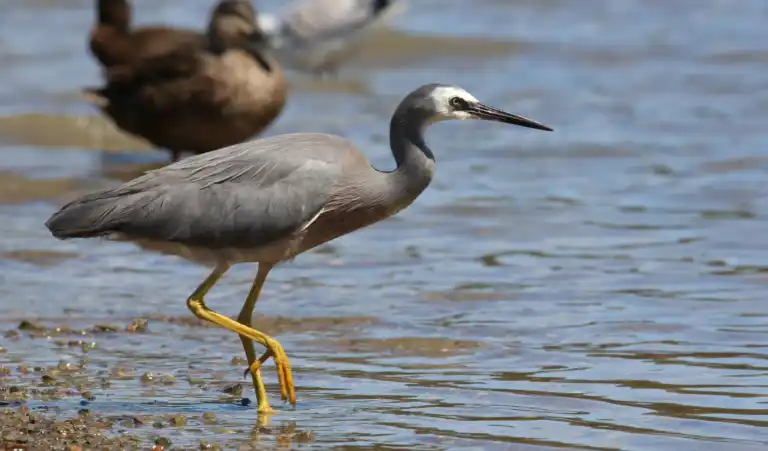
The white-faced heron is a tall, elegant, blue-grey bird usually spotted stalking prey. Locations found on Waiheke are Mangroves, Anzac bay and quiet beaches.
Black Bird

Black Bird

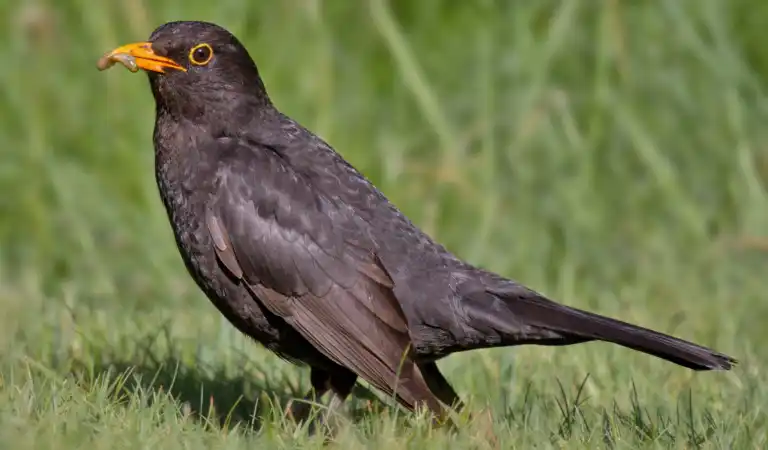
The black bird is a medium-sized songbird that is entirely black in adult males with a yellow bill. Abundantly found on Waiheke around household properties and trees.
Magpie

Magpie

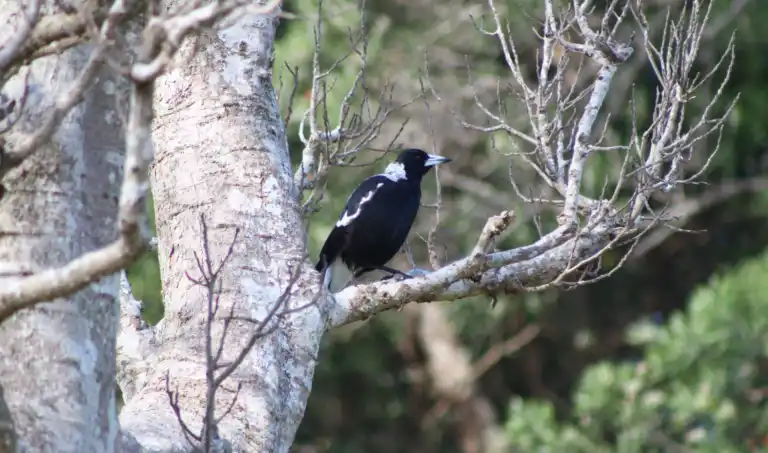
The Magpie is a large black-and-white songbird, It was introduced from Australia. It can be found on Waiheke around farmland and large grass reserves.
Bar-tailed Godwit

Bar-tailed Godwit

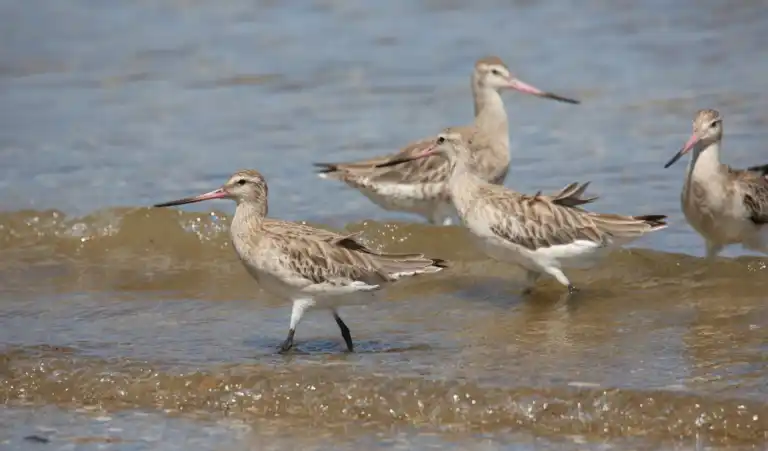
The Godwit is a migrant from Alaska, they fly 8-9 days straight to arrive in NZ. They can be found on Waiheke from September - March located at Blackpool.
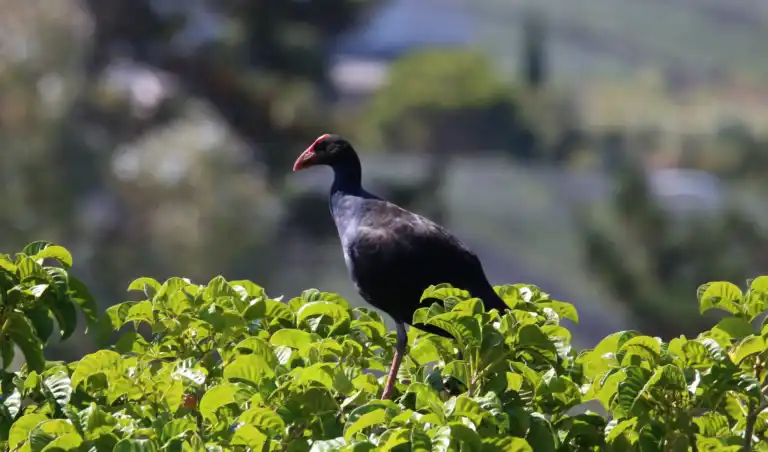
Pūkeko

Pūkeko

The Pukeko is a large relatively compact rail with a deep blue-violet head, breast and throat and a red bill. Found in swamp/Mangrove areas of Waiheke Island.
Australasian Gannet

Australasian Gannet

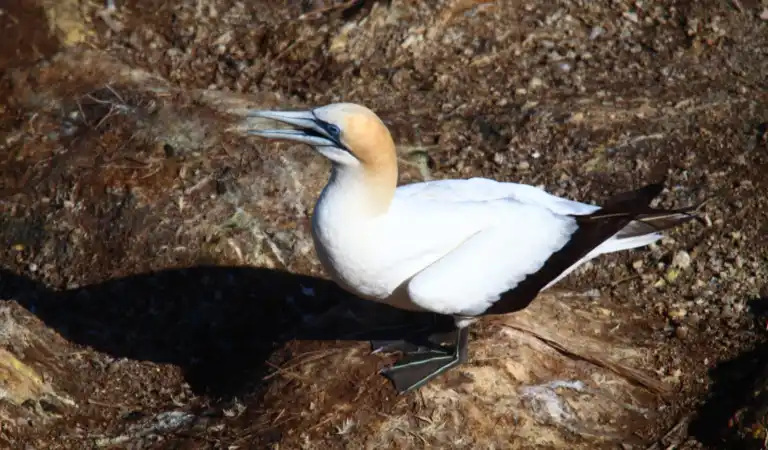
The gannet is a large slender-bodied seabird with mainly white plumage, buff-yellow head and neck. Occassionally seen around Waiheke searching for food in ocean depths.
White-Eye

White-Eye

A small songbird, immediately recognisable by its distinctive white eye-ring. This quick little bird can be found feeding off flax and kowhais or fruit trees on Waiheke.
Pied Stilt

Pied Stilt

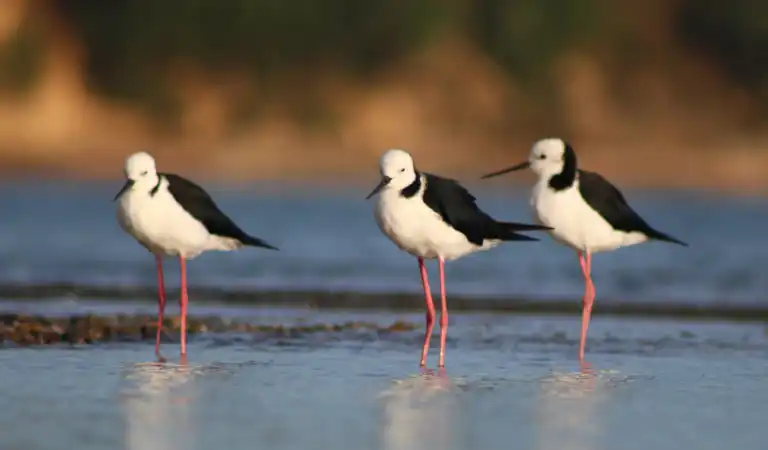
The pied stilt is a dainty wading bird, It is common at wetlands and coastal areas, found on Waiheke at Putiki Bay, Anzac Bay and Blackpool.
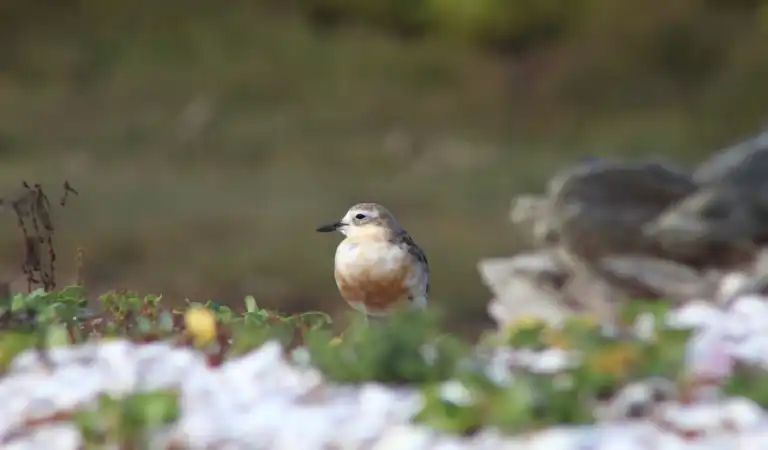
NZ Dotterel

NZ Dotterel

The New Zealand Dotterel is a shorebird which breeds on beaches in NZ's North Island. Locations found on Waiheke are Whakanewha, Anzac Bay and Blackpool.
Common Myna

Common Myna

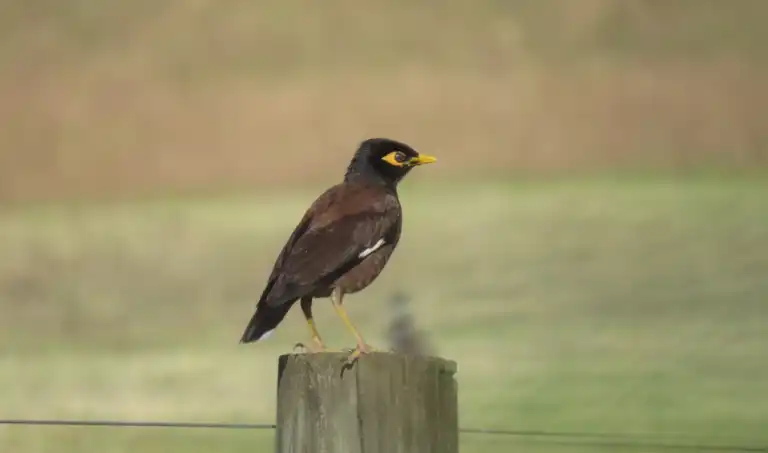
Mynas are stocky brown birds with a shiny black head and shoulders. Commonly found on road sides on Waiheke, usually playing chicken with cars while foraging for food.
White Fronted Tern

White Fronted Tern

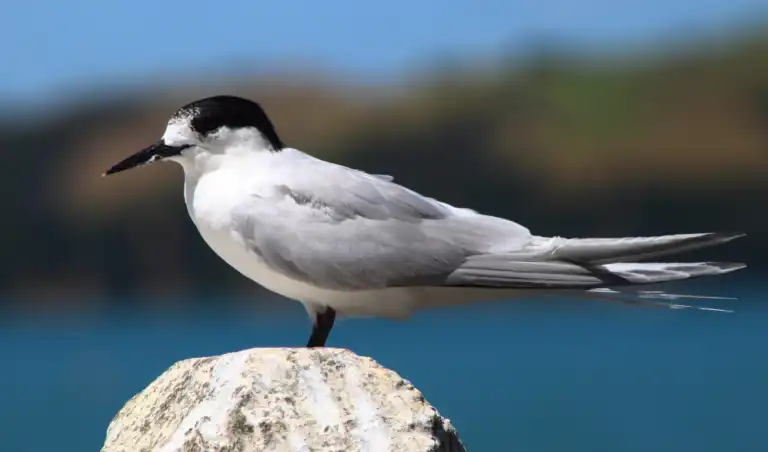
The white-fronted tern is a medium-sized, long-tailed sea tern commonly around New Zealand coasts. Spotted congregating on Waiheke wharfs such as Matiatia and Orapiu.
Pied Shag

Pied Shag

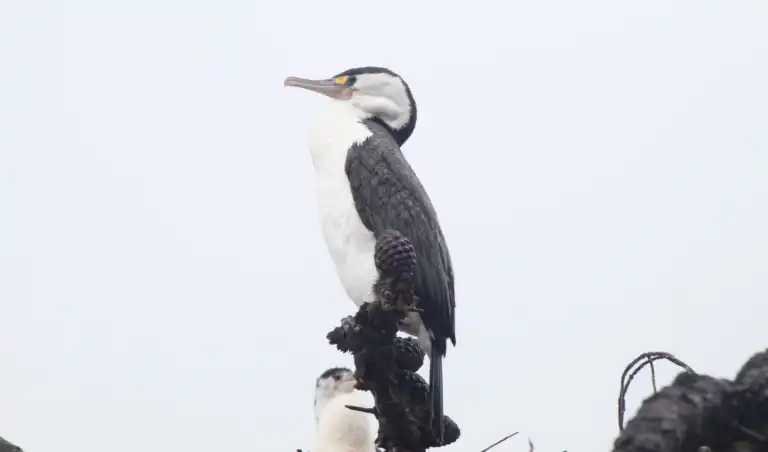
This large black-and-white shag is often seen individually or in a group, usually spotted in the ocean searching for food or hanging around fisherman by the rocks of Waiheke.
Grey Warbler

Grey Warbler

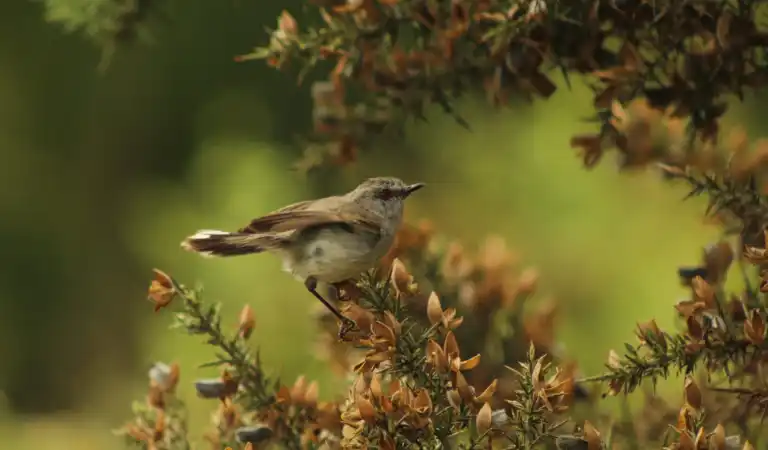
The Grey Warbler is a tiny olive-grey song bird often heard before seen. Locations on Waiheke are dense woody vegetations. The warbler can be difficult to spot.

Breeding

Pairs are monogamous and territorial when breeding.

Nesting takes place between August-September and February, peaking in September – November in most localities.

Nests are a well-built, delicate cup woven into small branches and comprising moss, lichen, small fine twigs, hair, spider web and thistledown. Nest are located in branches of trees, shrubs and treeferns, mostly more than 8 metres above the ground.

One or both sexes build nests.

Eggs are pale blue and laid at 24 hour intervals. Two or three clutches may be raised during a season, with 2-4 eggs per clutch (typically 3).

Young are blind and naked when hatched apart from two tiny tufts of down on the head. Their eyes open after 4 days, they are well-feathered 10 days after hatching, and fledge at 9-11 days-old.

Food

White Eyes are not picky eaters they eat a range of small insects such as aphids, caterpillars and flies, also spiders, gleaned from shrubs and trees.

They also feed on a range of small and large fruits including small berries and ripening fruit including grapes, cherries, apples, pears, figs, apricots and peaches aswell as feeding on nectar of native and exotic plants including kowhai, fuchsia, eucalypts and bottlebrushes. They will visit bird feeders more than any other species.

Waiheke Locations

Fruit trees – Many Waiheke properties are full of fruit trees. Most fruit trees produce fruit in spring/summer so watch out for the White Eyes.

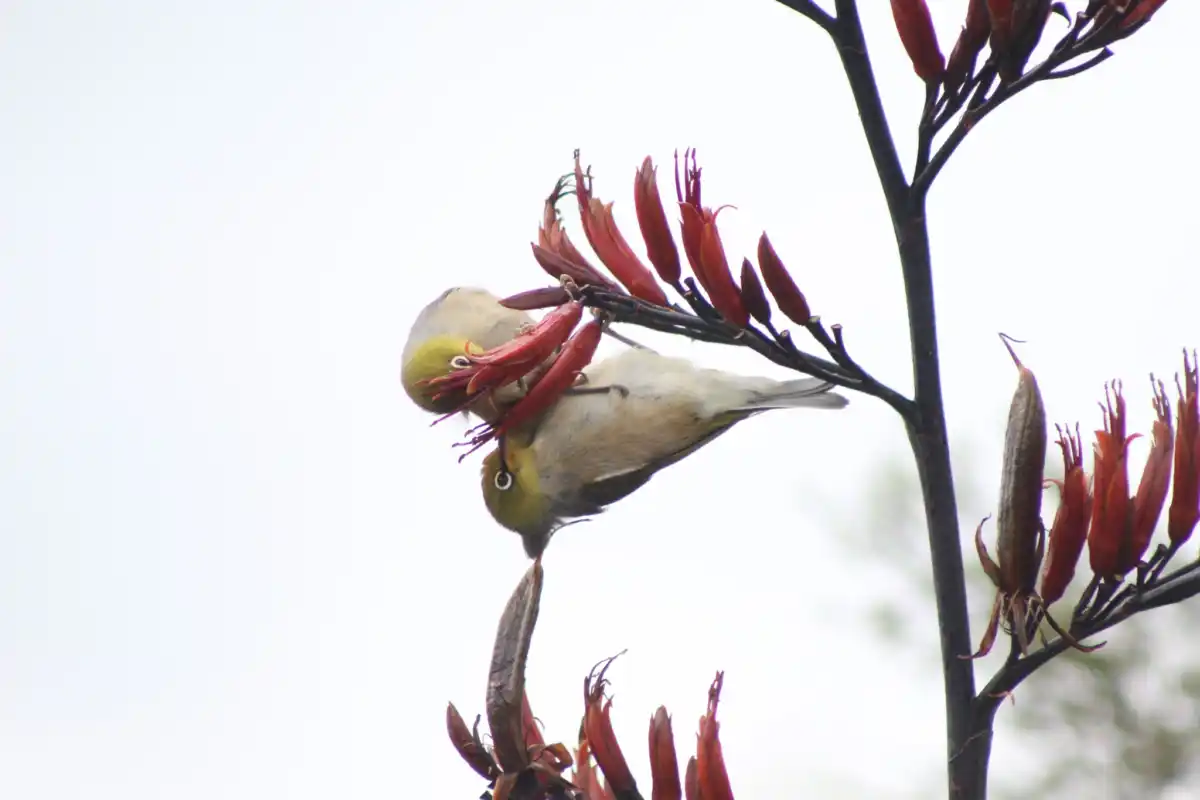
Flaxed areas – White Eyes feed on the nectar off flax flowers if there flax flowers are out you will most likely see them competing with the Tui.

Kowhai trees – White Eyes feed on nectar from Kowhai flowers when in bloom. Waiheke have many kowhais located around the island.

The White-Eye are flying birds so they can really be anywhere on Waiheke but not just Waiheke they are all over New Zealand, these are just areas I’ve spotted them and photographed.

References

https://www.nzbirdsonline.org.nz/ (Website used for journalistic purposes)

Gallery
Featured Pages