Identification
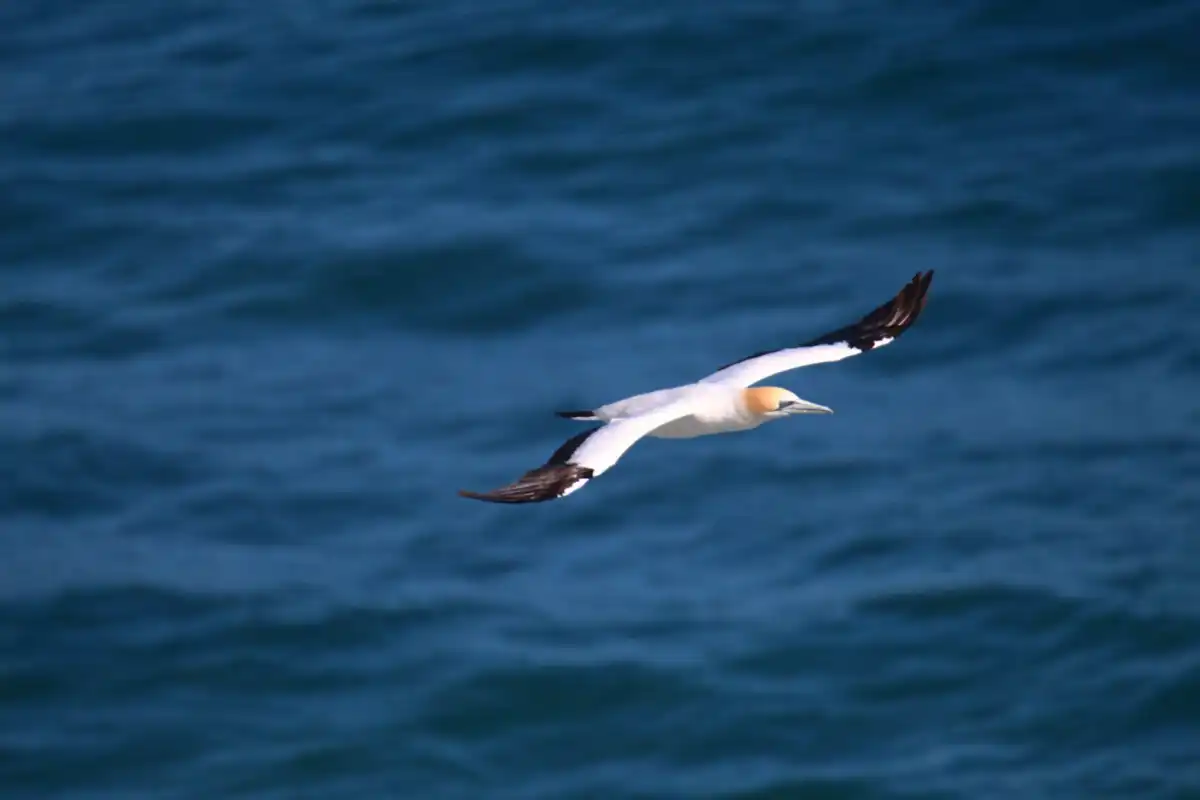
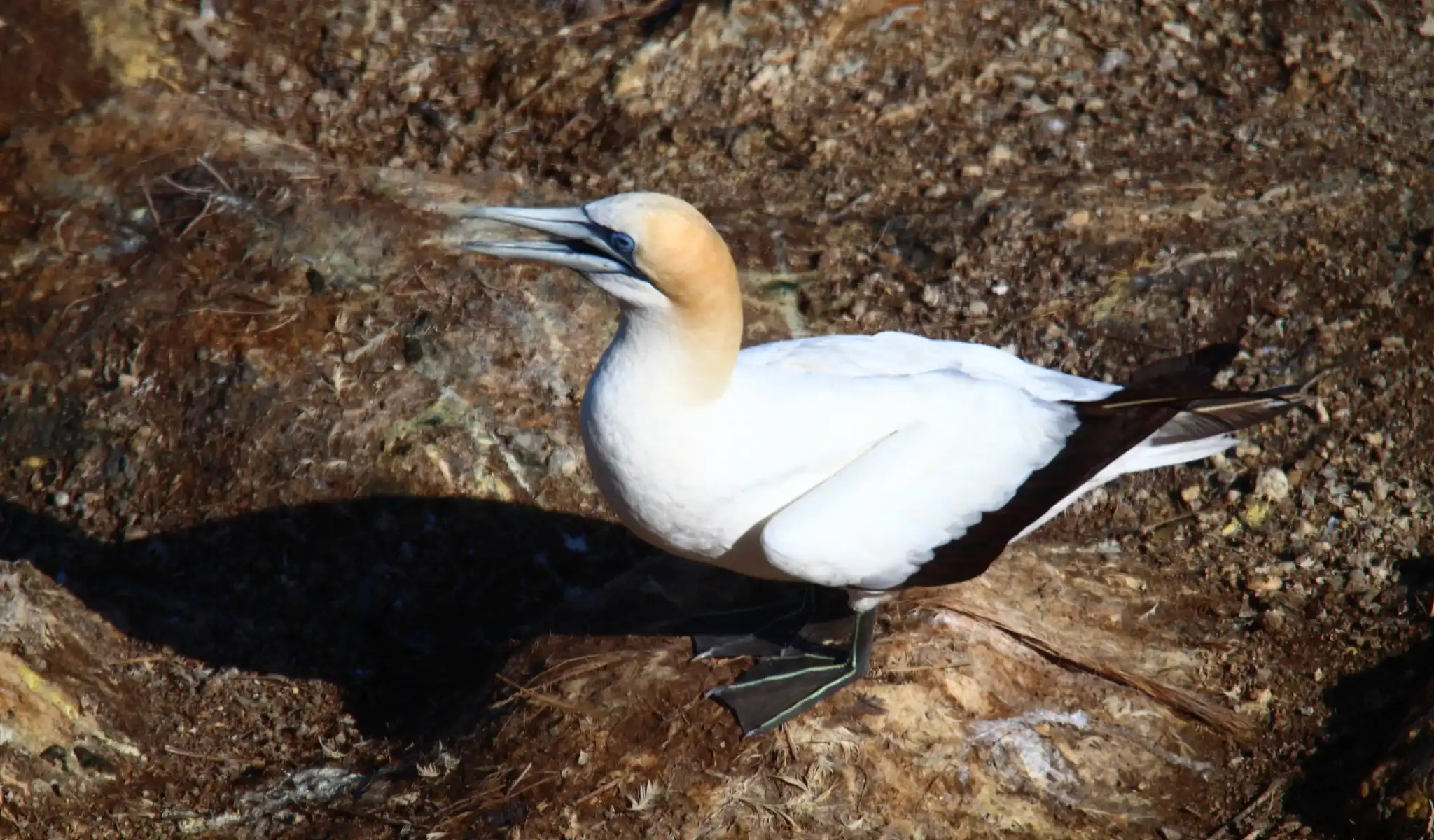
The gannet is a large slender-bodied seabird with mainly white plumage, buff-yellow head and neck. Occassionally seen around Waiheke searching for food in ocean depths.
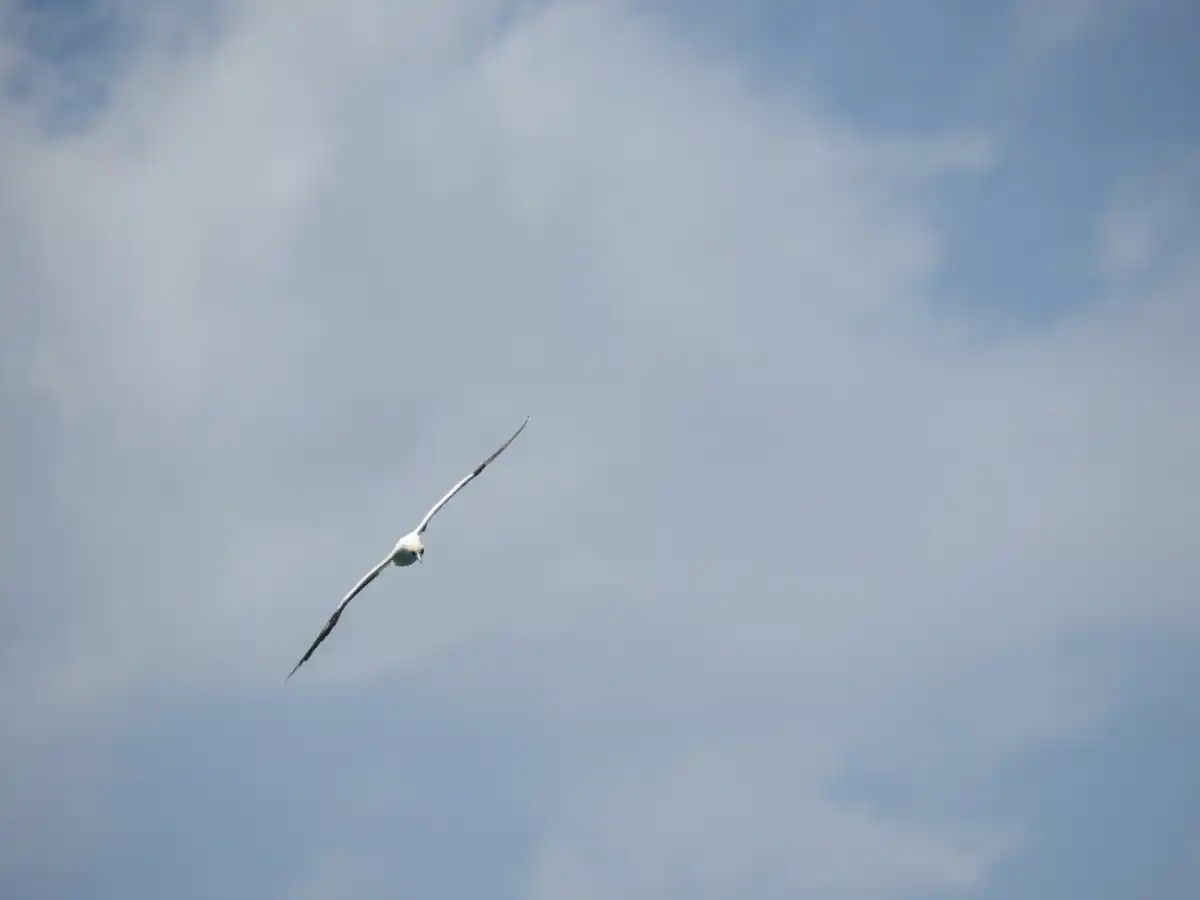
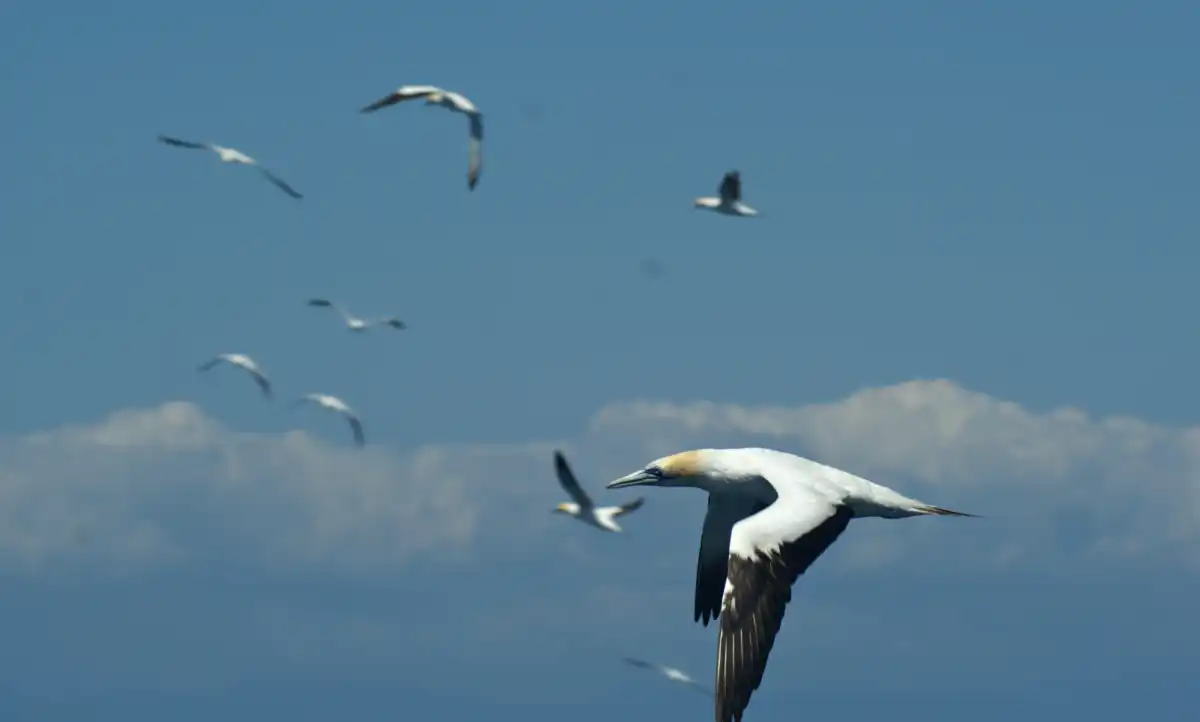
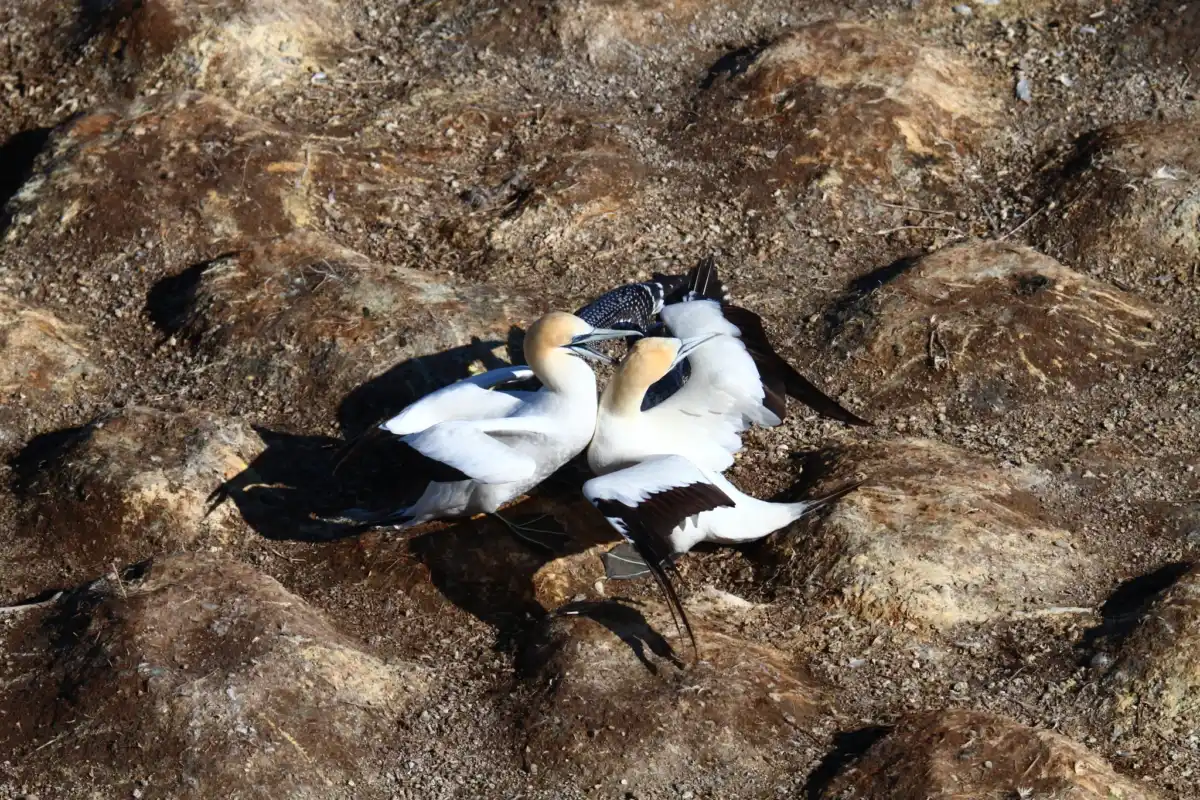
The Australasian gannet has a wingspan of 1.8 m. It is a large, mostly coastal seabird with predominantly white plumage, long, pointed wings, a long neck and slender body shape. The trailing edges of its wings and a varying proportion of its central tail feathers are black. The wedge-shaped bill is bluish-grey, with a lining of black; the skin surrounding the eye is intensely blue. The head plumage is buff-yellow, which extends down the neck.
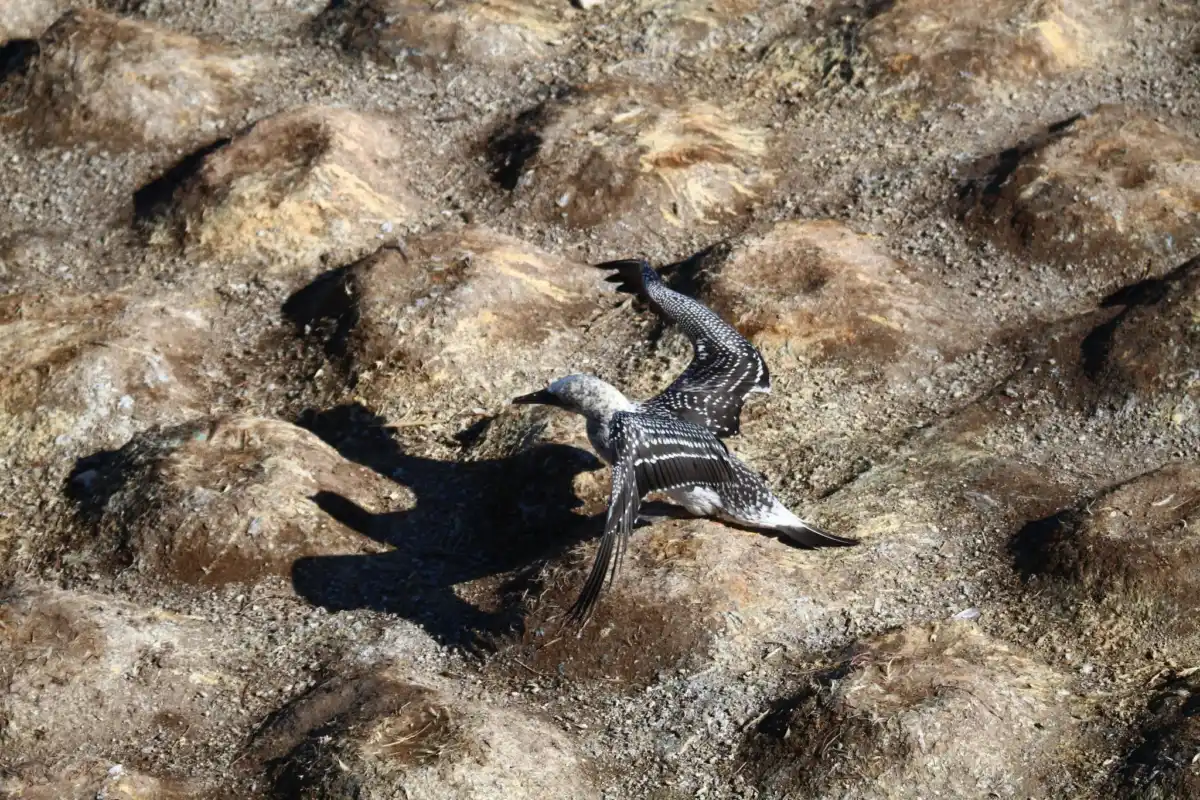
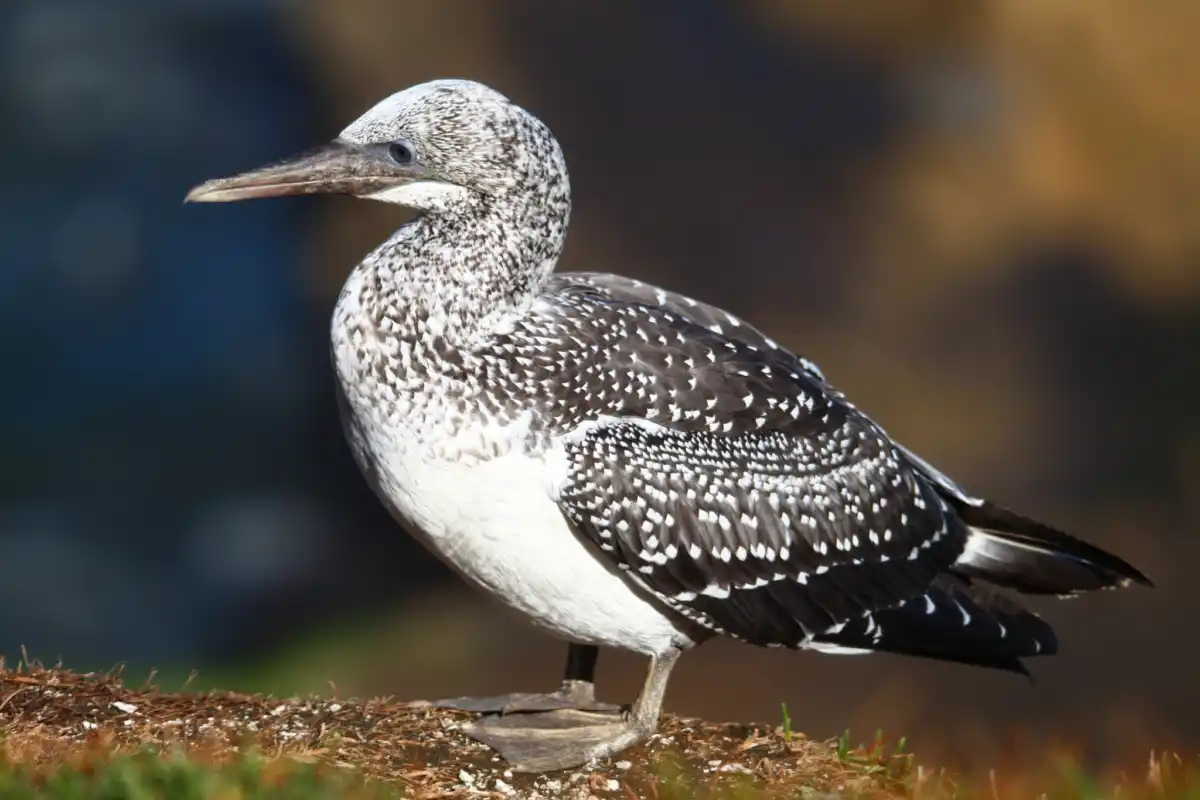
Juveniles have mottled dark brown and white plumage, and are separable from immatures, which gradually acquire more white over several moults, before acquiring full adult plumage when about 3 years old.
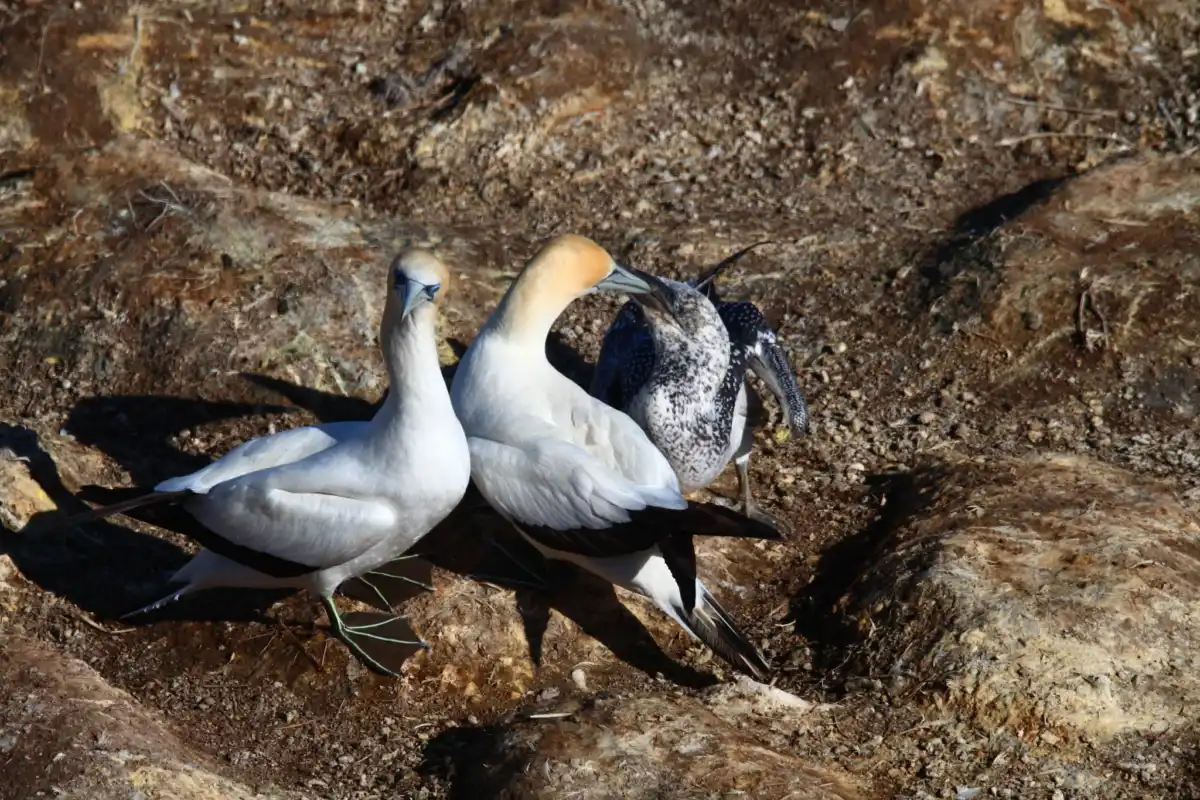
They have a distinctive call like ‘urrah urrah’ to announce landing, during territorial indication at the nest site, and during mutual bill fencing and bowing with the mate. Also an attenuated ‘oo-ah’ to indicate take-off. Both sexes’ calls are identical, with some locational and marked individual variation.
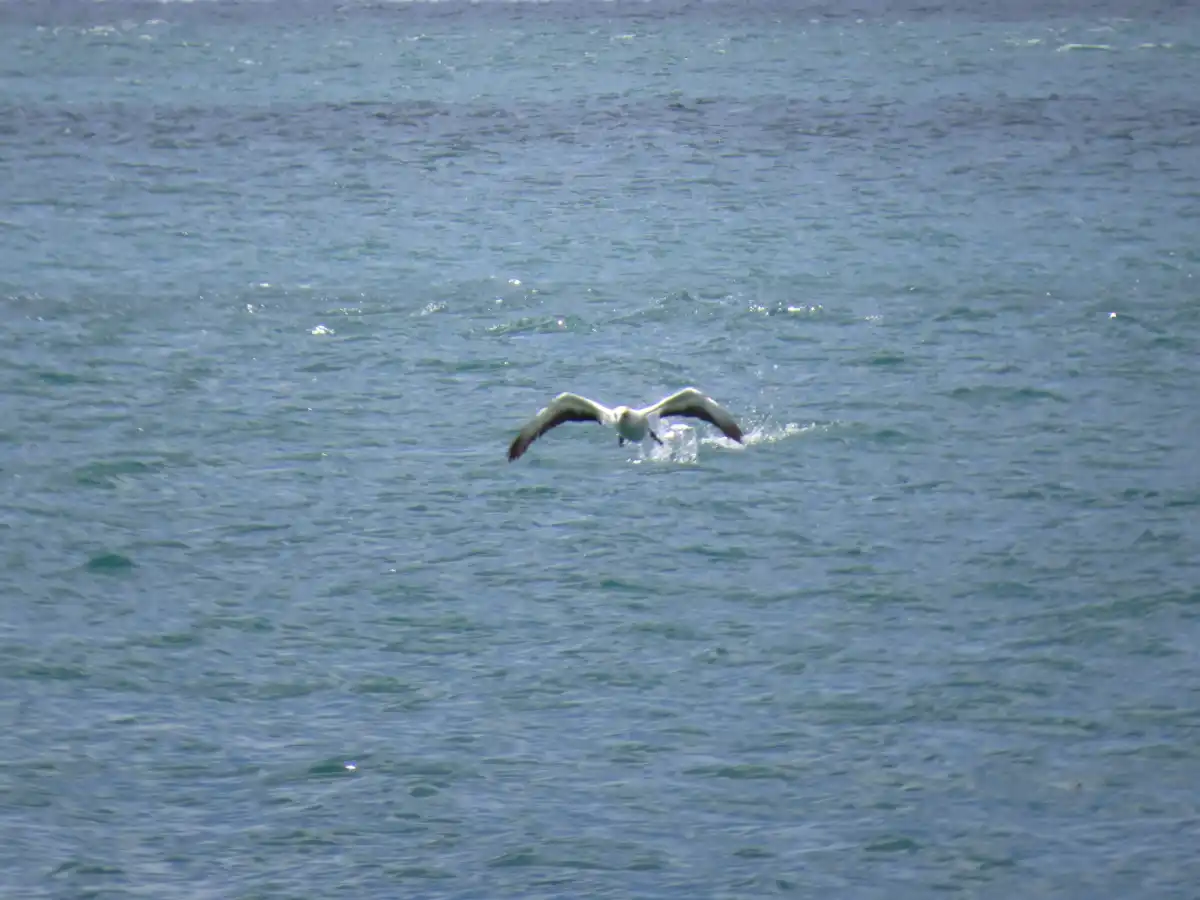
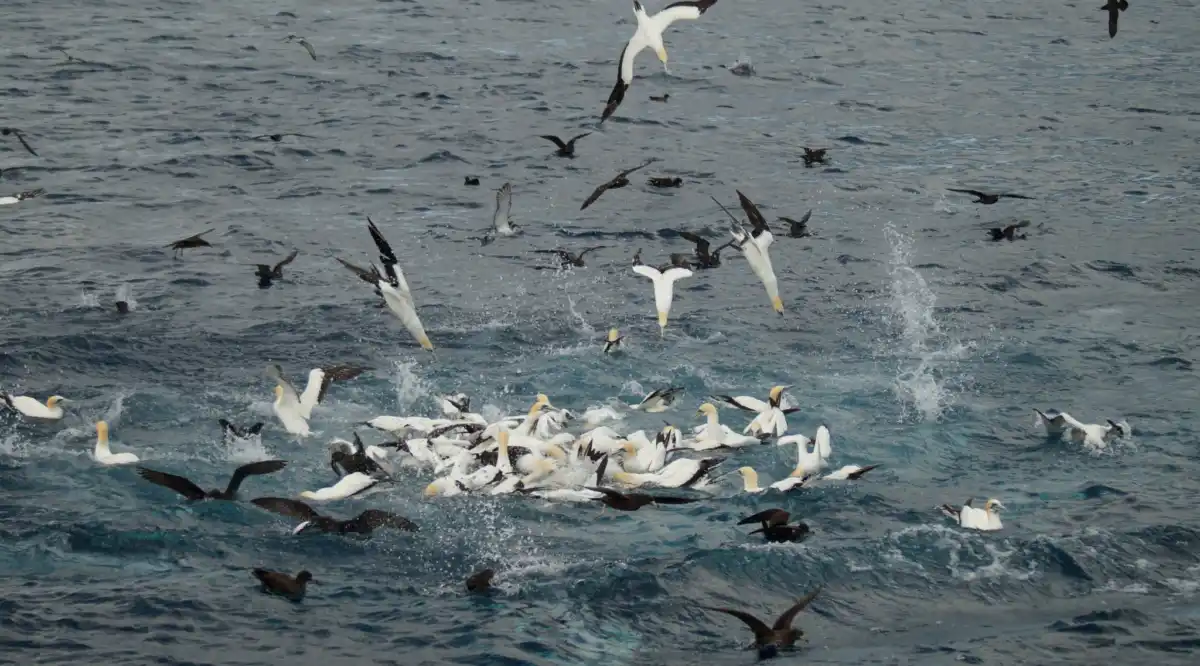
Characteristic behaviours at breeding colonies include mutual bill fencing and bowing of mates at the nest, the territorial headshake and bow at the nesting site, and sky-pointing as an indication of the intention to take flight. The torpedo-like plunge dive of gannets is a spectacular sight, particularly when large foraging flocks form over surface aggregations of fish.
Fledglings from New Zealand fly directly to Australia, and typically do not return to their home colonies until their third year.
You are more likely to get amazing photos of Gannets at the Muriwai breeding colony or at farewell spit then on Waiheke, they are usually way out of cameras reach.
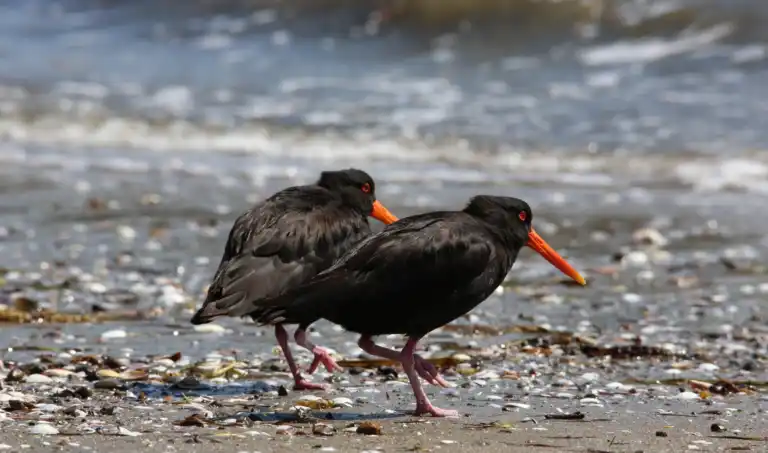
Variable Oyster Catcher
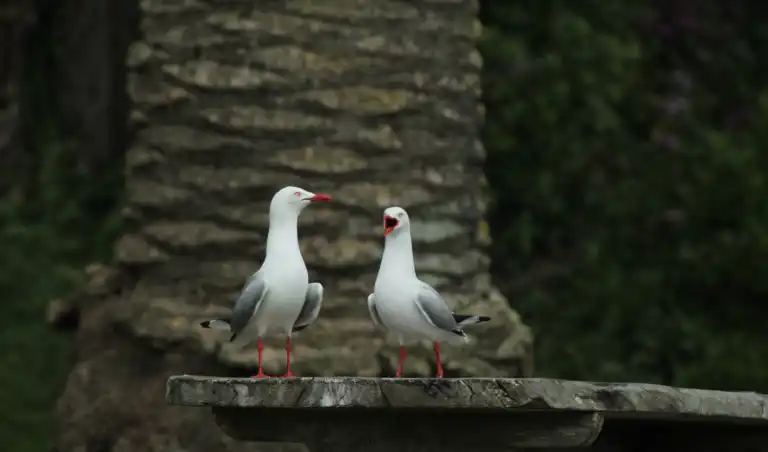
Red Billed Gull
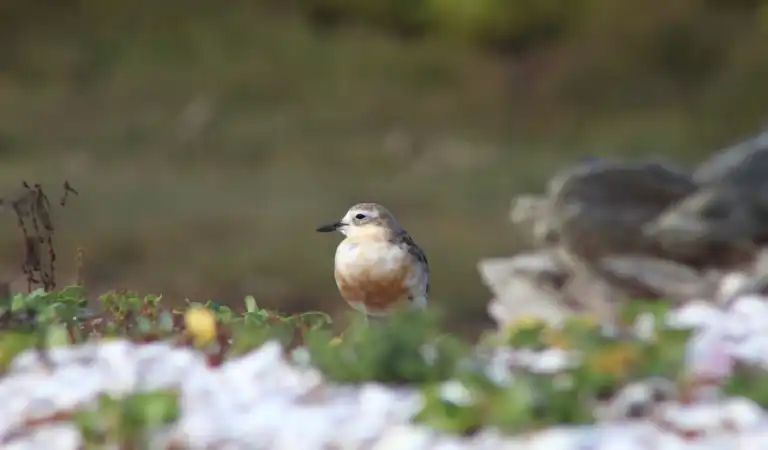
NZ Dotterel
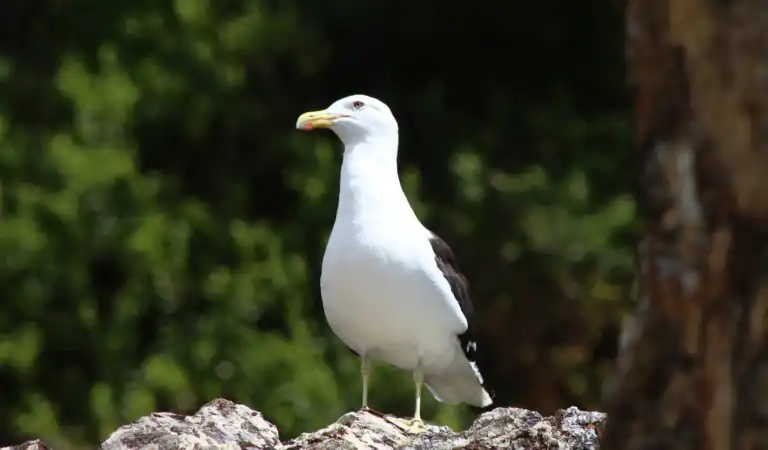
Great black-backed gull
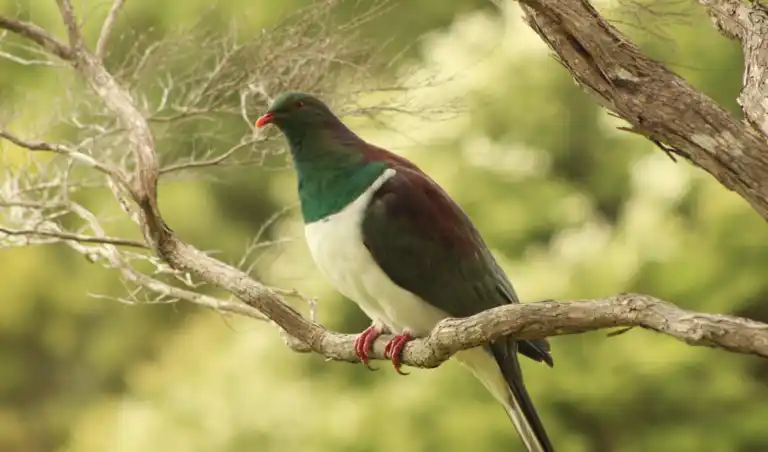
Wood Pigeon
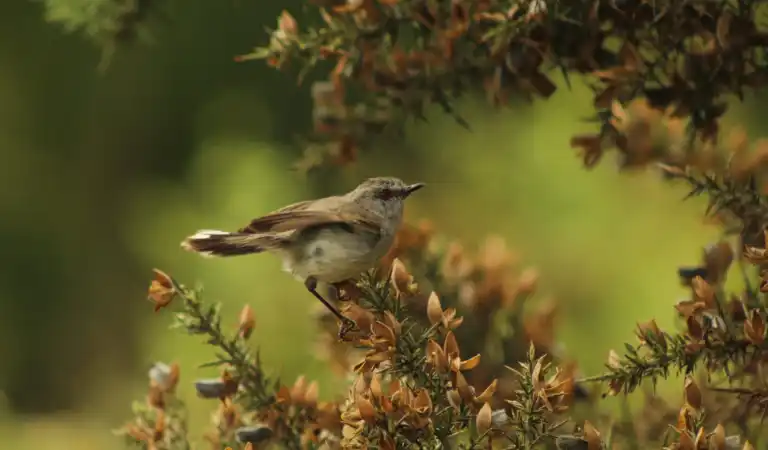
Grey Warbler
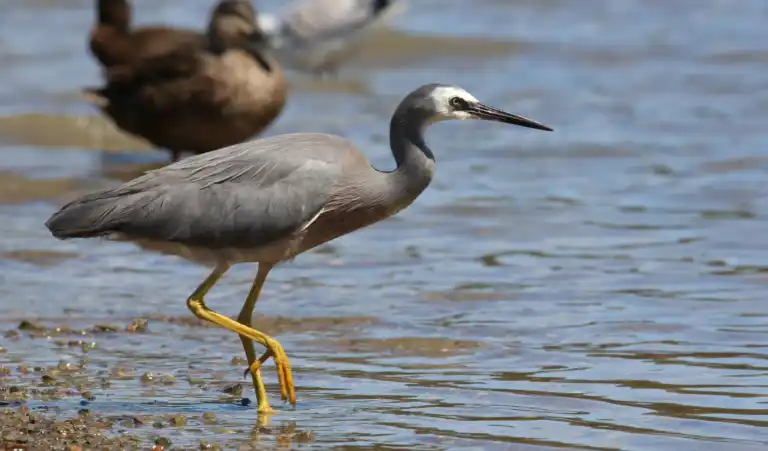
White Faced Heron
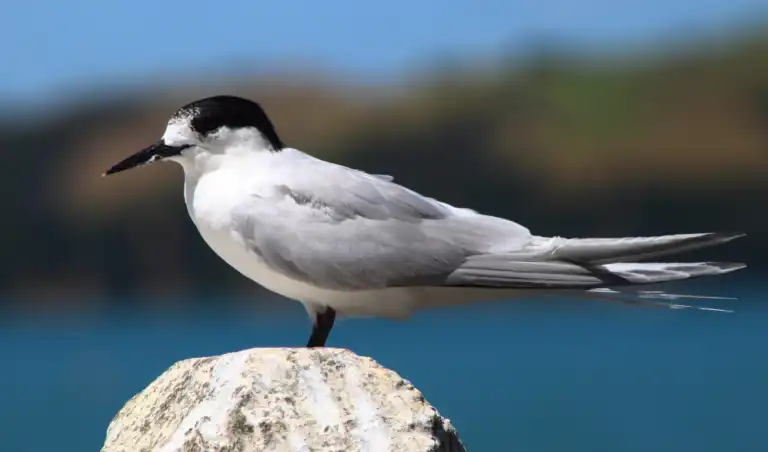
White Fronted Tern
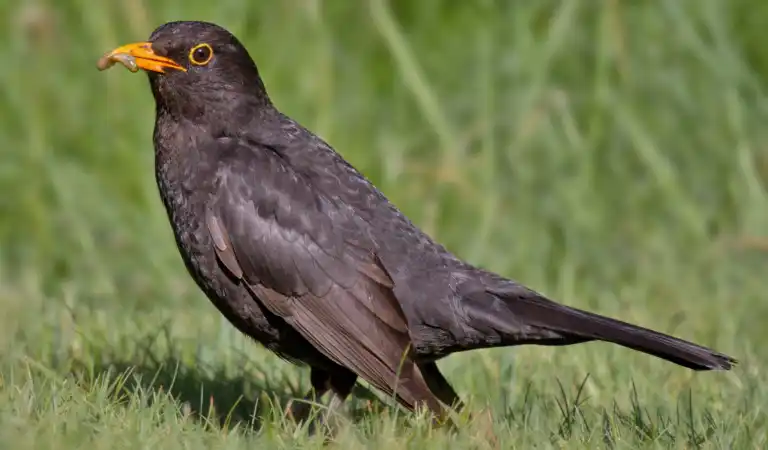
Black Bird
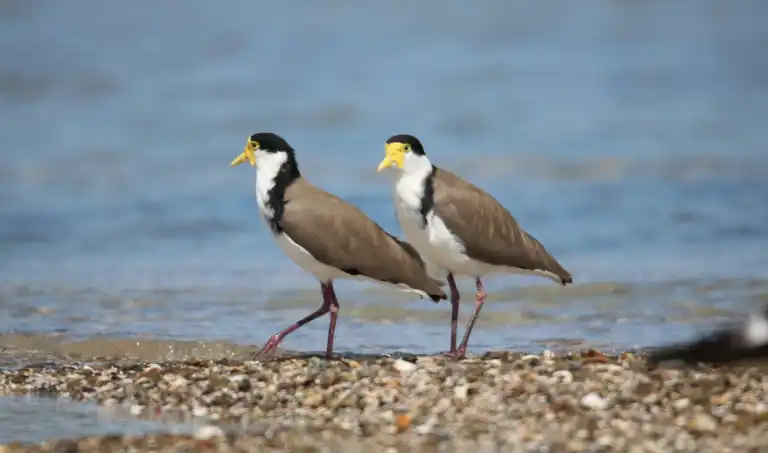
Spur-winged Plover
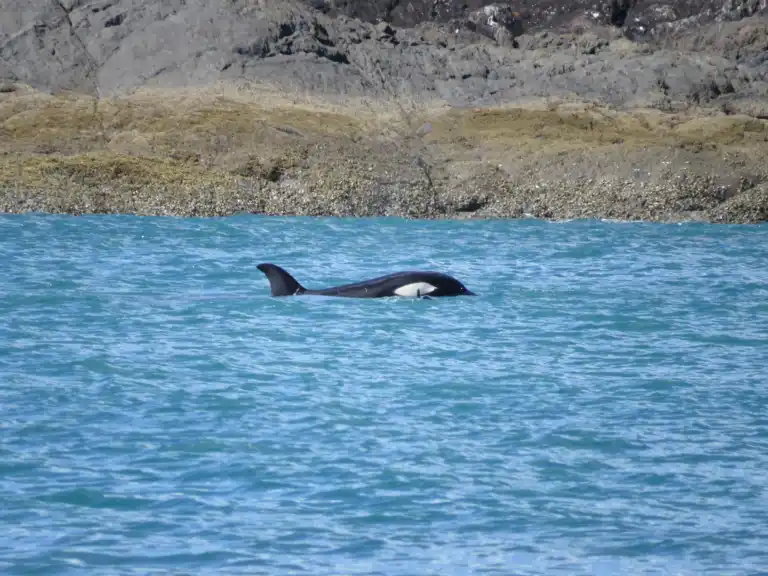
Orca
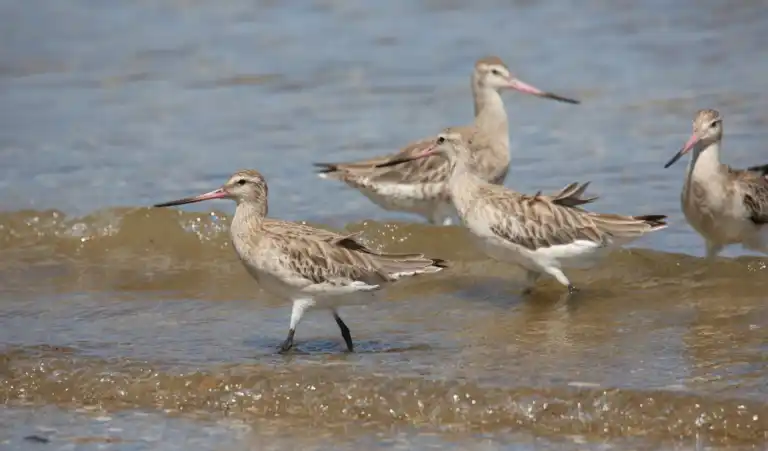
Bar-tailed Godwit
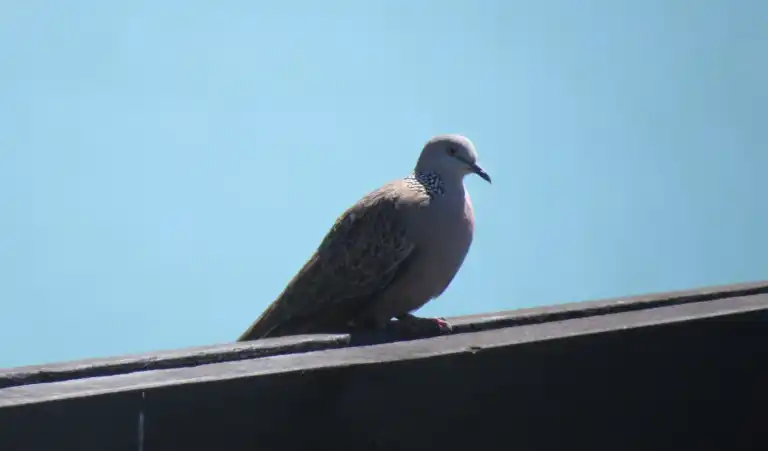
Spotted Turtle Dove
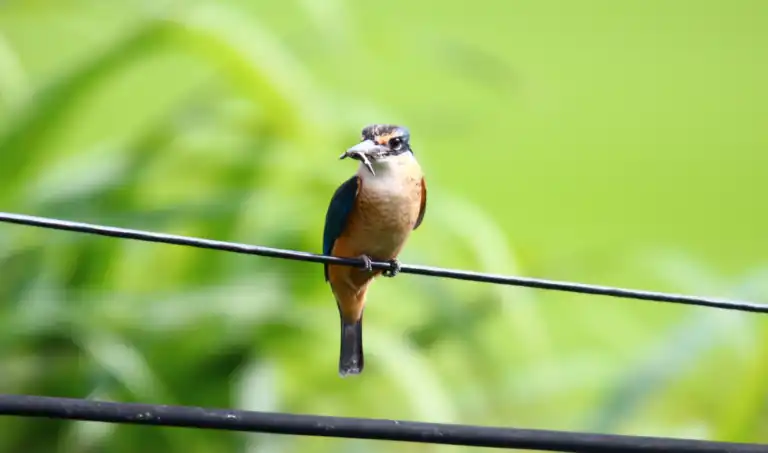
Sacred Kingfisher
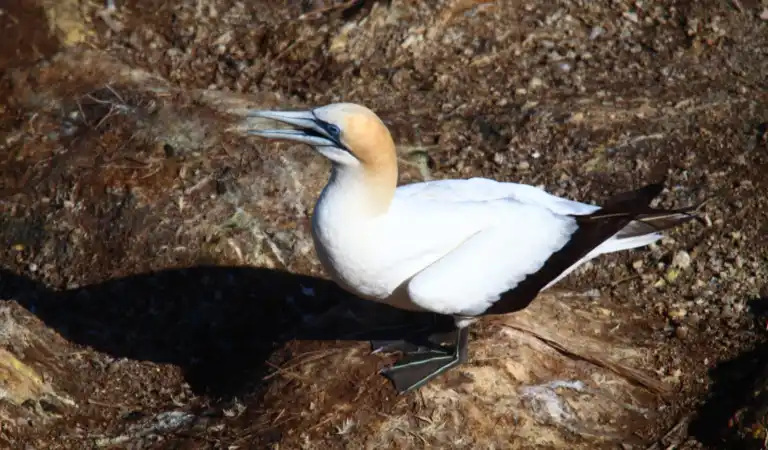
Australasian Gannet
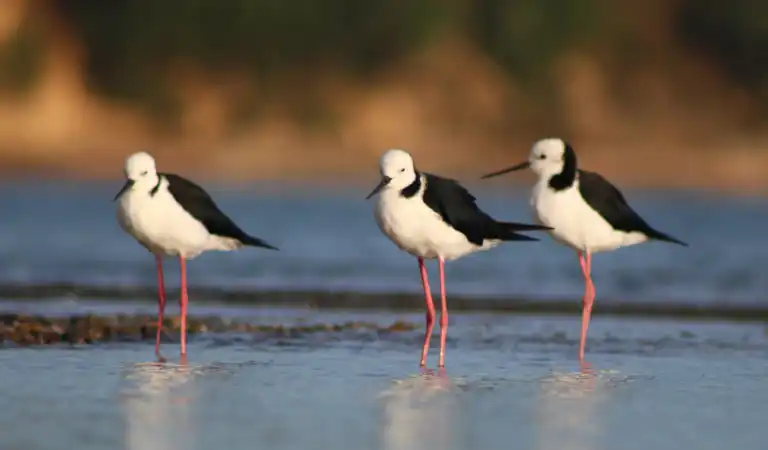
Pied Stilt
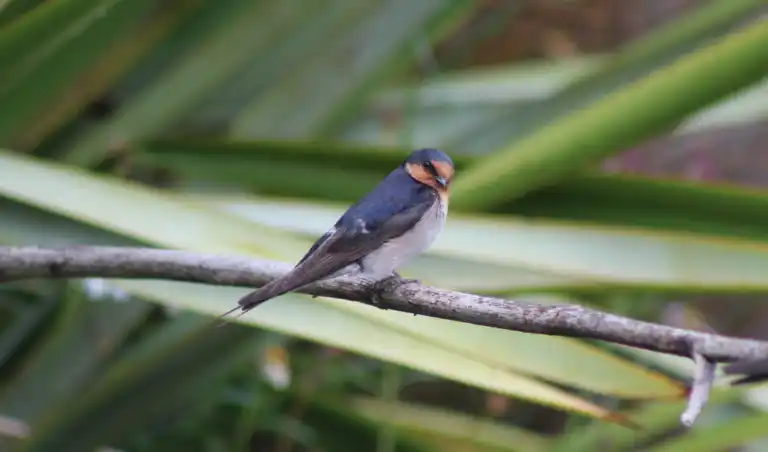
Welcome Swallow
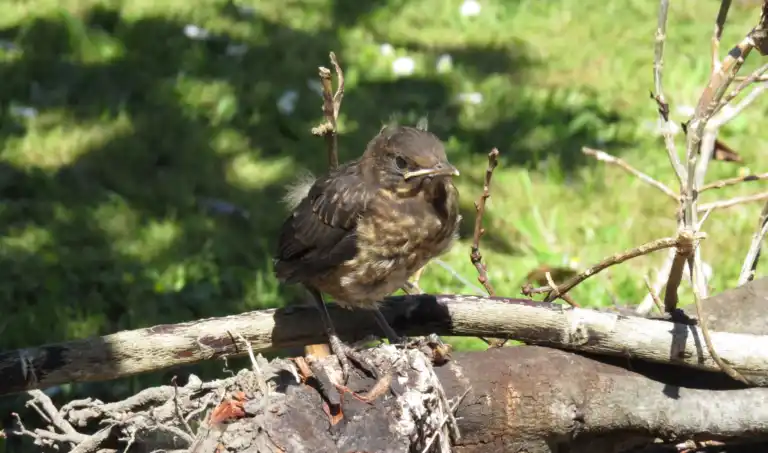
Thrush
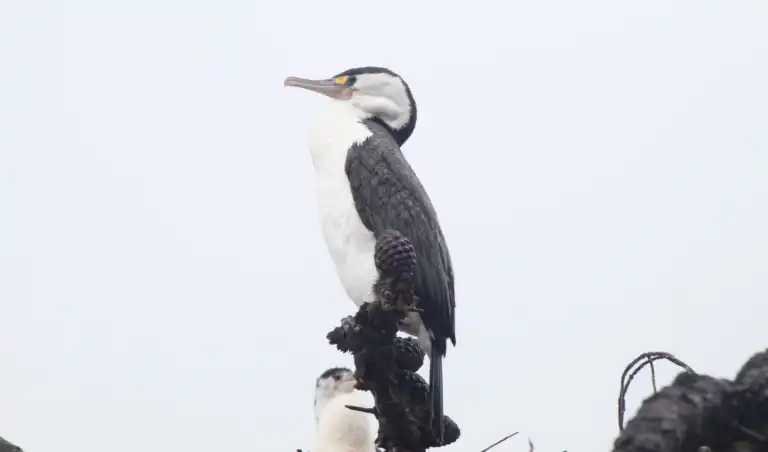
Pied Shag
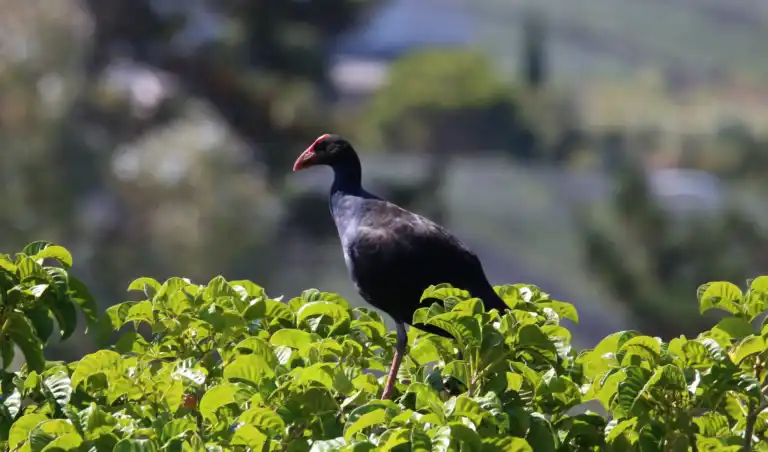
Pūkeko
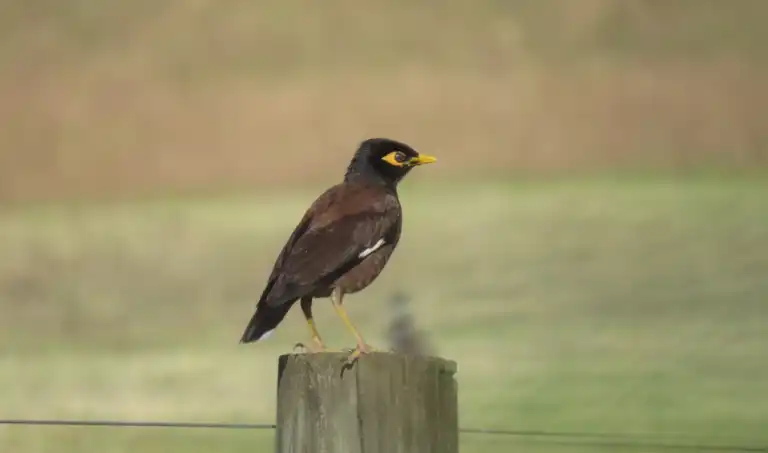
Common Myna
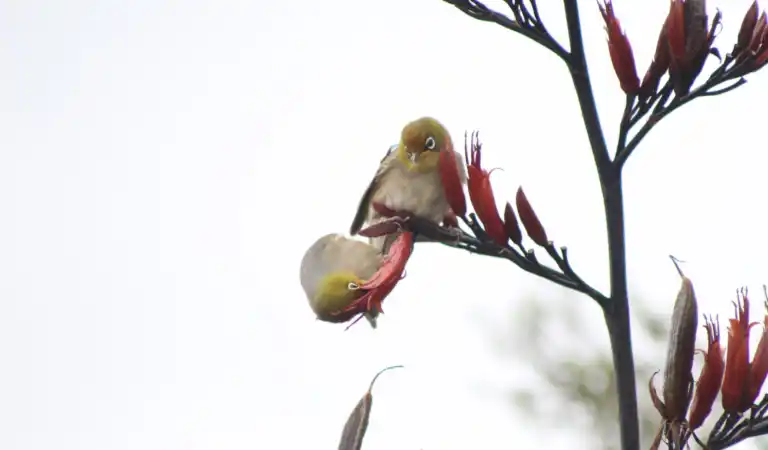
White-Eye
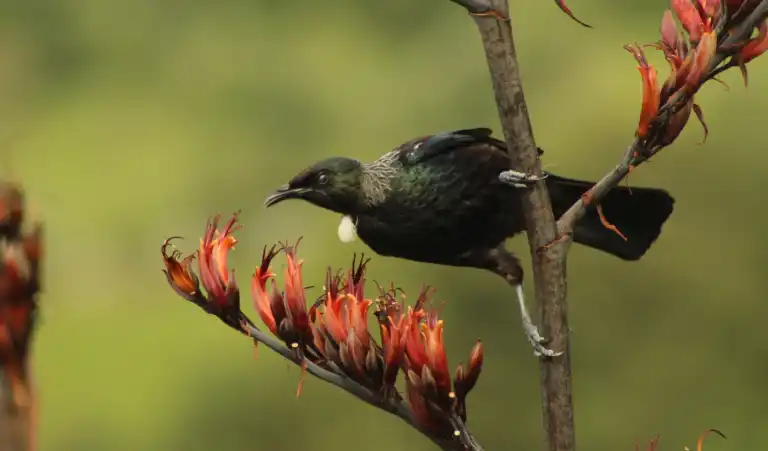
Tui
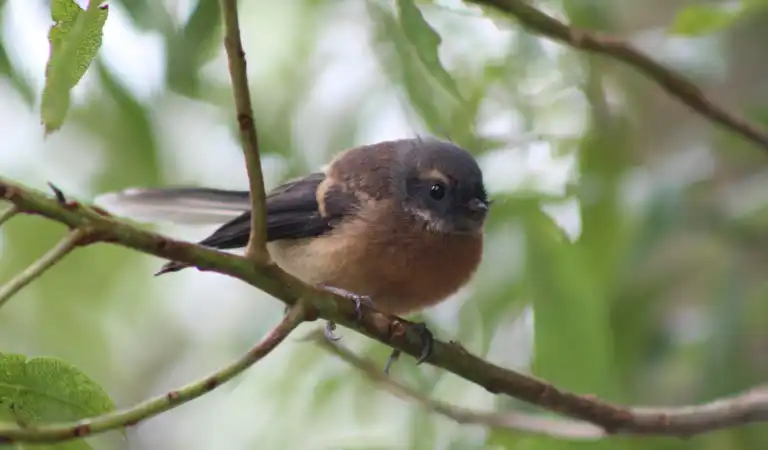
Fantail
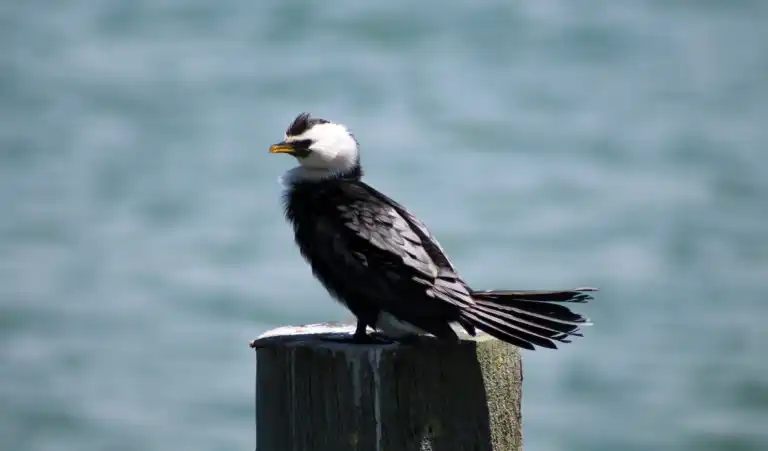
Little Shag
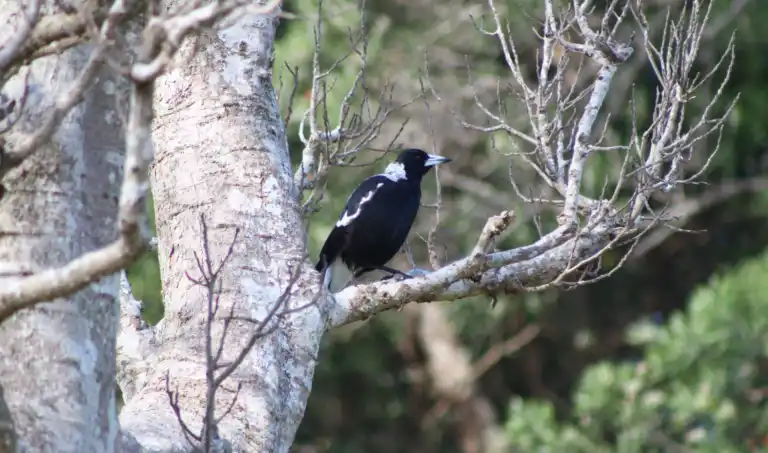
Magpie
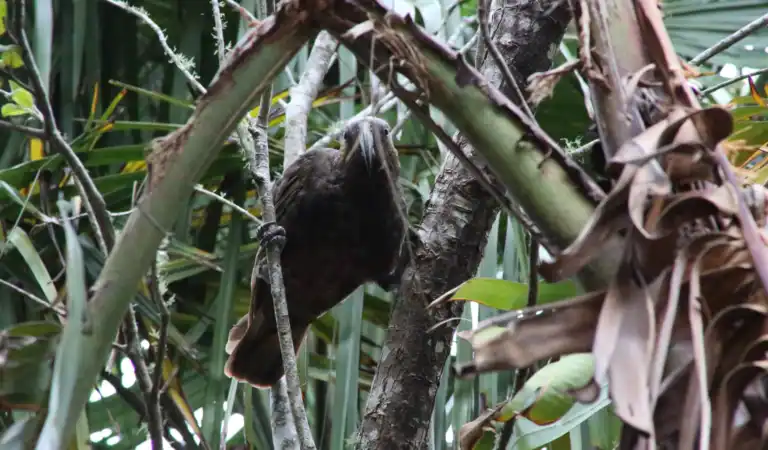
Kaka
Breeding
Australasian gannets nest in dense breeding colonies on the New Zealand mainland and coastal rocks and islands.
They prefer flat ground for nesting, rather than cliff ledges. Breeding colonies are mostly situated at sites that are completely or largely surrounded by the sea, i.e. on islands or headlands.
Nest are a compact nest mound with a central shallow cup is accumulated from the surrounding soil where the terrain allows, cemented guano (Bird faeces), and diverse plant materials are integrated.
The breeding season extends from July, when birds first return to the gannetries, to fledging in March-April.
Breeding birds have their ritualised displays, they present seaweed to each other, the impressive greeting ceremonies and solo dances which are essential for maintaining ownership of the nest site and consequently the ability to rear a chick.
Males arrive earlier than females, and re-occupy or establish and defend a nest. From the onset of breeding, the male brings nesting material such as brown algae Carpophyllum, which he retrieves from the shallows.
Both members of the pair form and maintain the nest mound, particularly when the surrounding ground is soft from rain.
The single egg is produced during laying period that starts in August at Hauraki Gulf gannetries. A replacement egg can be laid within 4 weeks if the first egg is lost. Laying of replacement eggs can extend into January.
Eggs are incubated while being held between the webbings of the gannets’ feet. The Australasian gannet can only successfully incubate a single egg. Both sexes share the incubation duty, and later brood the chick on the top of their webbed feet. Feeds are delivered by both parents as incomplete regurgitations, which the chick receives by pushing its bill into the parents’ throats.
Australasian gannets often breed with the same partner over consecutive seasons. Some birds retain the same mate for the rest of their lives.
Food
Gannets mainly eat fish, particularly pilchards, Australian anchovies, barracouta, garfish, mackerel and horse mackerel. Other recorded prey includes New Zealand piper, saury, flying fish, yellow-eye mullet and also squid.
Waiheke Locations
Coastal waters – Gannets are not common on Waiheke but they do occasionally feed and fly around the island, they don’t breed though. Breeding colonies are found at Muriwai and Farewell Spit. You may also spot them feeding around whales or dolphins in the Hauraki Gulf if your in a boat.
The Gannet are flying birds so they can really be anywhere on Waiheke but not just Waiheke they are all over New Zealand, these are just areas I’ve spotted them and photographed. ( I got my photos from the Muriwai colony and some flying shots from Waiheke)
References
https://www.nzbirdsonline.org.nz/ (Website used for journalistic purposes)
Gallery