Identification
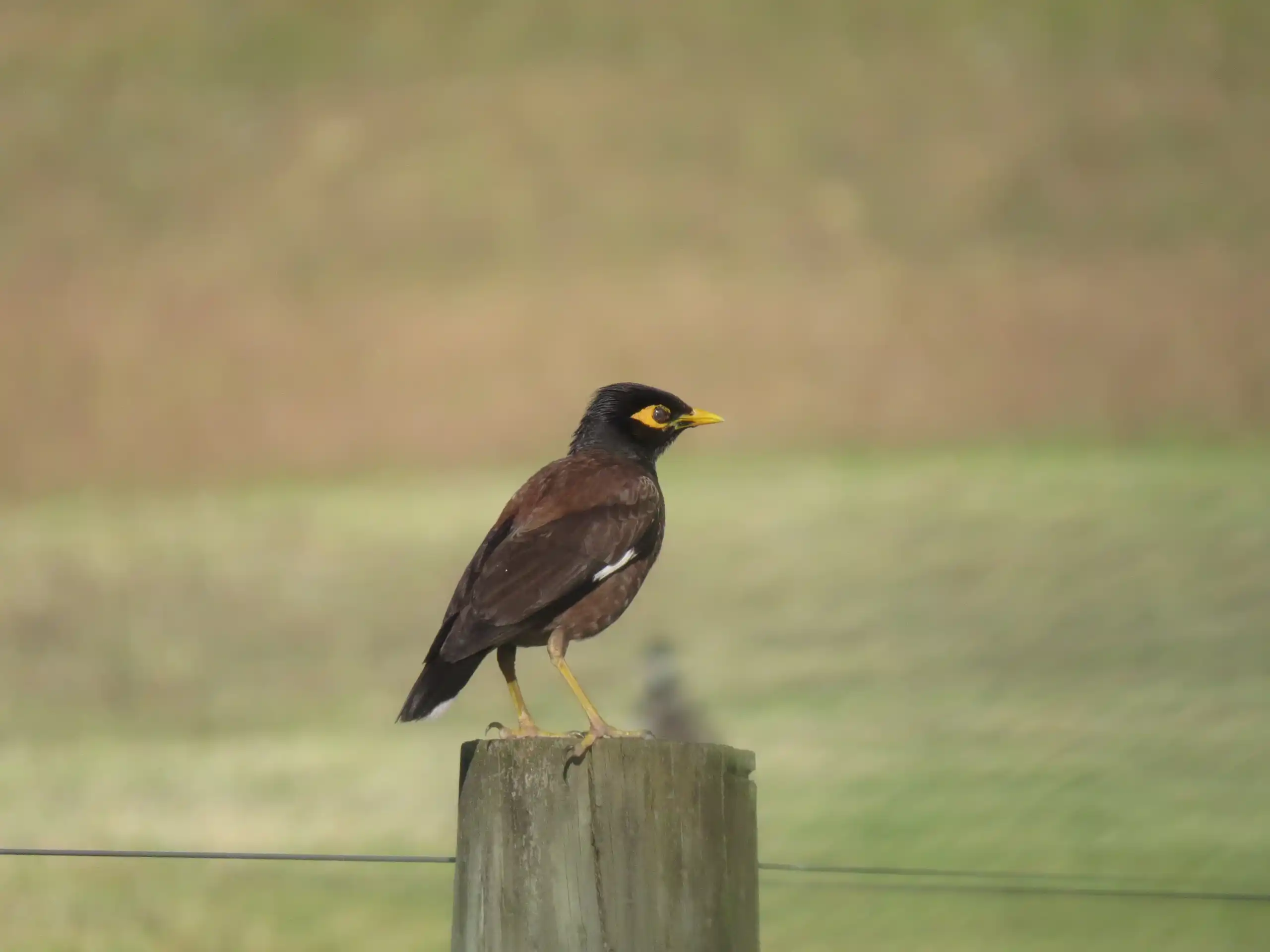
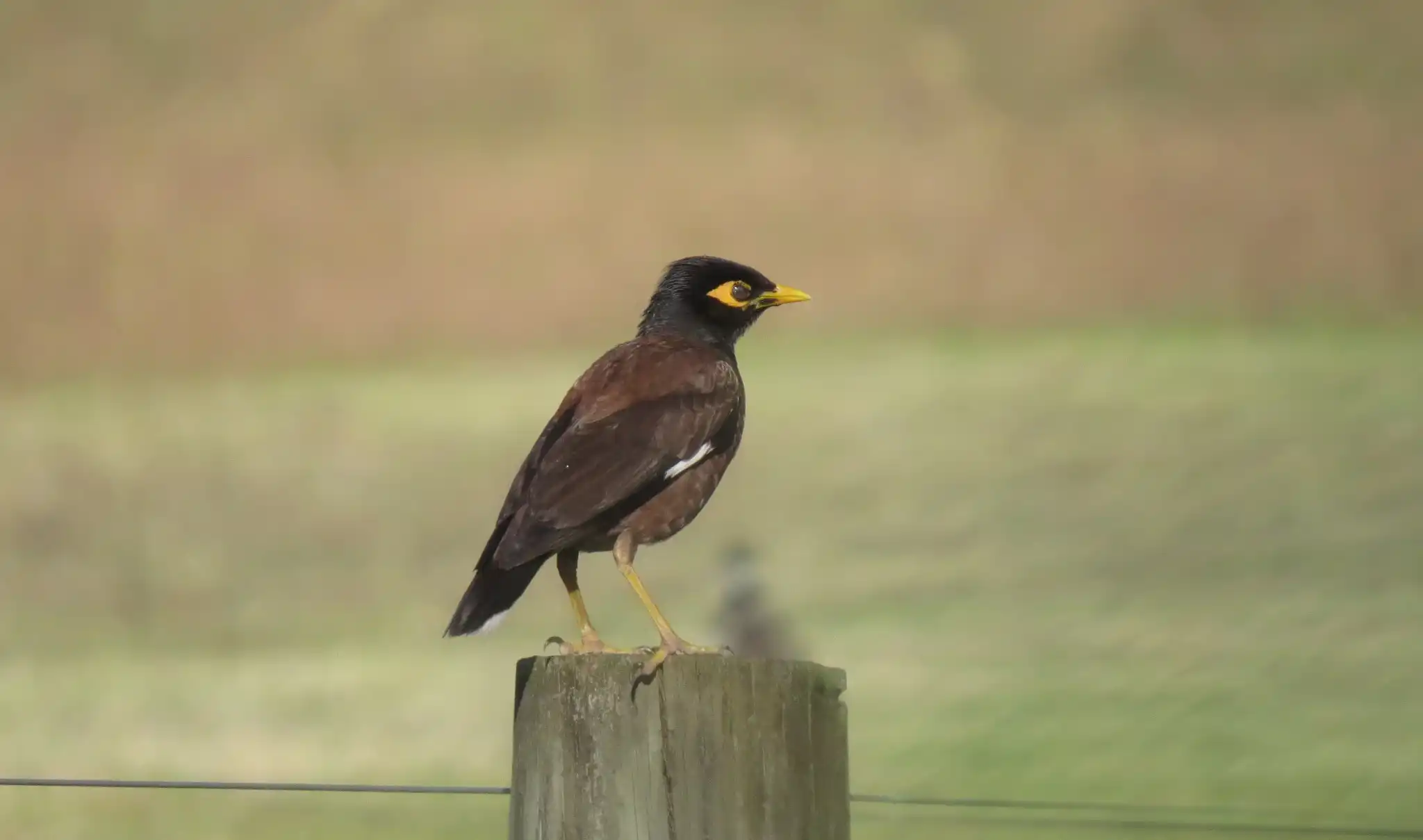
Mynas are stocky brown birds with a shiny black head and shoulders. Commonly found on road sides on Waiheke, usually playing chicken with cars while foraging for food.
The common myna is a native of India, east and west Pakistan and Burma. Myna were introduced to many Pacific lands, including New Zealand, usually to combat invertebrate pests. They are commonly seen waiting till the last minute to avoid traffic while foraging for road-killed insects.
Mynas are large, noticeable passerines (perching birds). They are commonly seen in pairs or in small family groups. Adult Mynas are black when new but fade to brown. The base of the myna is white and all upper and lower feathers are also white. The tail is black when new, all feathers tipped in white which wear off during the breeding season. The bill and naked eye surround is bright yellow. The iris is dark brown over grey, with distinct white flecks. Legs are yellow brown and the claws horn-coloured. Juveniles are of paler plumage, the bill is light yellow streaked with dark grey, and the skin around the eye is white for the first two weeks. Juvenile tail feathers are without white tips and the iris is grey.
Their call is a loud chickork-chickork-chickork (territorial announcment) given while head-bobbing, may be accompanied by a complicated series of quiet calls including pee pee pee, bell-like notes and deep guttural booming. Other quiet trills are used when inviting a mate to fly.
Mynas don’t exhibit distinct differences between the two sexes. They pair for life but quickly find a new mate on the death of their previous mate. Both members of a pair announce ownership of a nest and territory using the head bob and their loud call, and forcefully defend their nest site and feeding territory against all other mynas.
They destroy eggs and nestlings of any other species within their territory (especially starlings).
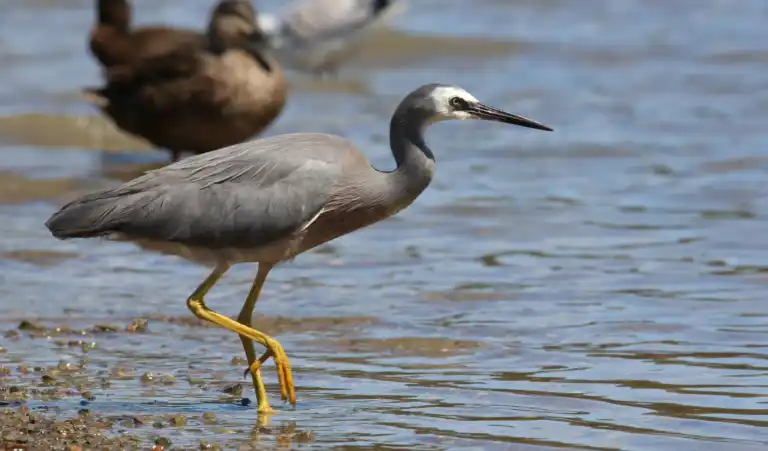
White Faced Heron
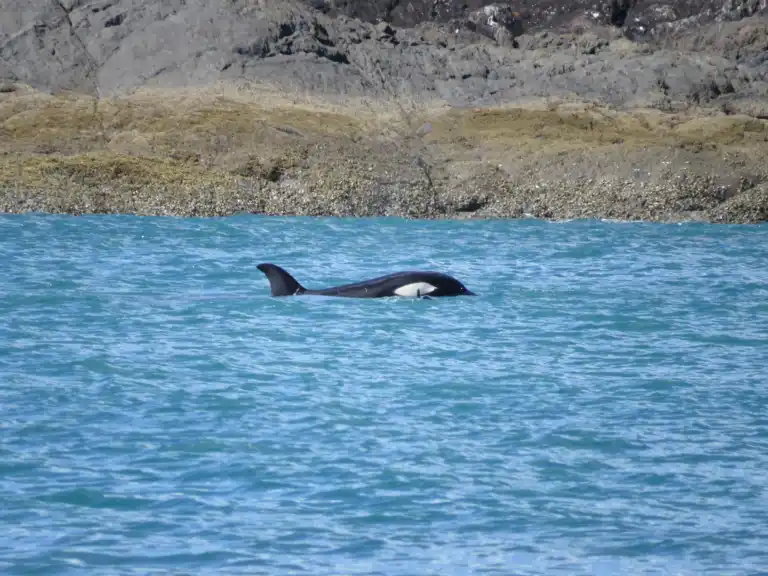
Orca
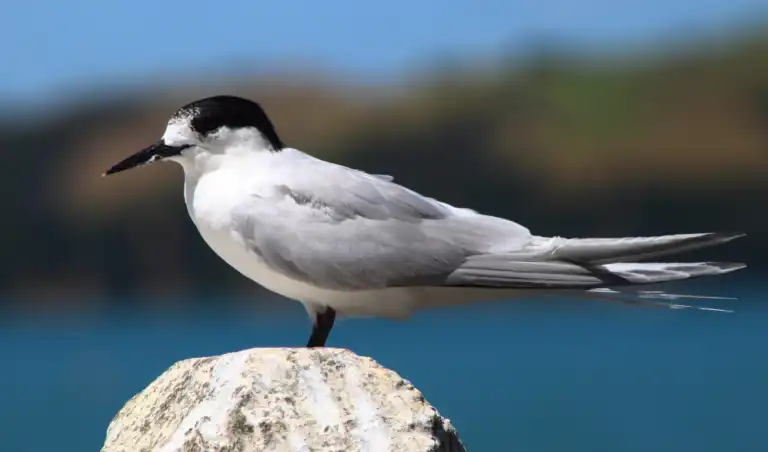
White Fronted Tern
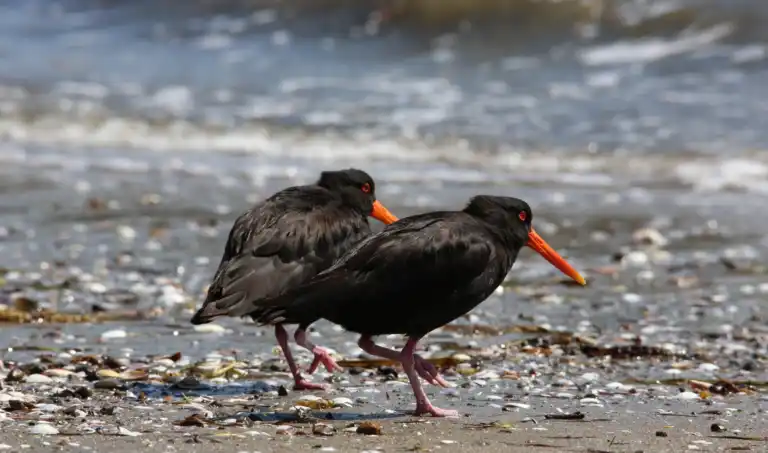
Variable Oyster Catcher
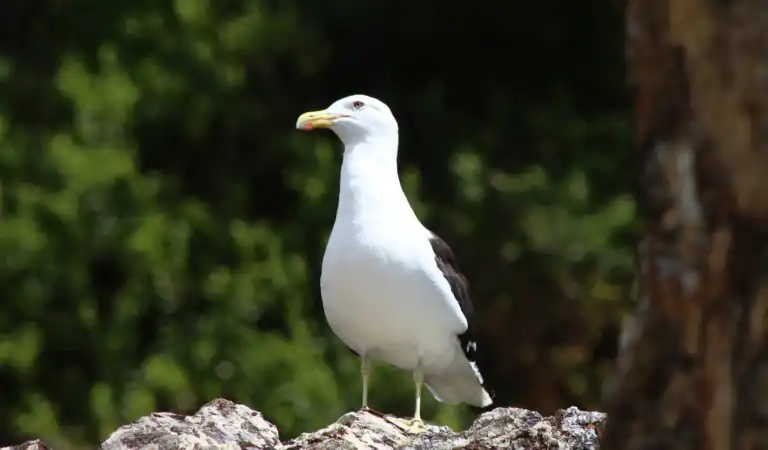
Great black-backed gull
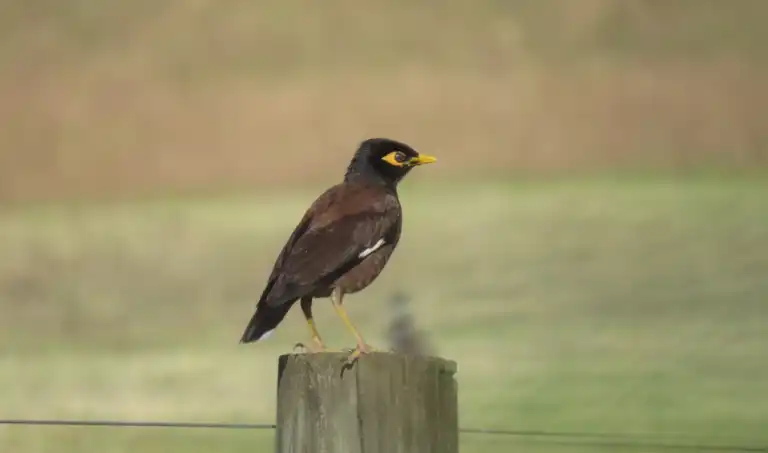
Common Myna
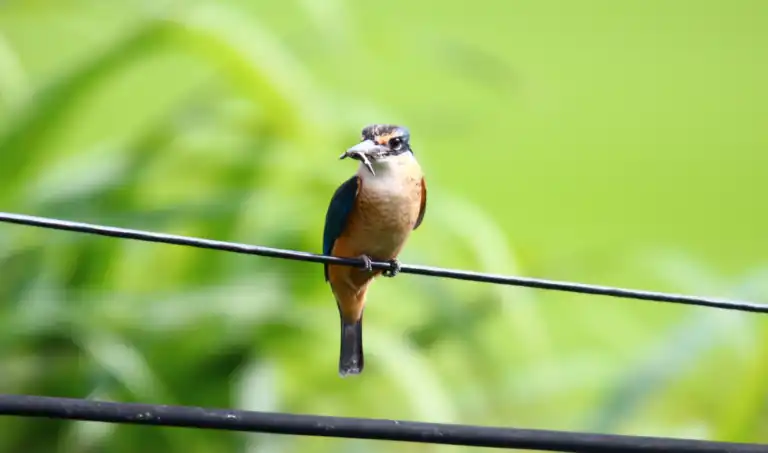
Sacred Kingfisher
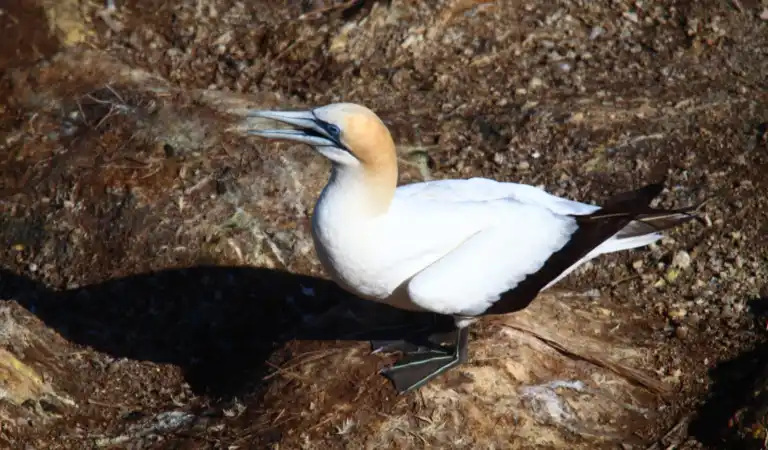
Australasian Gannet
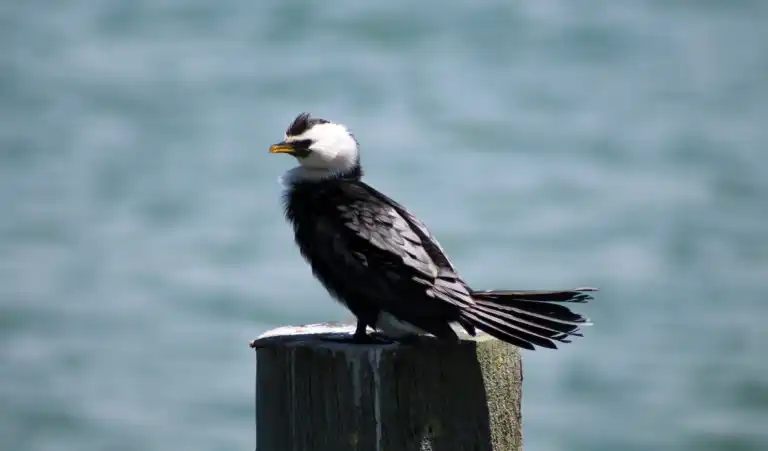
Little Shag
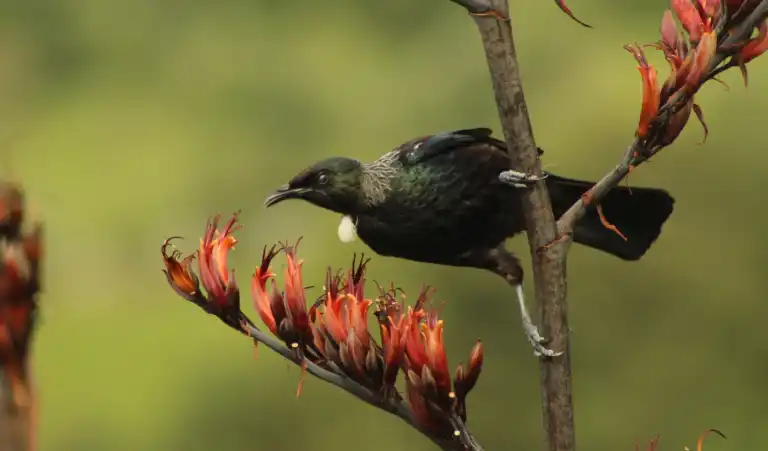
Tui
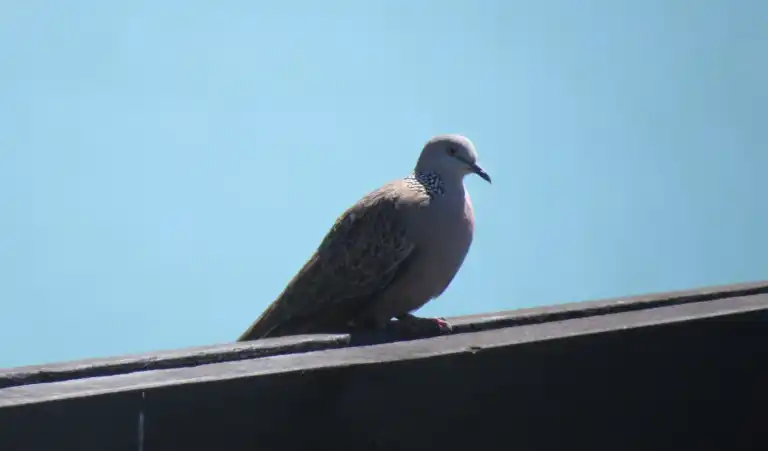
Spotted Turtle Dove
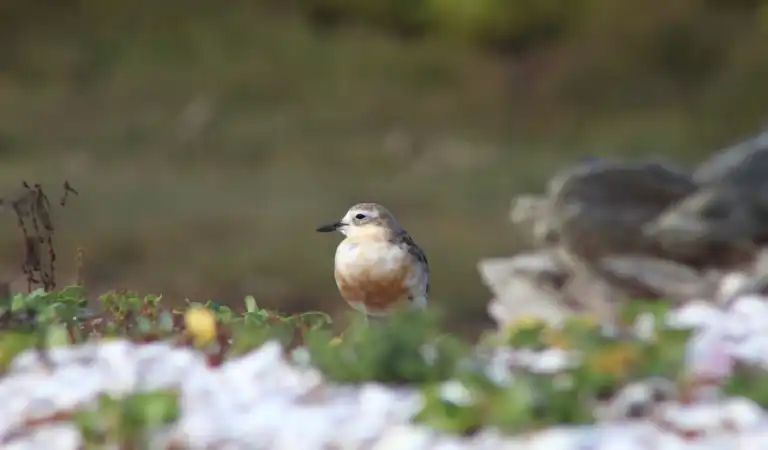
NZ Dotterel
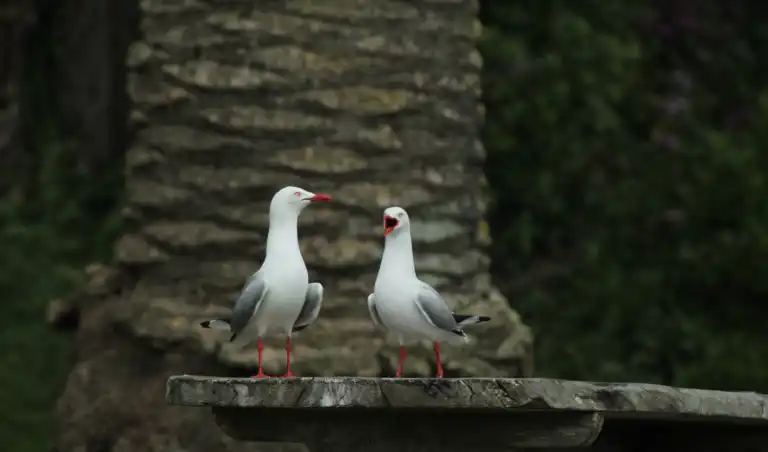
Red Billed Gull
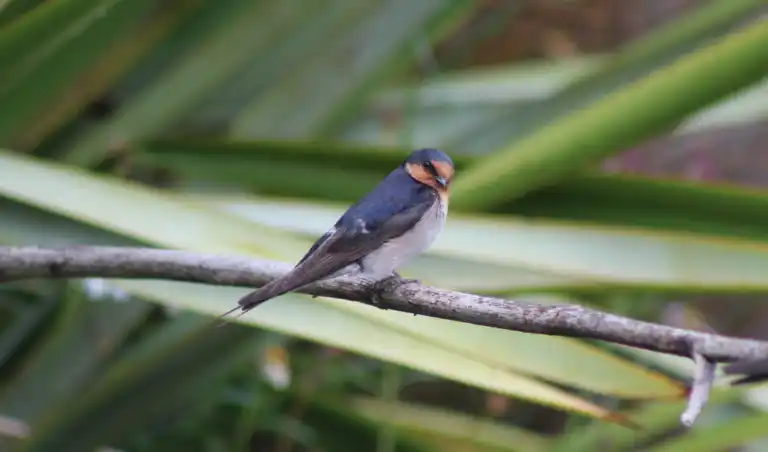
Welcome Swallow
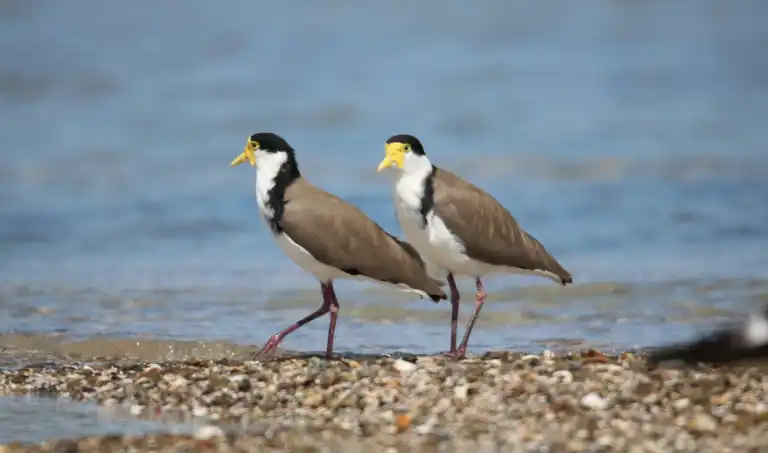
Spur-winged Plover
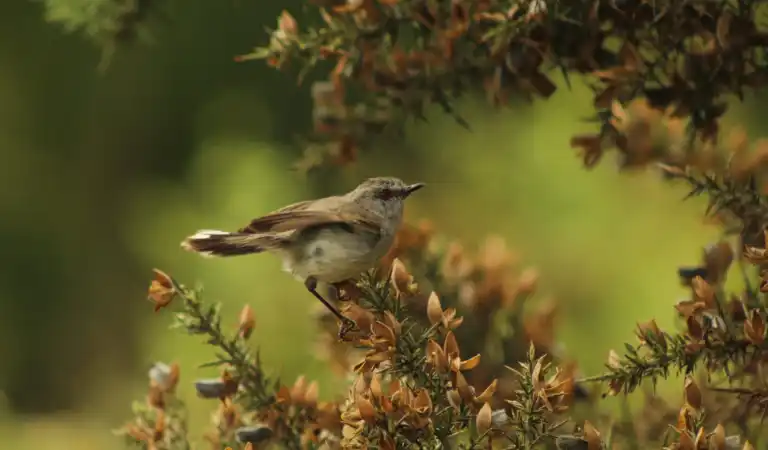
Grey Warbler
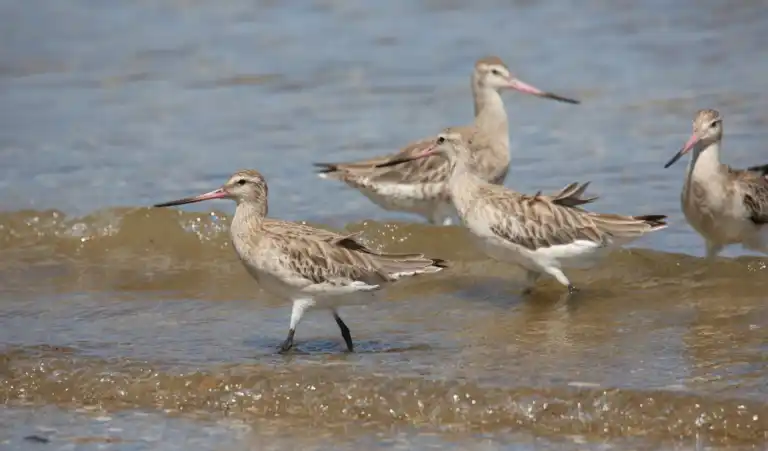
Bar-tailed Godwit
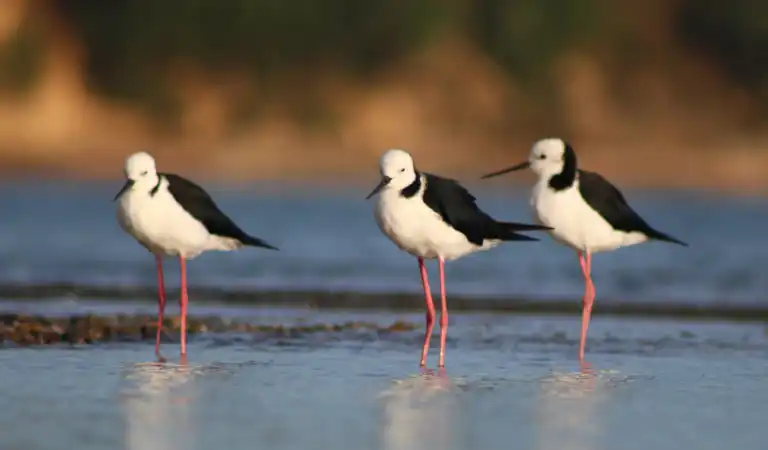
Pied Stilt
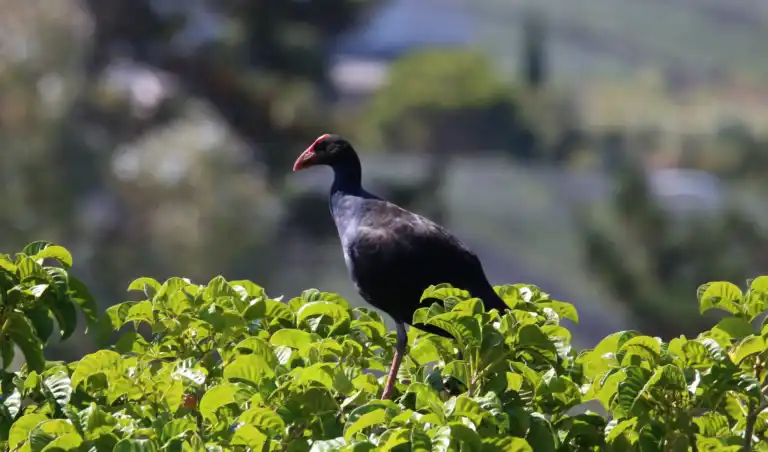
Pūkeko
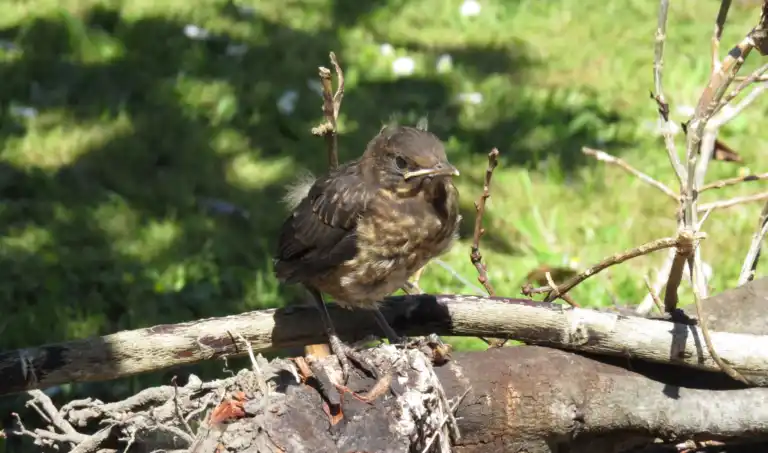
Thrush
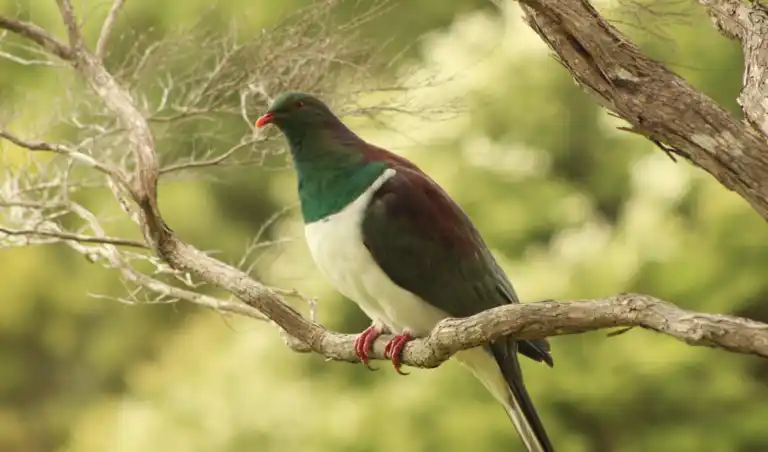
Wood Pigeon
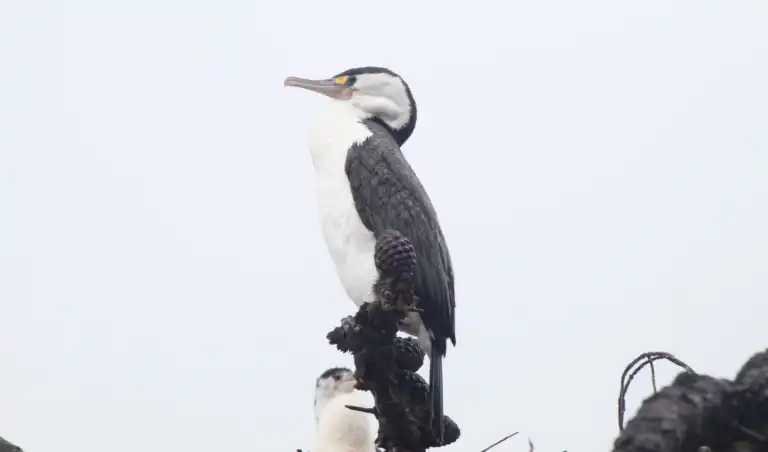
Pied Shag
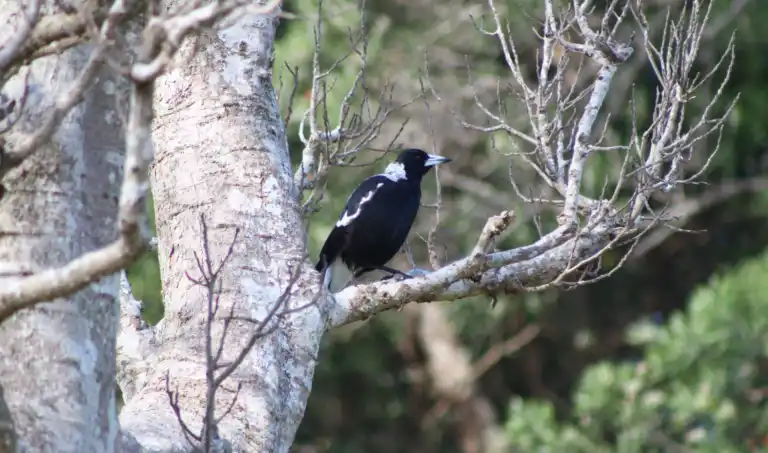
Magpie
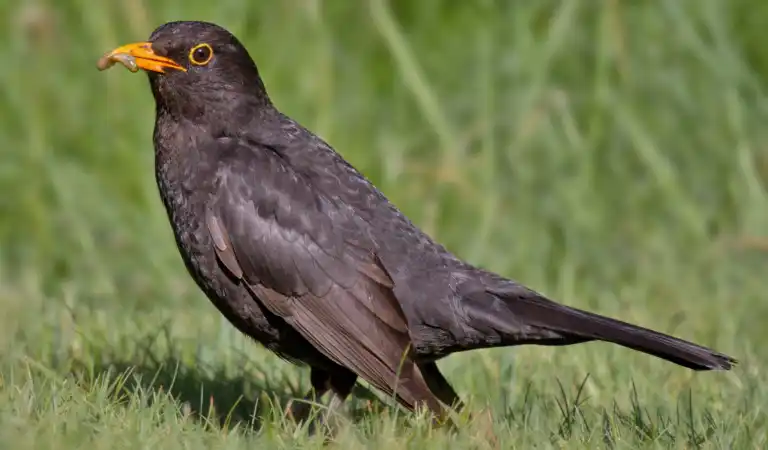
Black Bird
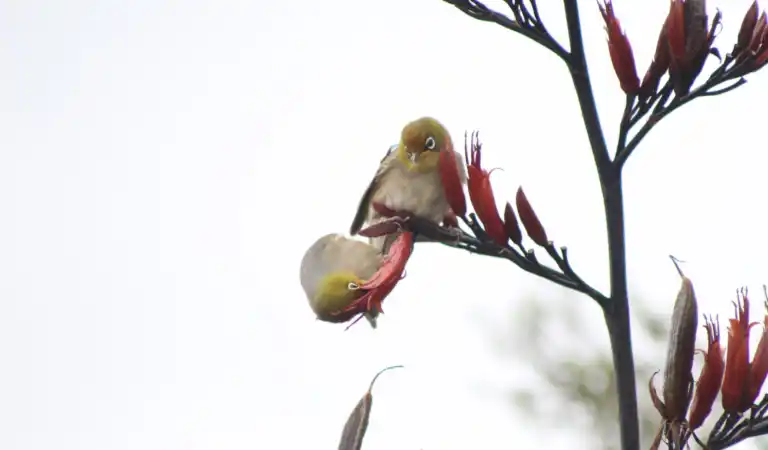
White-Eye
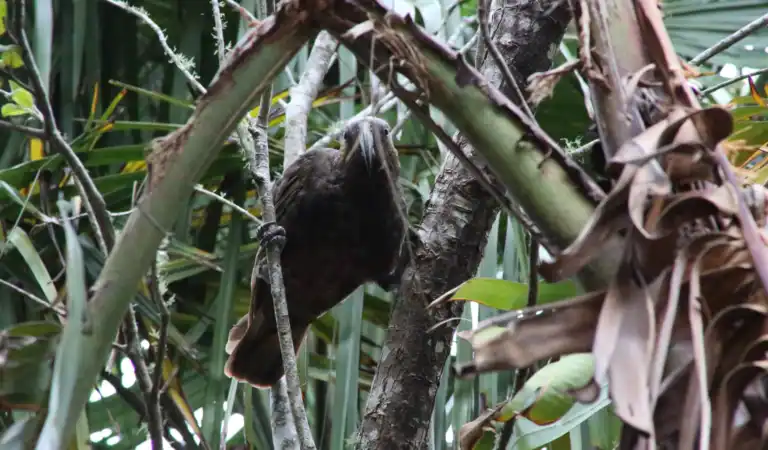
Kaka
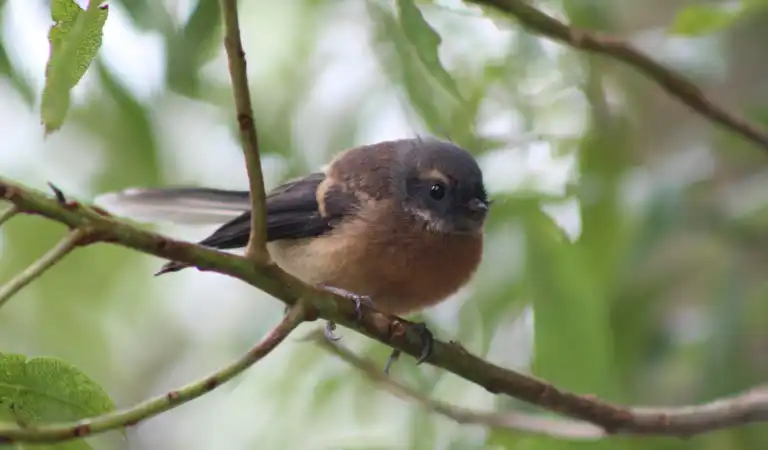
Fantail
Breeding
Mynas nest in cavities, inside the eaves of houses, in letter boxes and cardboard cartons (even on the ground) and nesting boxes.
Nest are made of dried grass, straw, cellophane and plastic and lined with green leaves – often eucalyptus leaves – just prior to laying.
Nest preparation begins in late August to early September. They can be built in a week but usually take a few weeks. Laying begins in November and is finished by early February; Two peaks to egg laying representing first and second clutches occur in November and January.
The few clutches between these two peaks are either replacement clutches, or clutches laid by inexperienced pairs. Clutch size averages 4 (1-6), the incubation period is 14 days; only the female has a true brood patch. Nestlings fledge 25 (20-32) days after hatching. Both parents feed the fledglings for 2-3 weeks, and approximately 20% of these die before independence. Productivity is about 2 chicks per annum per pair to independence.
Food
Mynas are omnivores.
They consume pasture and crop invertebrates, including some that are crop pests. Also nightshade fruit and other fruit, especially berries.
They peck at the flesh of ripe karaka fruit rather than swallowing the whole fruit.
Mynas are most often seen along roads, where they seek road-killed insects. They often frequent refuse dumps in winter, seeking food scraps, and flock onto paddocks being ploughed. Mynas also take nectar, and are sometimes seen with orange flax pollen on their foreheads.
Waiheke Locations
Waiheke road sides – Playing chicken with cars while collecting road killed insects.
Perching on fences and branches
The Myna are flying birds so they can really be anywhere on Waiheke but not just Waiheke they are all over New Zealand, these are just areas I’ve spotted them and photographed.
References
https://www.nzbirdsonline.org.nz/ (Website used for journalistic purposes)
Gallery