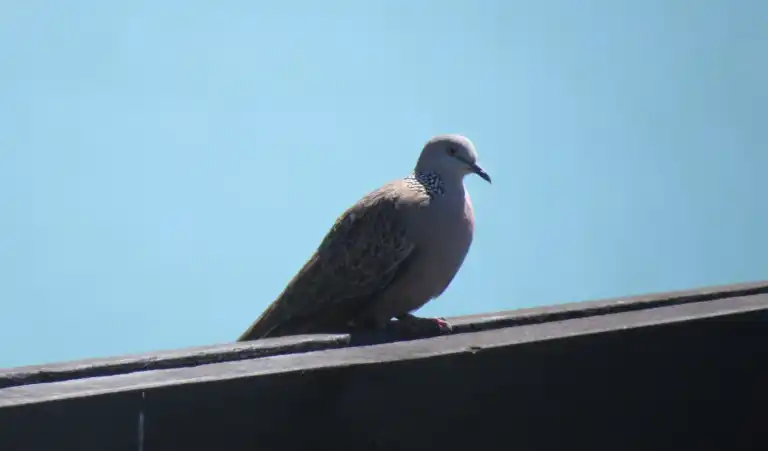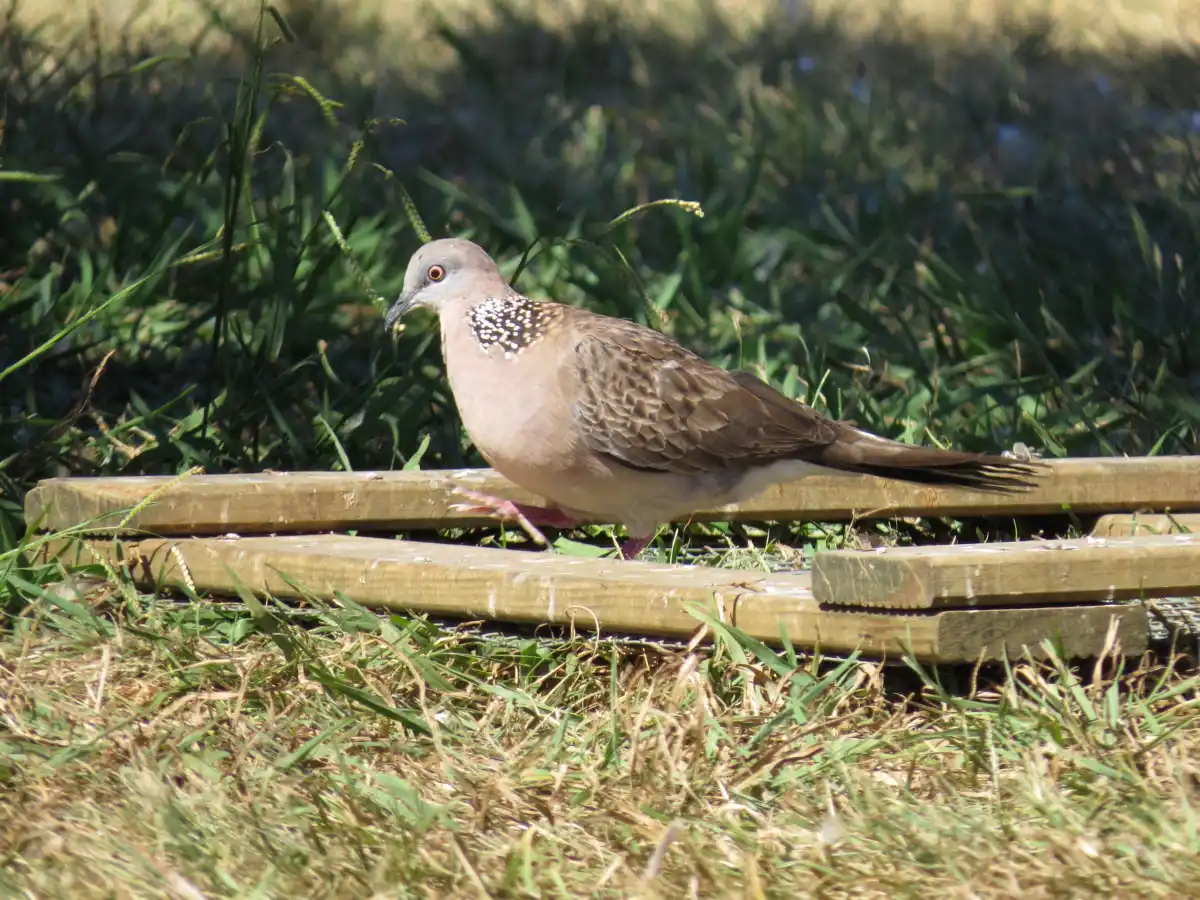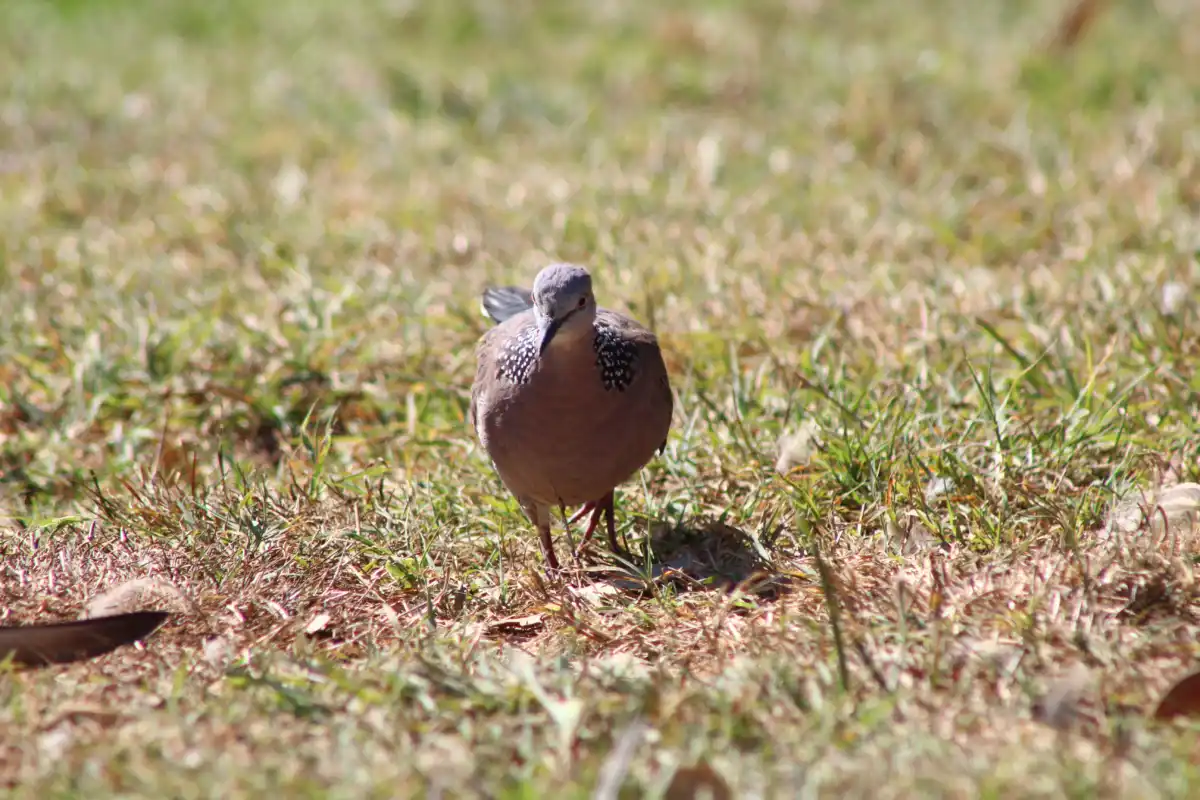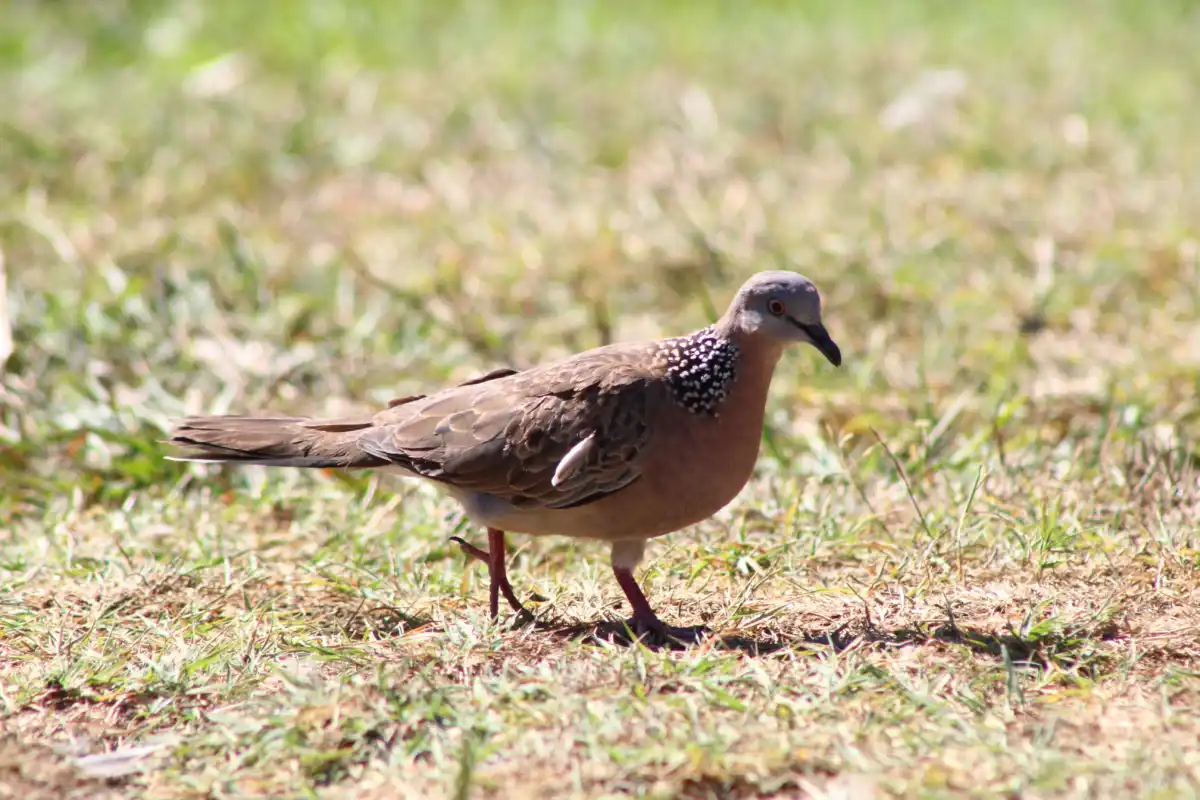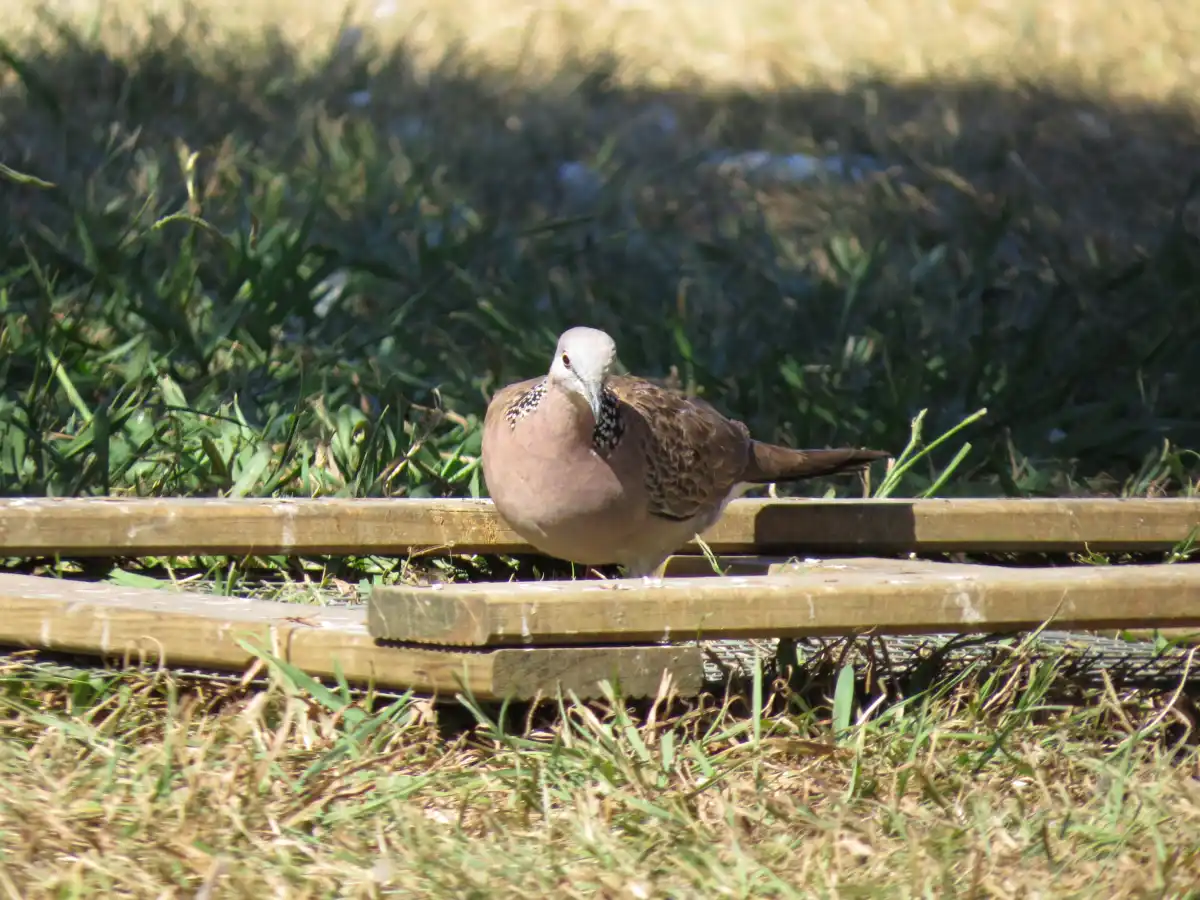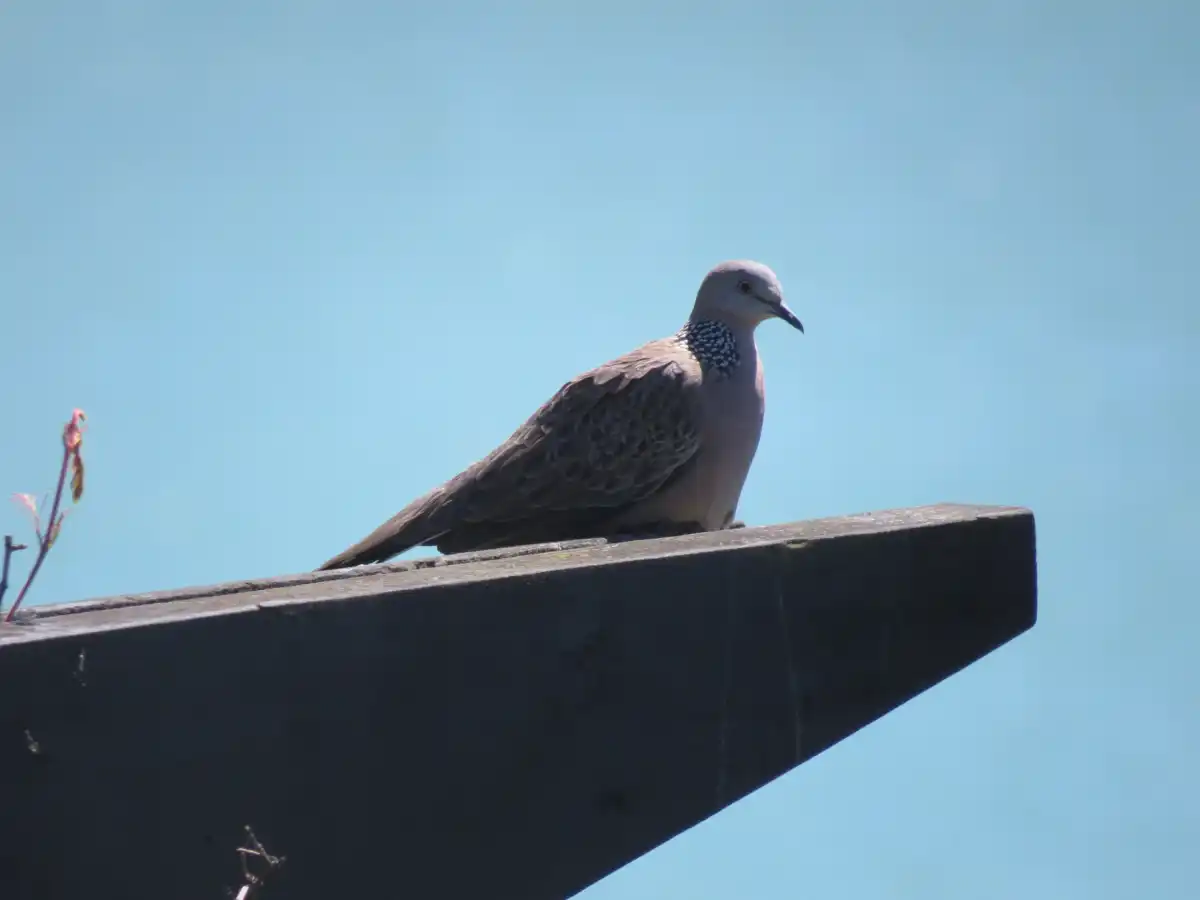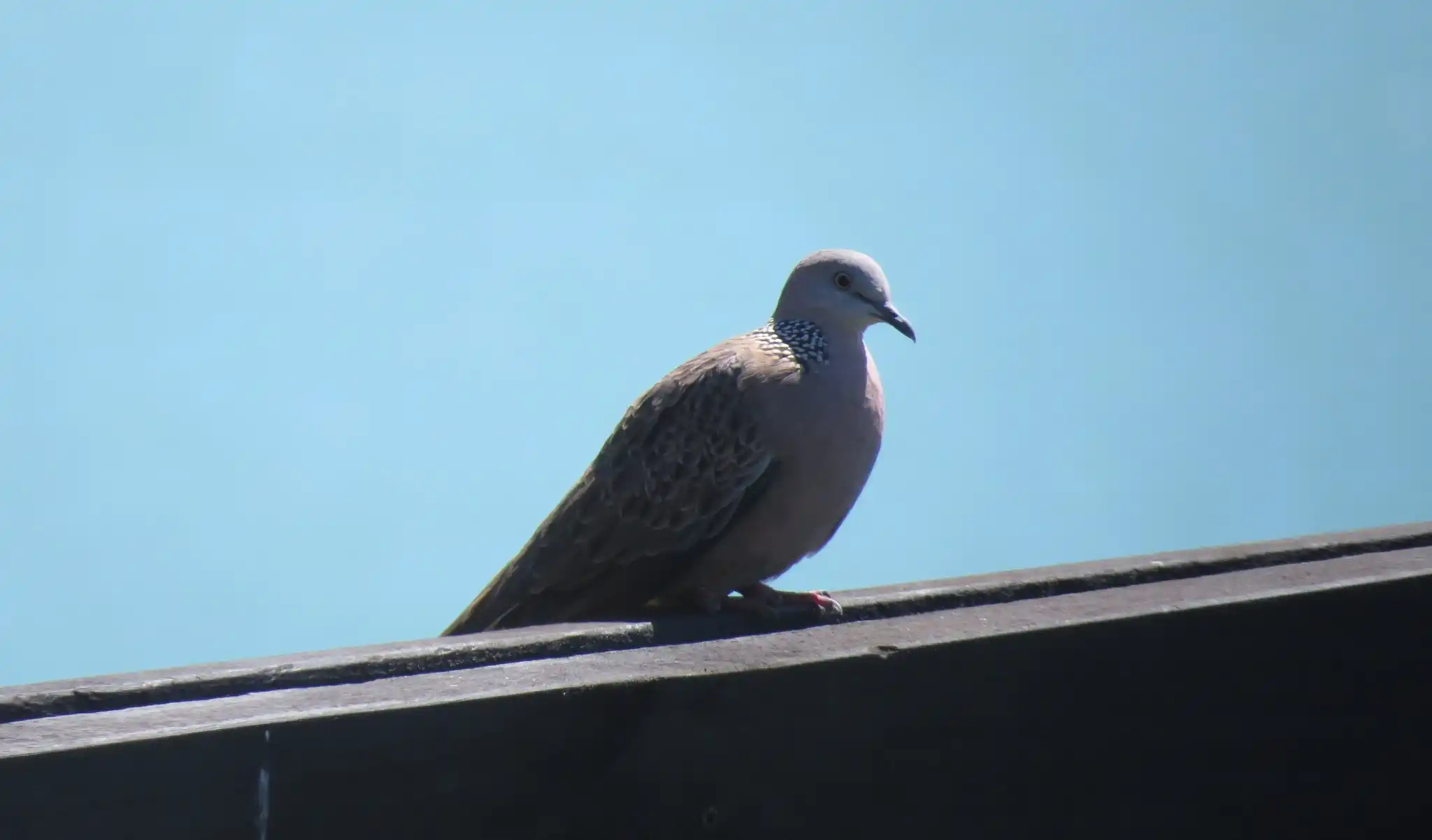
The spotted dove is a medium-sized, long-tailed dove, with a greyish head, pink-grey underparts and speckled greyish brown upperparts. Located on Waiheke around gardens and rooster reserve.
Its distinguishing feature is a large white-spotted black half-collar around the back and sides of the neck and the legs are deep pink, and the iris red. The sexes are alike, although females are smaller with a less strikingly marked neck patch. Juveniles lack the prominent domino neck patch; their wing coverts and scapulars have pale brown edges; and the iris is brown-yellow.
Their call is a deep, slightly lilting coo corrr cuk, the inflection of each syllable rising slightly then falling. This 3-second phrase is repeated over and again, for minutes at a time.
Spotted doves occur mainly in urban parks and gardens. In its native range, the species occurs in moist open forests, woodland, cultivated areas, and around human settlement.
Spotted doves occur mostly in pairs or small flocks, foraging on the ground and perching in trees or on overhead telephone wires.
Their flight is rapid, powerful and direct, but birds leaving a perch to forage on the ground often glide down quietly. Males have an aerial advertising display in which they fly steeply and noisily up to 20-30 m before turning and gliding on stiffly spread wings and tail down to their perch.
Courting males perform an exaggerated bow, first raising themselves up, filling their air sacs, then bowing down, expelling the air while calling loudly cu-coo coorrr. At other times, a bird will sit and call cuk cuk coorrr from a perch, this call being softer and less insistent than that given during the bow-coo display. Both sexes give this perch-coo call, but the female’s call is quieter. Mated birds preen each other (allopreening), especially around the head and neck. Aggressive behaviour normally includes a threatening kirr call, but this can escalate into physical confrontation involving wing slapping.
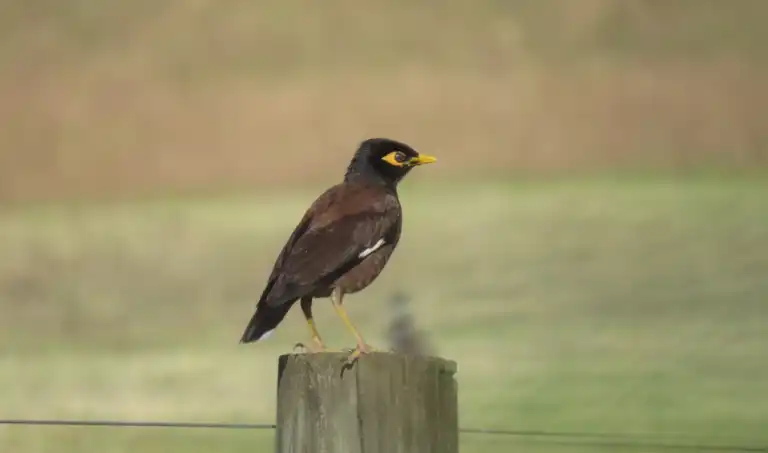
Mynas are stocky brown birds with a shiny black head and shoulders. Commonly found on road sides on Waiheke, usually playing chicken with cars while foraging for food.
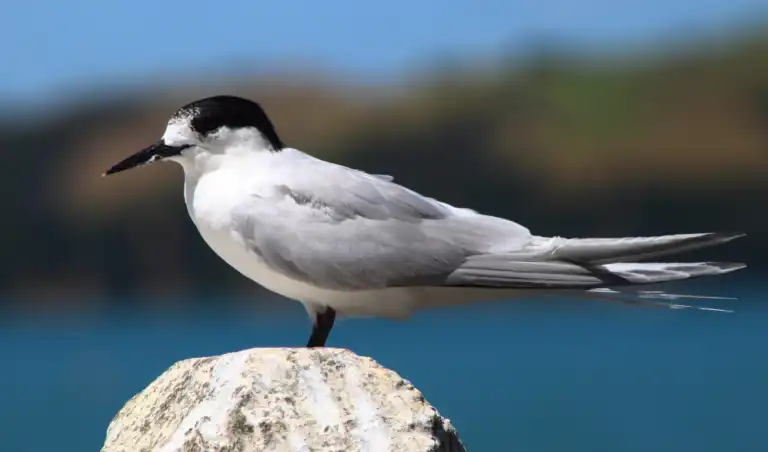
The white-fronted tern is a medium-sized, long-tailed sea tern commonly around New Zealand coasts. Spotted congregating on Waiheke wharfs such as Matiatia and Orapiu.
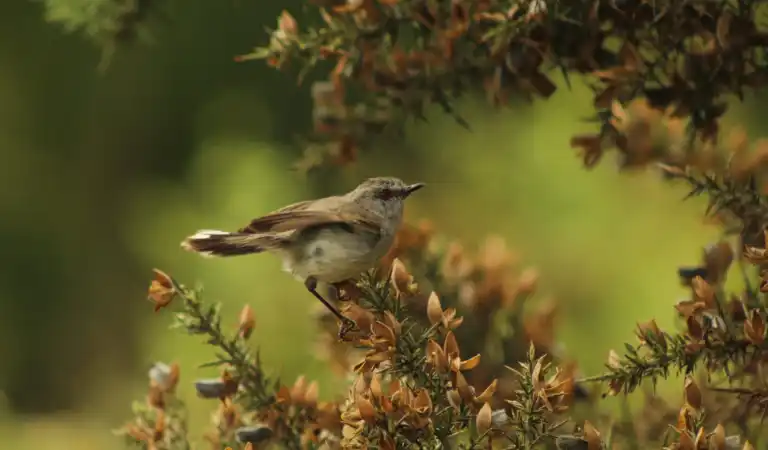
The Grey Warbler is a tiny olive-grey song bird often heard before seen. Locations on Waiheke are dense woody vegetations. The warbler can be difficult to spot.
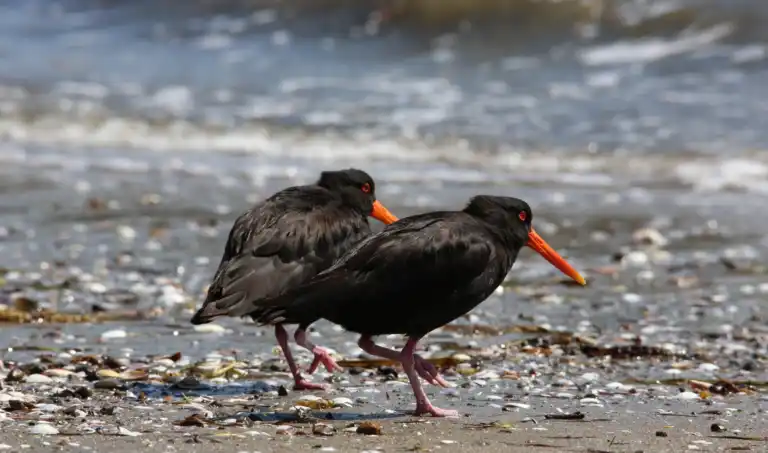
The variable oystercatcher is a stocky coastal bird with a long, bright orange bill, it is located on many quiet beaches such as Blackpool, Whakanewha and Anzac bay.
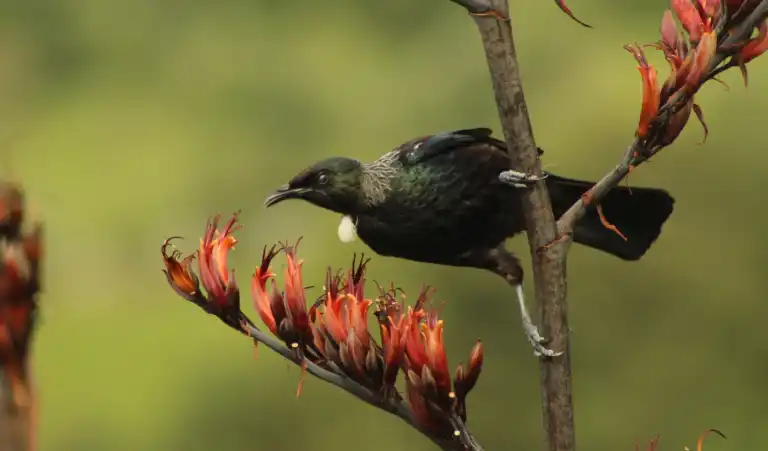
The Tui is a iridescent blue-green honeyeater with two curled white feather tufts on the throat. Locations found on Waiheke are around flaxes feeding off nectar.
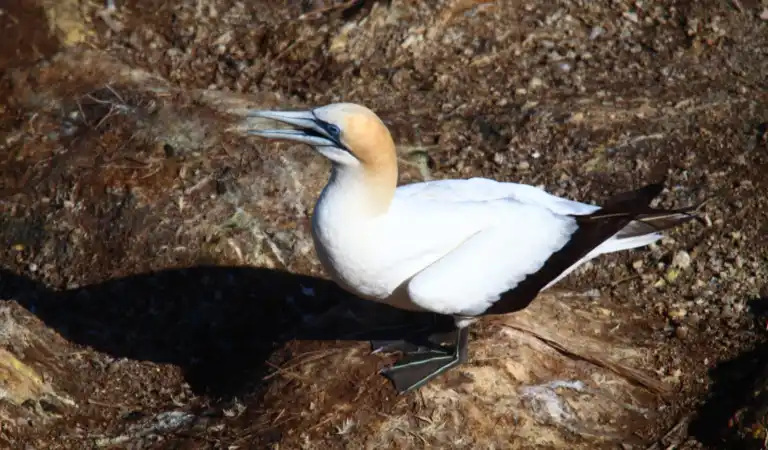
The gannet is a large slender-bodied seabird with mainly white plumage, buff-yellow head and neck. Occassionally seen around Waiheke searching for food in ocean depths.
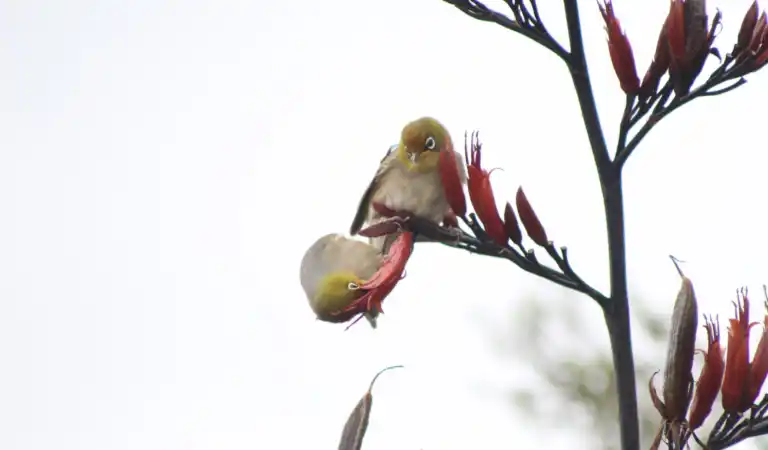
A small songbird, immediately recognisable by its distinctive white eye-ring. This quick little bird can be found feeding off flax and kowhais or fruit trees on Waiheke.
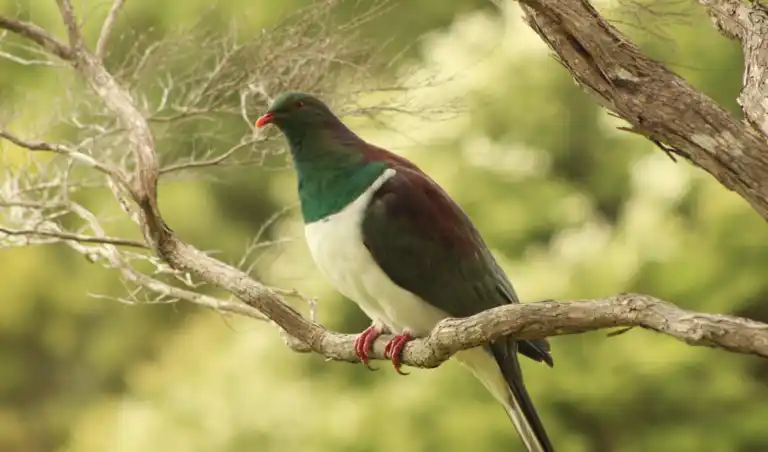
The Wood pigeon is a large distinctively-coloured pigeon, it is easy to find on Waiheke due to its size, they are usually perched on powerlines or trees.
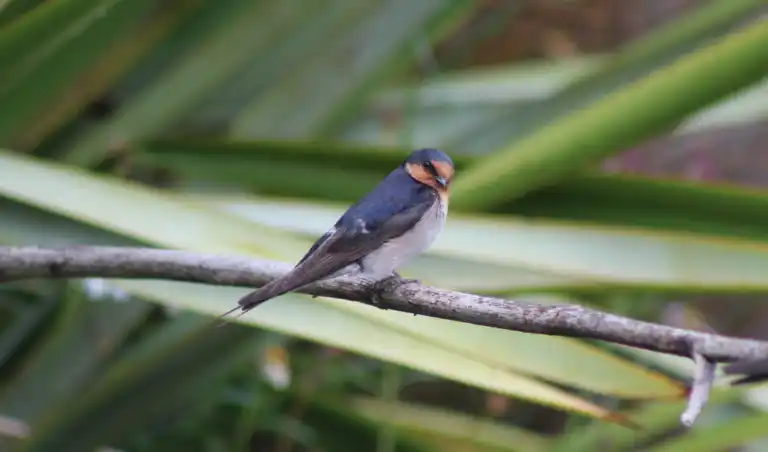
Welcome swallows are small fast-flying birds, they are usually seen around waiheke during breeding season between August and February on powerlines, fences and beaches.
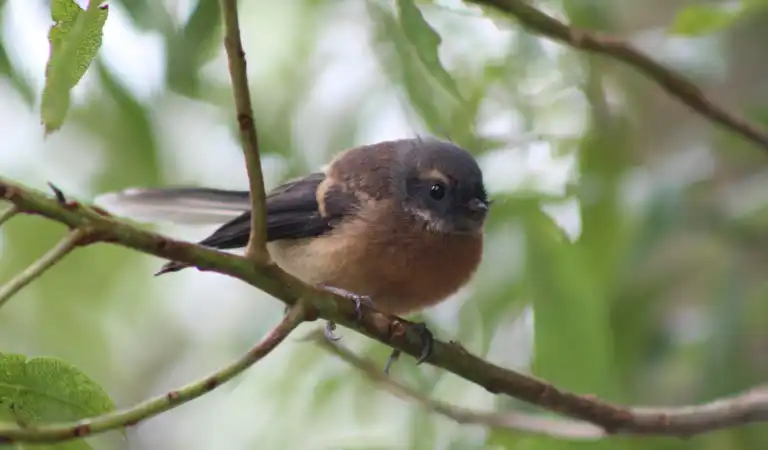
The Fantail is a well known NZ bird due to its distinctive fanned tail. Locations found on Waiheke are any well-treed parks, bush walks and even properties.
The spotted dove is a medium-sized, long-tailed dove, with a greyish head and speckled greyish brown upperparts. Found on Waiheke around gardens and the rooster reserve.
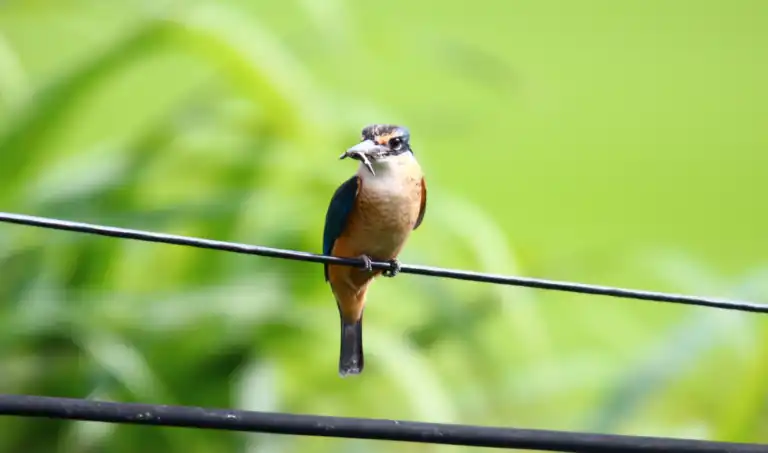
The sacred kingfisher is a distinctive bird with a green-blue back, buff to yellow undersides and a large black bill. they can be found nearby tidal beaches on waiheke.
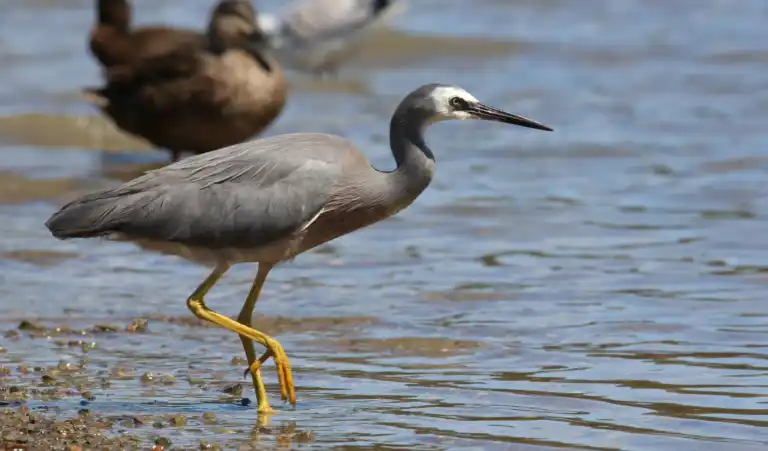
The white-faced heron is a tall, elegant, blue-grey bird usually spotted stalking prey. Locations found on Waiheke are Mangroves, Anzac bay and quiet beaches.
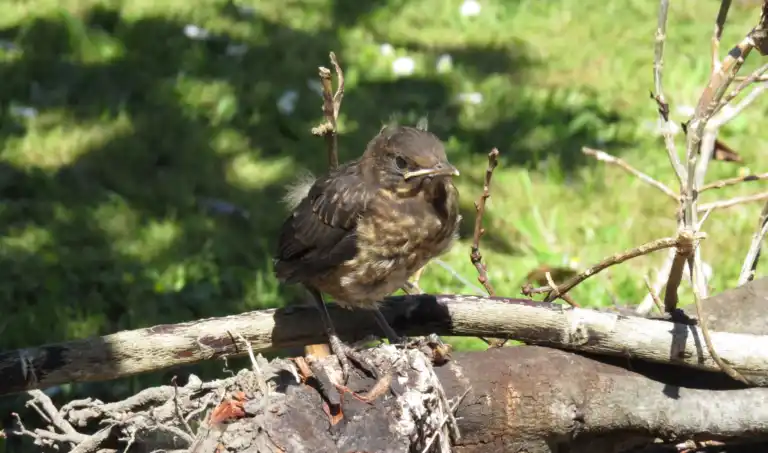
The thrush is a medium-sized songbird with a speckled brown-on-cream breast, usually heard before it is seen, found in grass reserves, gardens and trees on Waiheke.
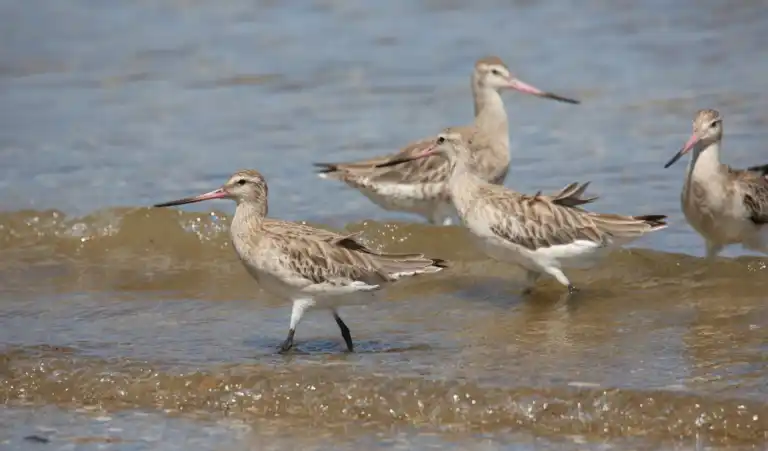
The Godwit is a migrant from Alaska, they fly 8-9 days straight to arrive in NZ. They can be found on Waiheke from September - March located at Blackpool.
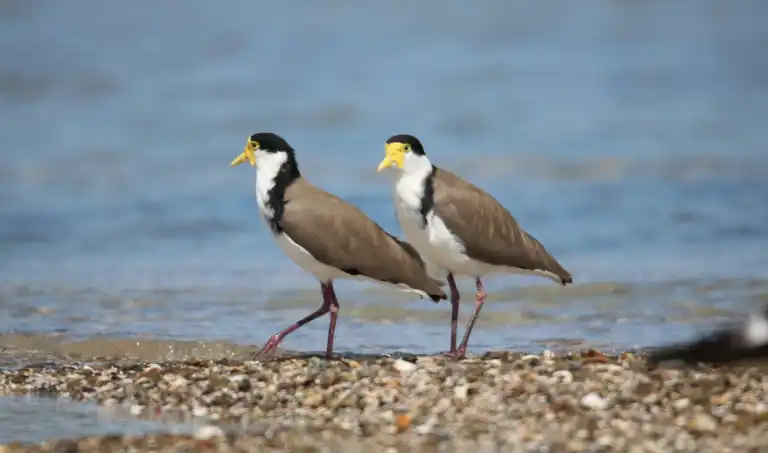
The Spur-winged plover is a large stocky wader with a yellow bill and spurs on each wing, locations found on Waiheke are Blackpool, Maori hill and Whakanewha.
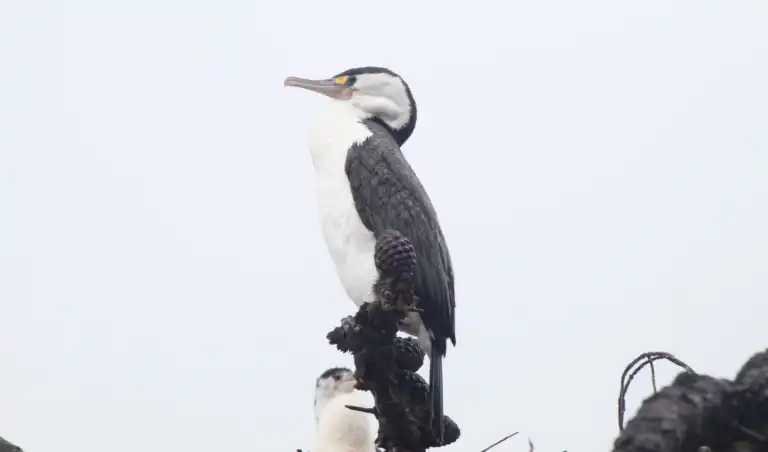
This large black-and-white shag is often seen individually or in a group, usually spotted in the ocean searching for food or hanging around fisherman by the rocks of Waiheke.
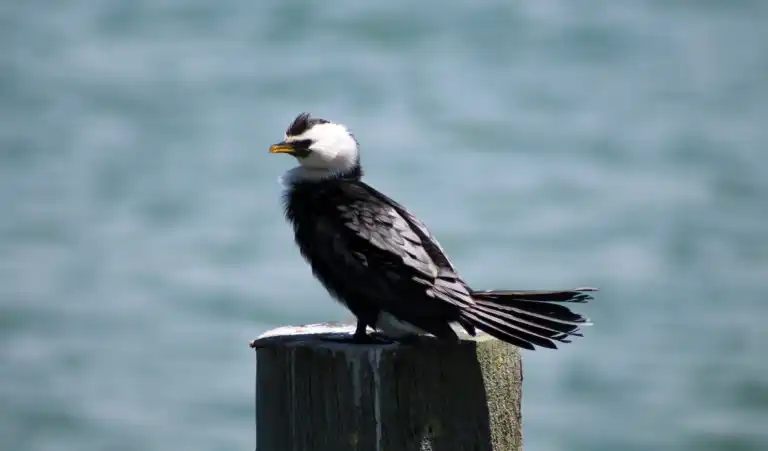
The little shag is a small shag, with a short yellow bill, black feet, a relatively long tail, usually spotted in the ocean searching for food or hanging around Waiheke…
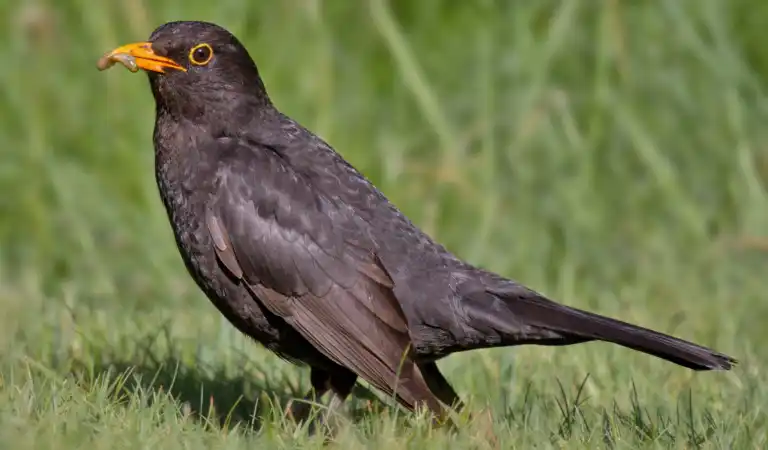
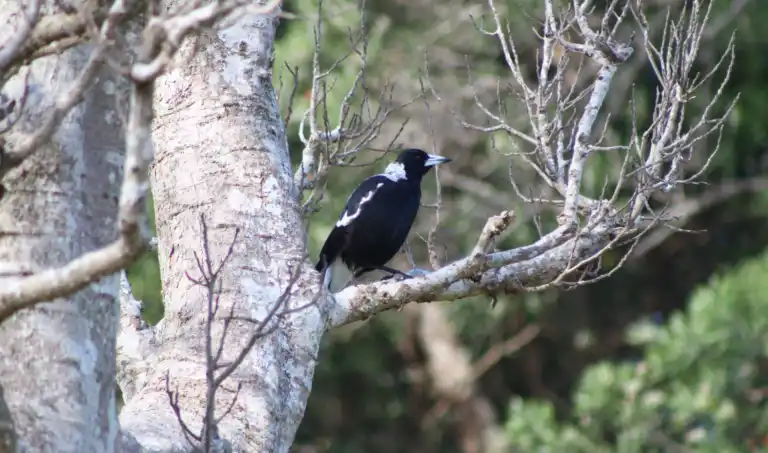
The black bird is a medium-sized songbird that is entirely black in adult males with a yellow bill. Abundantly found on Waiheke around household properties and trees.
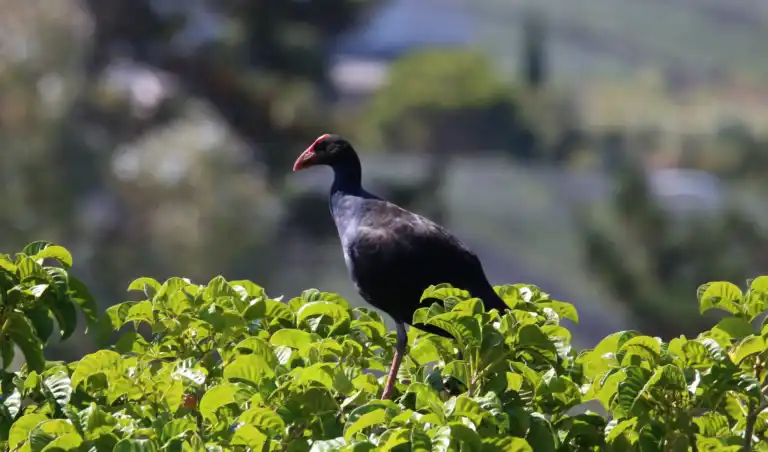
The Pukeko is a large relatively compact rail with a deep blue-violet head, breast and throat and a red bill. Found in swamp/Mangrove areas of Waiheke Island.
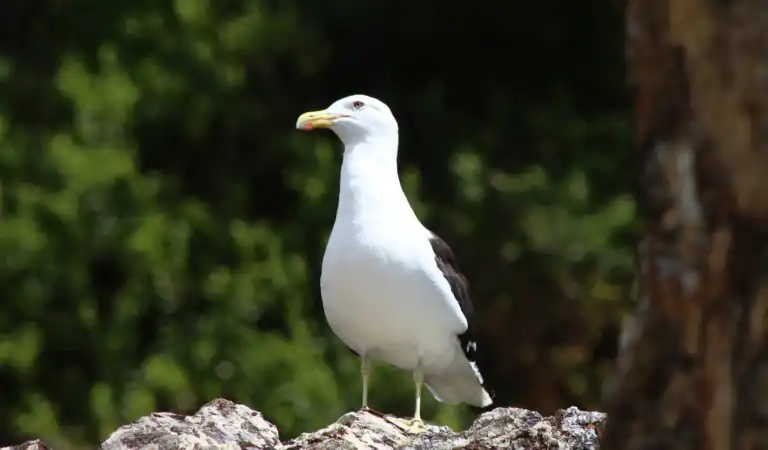
The Black-backed gull is a large black-and-white gull with a white head and underparts, black back, yellow bill with a red spot near the tip. Located on Waiheke beaches.
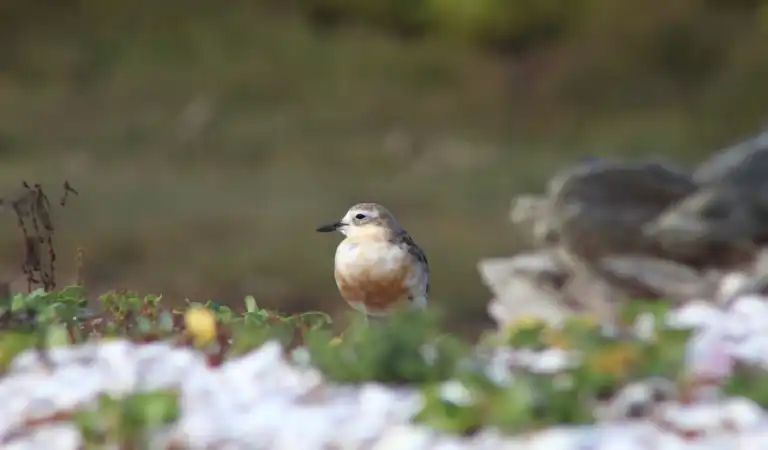
The New Zealand Dotterel is a shorebird which breeds on beaches in NZ's North Island. Locations found on Waiheke are Whakanewha, Anzac Bay and Blackpool.
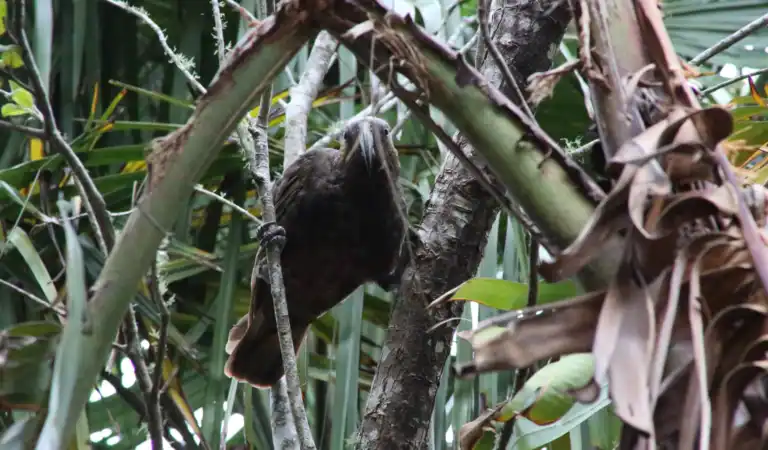
The Kaka is a large, olive-brown parrot with grey-white crown, red-orange underwing and deep crimson belly, located in tree covered areas around Onetangi.
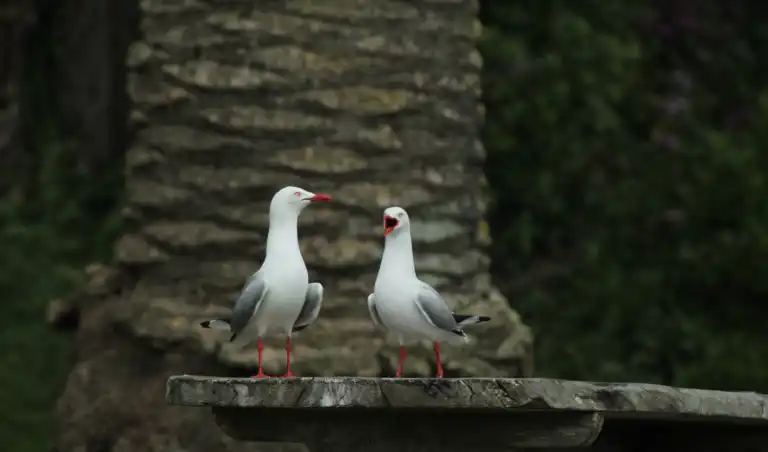
The red-billed gull also known as a "Seagull" is common around New Zealand Coasts. Located everywhere on Waiheke beaches where food or bait is readily accessible.
Breeding
Spotted doves breed primarily in spring and summer August-February, but can breed at other times of the year if there is sufficient food and mild weather.
The nest is a shallow platform of twigs, usually placed above 3 m in a tree or bush, or even in structures.
The 2 white eggs are incubated by both sexes.
Nestlings are semi-altricial, covered at first with wispy down and brooded and fed by both parents, initially with a secretion called ‘crop milk’. Once the feathers begin to develop, the chicks are brooded less, and are fed regurgitated seed. More than one brood can be raised in a season.
Food
Spotted Doves forage on the ground in grassland, cultivated areas and around homesteads, feeding on the seeds of grasses, cereals, small herbs and fallen seeds.
Birds will occasionally reach up and strip seeds from growing plants.
Waiheke Locations
Powerlines and Trees– Perching on tree branches and powerlines around waiheke.
Rooster Reserve – Spotted many times associating with other birds getting grain.
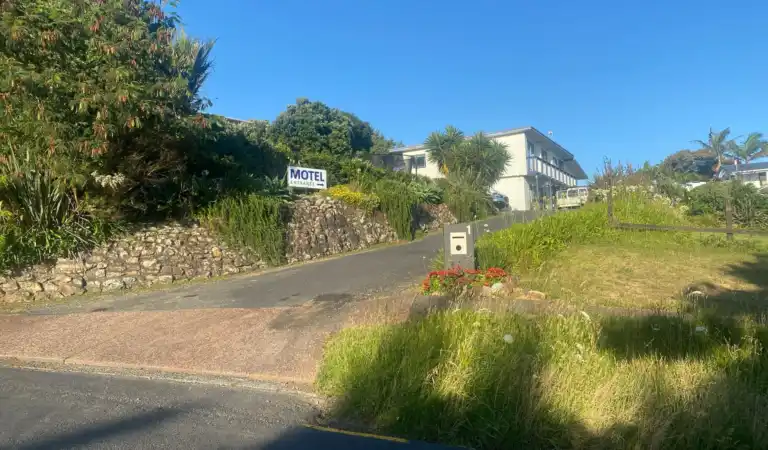
Spotted dove are flying birds so they can really be anywhere on Waiheke but not just Waiheke they are all over New Zealand, these are just areas I’ve spotted them and photographed.
Waiheke honey is a local honey business that offers organic and unpasteurized honey. They have a range of different size jars and a few types of honey to choose from.
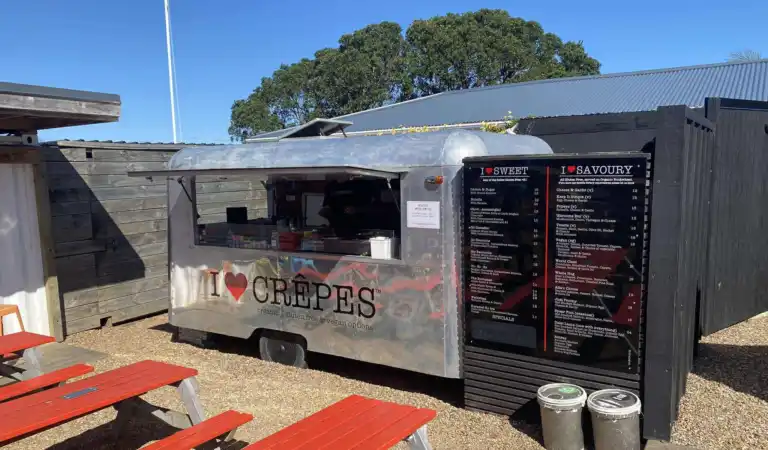
They serve delicious gourmet sweet and savoury crepes (galettes) in front of you while you wait. They use all fresh ingredients and accommodate for all dietary needs.
Gear Grab is a hire shop on Waiheke, they have a wide range of everyday gear. Their store consists of party, gaming, outdoors, household, tech and more.
Mint As is a popular burger cart located in Ostend, next to RAW fruit and vege, they serve juicy burgers, taco’s and milkshakes all made while you wait.