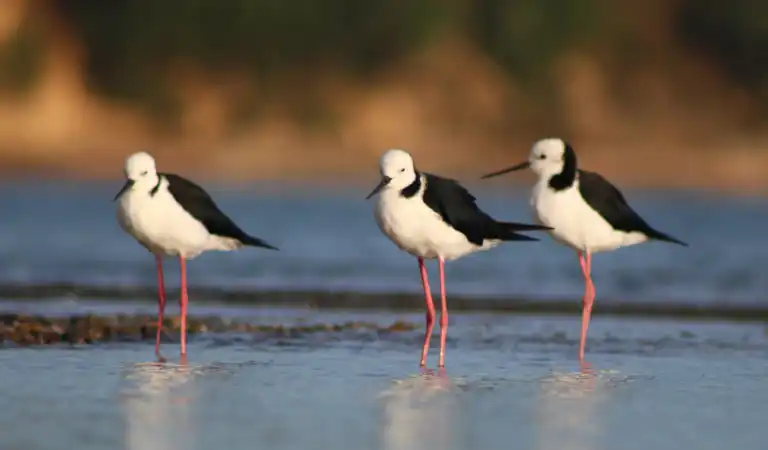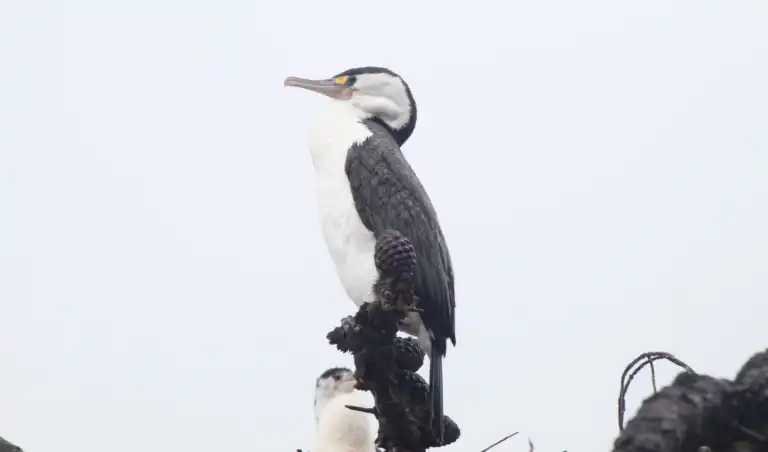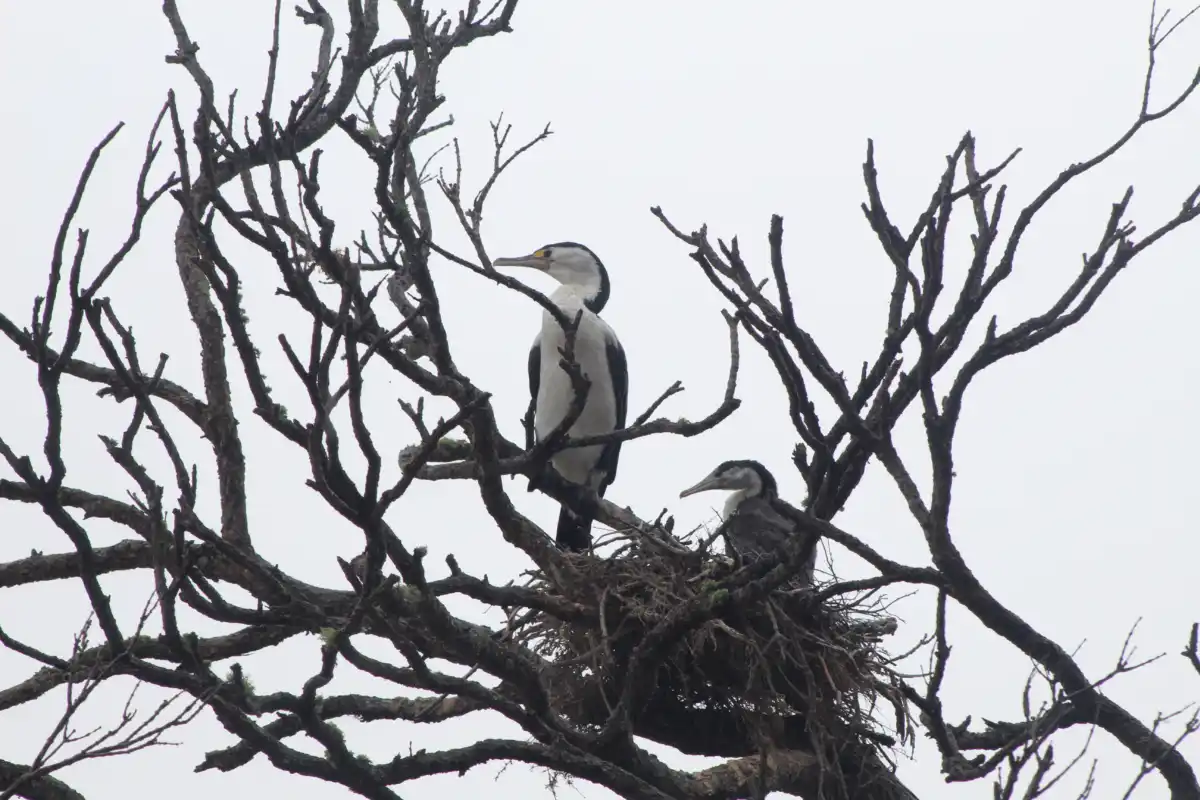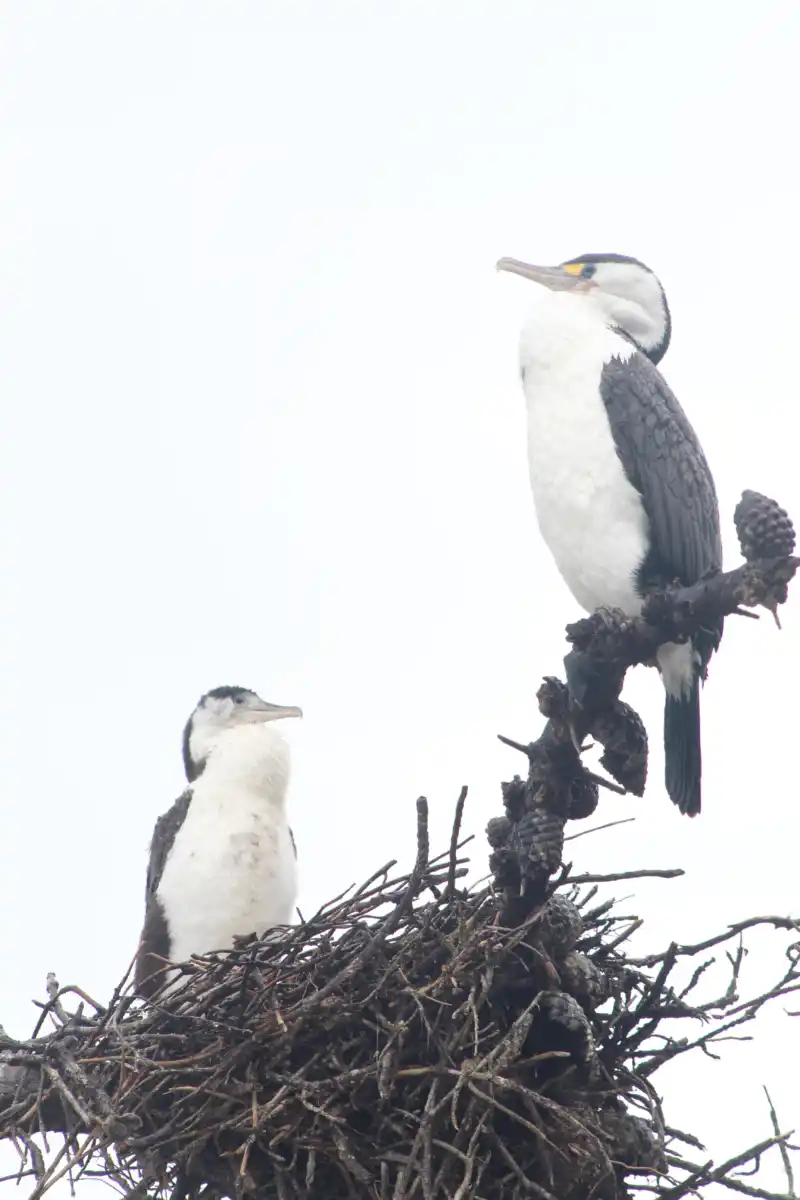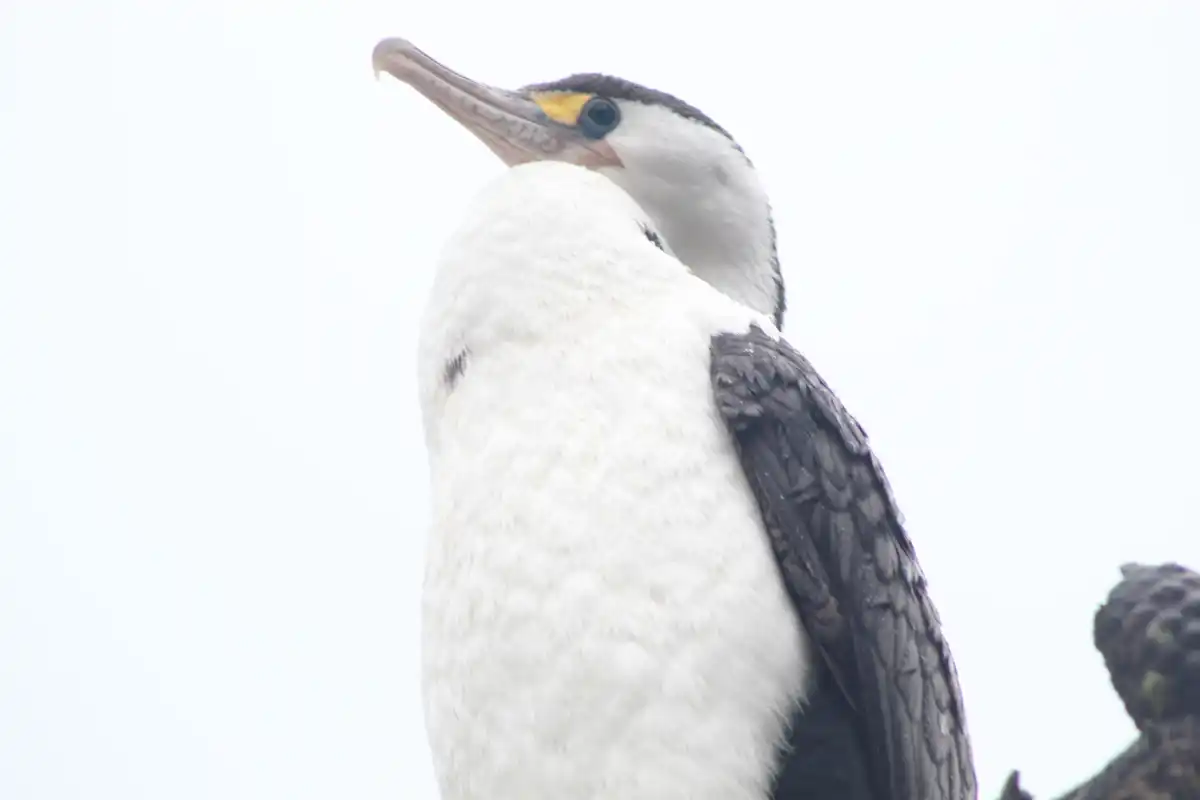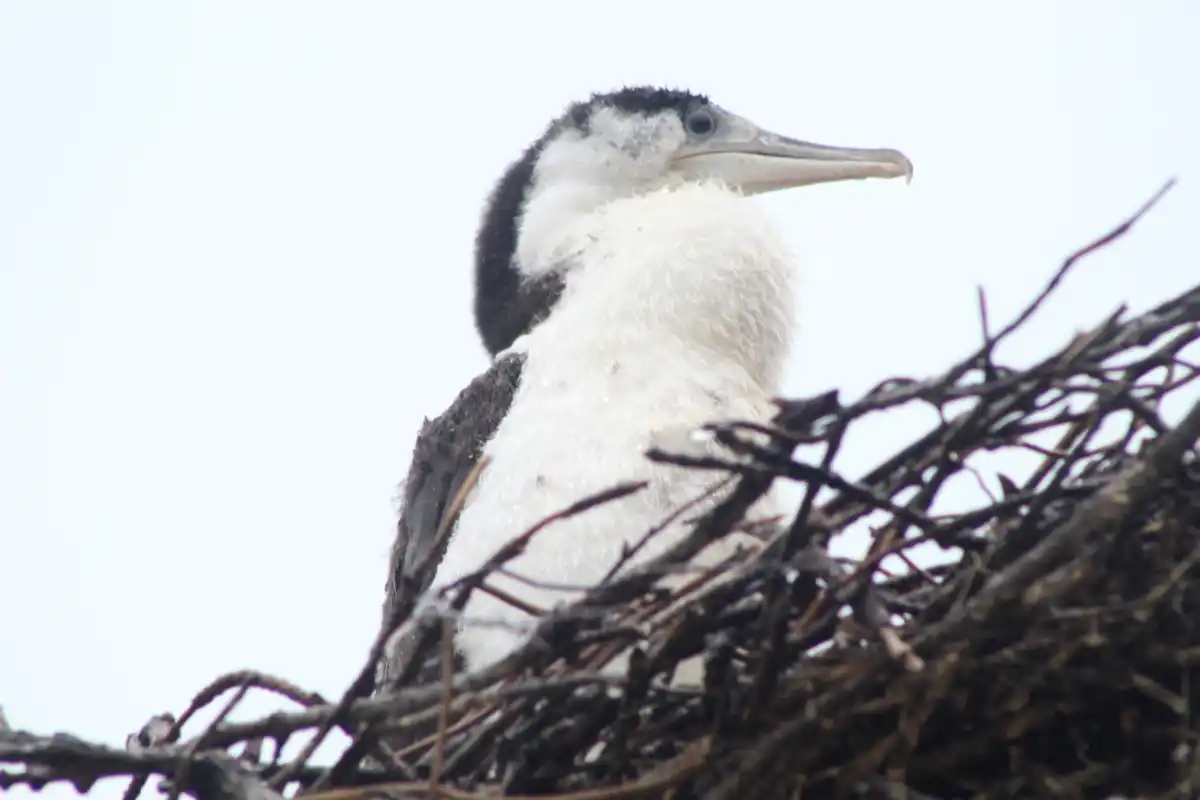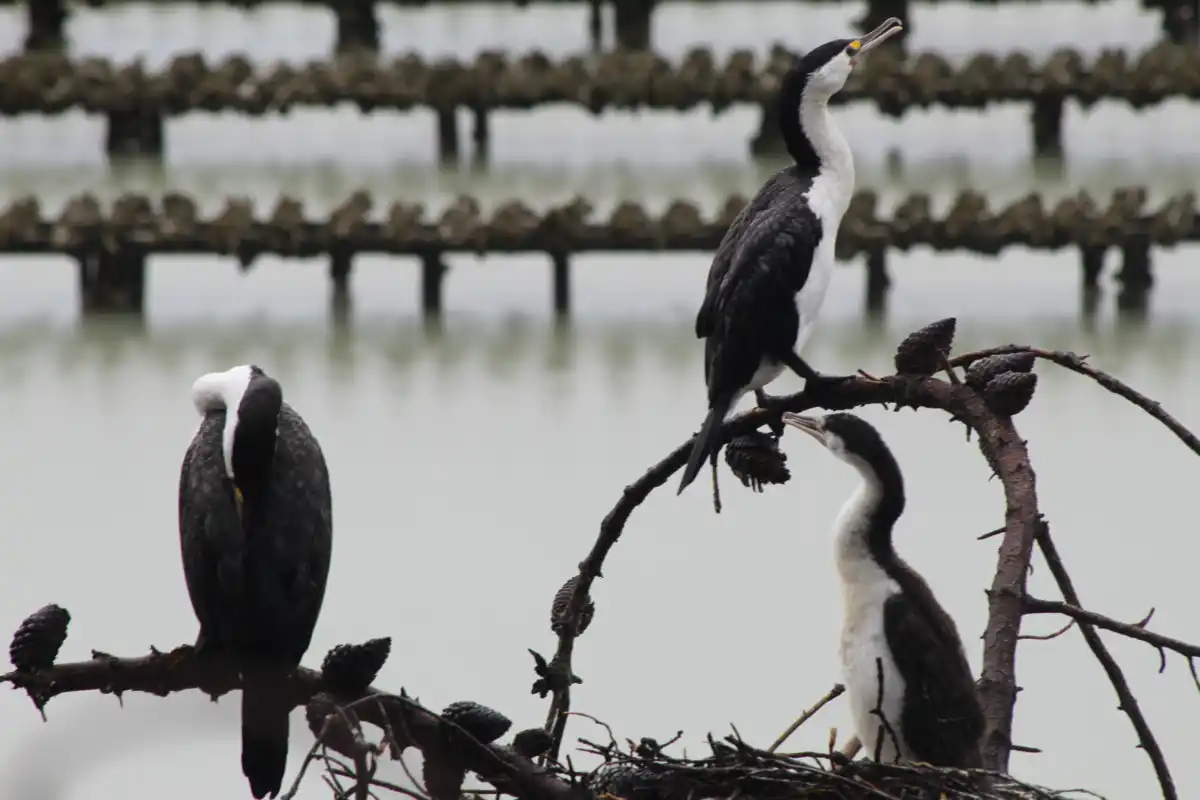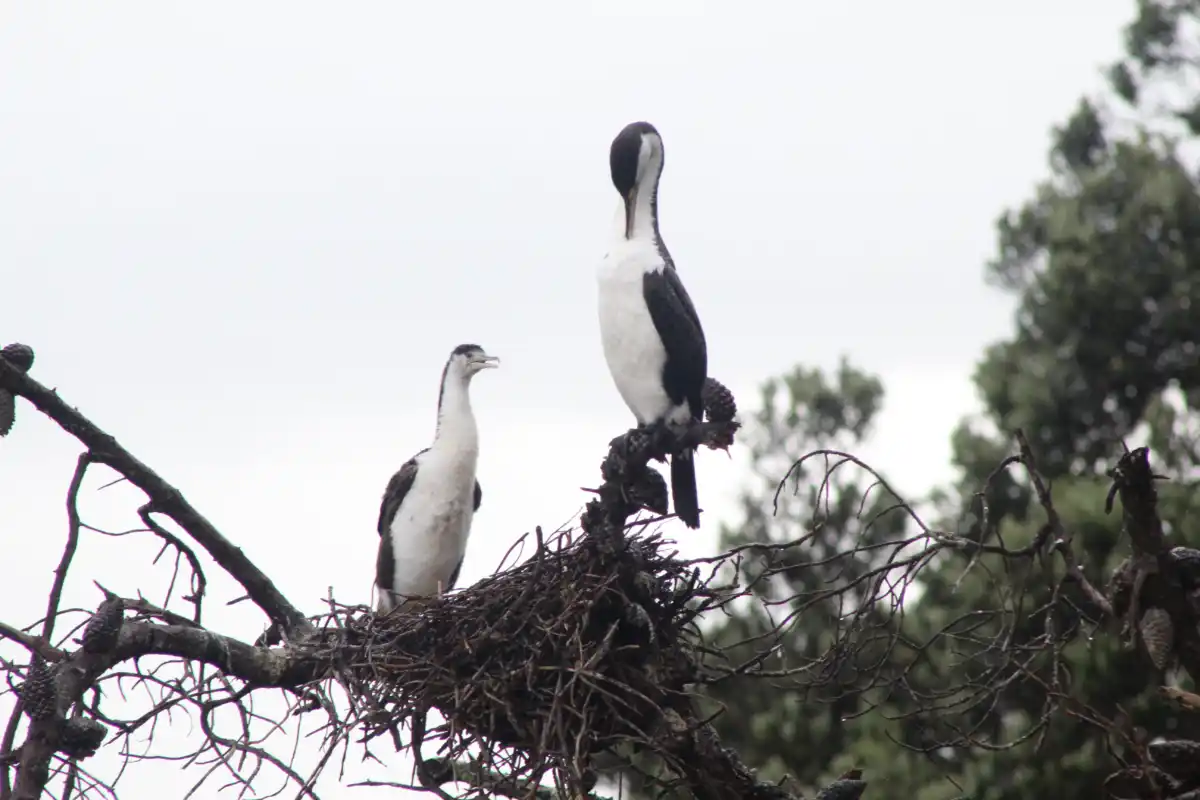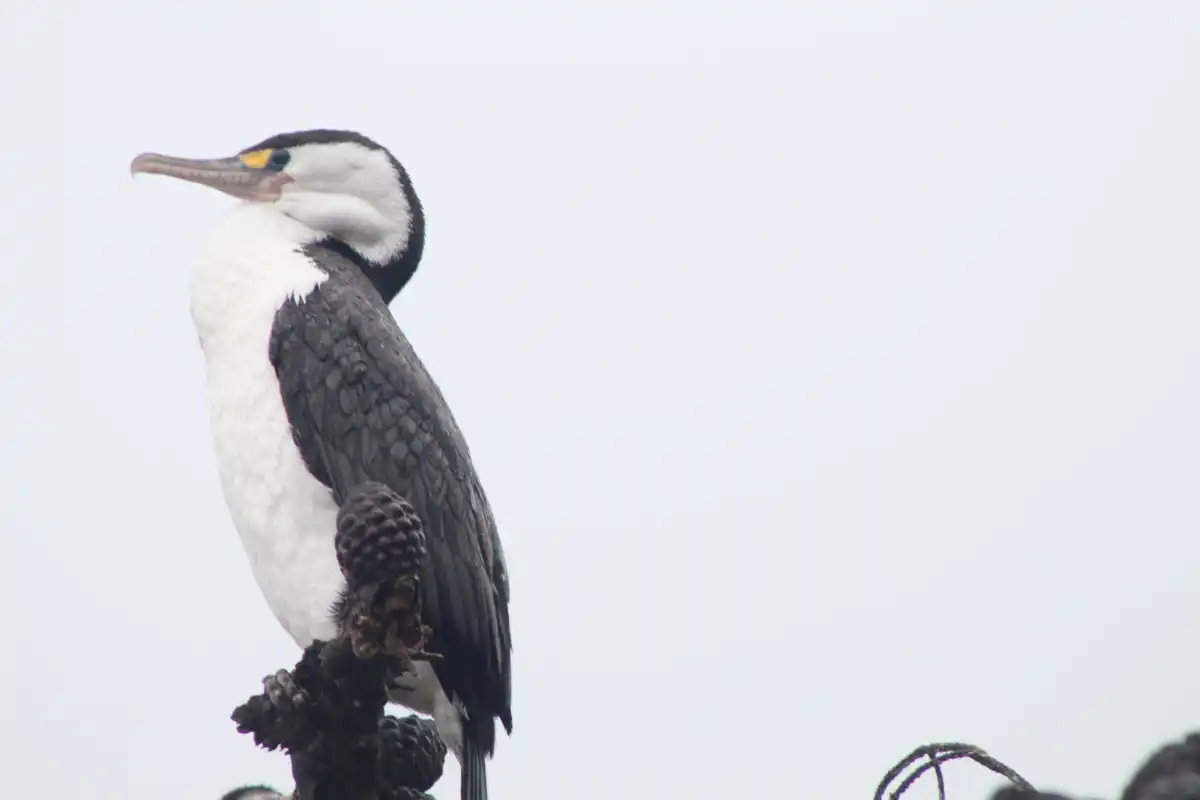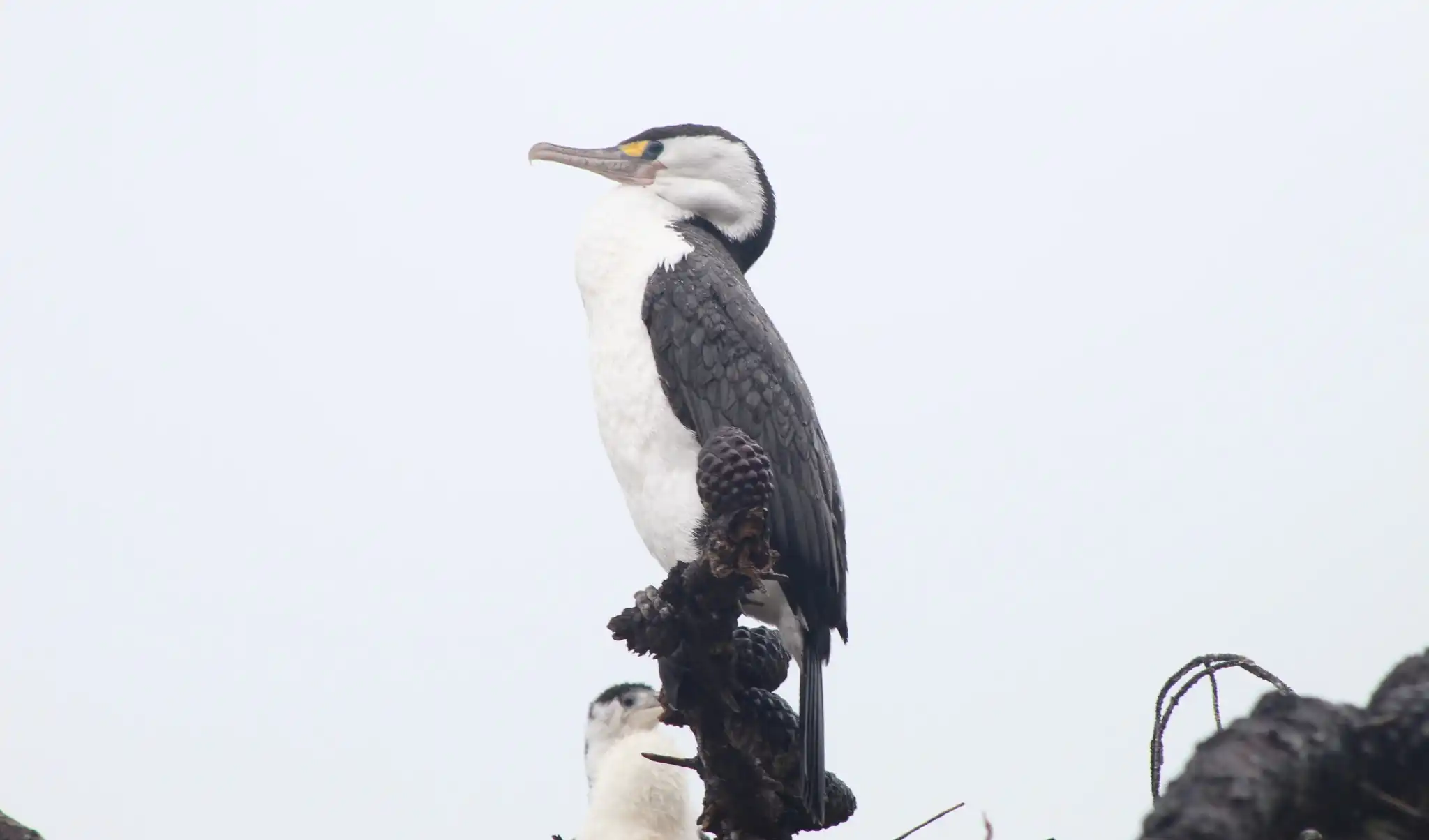
This large black-and-white shag is often seen individually or in a group, usually spotted in the ocean searching for food or hanging around fisherman by the rocks of Waiheke.
Pied shags mainly inhabit coastal habitats about much of New Zealand. Adults have the crown, back of the neck, mantle, rump, wings, thighs and tail black, although on close inspection the upper wing coverts are grey-black with a thin black border. The face, throat, sides of neck and underparts are white. The long, hooked beak is grey, the iris is green, and legs and feet black. On breeding adults, the skin in front of the eye is yellow, at the base of beak is pink or pink-red, and the eye-ring is blue.
They can usually be readily seen about harbours and estuaries associated with cities or towns. Unlike most other shag species, the pied shag is reasonably confiding, allowing close approach when roosting or nesting in trees. It generally forages alone, but occasionally in small groups when prey is abundant.
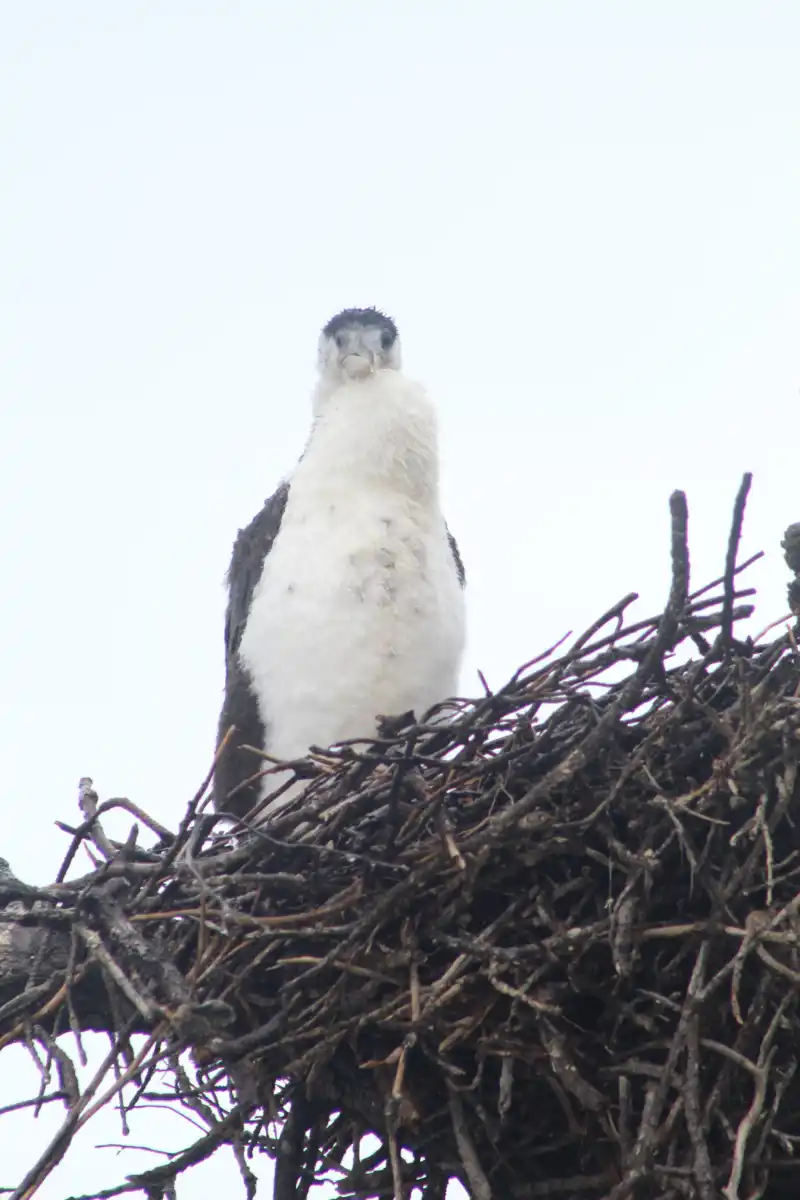
Non-breeding adults have paler skin colours than breeders. The upperparts of juveniles and immatures have dark and pale brown tones. Their underparts are white but with varying amounts of brown mottling, from almost entirely brown to little at all. The skin in front of eye is pale yellow, at the base of the beak is grey – pale pink, and eye-ring is grey.
Pied shags are generally silent away from nesting colonies, but quite vocal at colonies during pair formation, nest building and when one of a pair returns to nest during incubation.
Their is a similar species called little shag which is much smaller and has a short stubby yellow beak.
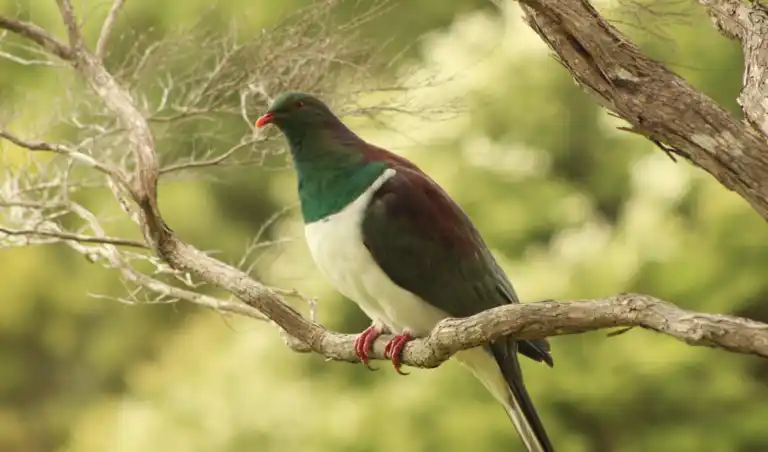
The Wood pigeon is a large distinctively-coloured pigeon, it is easy to find on Waiheke due to its size, they are usually perched on powerlines or trees.
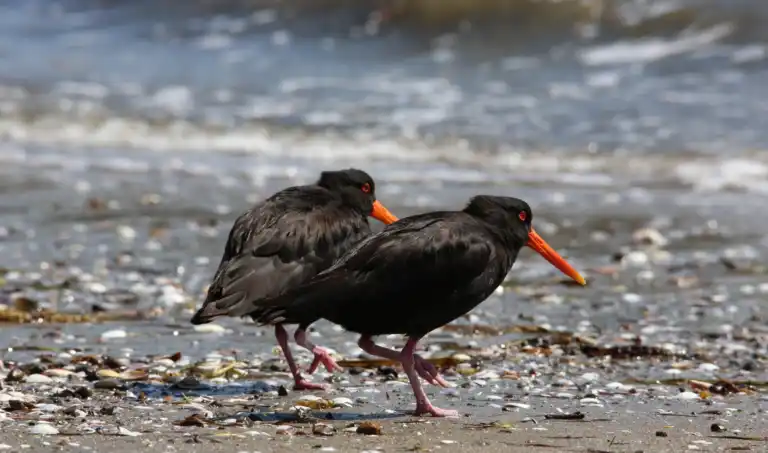
The variable oystercatcher is a stocky coastal bird with a long, bright orange bill, it is located on many quiet beaches such as Blackpool, Whakanewha and Anzac bay.
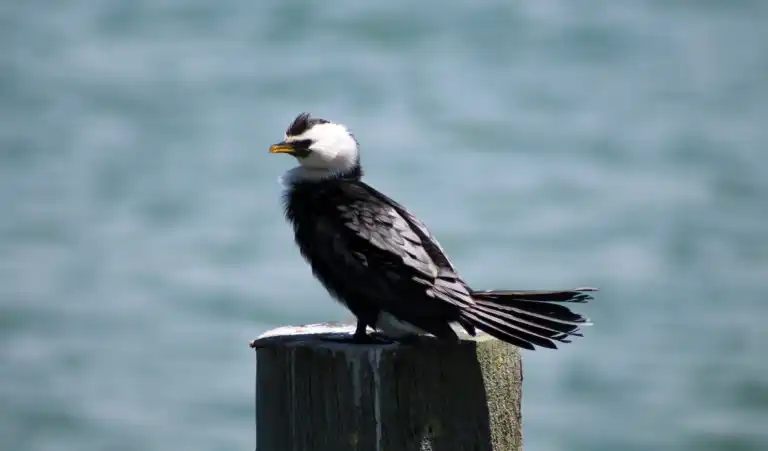
The little shag is a small shag, with a short yellow bill, black feet, a relatively long tail, usually spotted in the ocean searching for food or hanging around Waiheke…
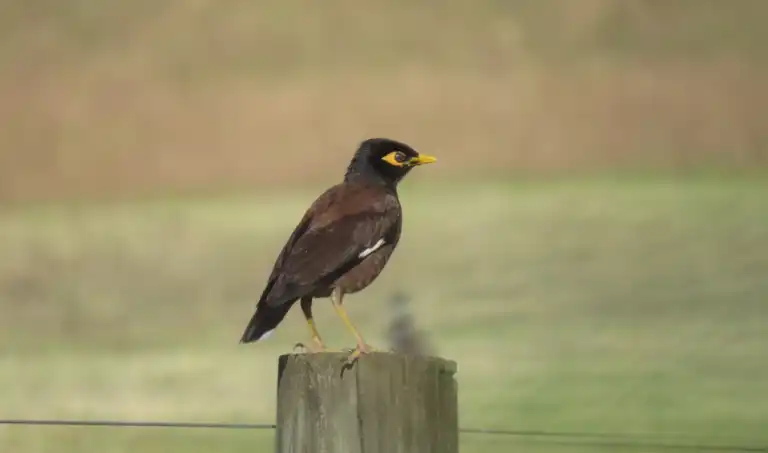
Mynas are stocky brown birds with a shiny black head and shoulders. Commonly found on road sides on Waiheke, usually playing chicken with cars while foraging for food.
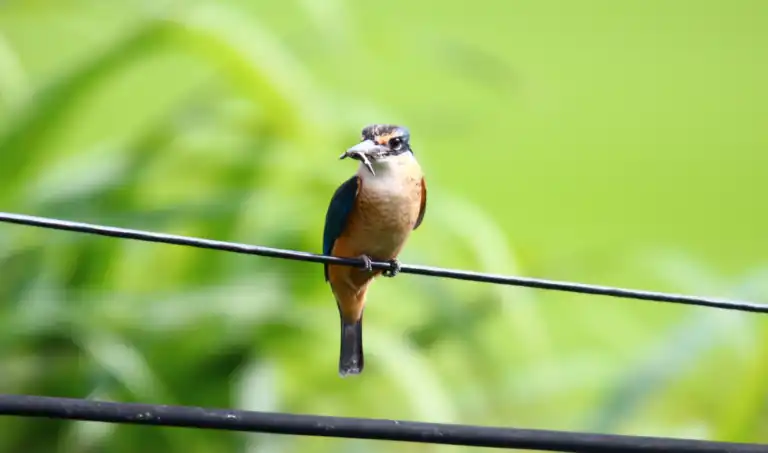
The sacred kingfisher is a distinctive bird with a green-blue back, buff to yellow undersides and a large black bill. they can be found nearby tidal beaches on waiheke.
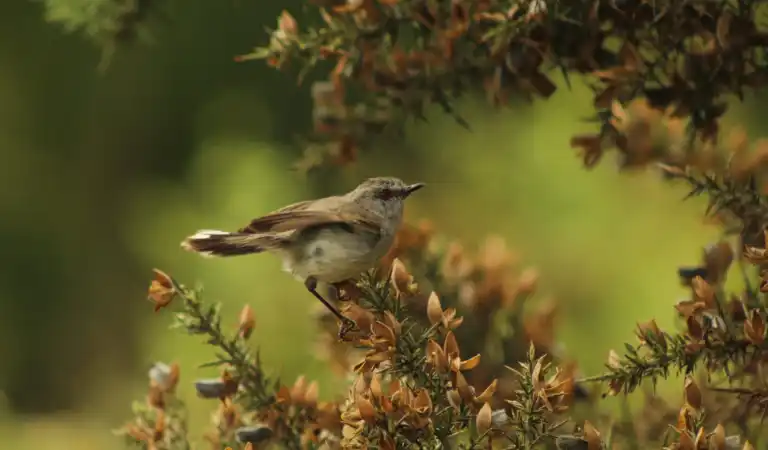
The Grey Warbler is a tiny olive-grey song bird often heard before seen. Locations on Waiheke are dense woody vegetations. The warbler can be difficult to spot.
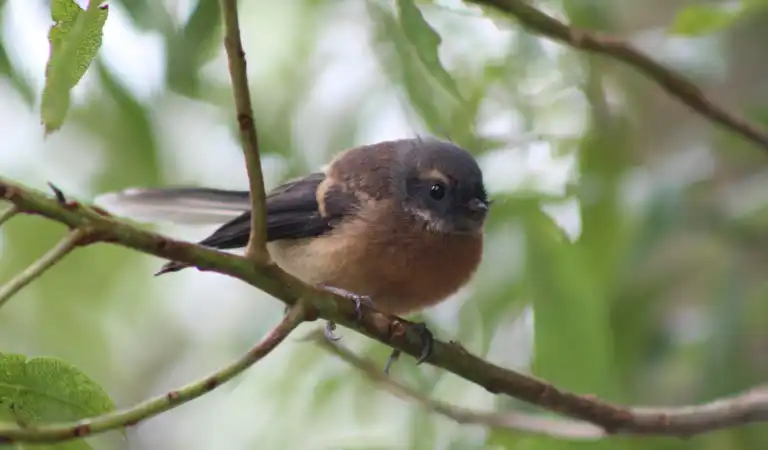
The Fantail is a well known NZ bird due to its distinctive fanned tail. Locations found on Waiheke are any well-treed parks, bush walks and even properties.
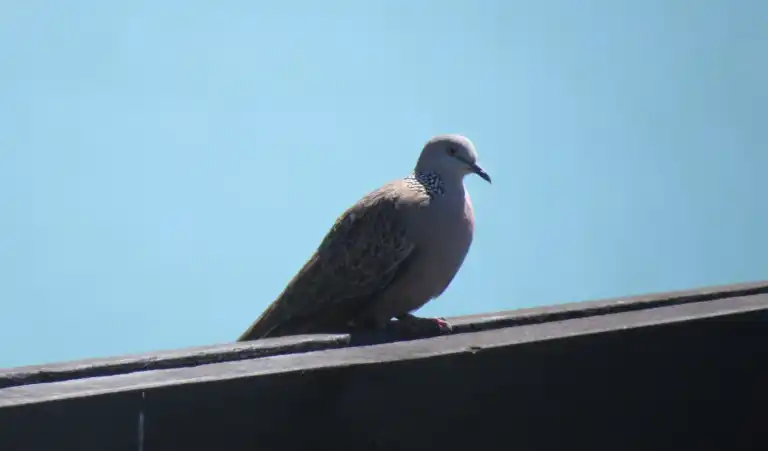
The spotted dove is a medium-sized, long-tailed dove, with a greyish head and speckled greyish brown upperparts. Found on Waiheke around gardens and the rooster reserve.
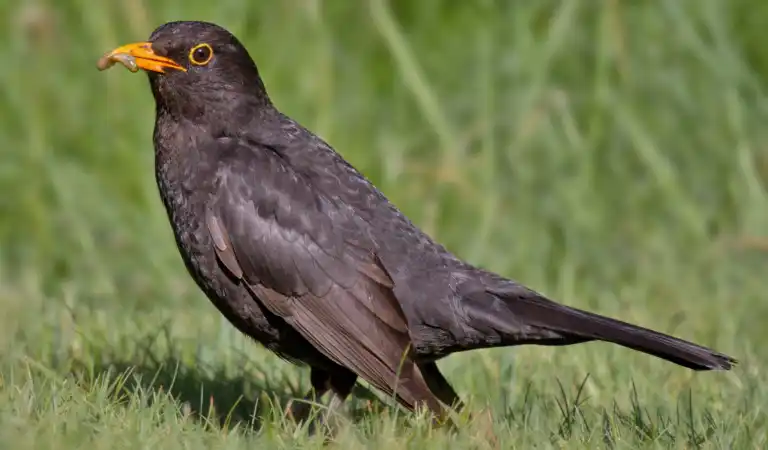
The black bird is a medium-sized songbird that is entirely black in adult males with a yellow bill. Abundantly found on Waiheke around household properties and trees.
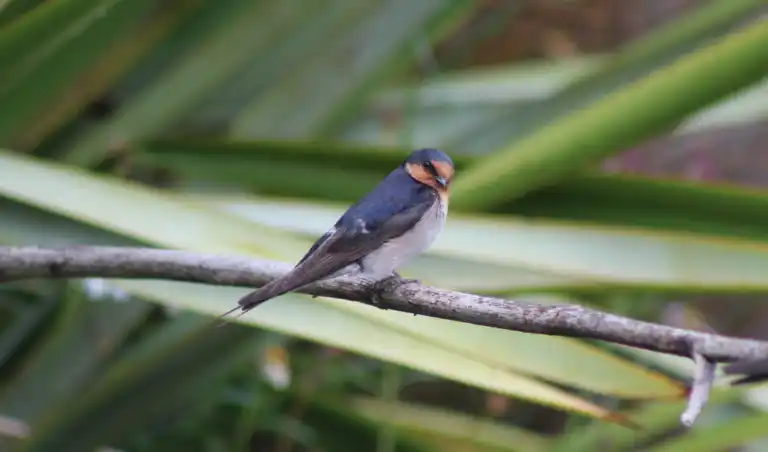
Welcome swallows are small fast-flying birds, they are usually seen around waiheke during breeding season between August and February on powerlines, fences and beaches.
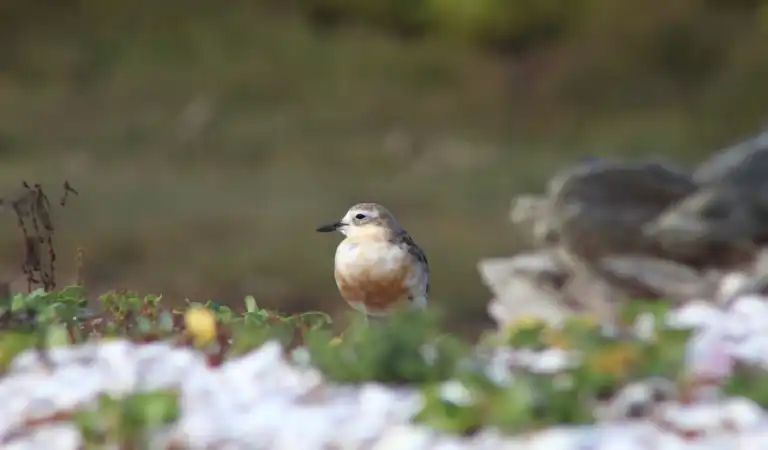
The New Zealand Dotterel is a shorebird which breeds on beaches in NZ's North Island. Locations found on Waiheke are Whakanewha, Anzac Bay and Blackpool.
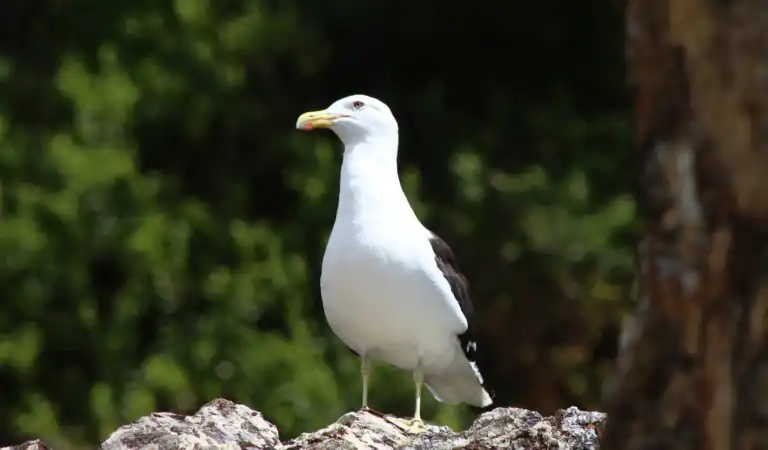
The Black-backed gull is a large black-and-white gull with a white head and underparts, black back, yellow bill with a red spot near the tip. Located on Waiheke beaches.
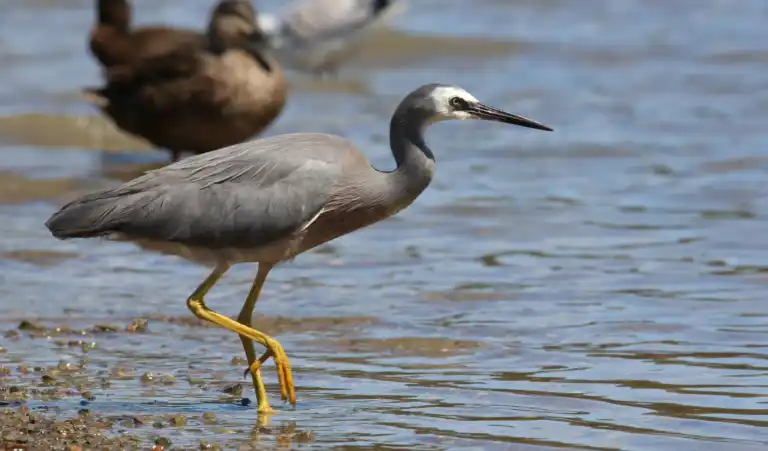
The white-faced heron is a tall, elegant, blue-grey bird usually spotted stalking prey. Locations found on Waiheke are Mangroves, Anzac bay and quiet beaches.
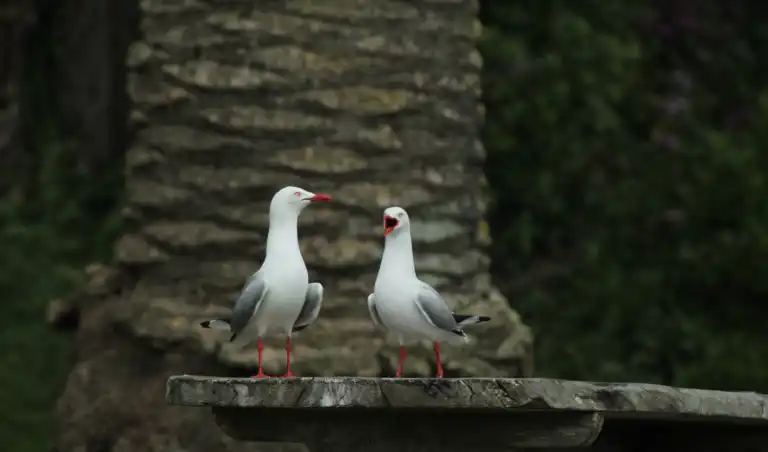
The red-billed gull also known as a "Seagull" is common around New Zealand Coasts. Located everywhere on Waiheke beaches where food or bait is readily accessible.
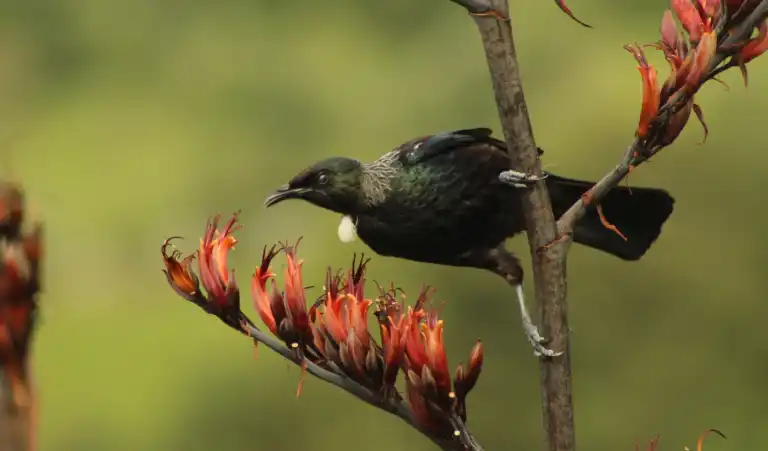
The Tui is a iridescent blue-green honeyeater with two curled white feather tufts on the throat. Locations found on Waiheke are around flaxes feeding off nectar.
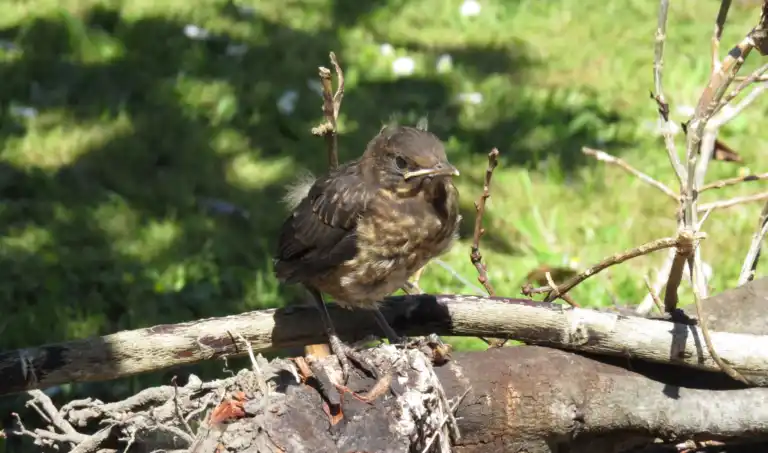
The thrush is a medium-sized songbird with a speckled brown-on-cream breast, usually heard before it is seen, found in grass reserves, gardens and trees on Waiheke.
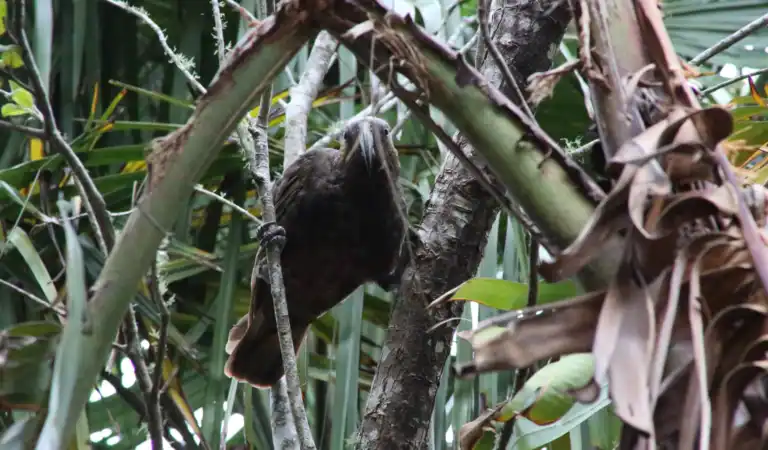
The Kaka is a large, olive-brown parrot with grey-white crown, red-orange underwing and deep crimson belly, located in tree covered areas around Palm beach and Onetangi.
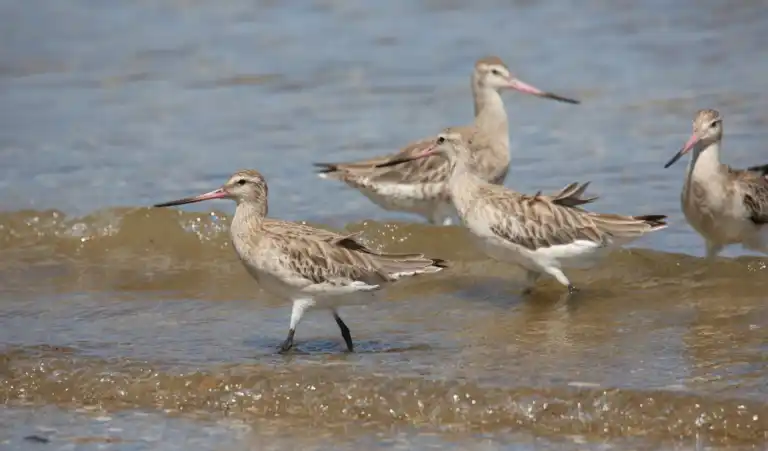
The Godwit is a migrant from Alaska, they fly 8-9 days straight to arrive in NZ. They can be found on Waiheke from September - March located at Blackpool.
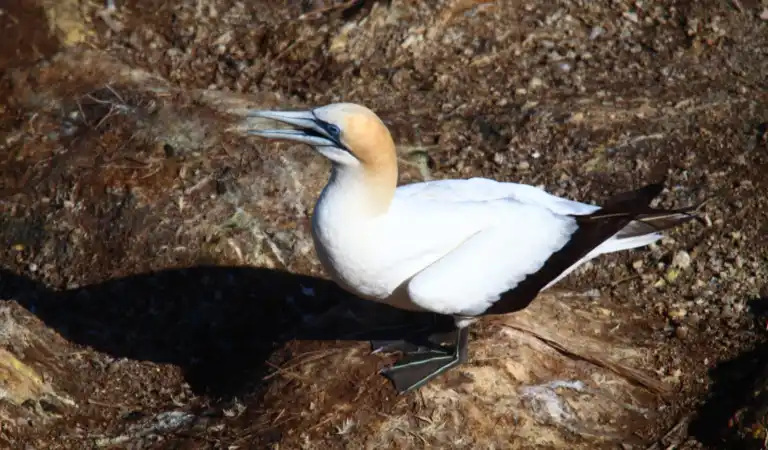
The gannet is a large slender-bodied seabird with mainly white plumage, buff-yellow head and neck. Occassionally seen around Waiheke searching for food in ocean depths.
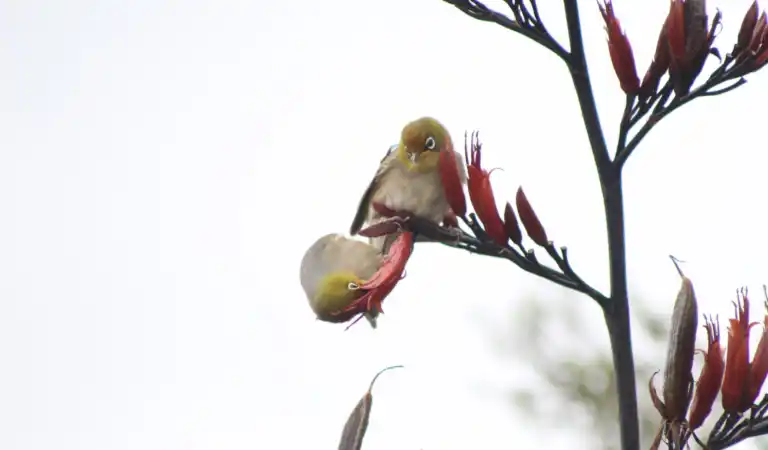
A small songbird, immediately recognisable by its distinctive white eye-ring. This quick little bird can be found feeding off flax and kowhais or fruit trees on Waiheke.
This large black-and-white shag is often seen individually or in a group, usually spotted in the ocean searching for food or hanging around fisherman by the rocks of Waiheke.
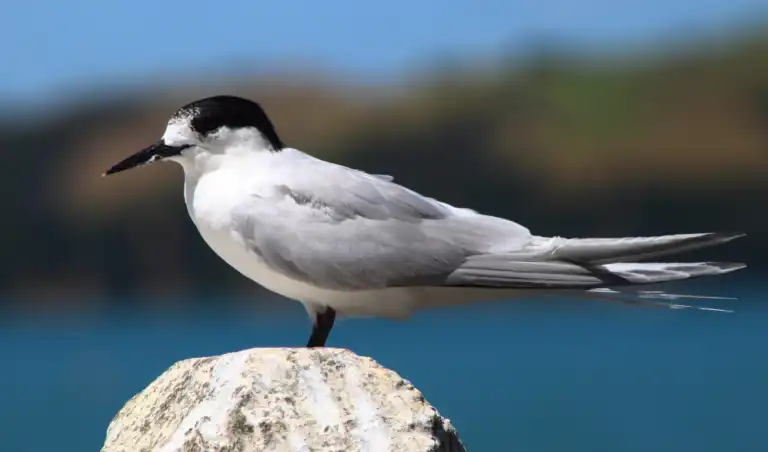
The white-fronted tern is a medium-sized, long-tailed sea tern commonly around New Zealand coasts. Spotted congregating on Waiheke wharfs such as Matiatia and Orapiu.
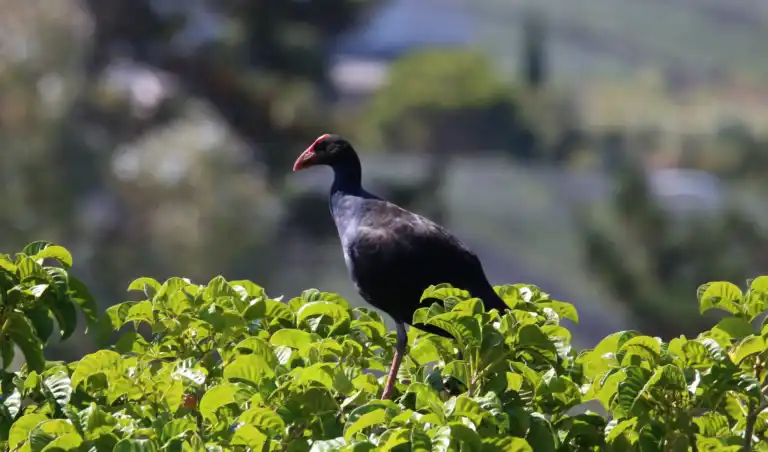
The Pukeko is a large relatively compact rail with a deep blue-violet head, breast and throat and a red bill. Found in swamp/Mangrove areas of Waiheke Island.
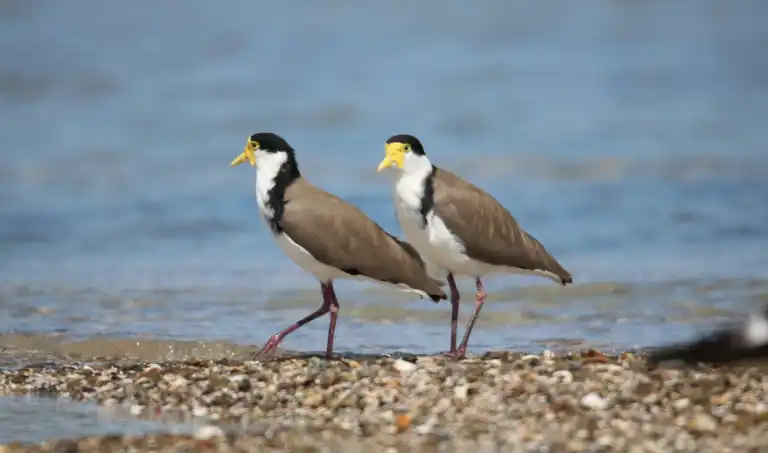
The Spur-winged plover is a large stocky wader with a yellow bill and spurs on each wing, locations found on Waiheke are Blackpool, Maori hill and Whakanewha.
Breeding
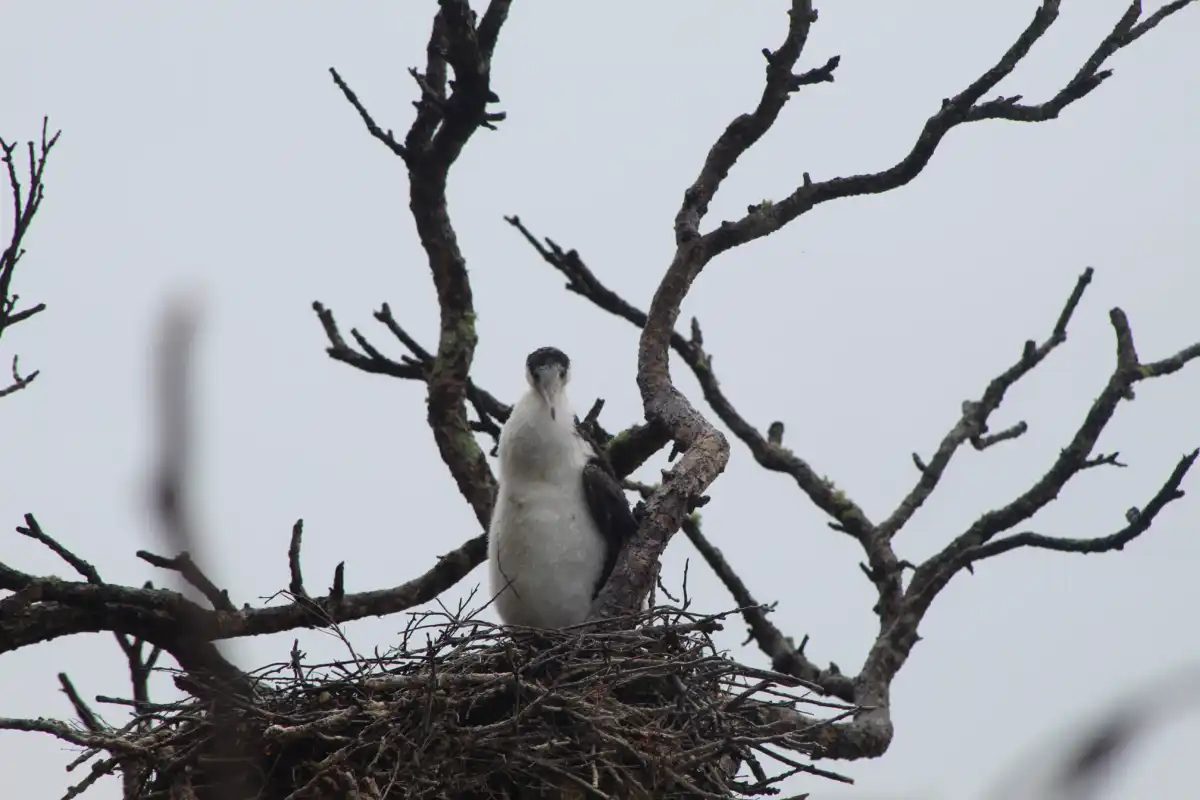
Pied shags mainly nest in trees along coastal cliffs, with a few colonies in trees in or about freshwater lakes near the coast.
Clutches are laid in all months, with peaks during February-April and August-October.
Clutch size is typically 2-5 eggs which are Pale blue-green often with patchy white chalky coating when recently laid which erodes during incubation.
Both sexes share incubation and care of young.
Chicks start flying at 7-8 weeks of age, and remain at or near the colony to be fed by their parents for a further 10-11 weeks.
Food
Pied shags feed mainly on fish (6-15 cm long) such as flounder, mullet, eel, goldfish, perch, goatfish, kahawai, wrasse and common trevally, they also occasionally feed on crustaceans.
Pied Shags are generally a solitary forager, but occasionally small groups gather where prey is readily available. When swimming slowly at the surface, they use alternate feet, but when foraging underwater they use both feet at the same time for propulsion. Pied shags generally forage in water less than 10 m deep.
Waiheke Locations
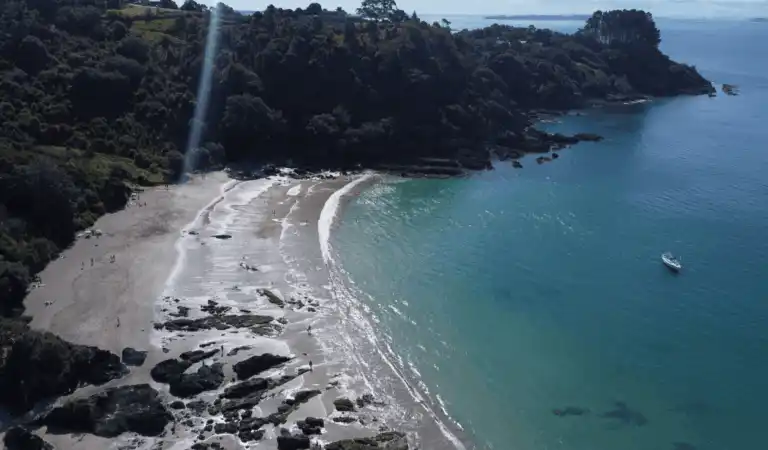
Shelly Beach – I was fortunate to get to take photos of there nesting area a few years ago, on an old fallen Pohutukawa tree.
Around Fisherman – Usually seen bobbing up and down in the ocean searching for food and hanging around fisherman by the rocks and boats.
Pied Shags are flying birds so they can really be anywhere on Waiheke but not just Waiheke they are all over New Zealand, these are just areas I’ve spotted them and photographed.
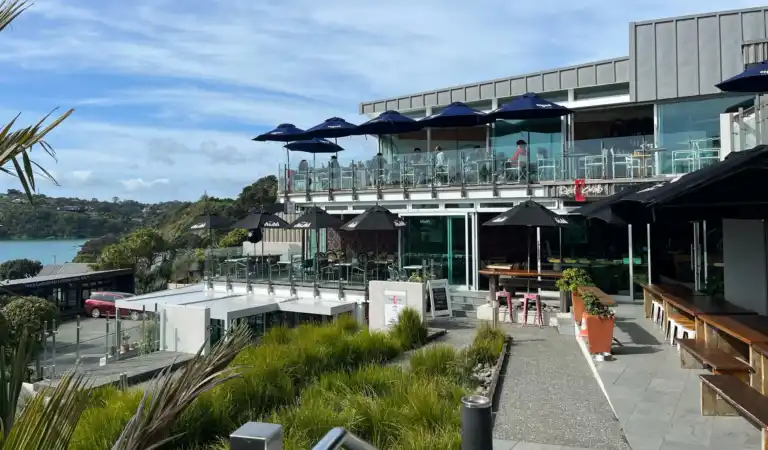
Red Crab Waiheke is the perfect place to go. Being the only Thai restaurant on Waiheke it is a popular place to eat at, experience the taste of Salty, sweet, sour and spicy.
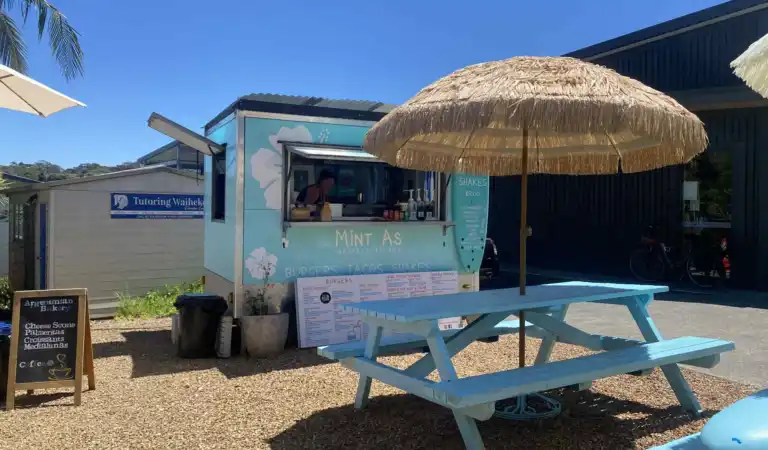
Mint As is a popular burger cart located in Ostend, next to RAW fruit and vege, they serve juicy burgers, taco’s and milkshakes all made while you wait.
Little Palm also known as “Nudie Beach” is a nudist beach located on the western side of Palm Beach. It is Waihekes only beach where its safe to swim and sunbathe naked.
Waiheke honey is a local honey business that offers organic and unpasteurized honey. They have a range of different size jars and a few types of honey to choose from.