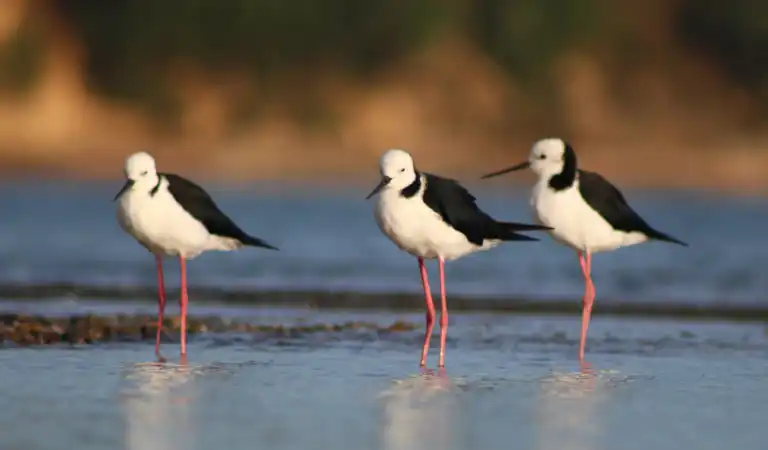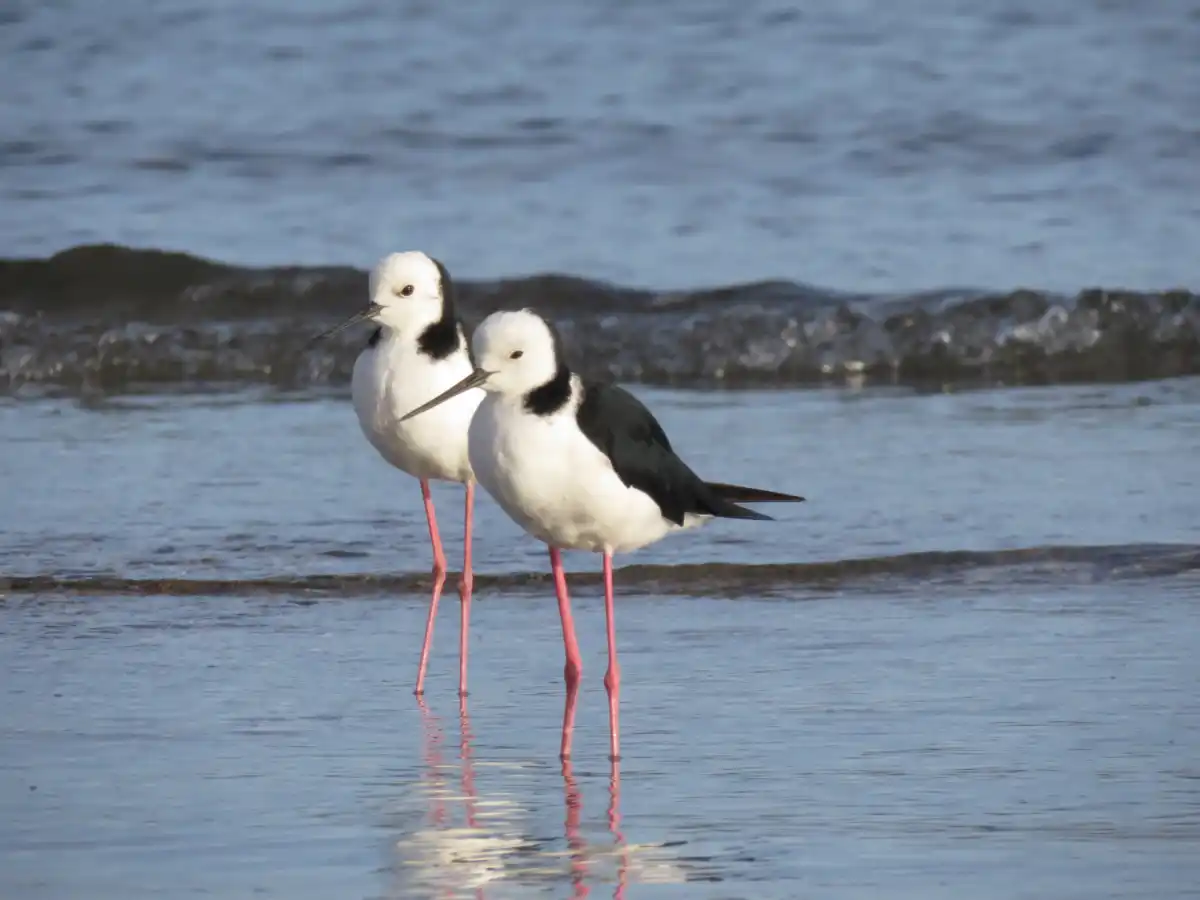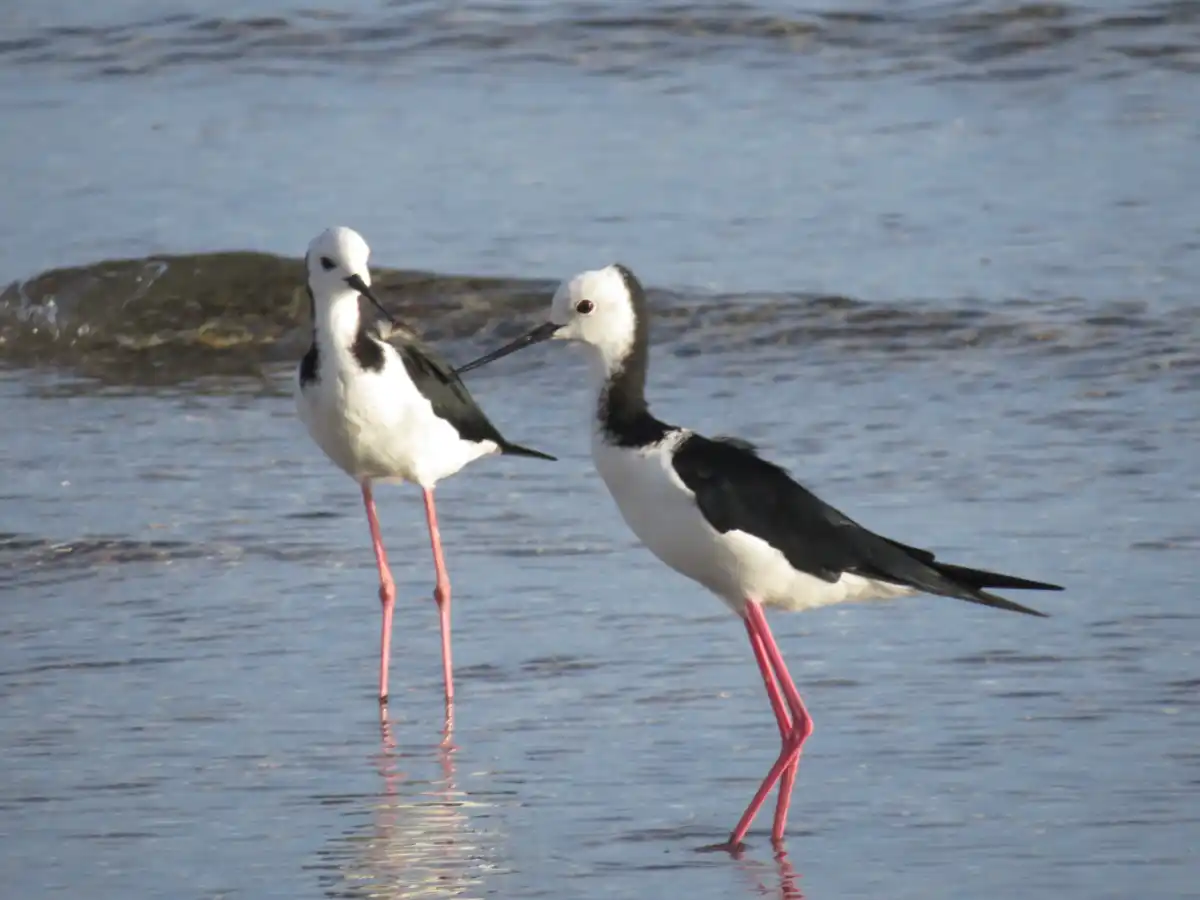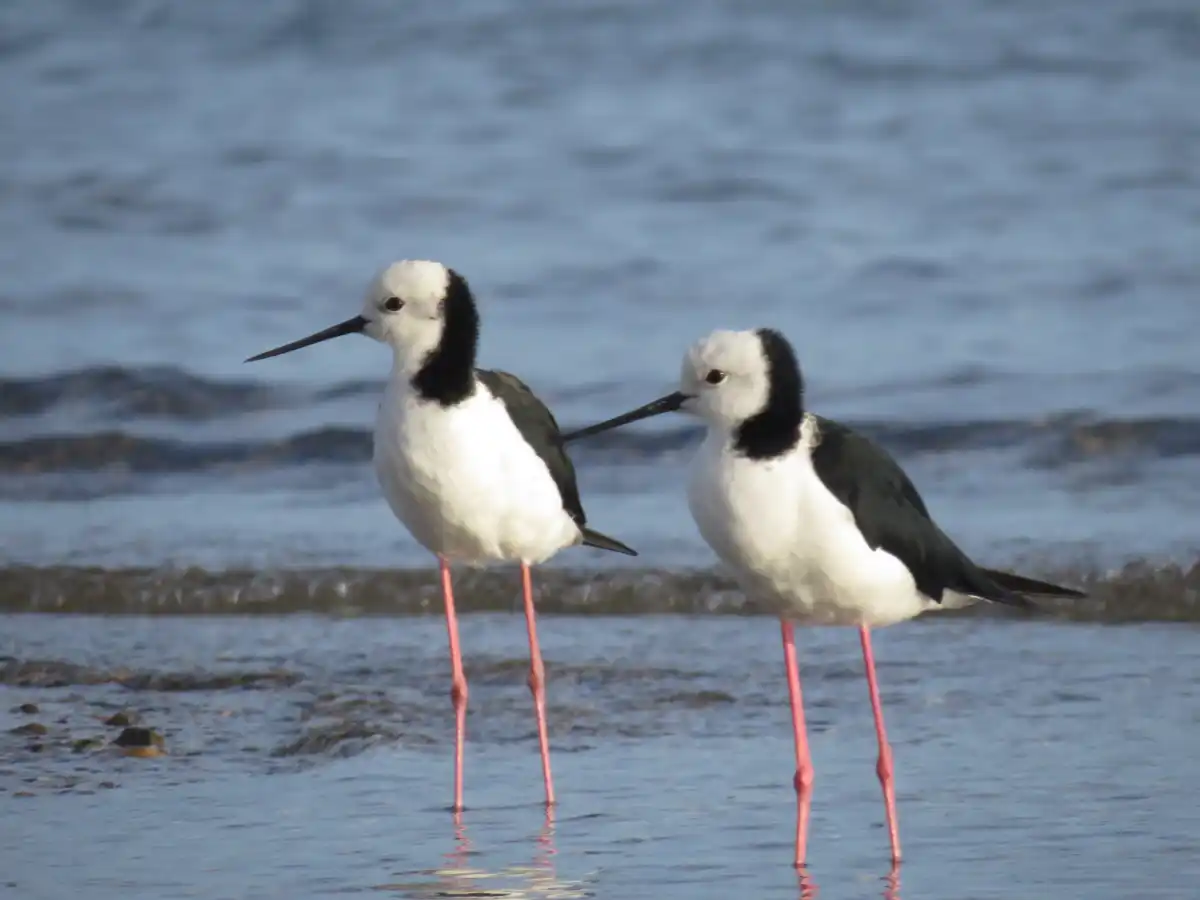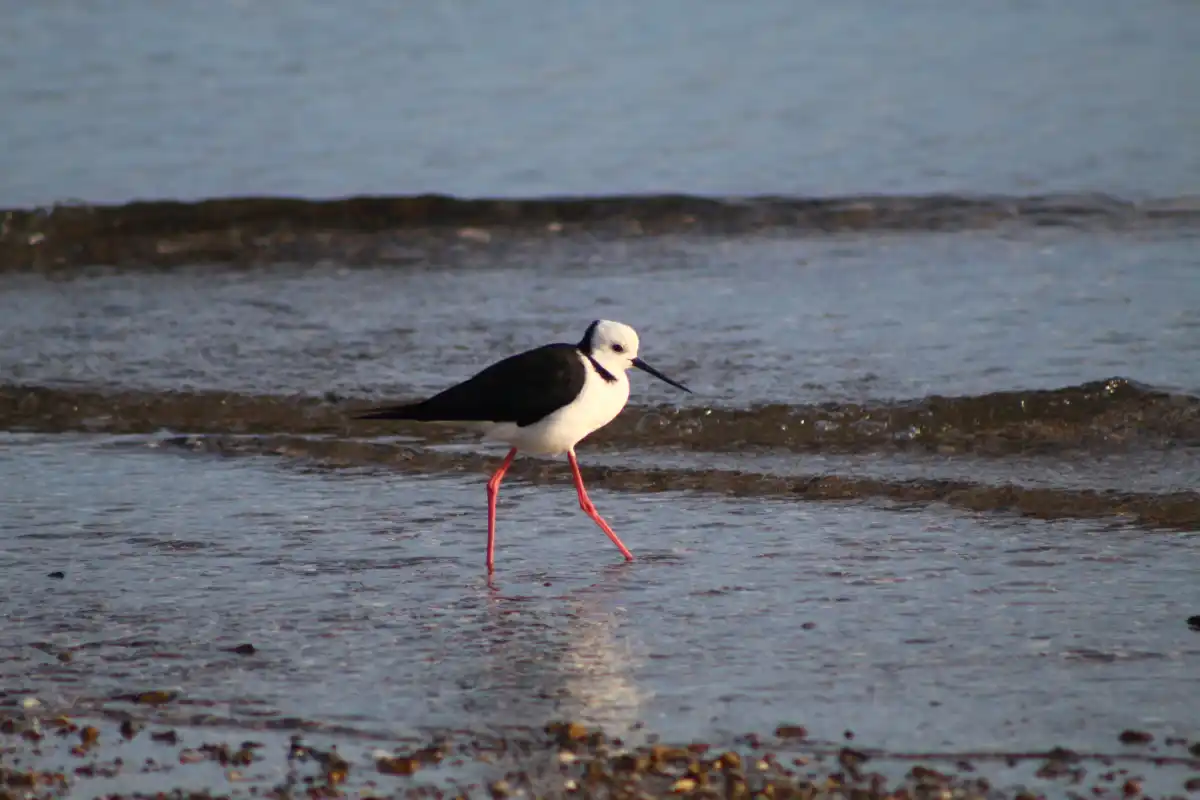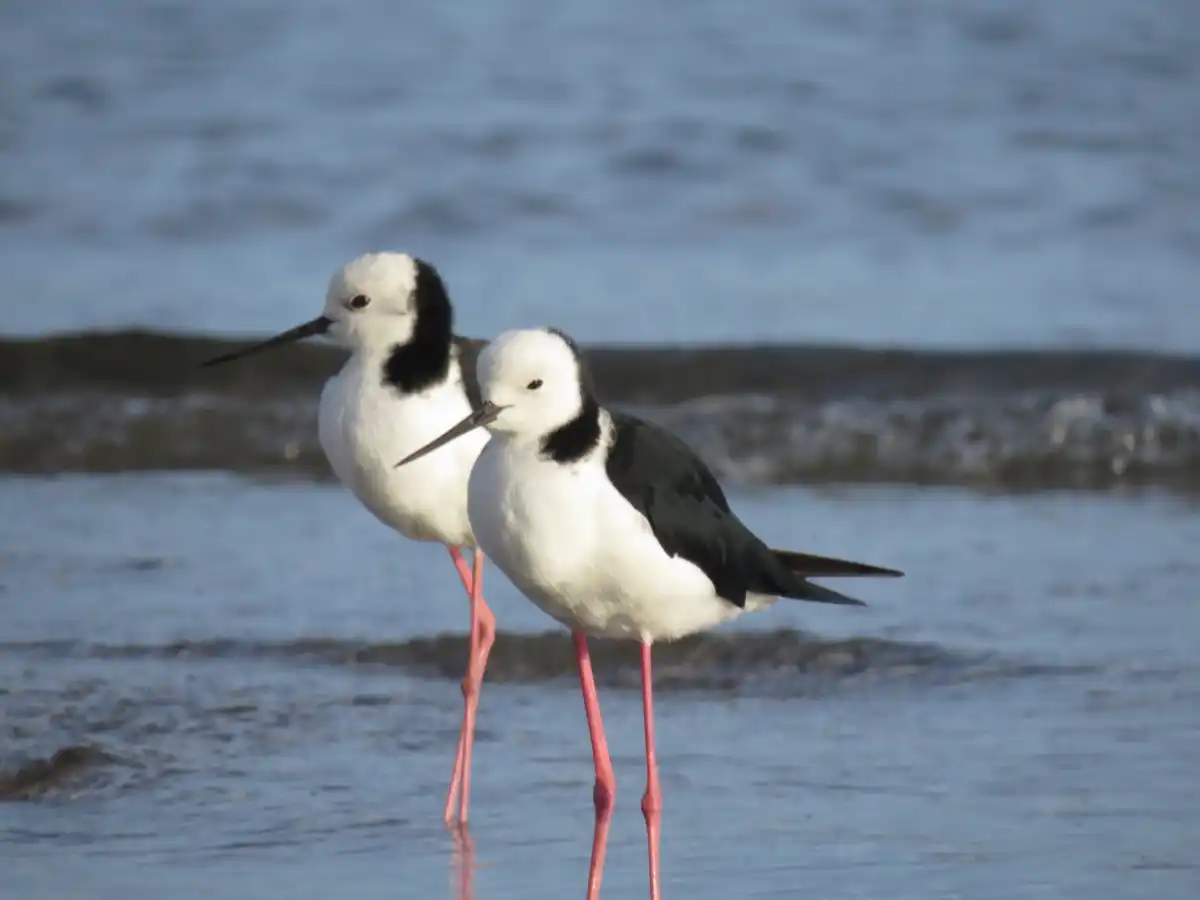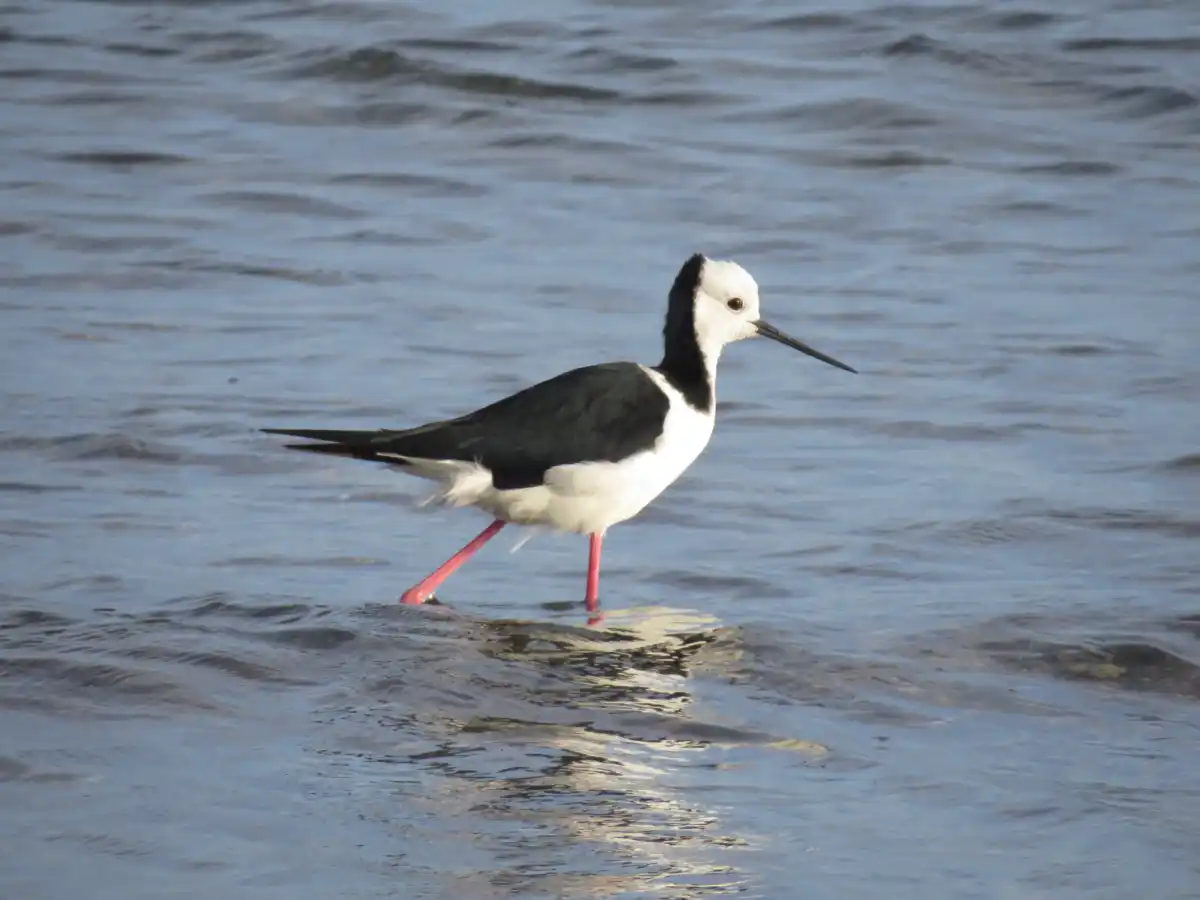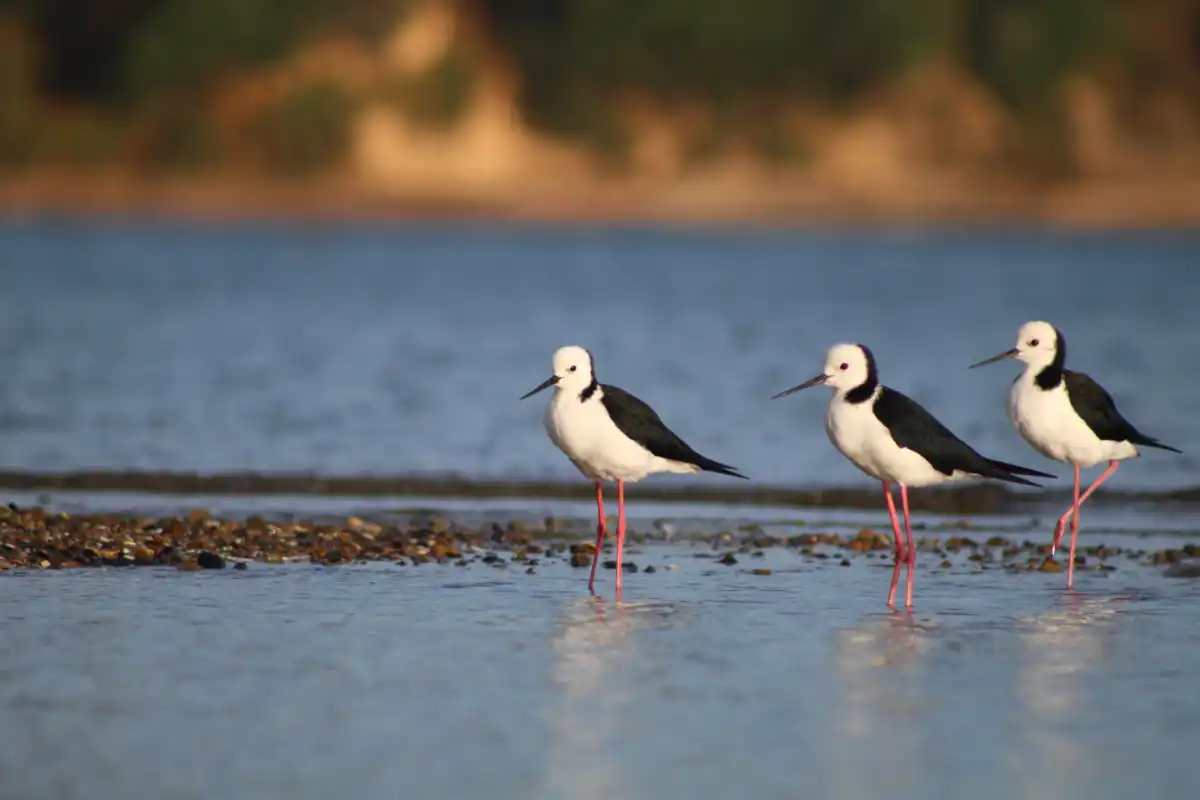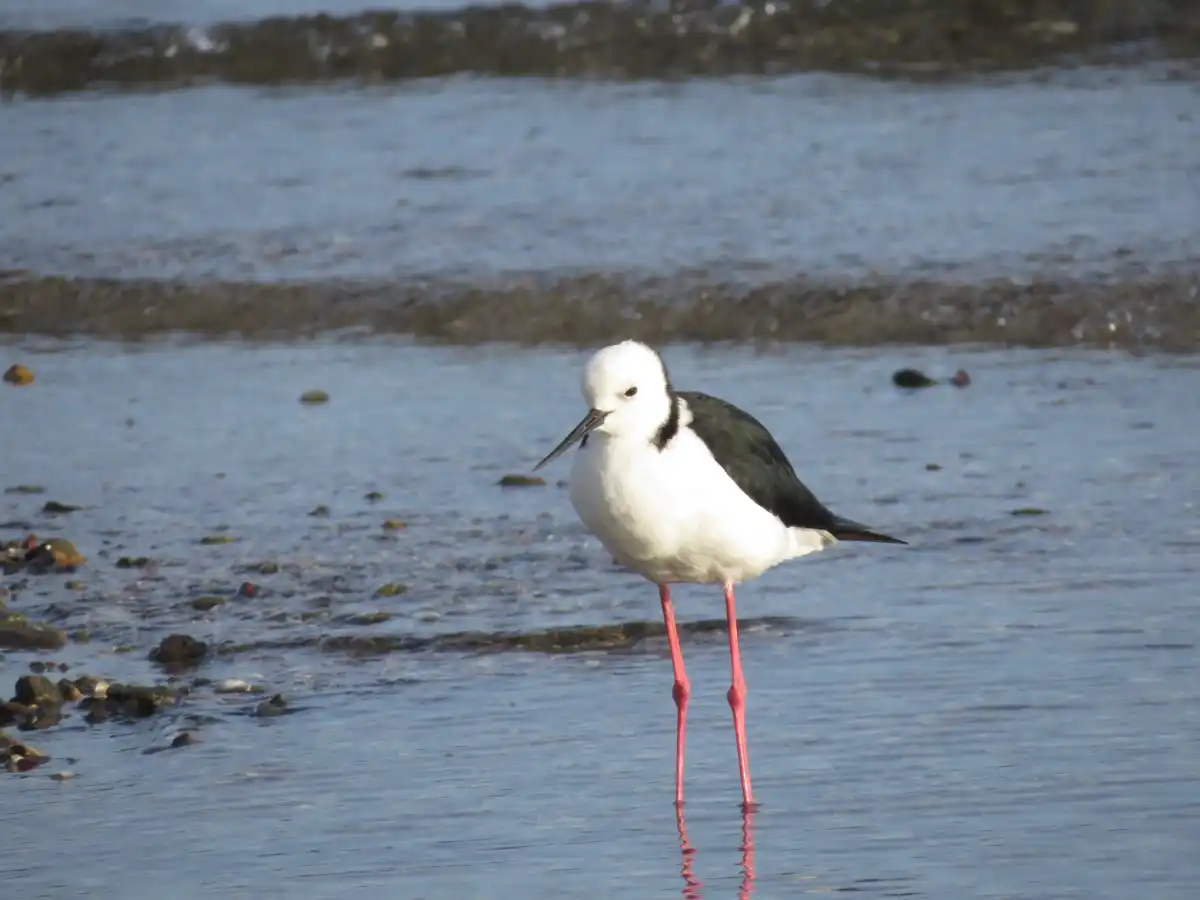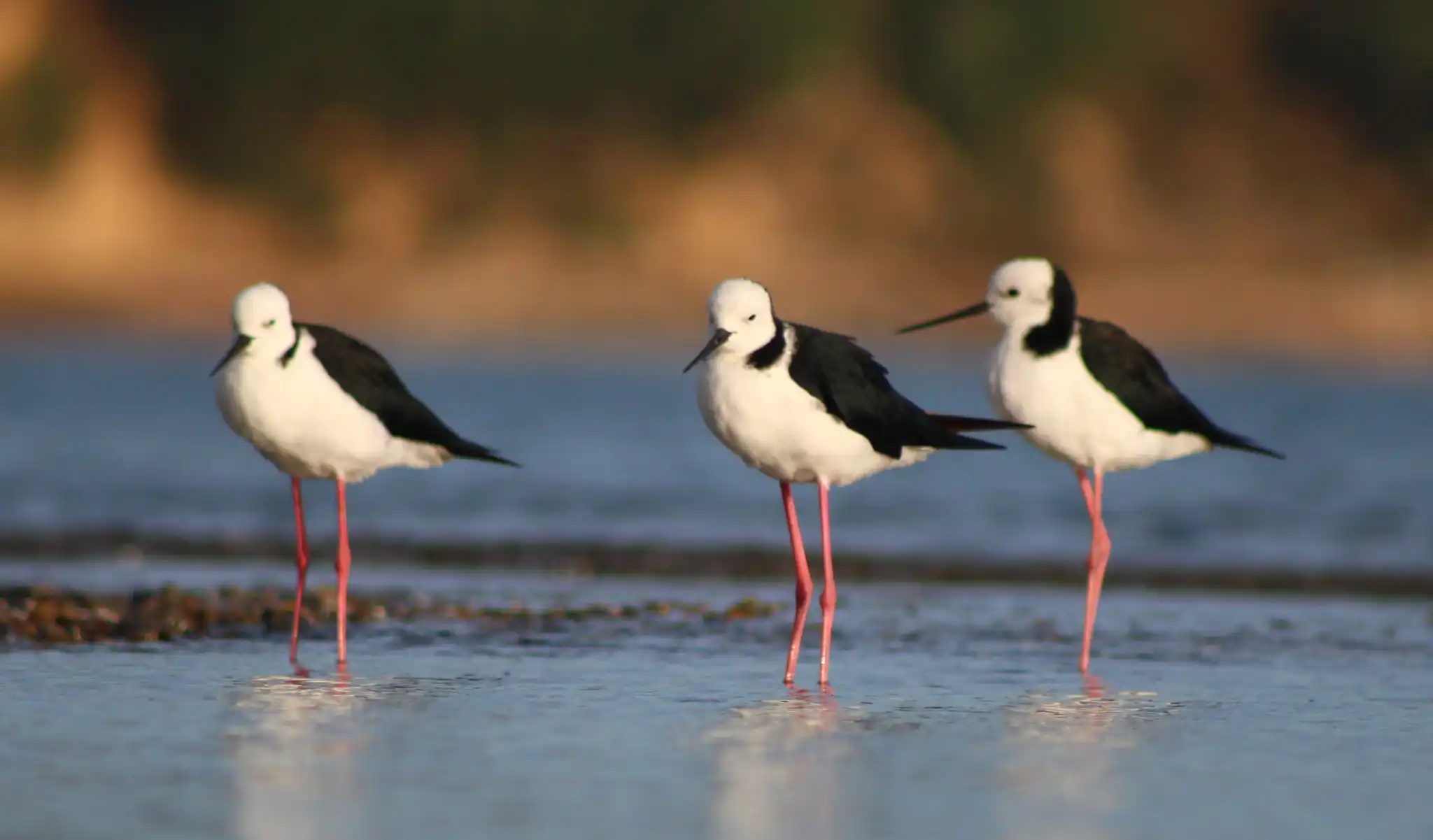
The pied stilt is a dainty wading bird, It is common at wetlands and coastal areas, found on Waiheke at Putiki Bay, Anzac Bay and Blackpool.
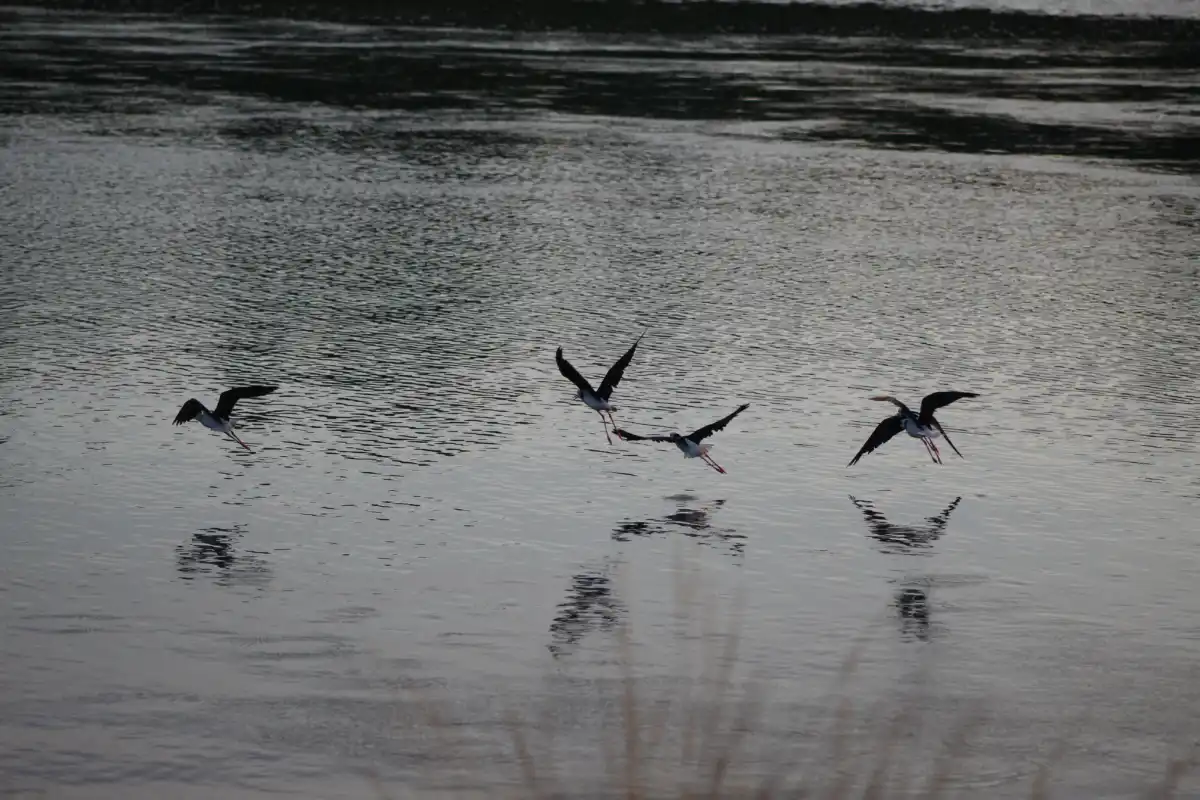
The pied stilt is a medium-large wader with very long pink legs and a long, fine, black bill. The body is mainly white with black back and wings, and black on the back of the head and neck. In flight the white body and black on the back of the neck are conspicuous. The underside of the wings is black, and the long pink legs trailing behind are diagnostic. Juvenile birds look similar to adults but the back of the head and neck are mottled fawn or brown and off-white and there is no black band. The wings are not quite as black as in the mature bird.
Pied stilts tend to be shy of people and fly away, yapping, when approached. Their calls heard most often are high pitched yapping alarm calls. A less strident version is used as a contact call, including by flocks flying at night.
Pied stilts live in all kinds of wetlands from brackish estuaries and saltmarshes to freshwater lakes, swamps and braided rivers. They feed in shallow water or mud and roost in shallow water or on banks or sandbanks. After the breeding season, birds migrate from inland locations towards more northerly coastal locations.
Pied stilts are highly gregarious and tend to stay in groups throughout the year. They feed together and roost together in what can become large and noisy flocks. They often associate with other waders – feeding and roosting alongside and flying with birds such as oystercatchers and godwits.
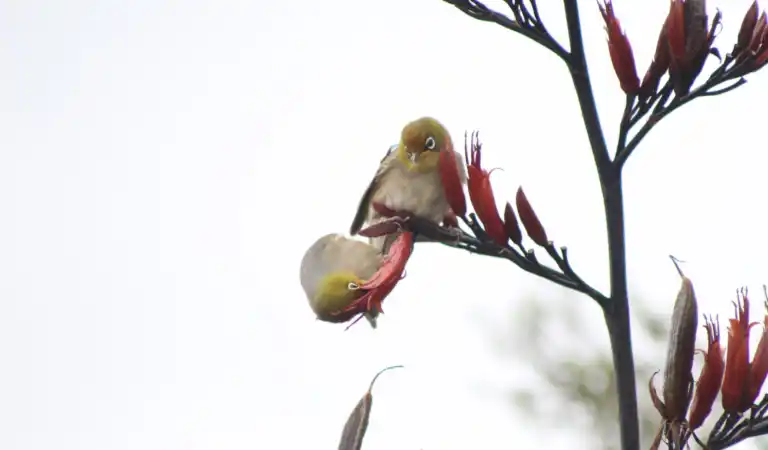
A small songbird, immediately recognisable by its distinctive white eye-ring. This quick little bird can be found feeding off flax and kowhais or fruit trees on Waiheke.
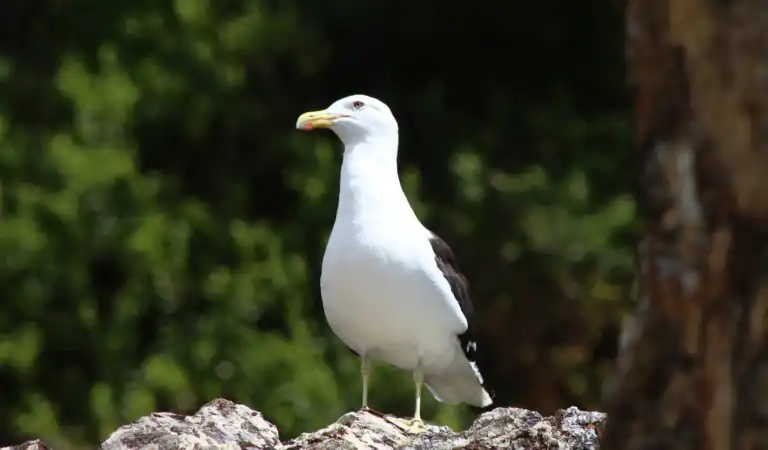
The Black-backed gull is a large black-and-white gull with a white head and underparts, black back, yellow bill with a red spot near the tip. Located on Waiheke beaches.
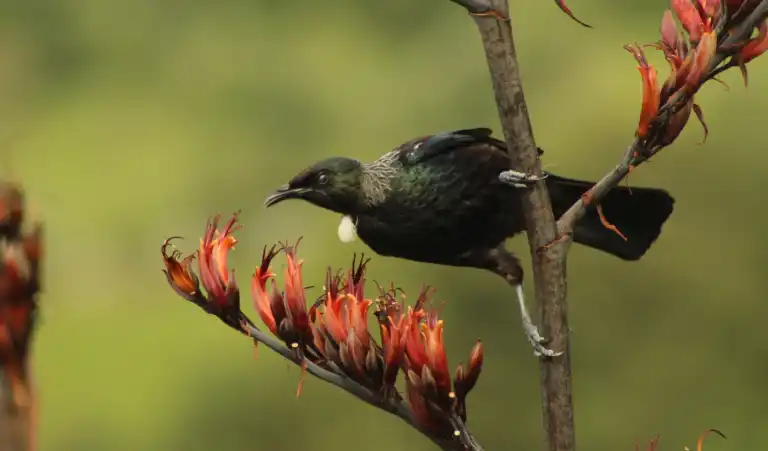
The Tui is a iridescent blue-green honeyeater with two curled white feather tufts on the throat. Locations found on Waiheke are around flaxes feeding off nectar.
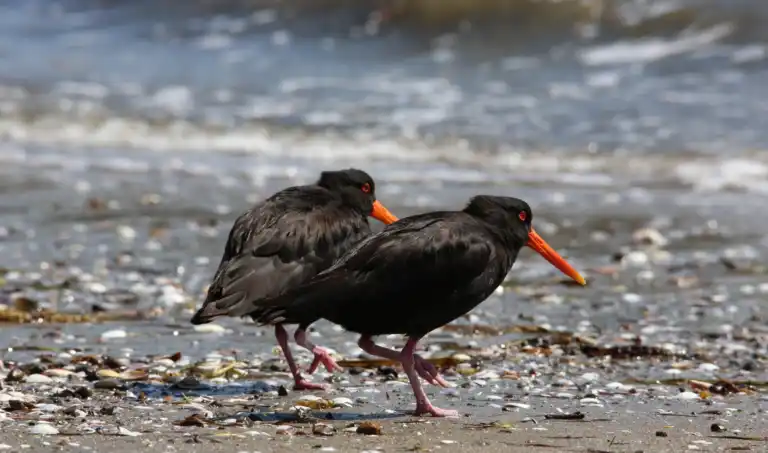
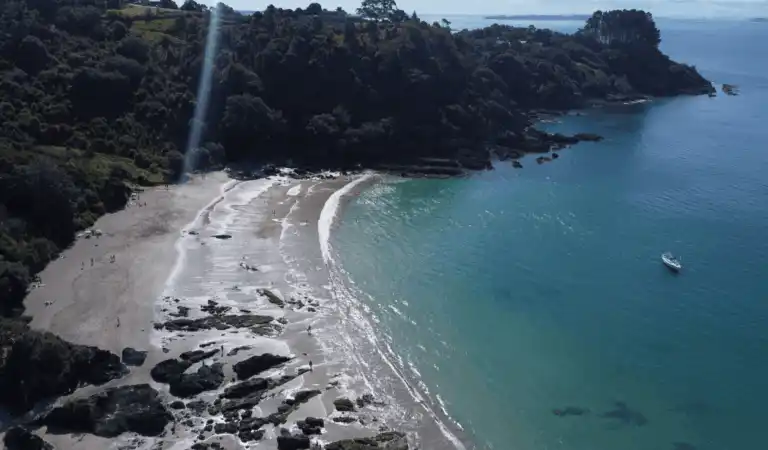
The variable oystercatcher is a stocky coastal bird with a long, bright orange bill, it is located on many quiet beaches such as Blackpool, Whakanewha and Anzac bay.
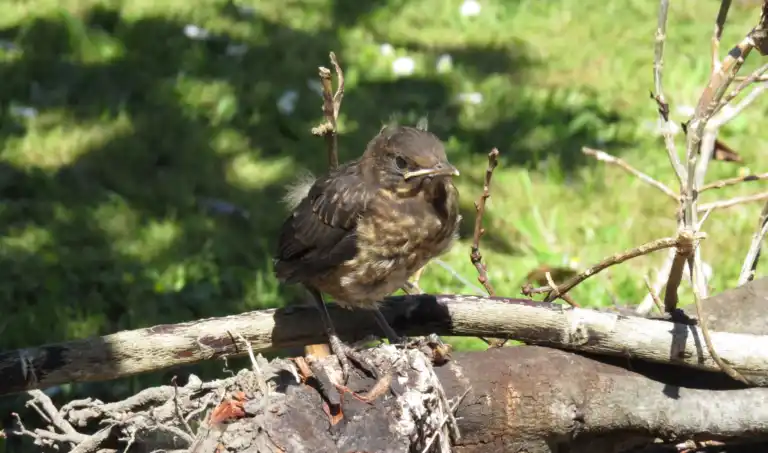
The thrush is a medium-sized songbird with a speckled brown-on-cream breast, usually heard before it is seen, found in grass reserves, gardens and trees on Waiheke.
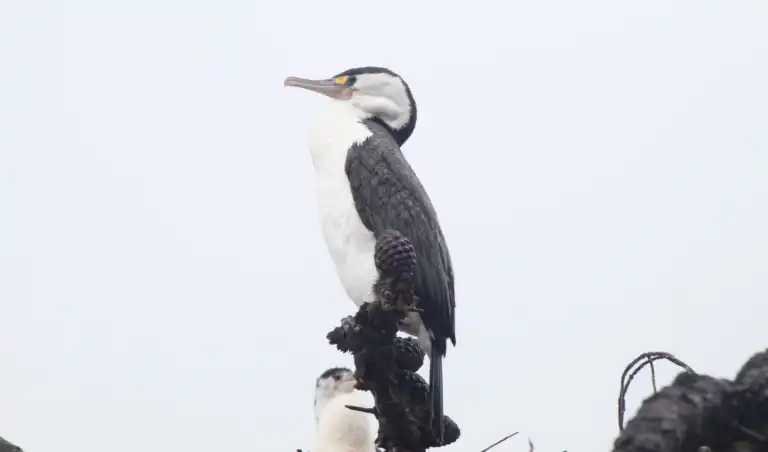
This large black-and-white shag is often seen individually or in a group, usually spotted in the ocean searching for food or hanging around fisherman by the rocks of Waiheke.
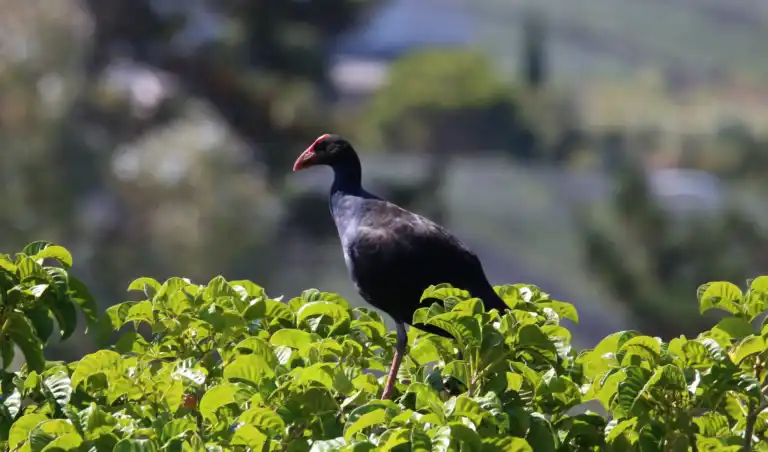
The Pukeko is a large relatively compact rail with a deep blue-violet head, breast and throat and a red bill. Found in swamp/Mangrove areas of Waiheke Island.
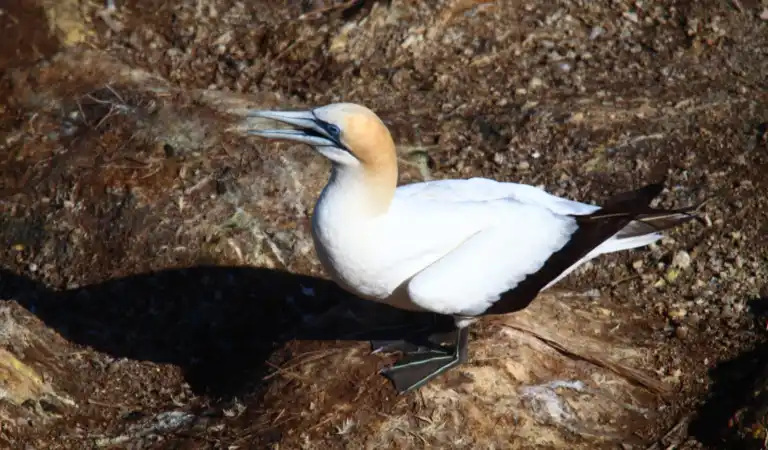
The gannet is a large slender-bodied seabird with mainly white plumage, buff-yellow head and neck. Occassionally seen around Waiheke searching for food in ocean depths.
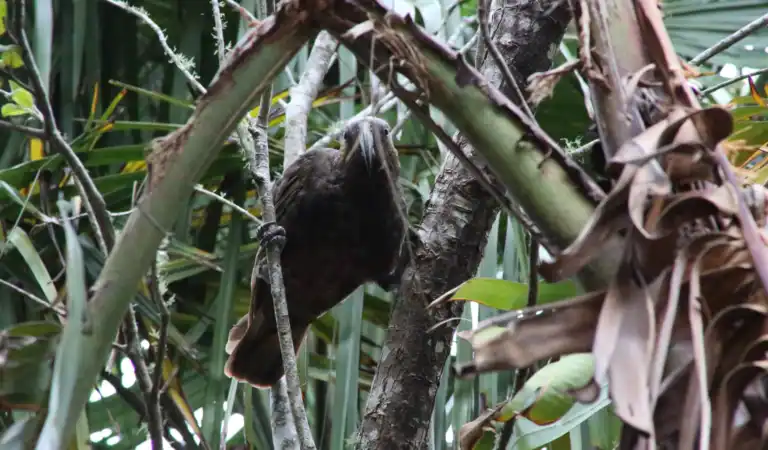
The Kaka is a large, olive-brown parrot with grey-white crown, red-orange underwing and deep crimson belly, located in tree covered areas around Onetangi.
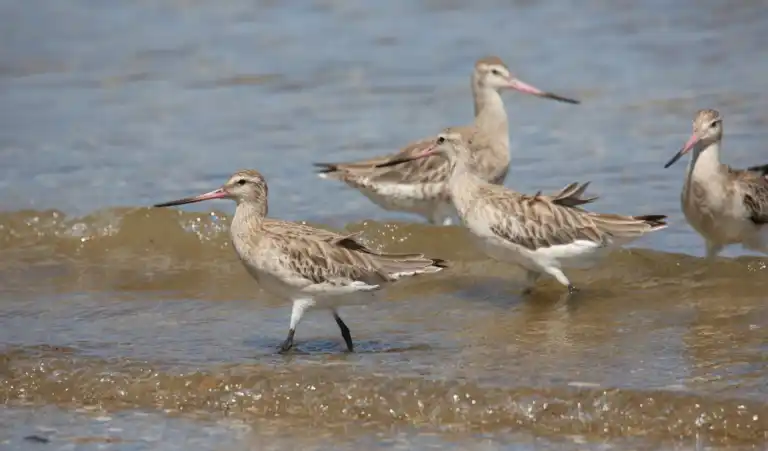
The Godwit is a migrant from Alaska, they fly 8-9 days straight to arrive in NZ. They can be found on Waiheke from September - March located at Blackpool.
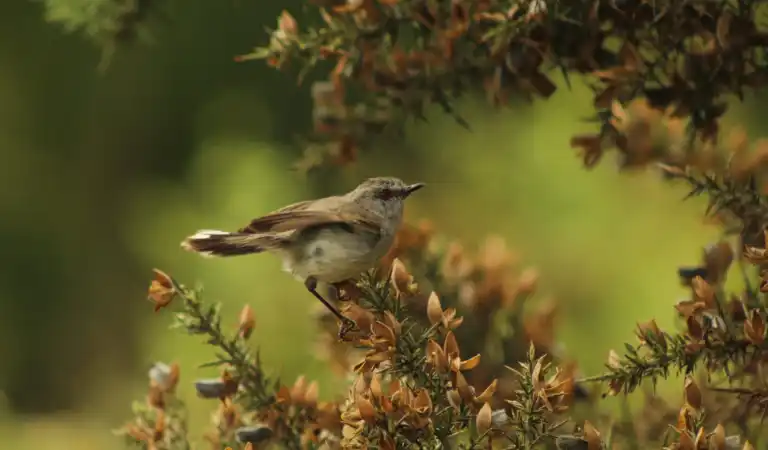
The Grey Warbler is a tiny olive-grey song bird often heard before seen. Locations on Waiheke are dense woody vegetations. The warbler can be difficult to spot.
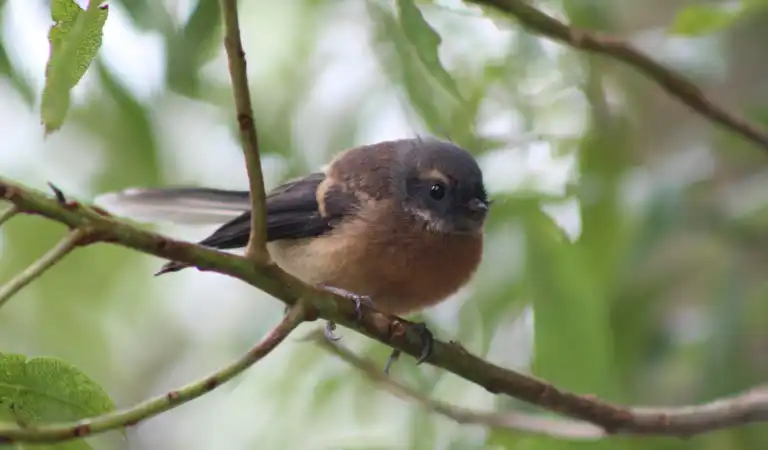
The Fantail is a well known NZ bird due to its distinctive fanned tail. Locations found on Waiheke are any well-treed parks, bush walks and even properties.
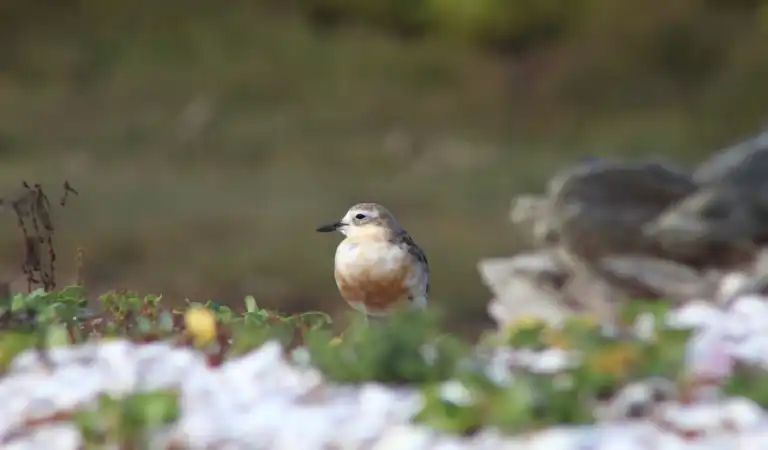
The New Zealand Dotterel is a shorebird which breeds on beaches in NZ's North Island. Locations found on Waiheke are Whakanewha, Anzac Bay and Blackpool.
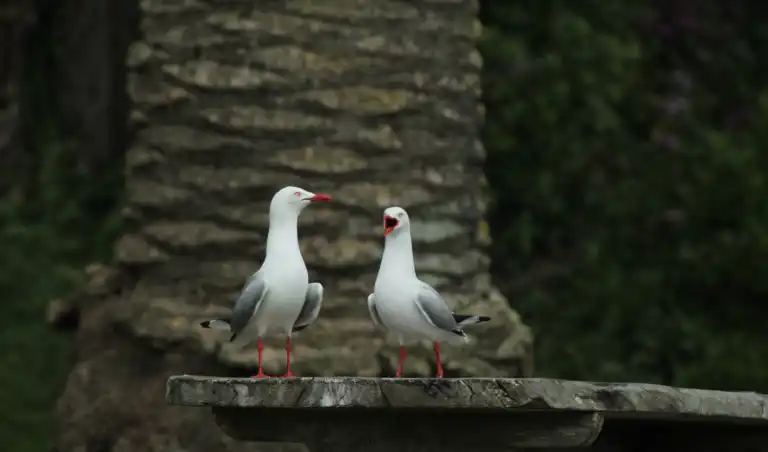
The red-billed gull also known as a "Seagull" is common around New Zealand Coasts. Located everywhere on Waiheke beaches where food or bait is readily accessible.
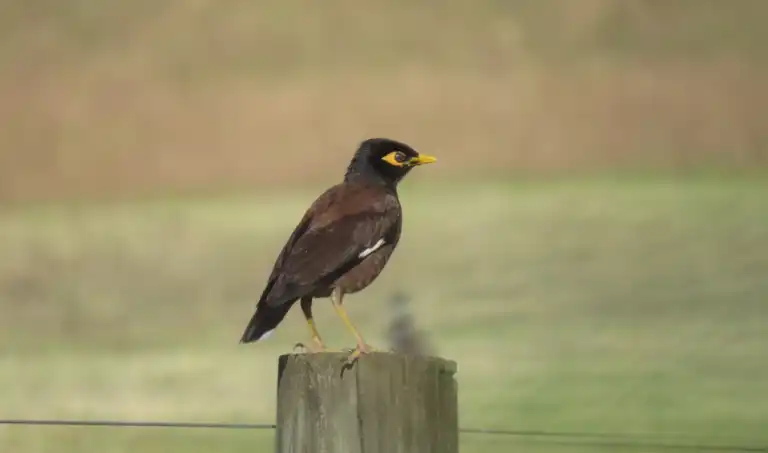
Mynas are stocky brown birds with a shiny black head and shoulders. Commonly found on road sides on Waiheke, usually playing chicken with cars while foraging for food.
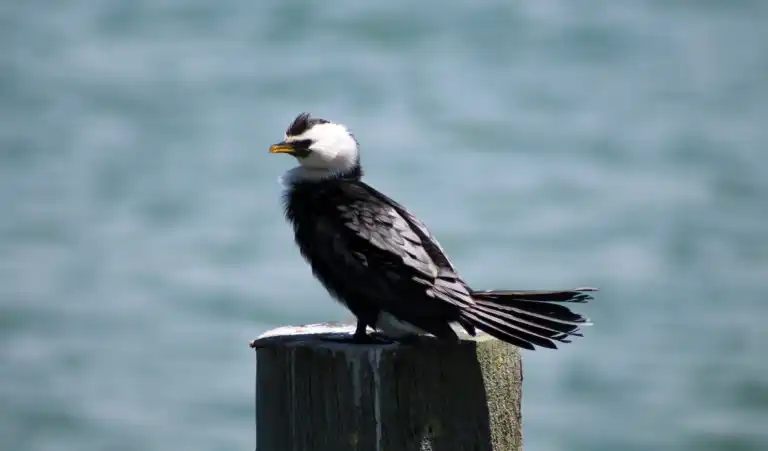
The little shag is a small shag, with a short yellow bill, black feet, a relatively long tail, usually spotted in the ocean searching for food or hanging around Waiheke…
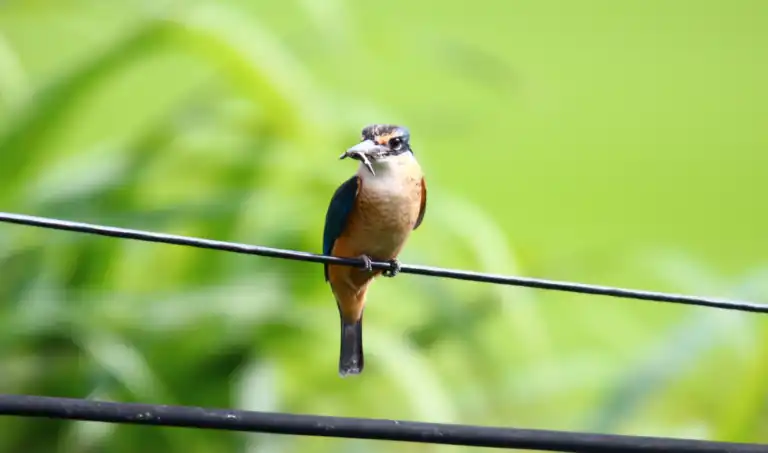
The sacred kingfisher is a distinctive bird with a green-blue back, buff to yellow undersides and a large black bill. they can be found nearby tidal beaches on waiheke.
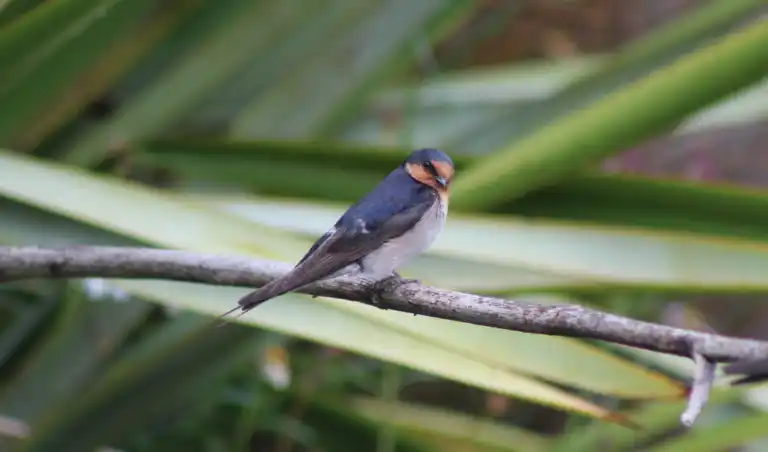
Welcome swallows are small fast-flying birds, they are usually seen around waiheke during breeding season between August and February on powerlines, fences and beaches.
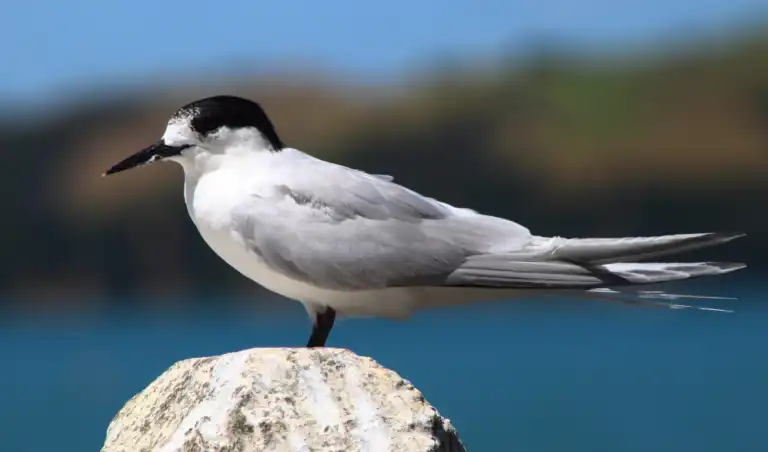
The white-fronted tern is a medium-sized, long-tailed sea tern commonly around New Zealand coasts. Spotted congregating on Waiheke wharfs such as Matiatia and Orapiu.
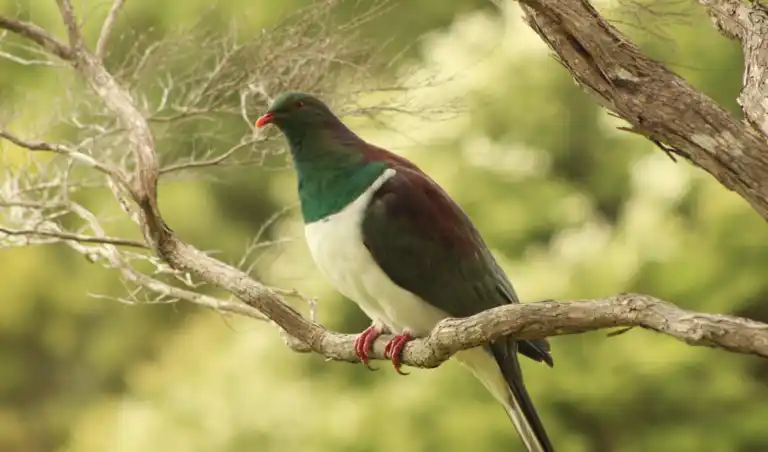
The Wood pigeon is a large distinctively-coloured pigeon, it is easy to find on Waiheke due to its size, they are usually perched on powerlines or trees.
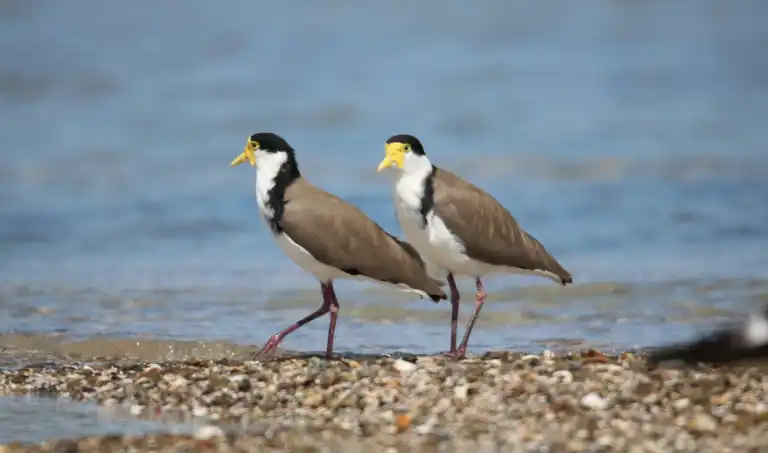
The Spur-winged plover is a large stocky wader with a yellow bill and spurs on each wing, locations found on Waiheke are Blackpool, Maori hill and Whakanewha.
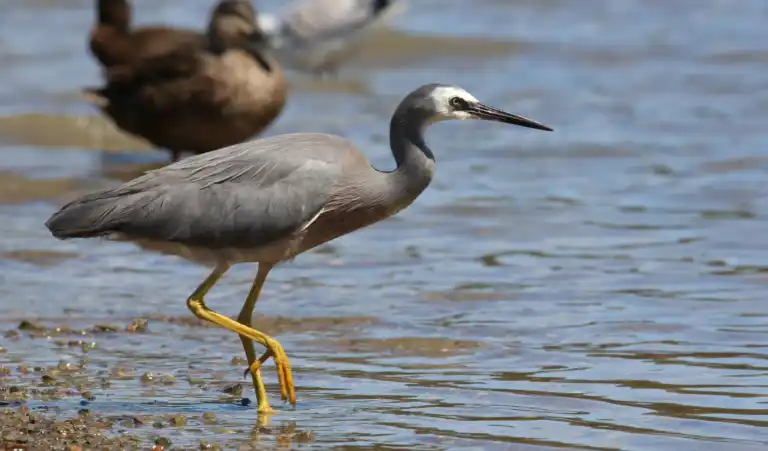
The white-faced heron is a tall, elegant, blue-grey bird usually spotted stalking prey. Locations found on Waiheke are Mangroves, Anzac bay and quiet beaches.
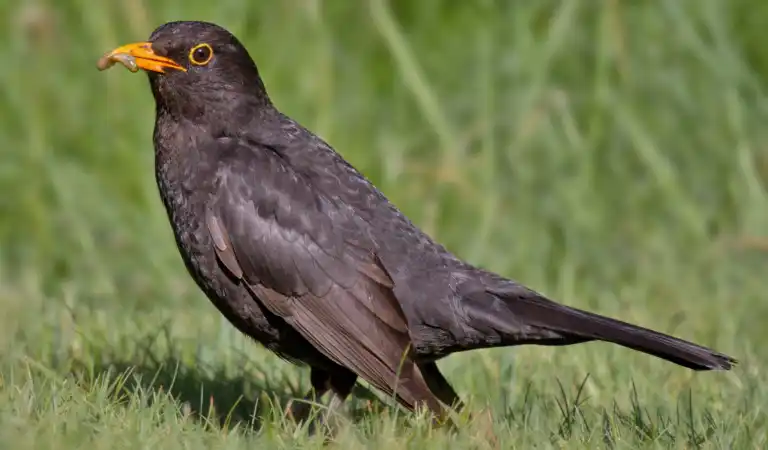
The black bird is a medium-sized songbird that is entirely black in adult males with a yellow bill. Abundantly found on Waiheke around household properties and trees.
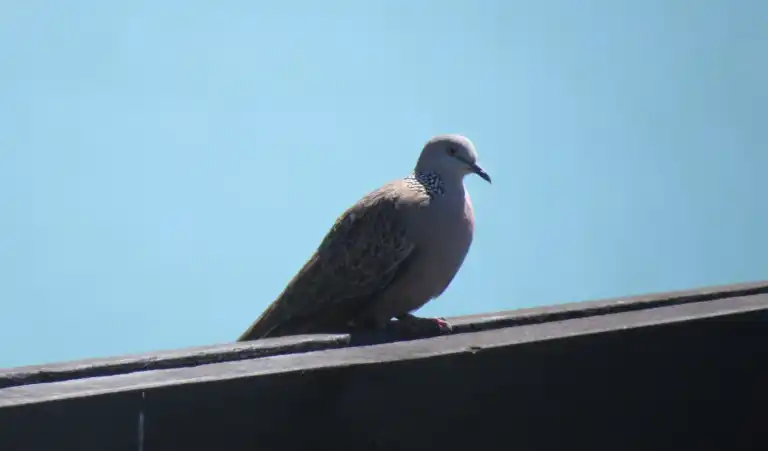
The spotted dove is a medium-sized, long-tailed dove, with a greyish head and speckled greyish brown upperparts. Found on Waiheke around gardens and the rooster reserve.
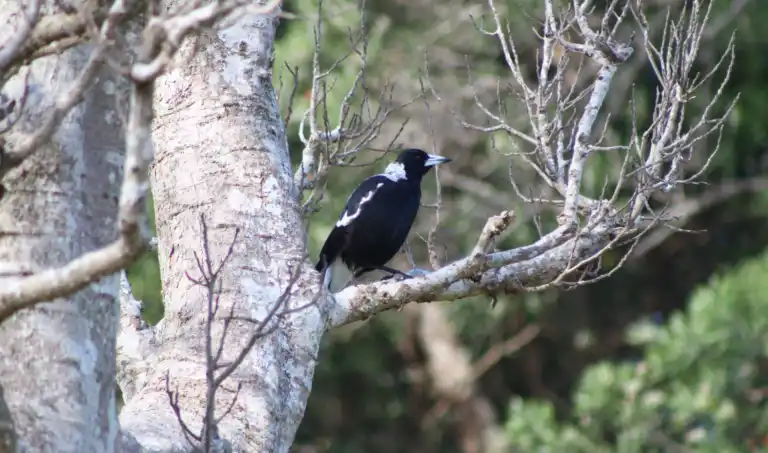
The Magpie is a large black-and-white songbird, It was introduced from Australia. It can be found on Waiheke around farmland and large grass reserves.
Breeding
Pied stilts in lowland areas start moving towards their breeding sites in June-July each year. Inland birds start later in August-October.
Occasionally a single pair will nest alone, but usually they breed in colonies of about 15 pairs. Large colonies may have up to 100 pairs.
Both parents build the nest on the ground near water, often in a damp situation, and usually surrounded by or next to water. It may be built up to a few centimetres high with mud, vegetation and debris from nearby.
Both adults incubate the 3-4 eggs, which hatch after 25 days. The chicks leave the nest when dry, and can fly when 28-32 days old. The young are olive-brown to brown and downy with dark blotches on their backs, and white underneath. When hatched they are brooded by their parents but find their own food. The parents continue to care for the young who remain with them even during the end of season migration.
Pied stilts are able to breed successfully in the presence of the same suite of predatory mammals.
Food
Invertebrates – terrestrial insects and worms when feeding on land, and aquatic insects and larvae when feeding in ponds, swamps and estuaries.
In tidal areas the birds feed at low tide regardless of what time that occurs. Pied stilts primarily catch their food by sight, but when wading they may also probe and feel for food, especially when light is poor. When on land they may catch flying insects on the wing.
Waiheke Locations
Anzac Bay – I have spotted them at Anzac Bay water edge associating with other birds
Putiki Bay – I have seen them numerous times, near by the cause way in a small flock.
Blackpool – I have spotted them associating with other birds
Whakanewha– Ive spotted them in the dotterels nesting zone with other birds
Pied Stilts are flying birds so they can really be anywhere on Waiheke but not just Waiheke they are all over New Zealand, these are just areas I’ve spotted them and photographed.
Mint As is a popular burger cart located in Ostend, next to RAW fruit and vege, they serve juicy burgers, taco’s and milkshakes all made while you wait.
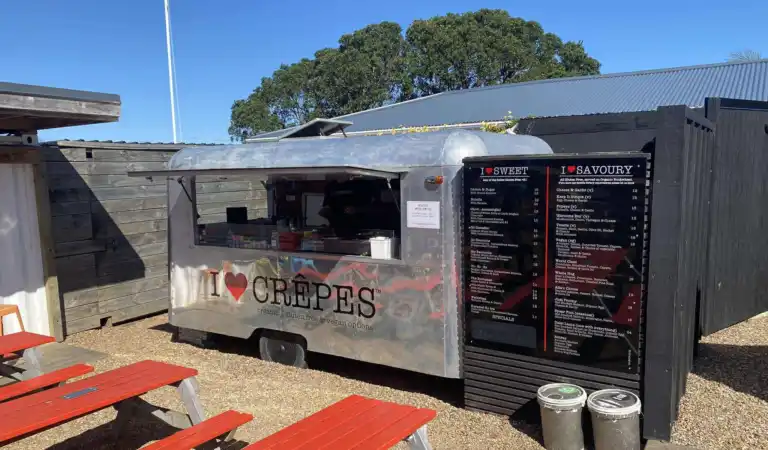
They serve delicious gourmet sweet and savoury crepes (galettes) in front of you while you wait. They use all fresh ingredients and accommodate for all dietary needs.
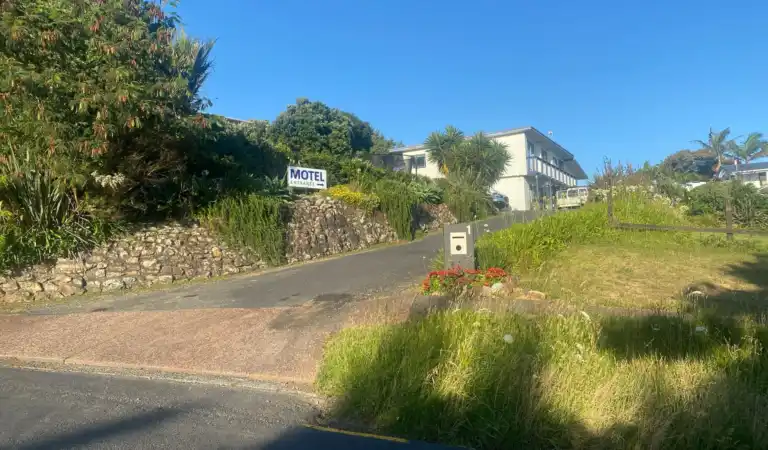
Waiheke Island Motel is located in Ostend. The motel has 14 units and cottages in a garden setting. With plenty of off street parking available and nearby local eateries.
Red Crab Waiheke is the perfect place to go. Being the only Thai restaurant on Waiheke it is a popular place to eat at, experience the taste of Salty, sweet, sour and spicy.
Gear Grab is a hire shop on Waiheke, they have a wide range of everyday gear. Their store consists of party, gaming, outdoors, household, tech and more.