Identification
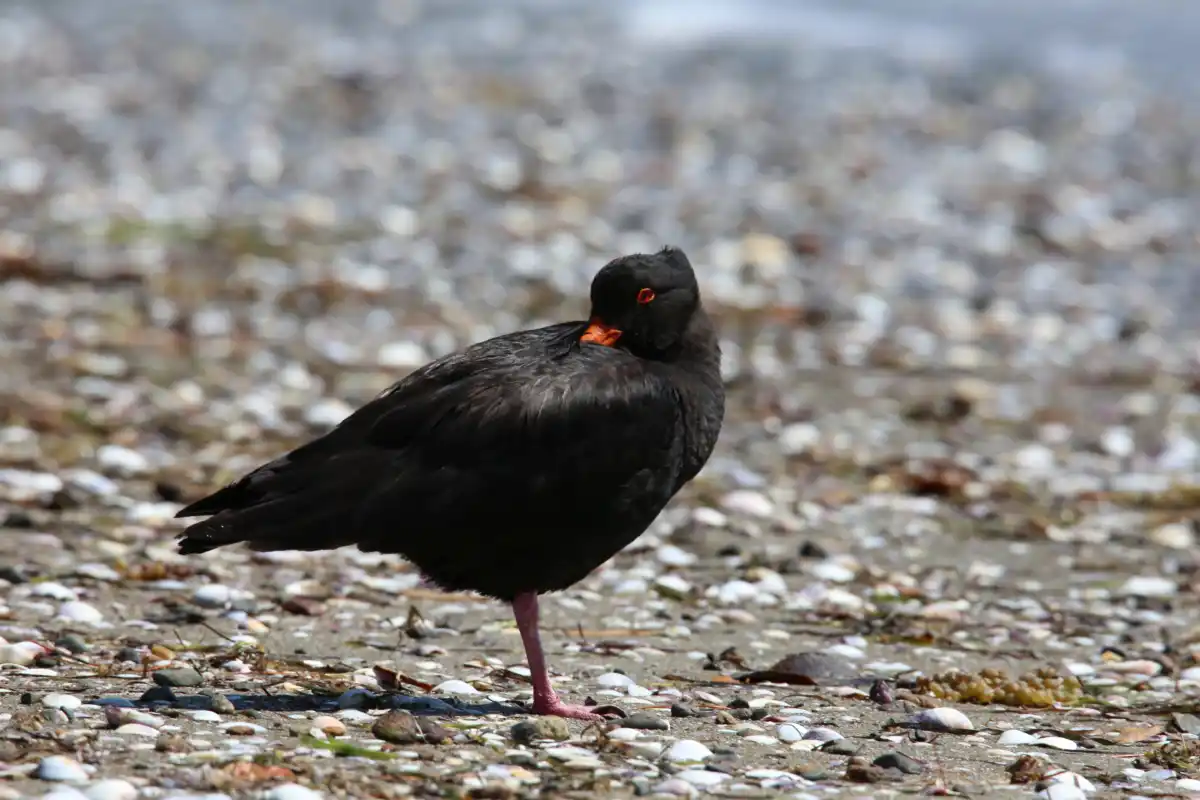
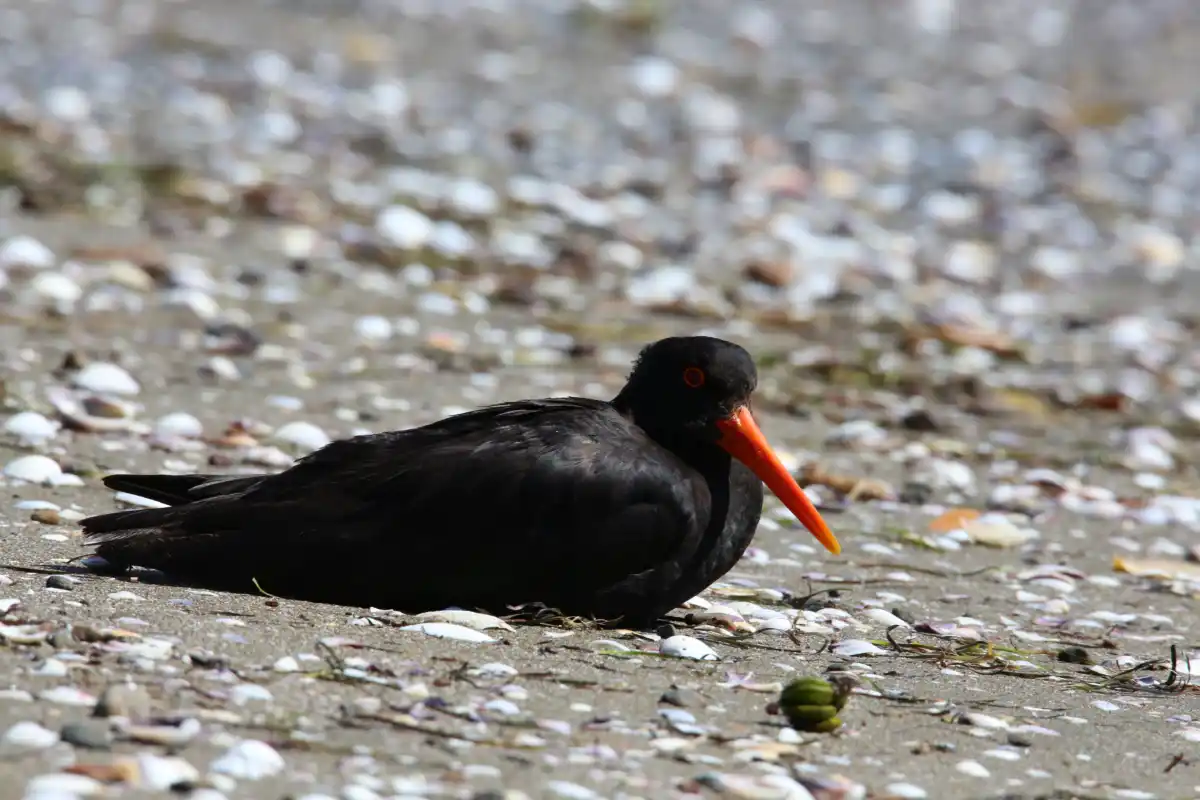
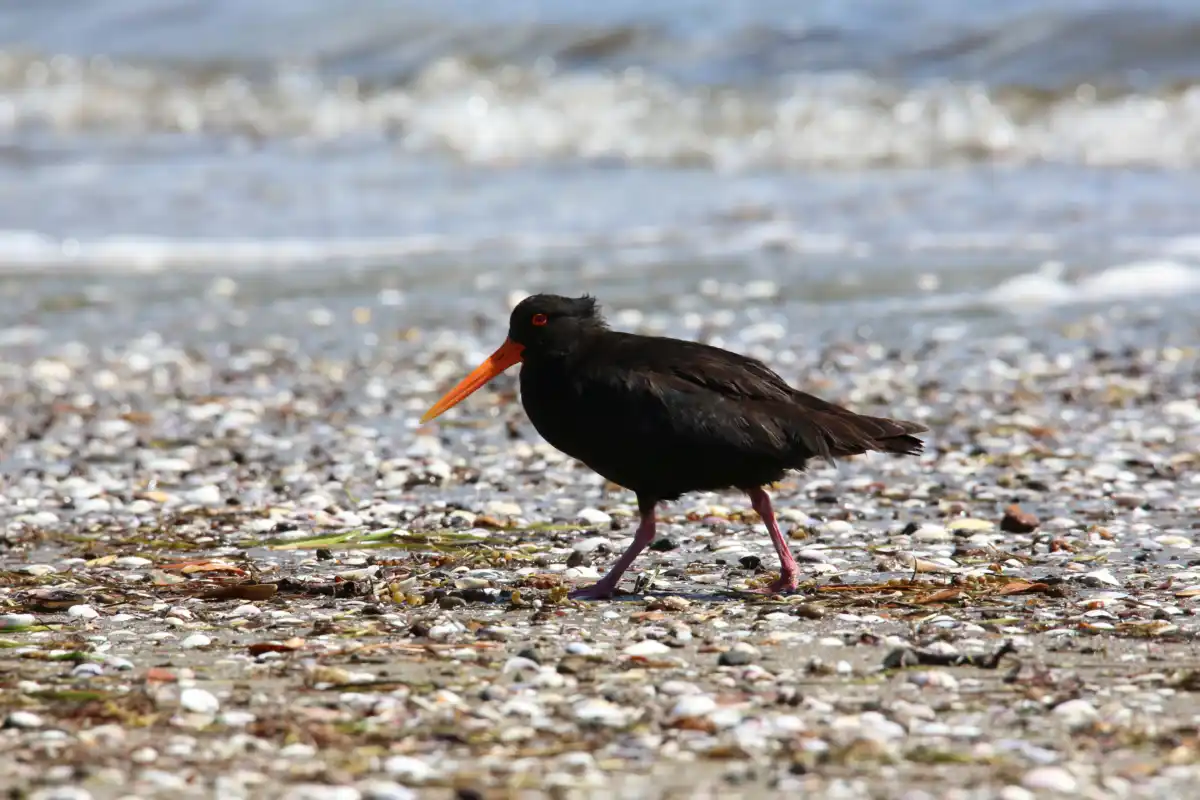
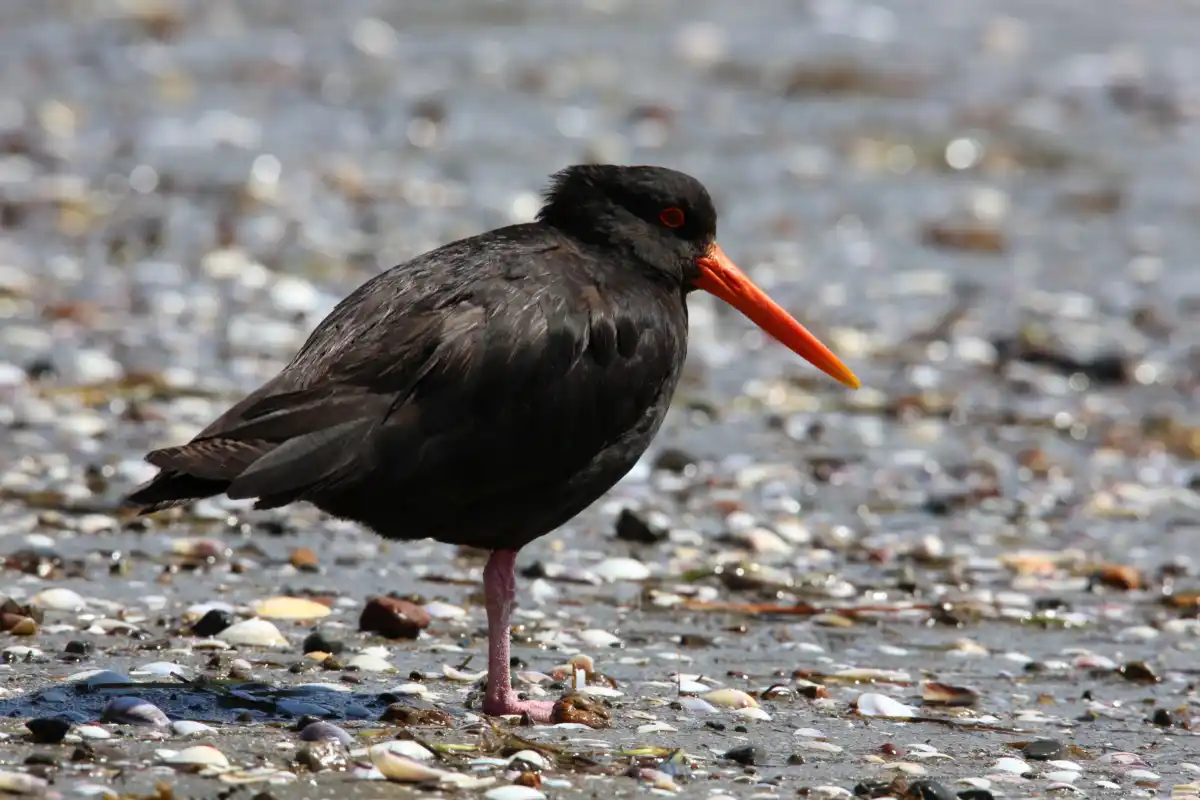
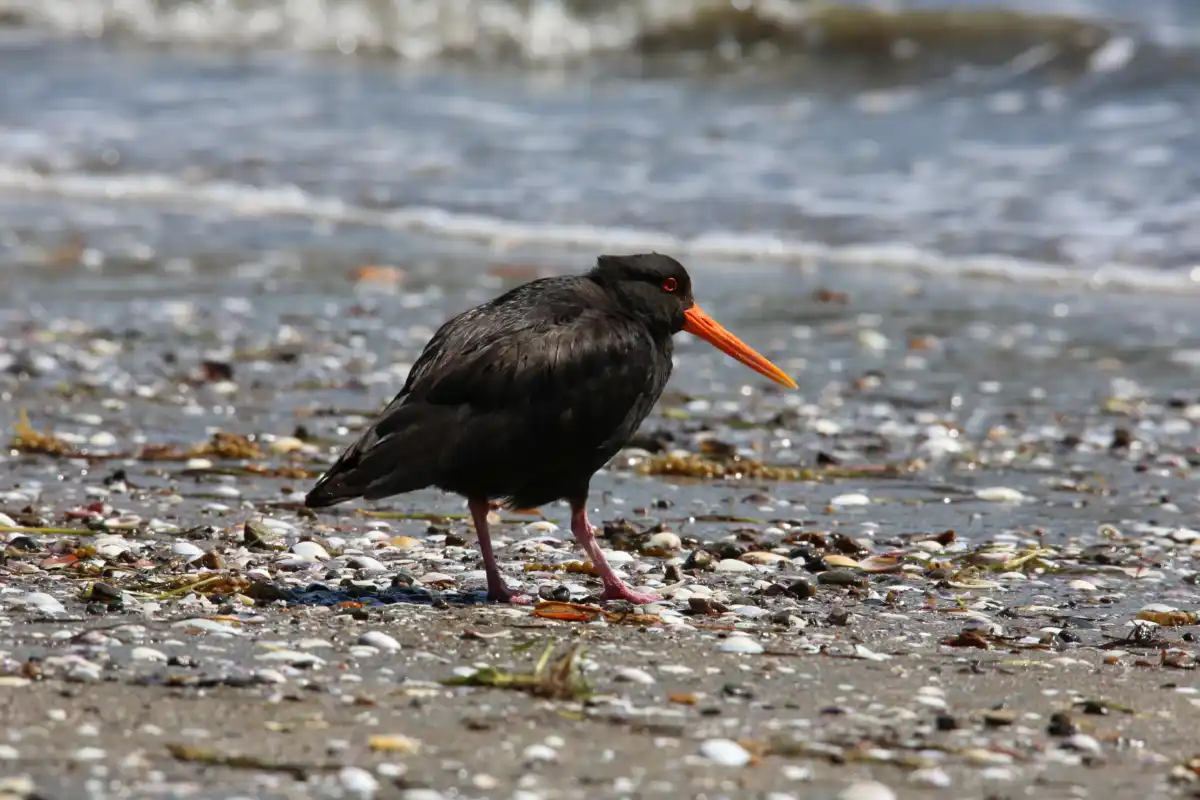
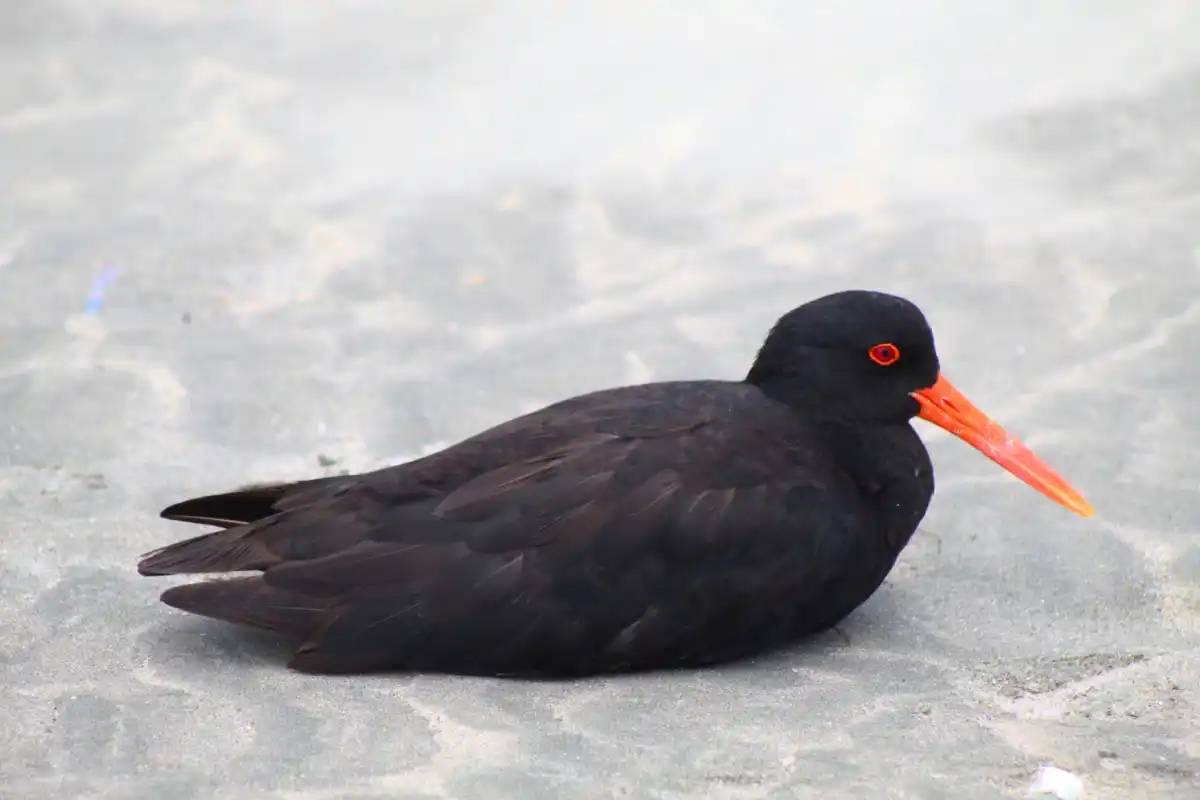
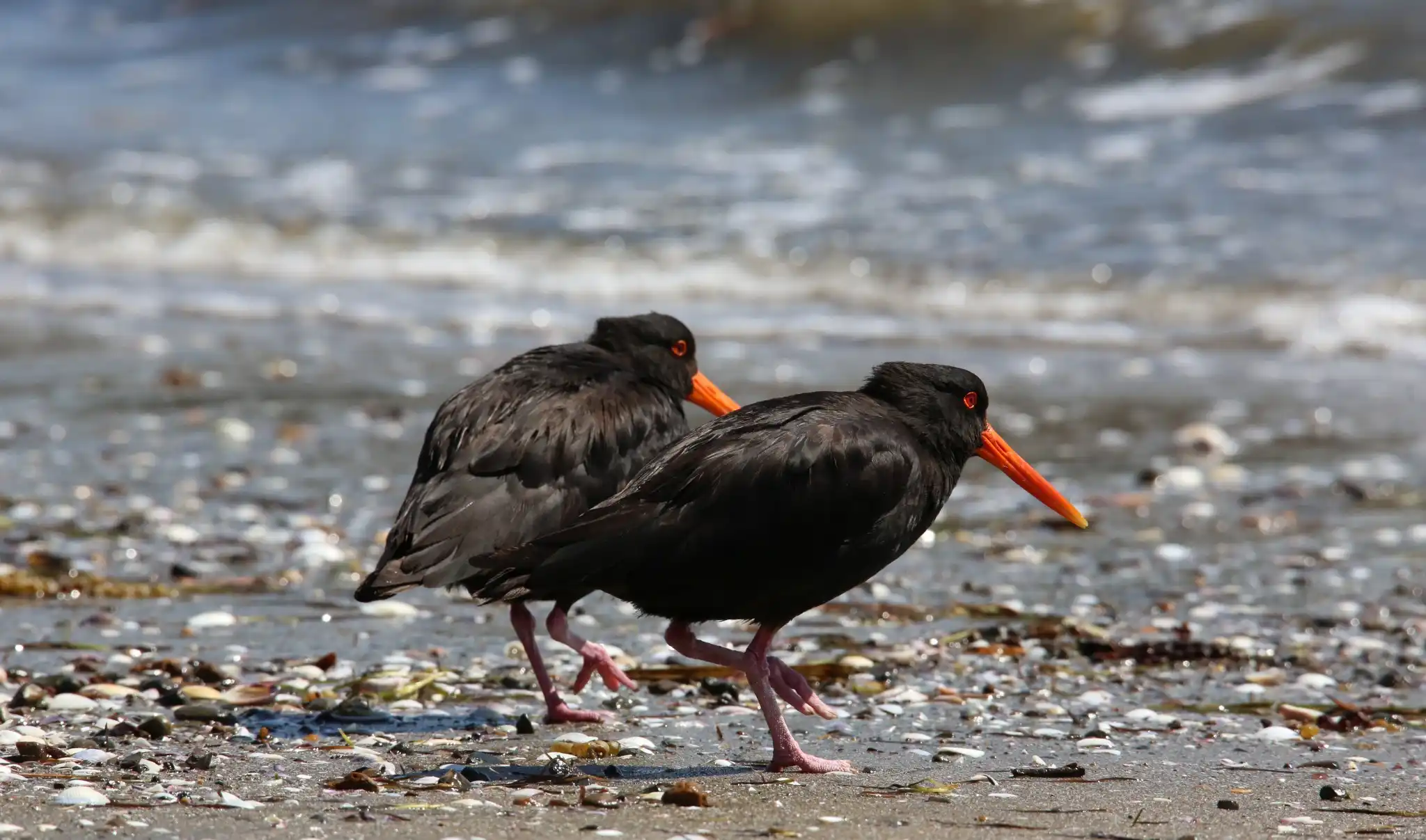
The variable oystercatcher is a stocky coastal bird with a long, bright orange bill, it is located on many quiet beaches such as Blackpool, Whakanewha and Anzac bay.
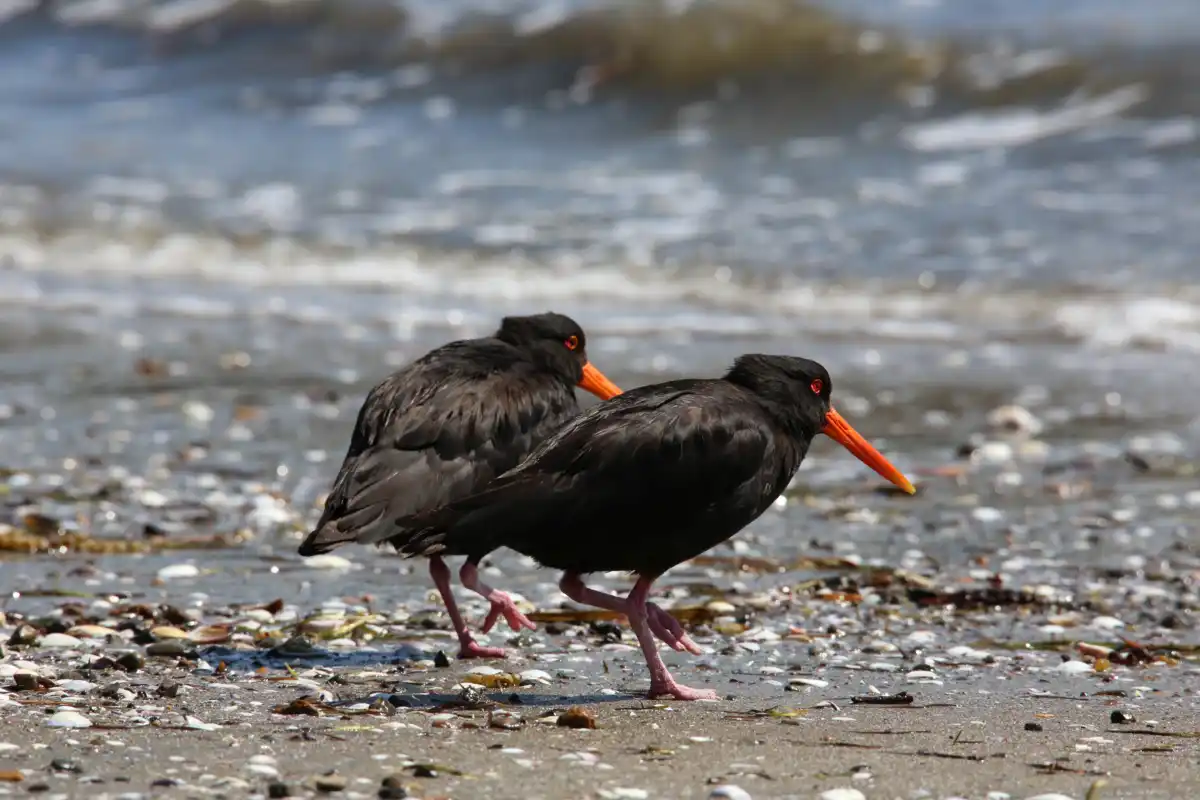
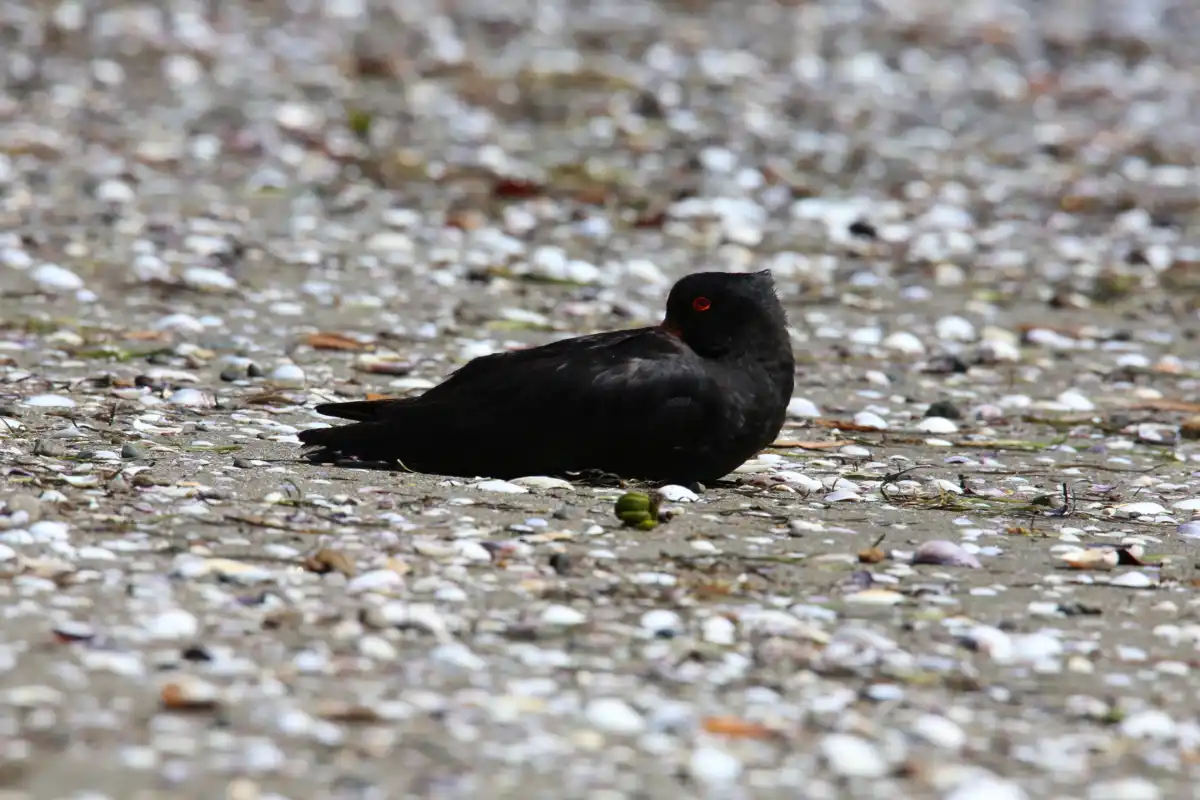
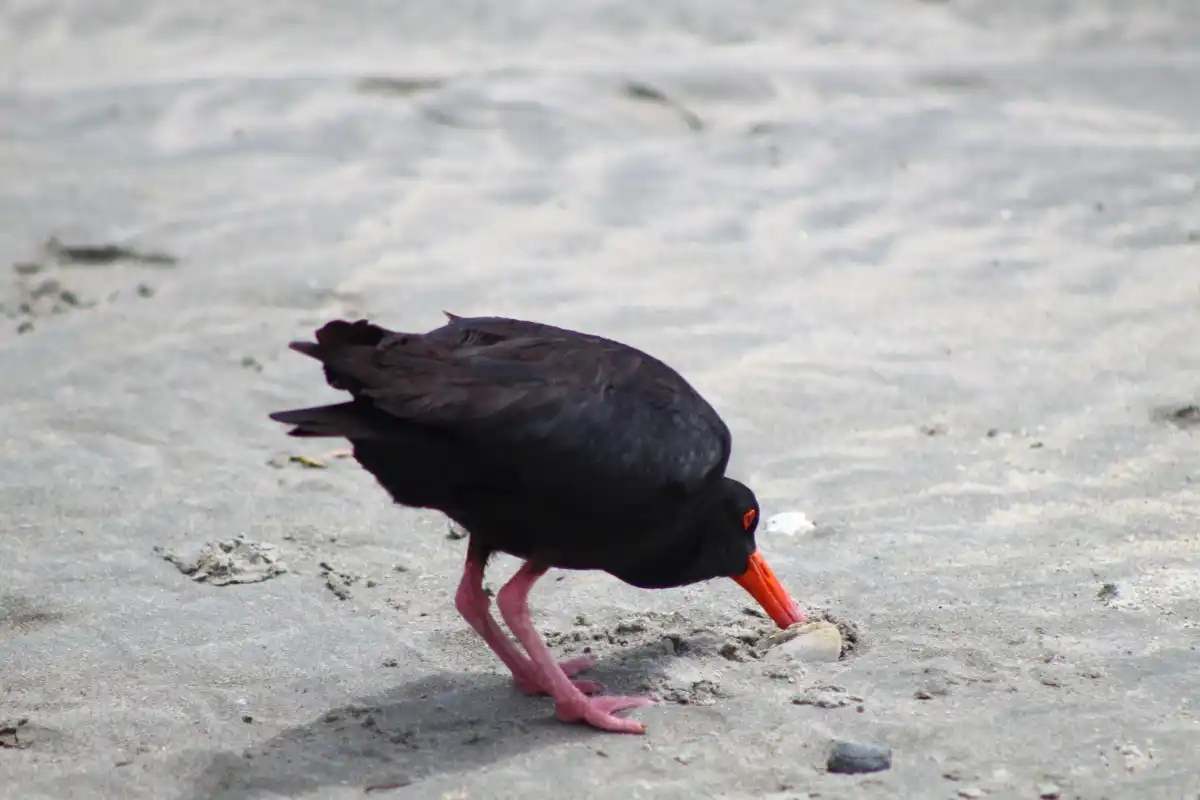
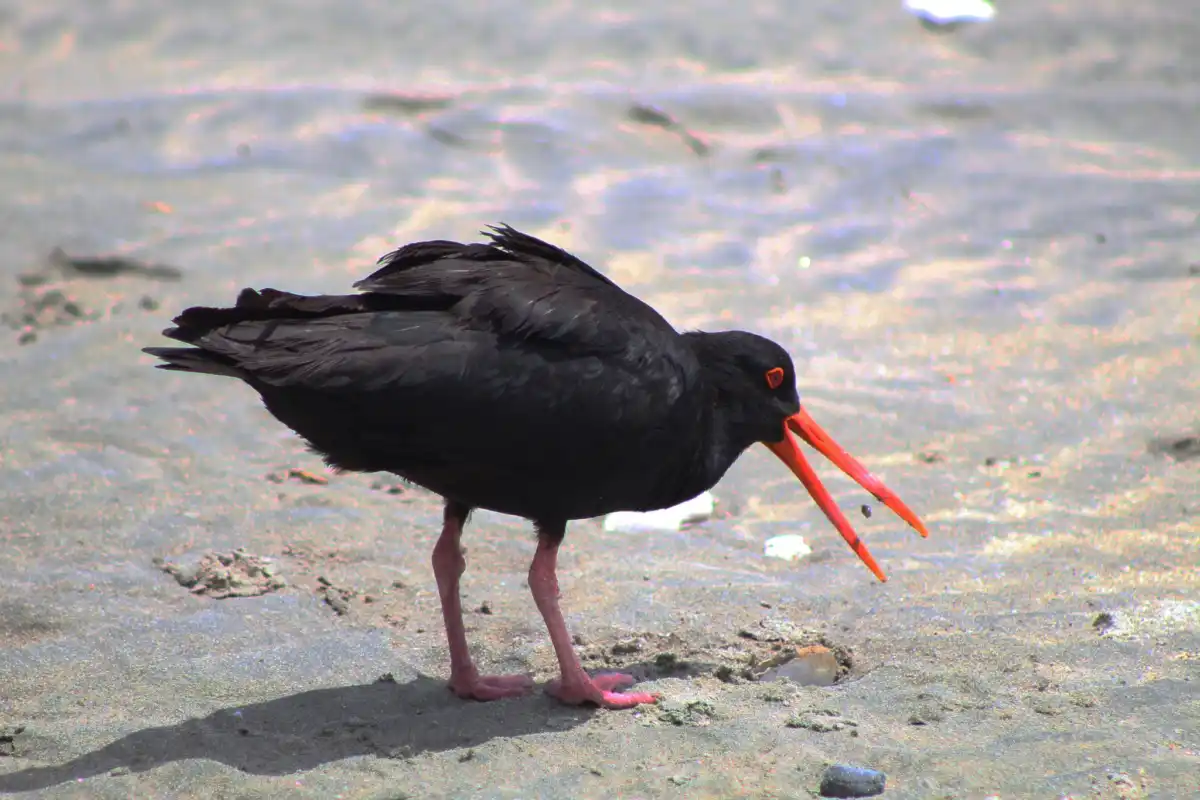
The variable oystercatcher is a large heavily-built shorebird. Adults have black upperparts, their underparts vary from all black, through a range of ‘smudgy’ intermediate states to white. They have a conspicuous long bright orange bill (longer in females), and stout coral-pink legs. The iris is red and eye-ring orange. Downy chicks occur in two colour morphs; they have a black bill, pale-mid grey upper parts with black markings, and either grey or off-white underparts. First-year birds have a dark tip to the bill, browner dorsal plumage, and grey legs.
They are often seen in pairs probing busily for shellfish along beaches or in estuaries. They are long-lived, with some birds reaching 30+ years of age.
Variable oystercatchers are very vocal; loud piping is used in territorial interactions and when alarmed, and they have a loud flight call similar to other oystercatchers. Chicks are warned of danger with a sharp, loud ‘chip’ or ‘click’.
Variable oystercatchers are not usually seen far from the coast, but will forage in paddocks, and occasionally nest a short distance inland, usually on mown or grazed grassy areas or bare ground. A very few nest around lakes or a short distance up braided rivers.
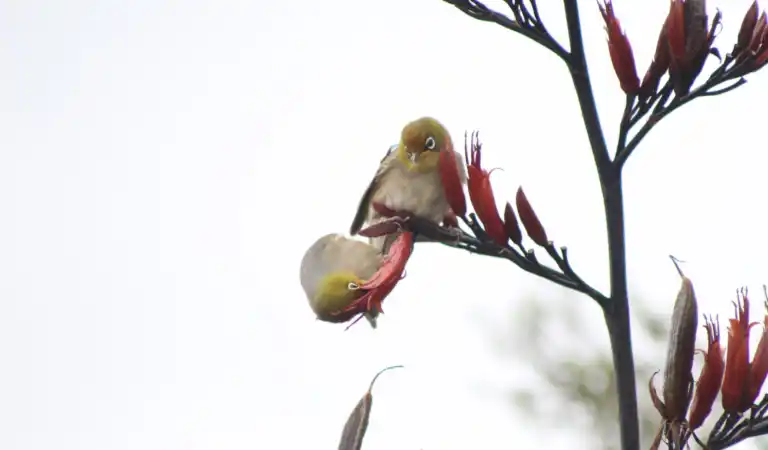
White-Eye
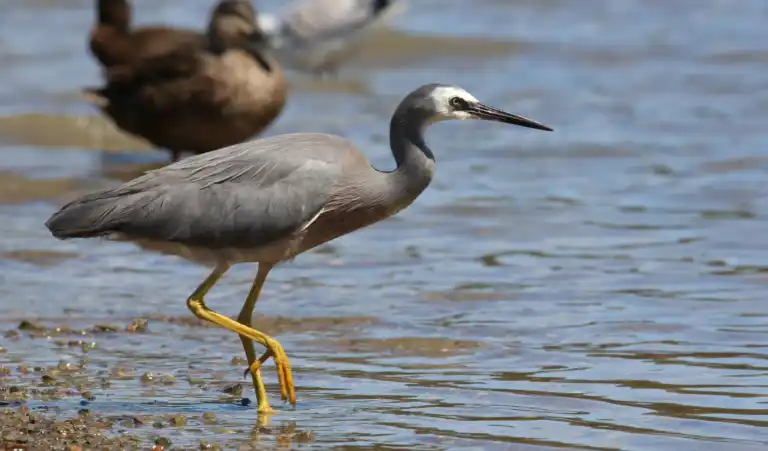
White Faced Heron
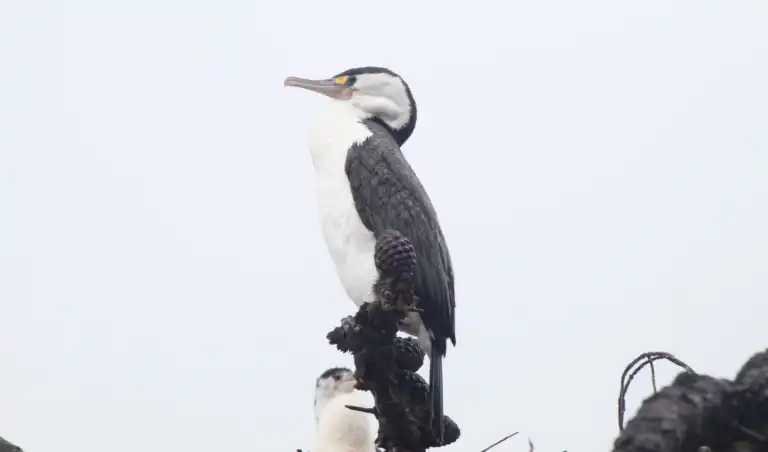
Pied Shag
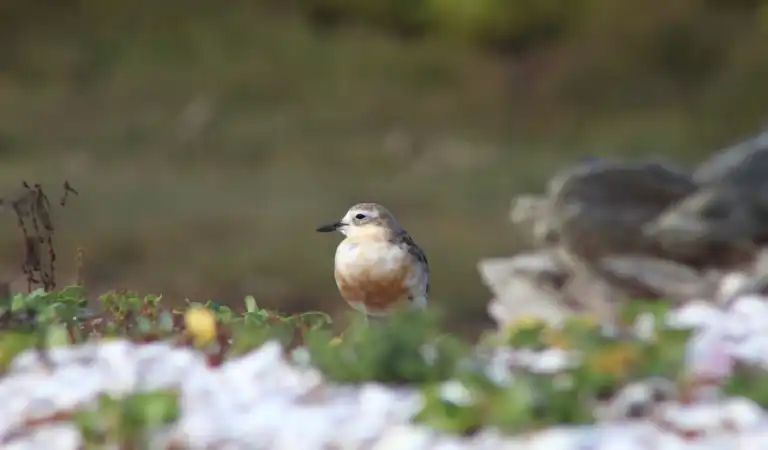
NZ Dotterel
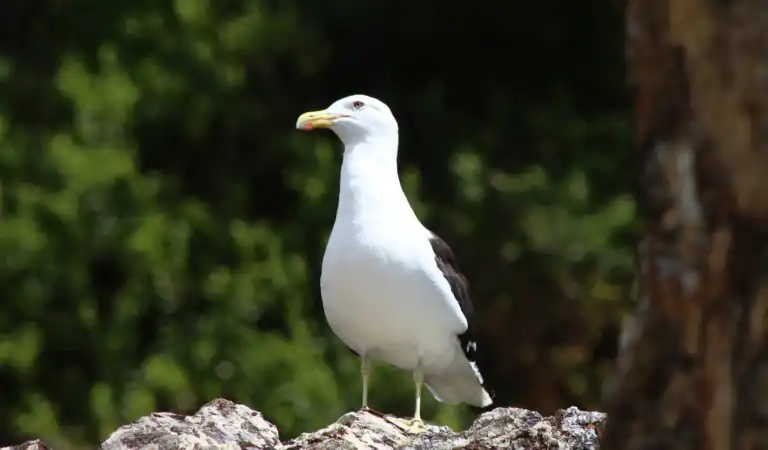
Great black-backed gull
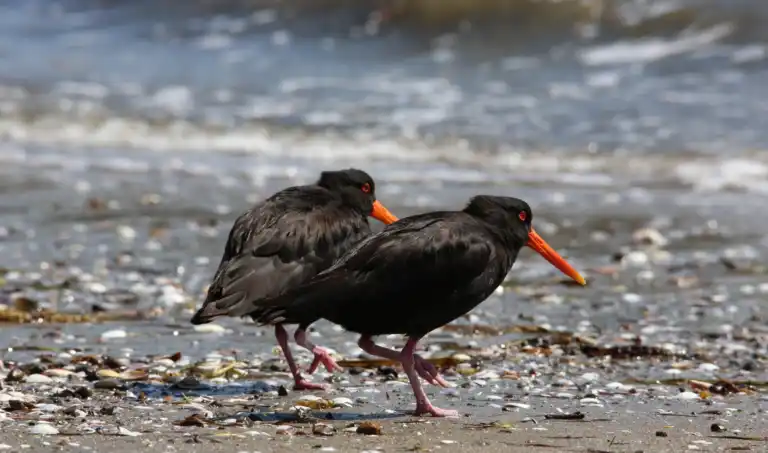
Variable Oyster Catcher
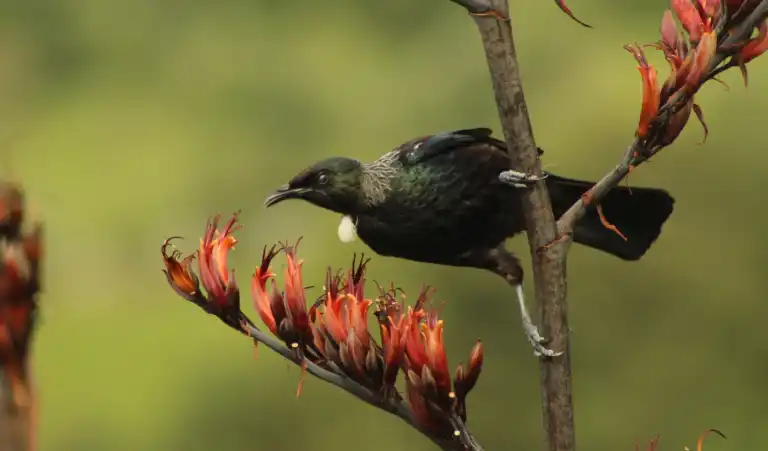
Tui
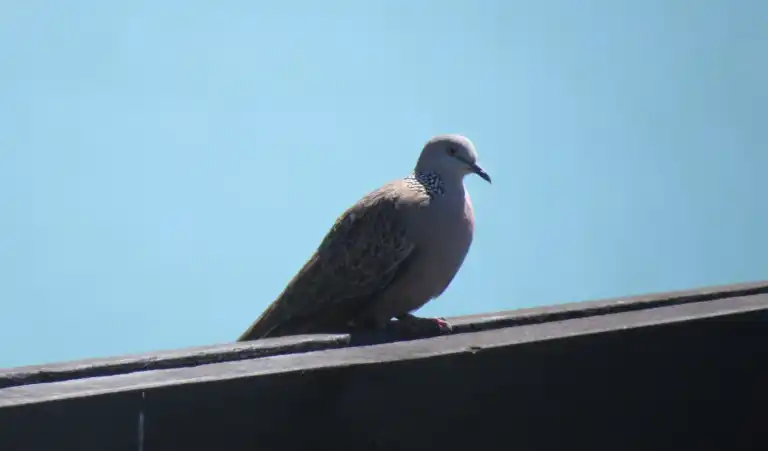
Spotted Turtle Dove
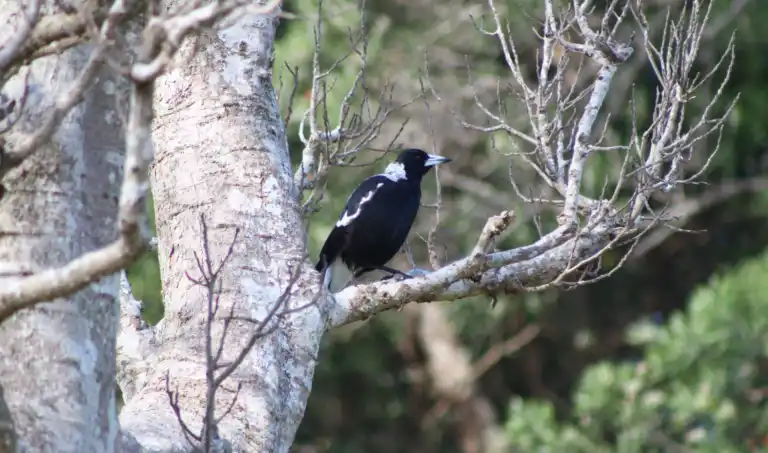
Magpie
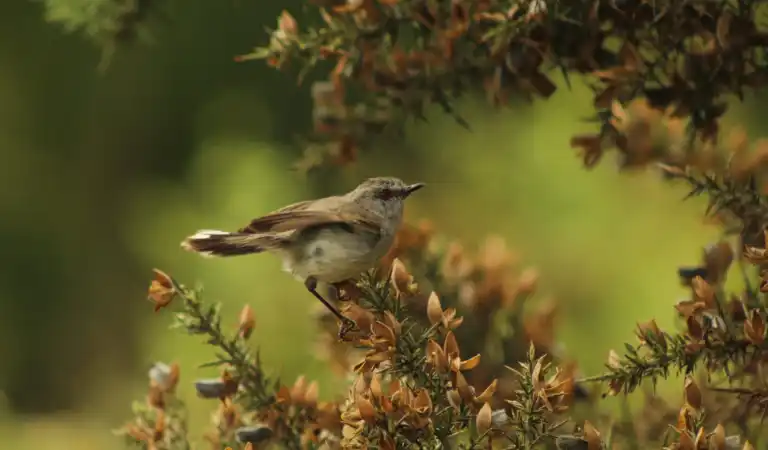
Grey Warbler
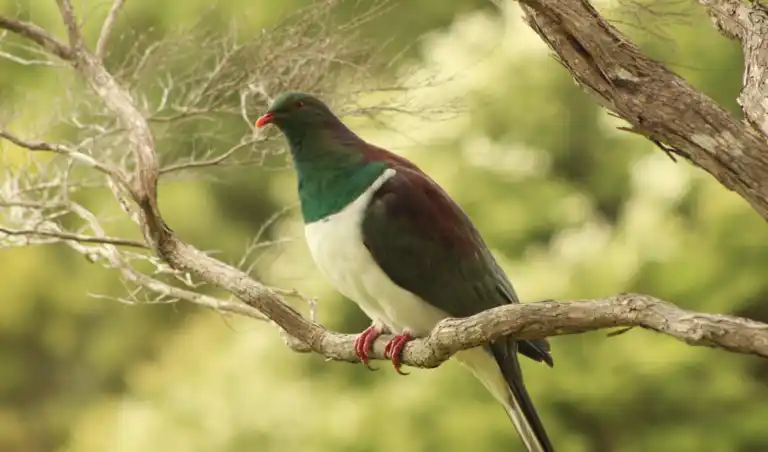
Wood Pigeon
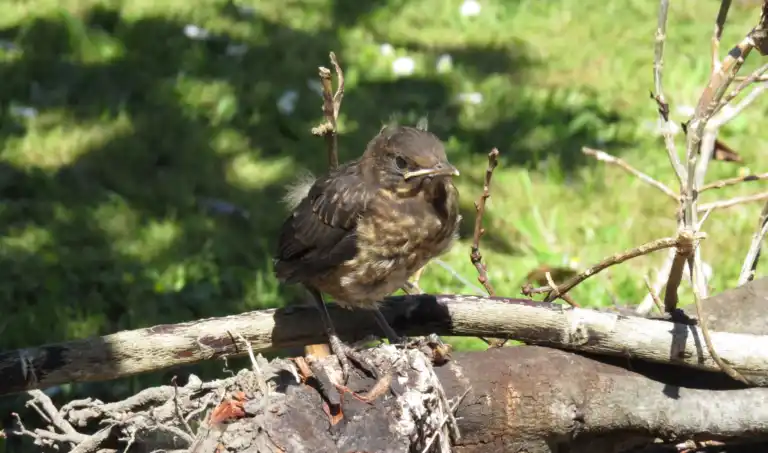
Thrush
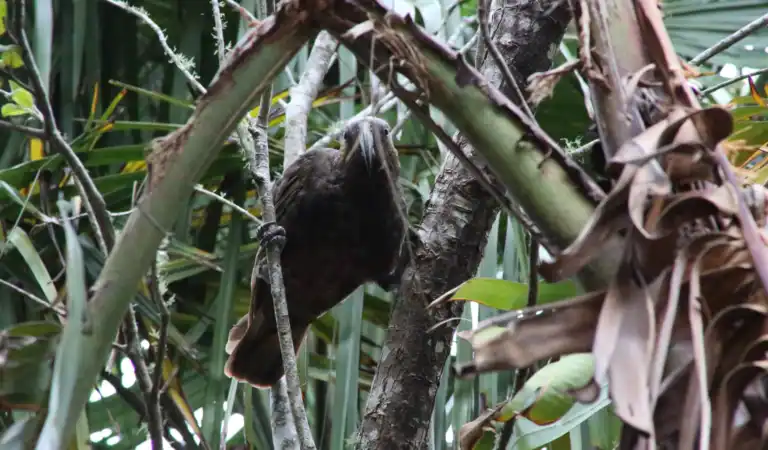
Kaka
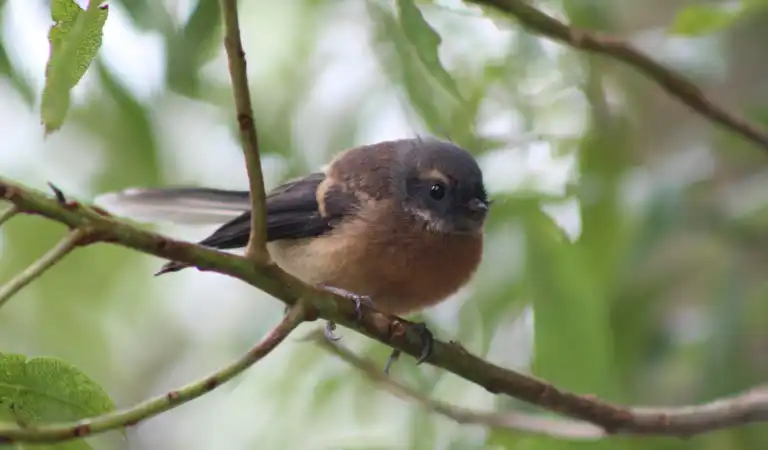
Fantail
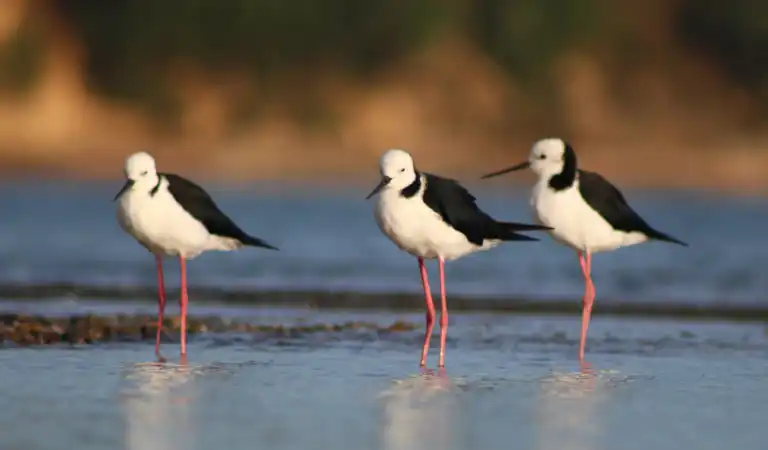
Pied Stilt
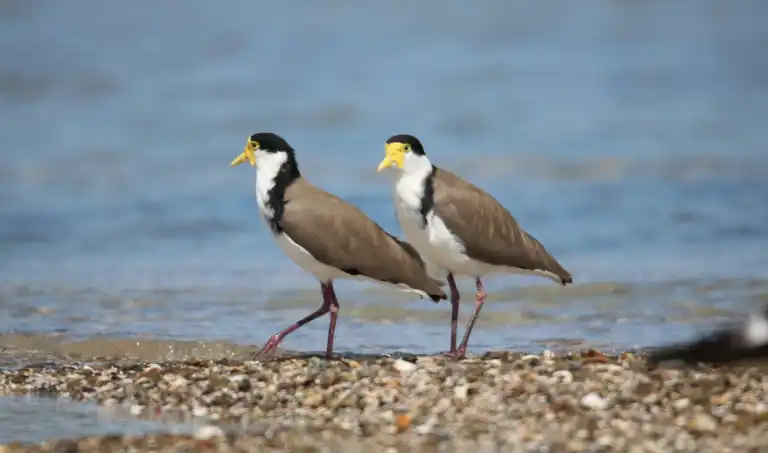
Spur-winged Plover
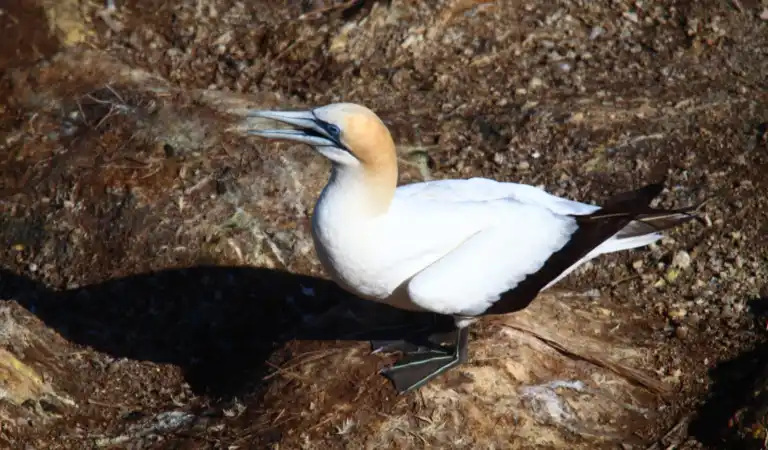
Australasian Gannet
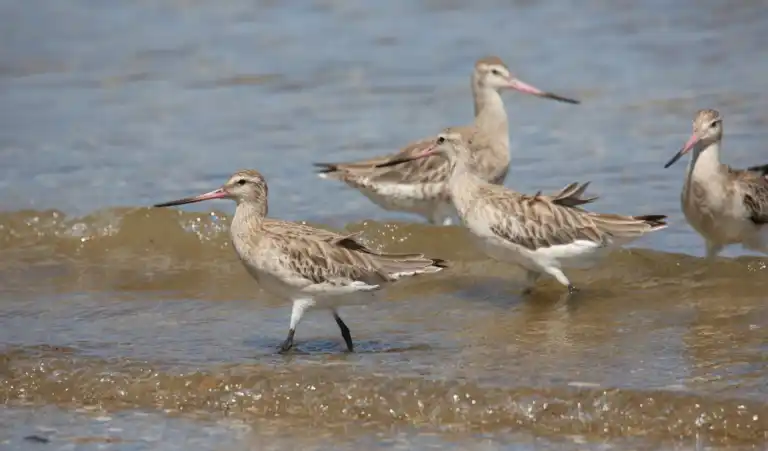
Bar-tailed Godwit
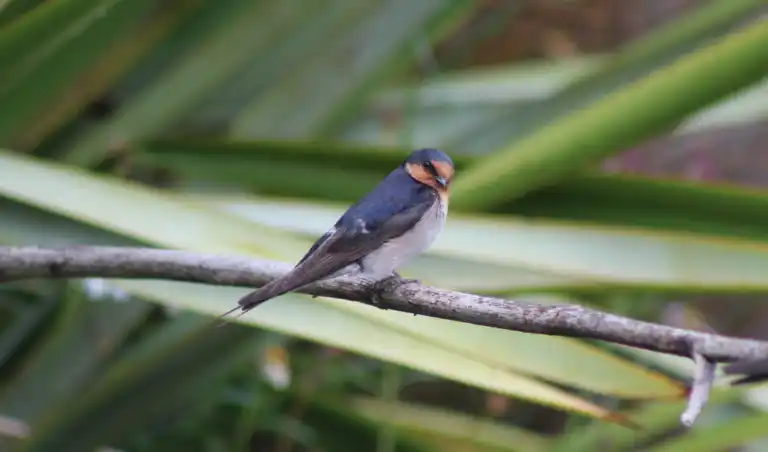
Welcome Swallow
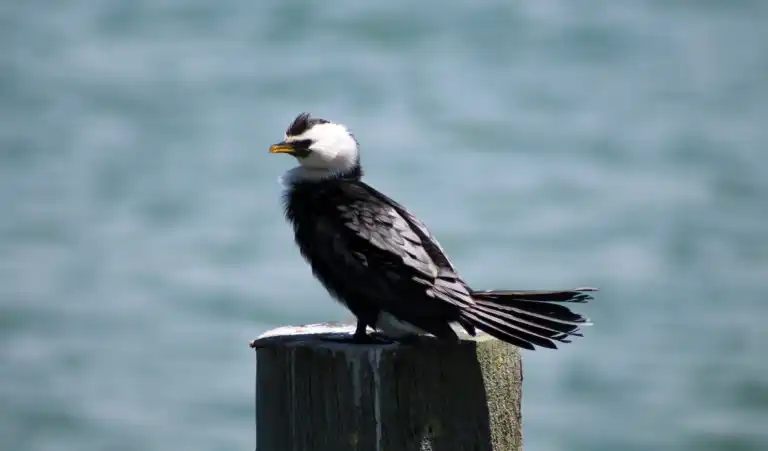
Little Shag
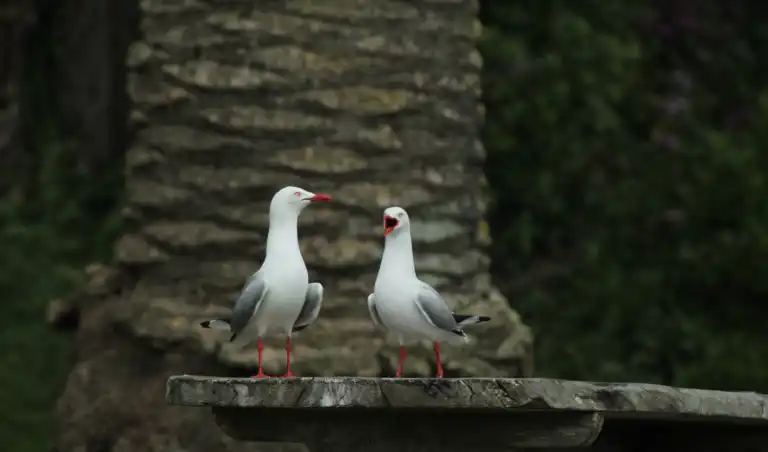
Red Billed Gull
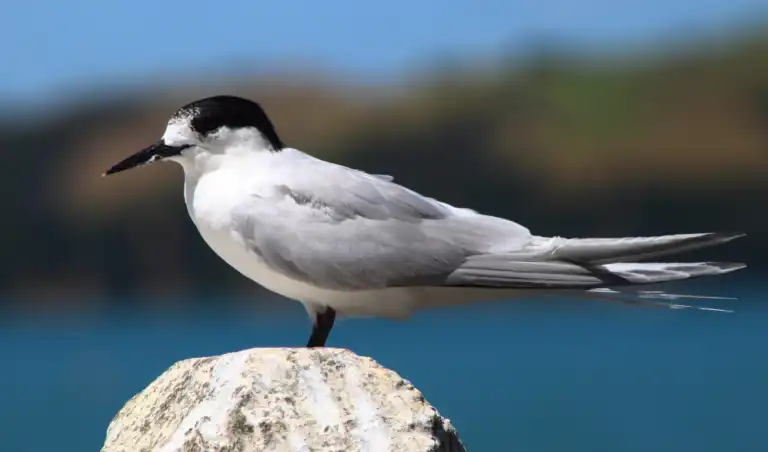
White Fronted Tern
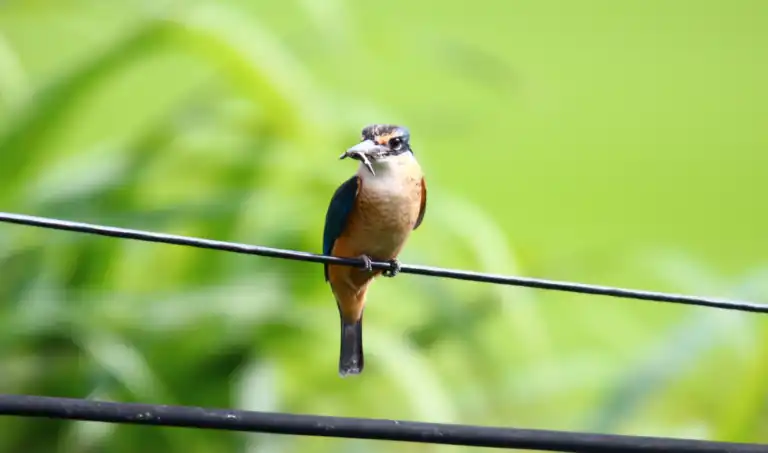
Sacred Kingfisher
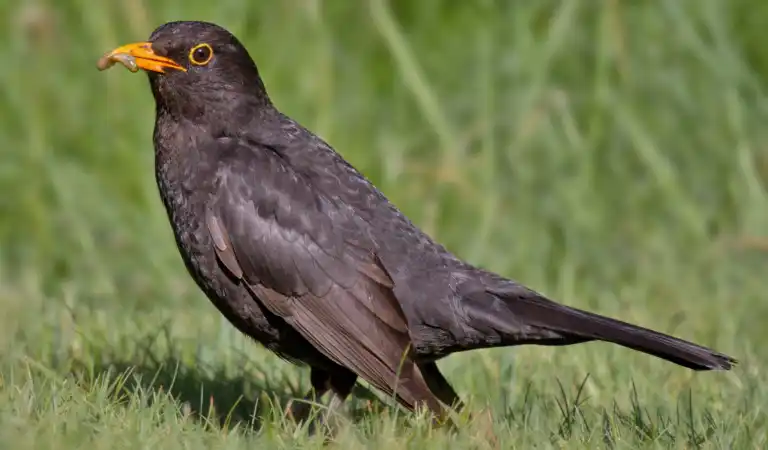
Black Bird
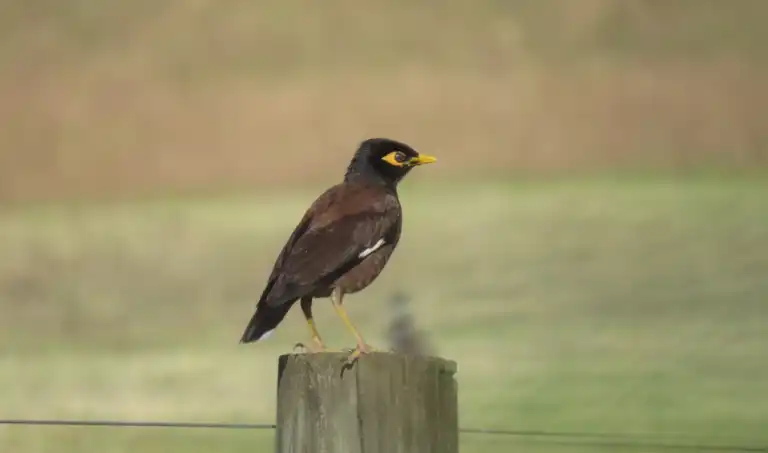
Common Myna
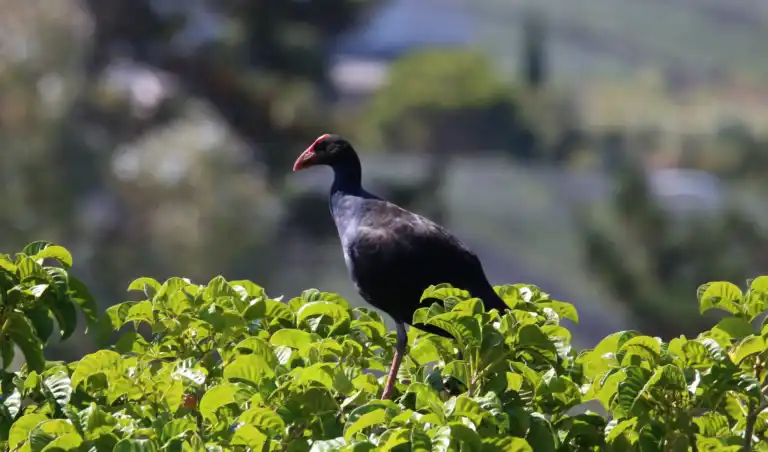
Pūkeko
Breeding
Variable oystercatchers breed in monogamous pairs, and defend territories vigorously against neighbours.
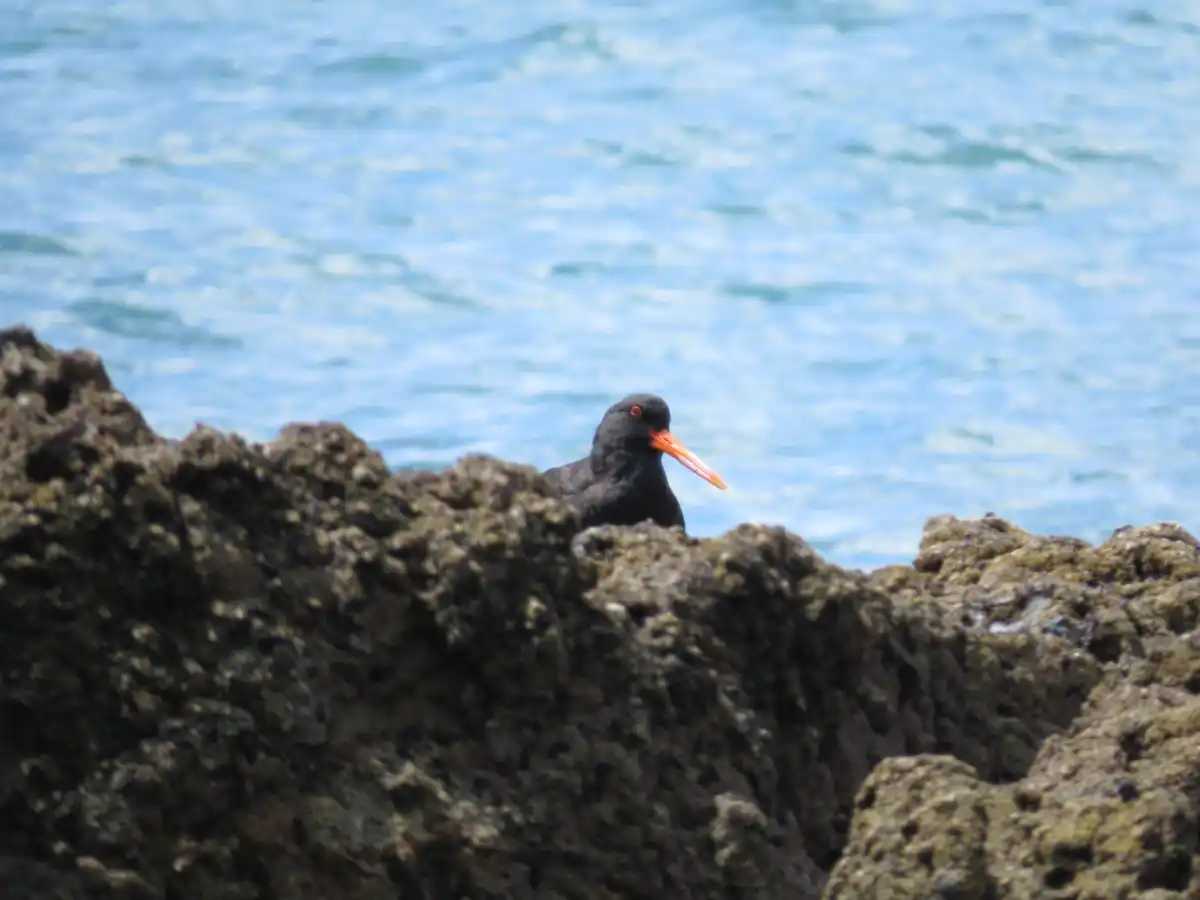
Variable oystercatchers breed most commonly on sandy beaches, sand spits, and in dunes, but will use a wide variety of coastal habitat types, including shell banks, rocky shorelines, and less often gravel beaches.
Nests are normally simple scrapes in the sand, often with a marker of driftwood, vegetation, or flotsam.
Breeding success of variable oystercatchers is often low, with main causes of failure being predation of eggs or chicks by a range of mammalian and avian predators, flooding of nests by big tides, and disturbance resulting from human recreational use of the coast.
The 2-3 eggs are usually laid from October onwards (rarely September), and replaced if lost.
Some birds on the east coast of the northern North Island benefit from protection programmes for New Zealand dotterels.
Variable oystercatchers are often highly aggressive towards people close to nests or chicks, dive-bombing (sometimes making contact) and screeching.
On the North Island east coast, territories often overlap with those of New Zealand dotterels. There is normally little aggression, but there have been a few cases of nearby dotterel nests being taken over (usually after variable oystercatchers have lost their own nest), and a few birds have been seen killing small dotterel chicks.
As chicks grow, they gradually find more of their own food, but are often seen begging from parents well after fledging. Sibling rivalry is common; when hatching is asynchronous, there is often large variation in size of the chicks within a brood. Adults commonly false-brood to conceal the location of nest or chicks.
Food
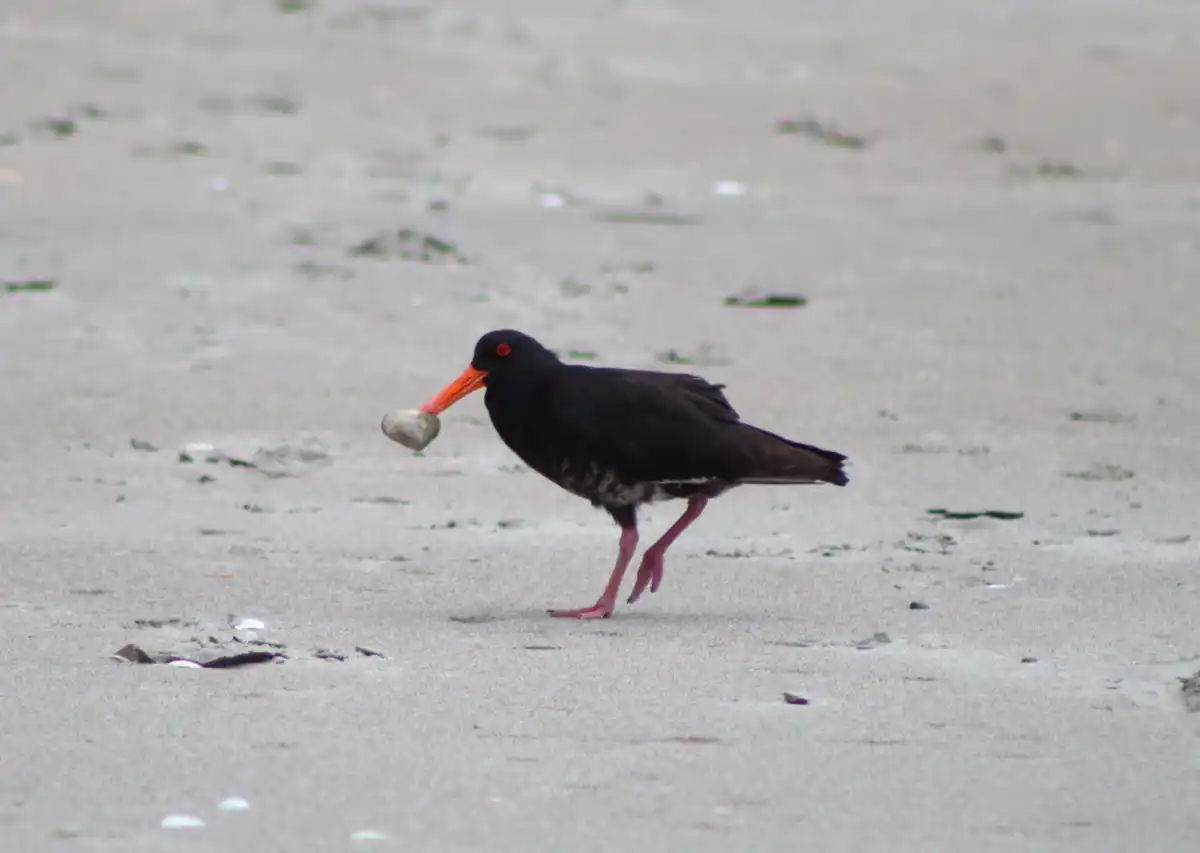
Littoral invertebrates, including molluscs, crustaceans, and annelids. They favour bivalve molluscs (e.g. mussels, tuatua, cockles) when these are available, They occasionally take small fish.
Their food is opened either by pushing the tip of the bill between shells and twisting, or by hammering.
On the grass they usually eat terrestrial invertebrates, including earthworms.
Unlike most shorebirds, variable oystercatchers feed their young. Small chicks often remain hidden under vegetation, rocks, etc, with parents bringing food; this probably reduces the risk of predation by gulls and harriers.
Waiheke Locations
Anzac Bay – I have spotted them at Anzac Bay water edge associating with other birds.
Blackpool – I have spotted them associating with other birds
Whakanewha – I’ve spotted them in the dotterels nesting zone with other birds
Variable Oyster catchers are flying birds so they can really be anywhere on Waiheke but not just Waiheke they are all over New Zealand, these are just areas I’ve spotted them and photographed.
References
https://www.nzbirdsonline.org.nz/ (Website used for journalistic purposes)
Gallery