Identification
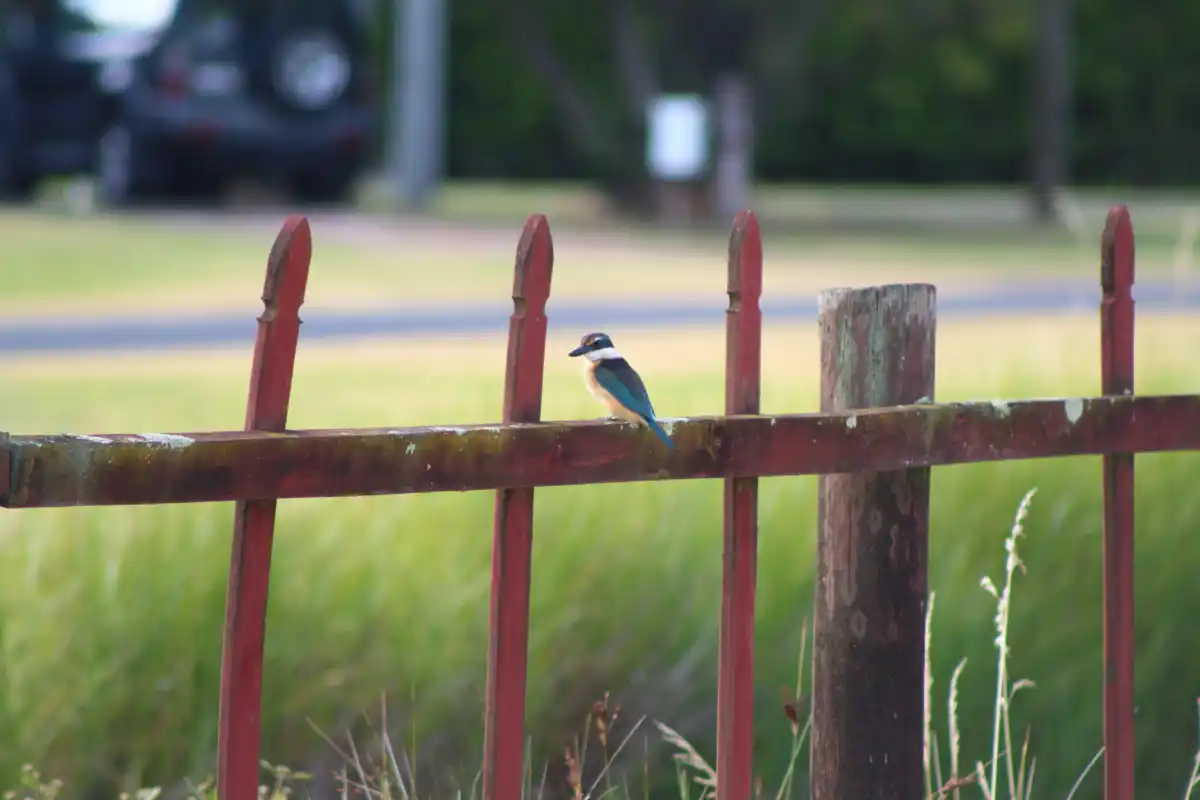
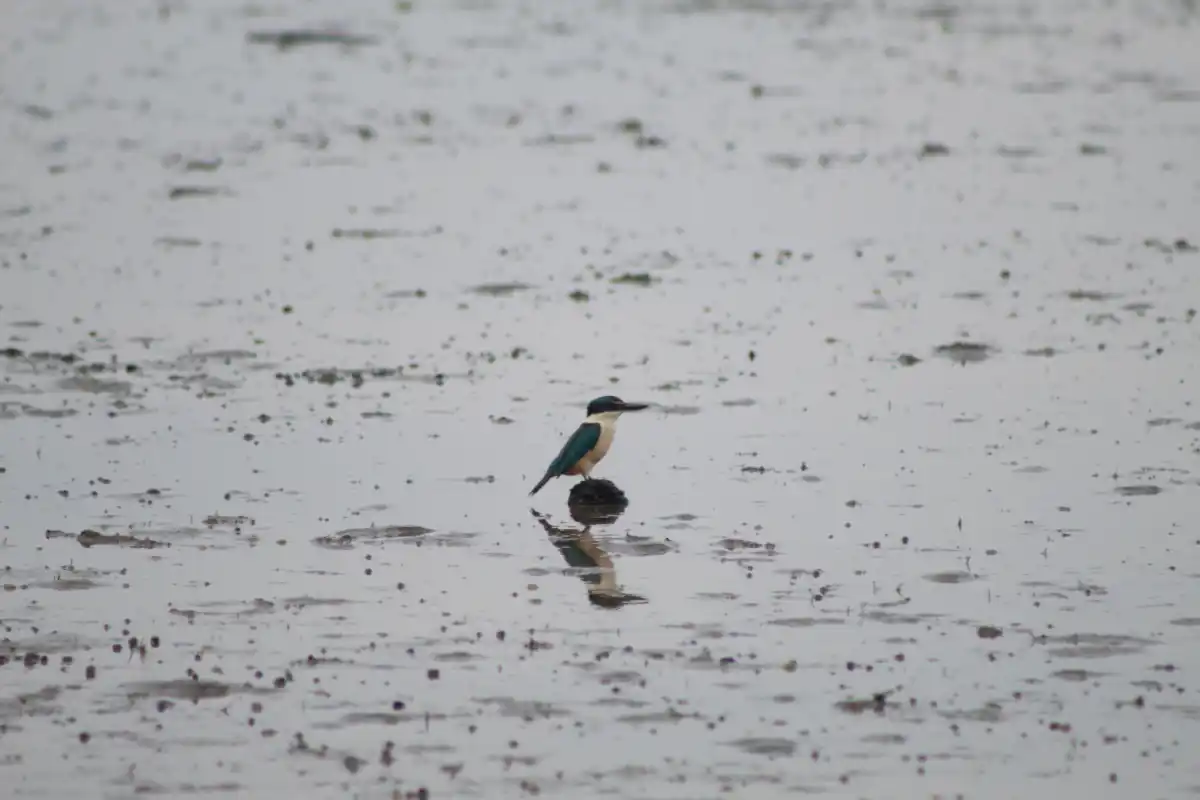
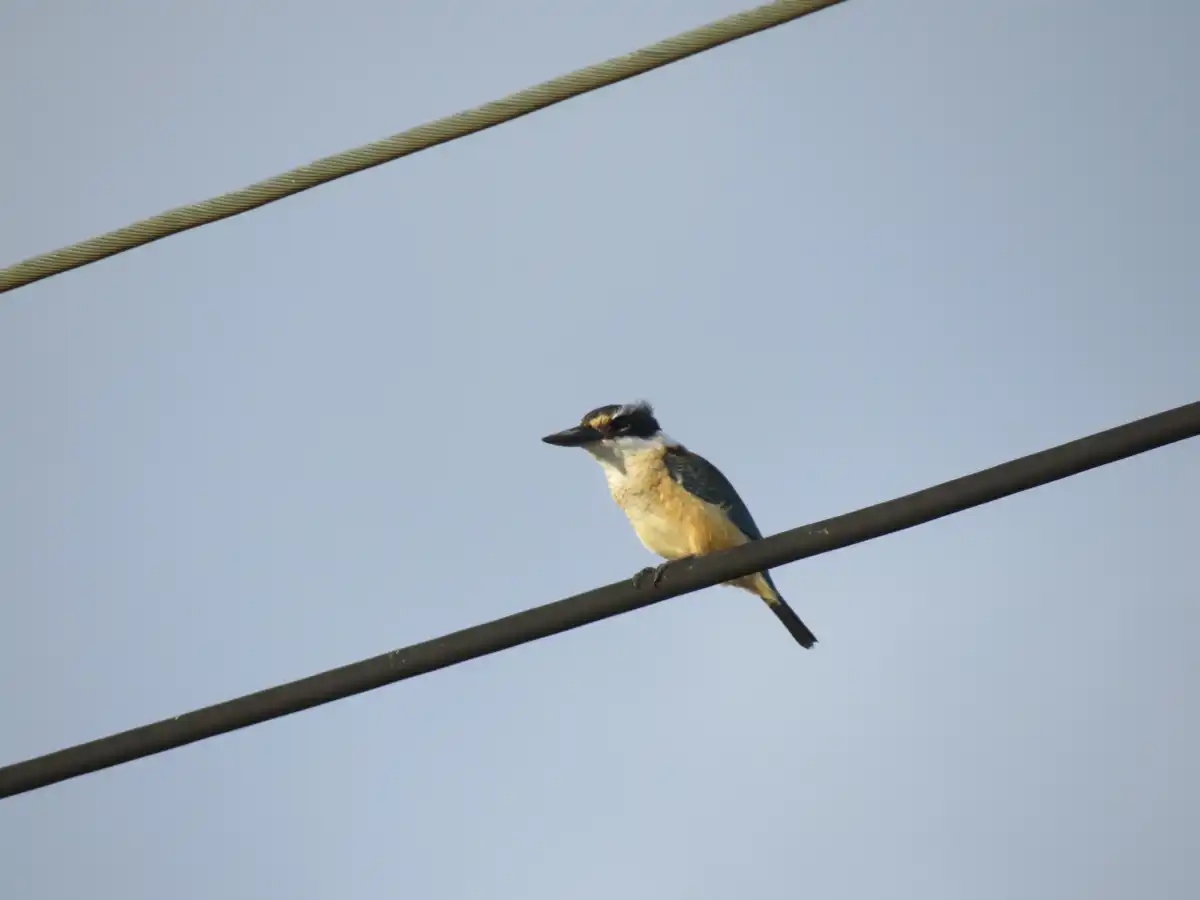
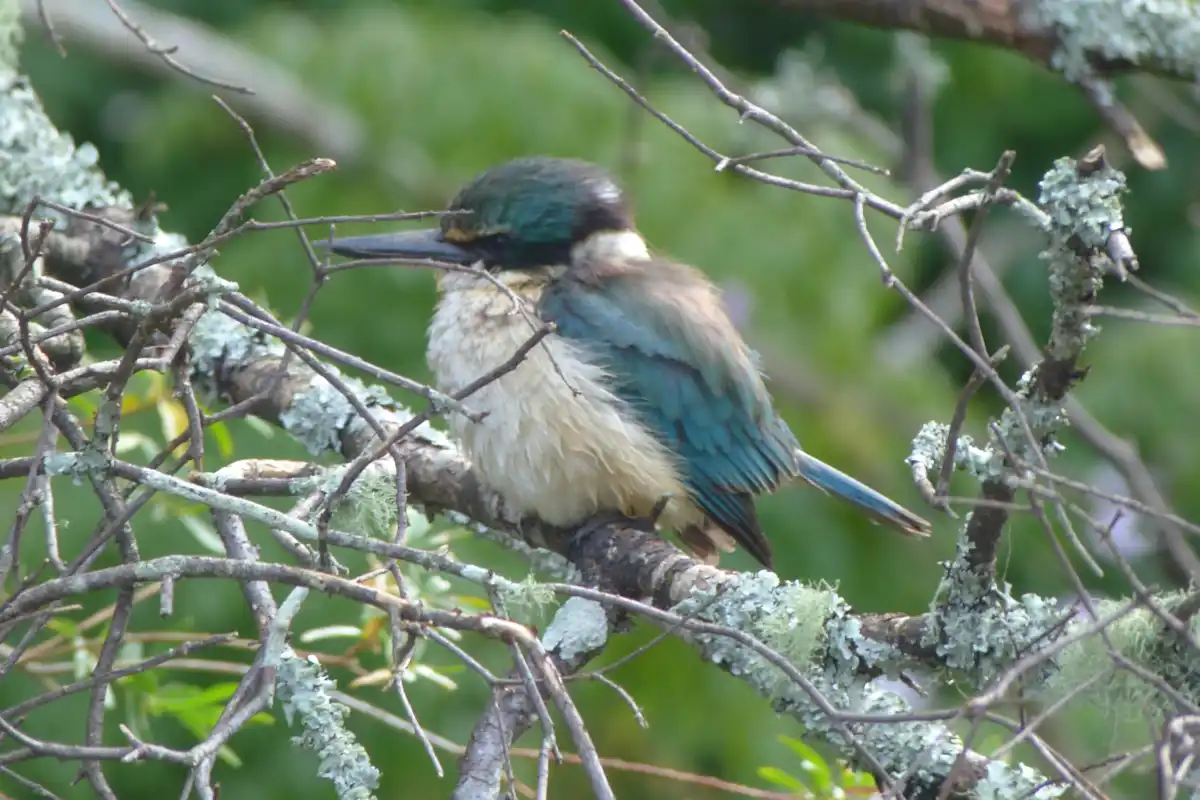
The sacred kingfisher is a distinctive bird with a green-blue back, buff to yellow undersides and a large black bill. they can be found nearby tidal beaches and powerlines on Waiheke.
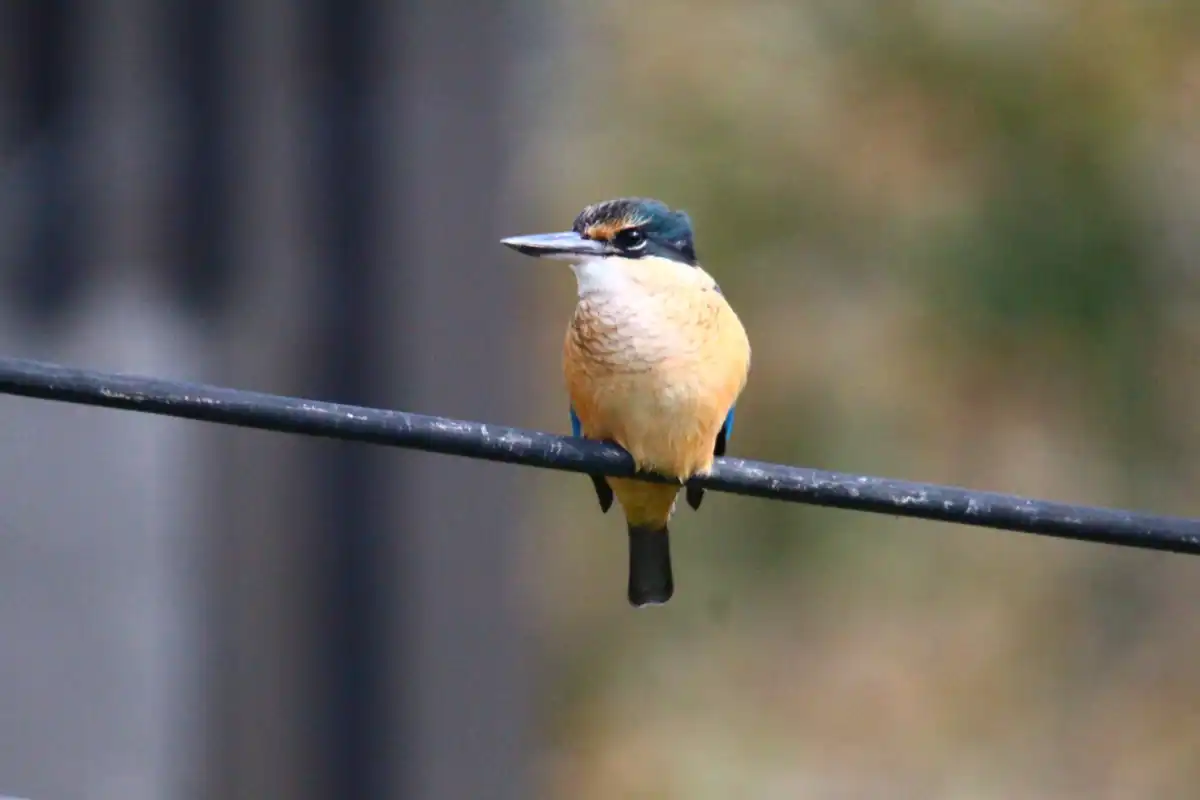
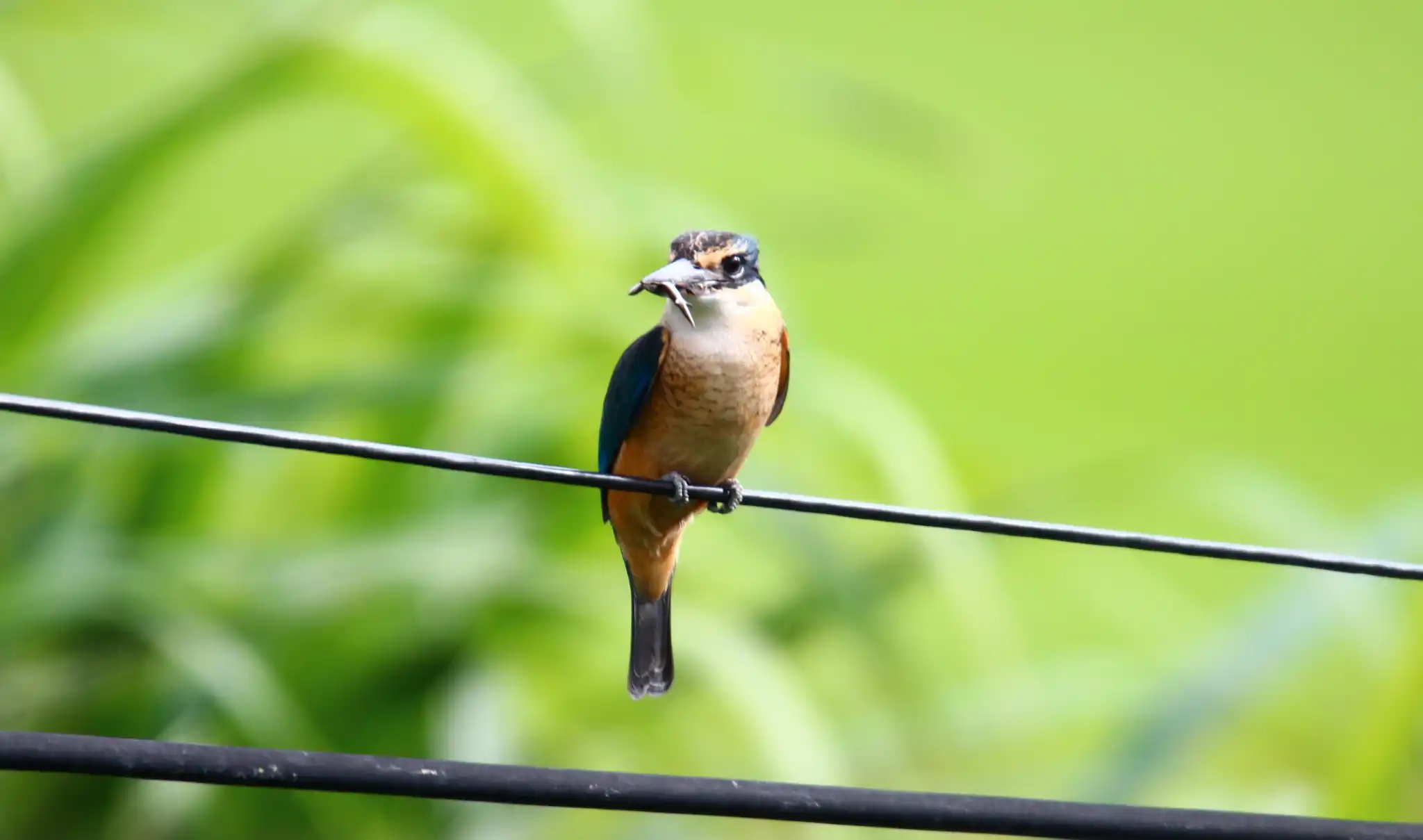
The sacred kingfisher is a medium-sized bird with a green-blue back, yellow-buff undersides, a large pointed black bill, a broad black eye-stripe from lores to ear-coverts, and a white collar in adults. Immatures are duller, with buff feather edges on upper parts and brownish mottling on the chest and collar.
usually you will spot a hunched silhouette waiting patiently on a powerline or other elevated perch over an estuary or mudflat which converts in a flash to a streak of green diving steeply to catch a prey item.
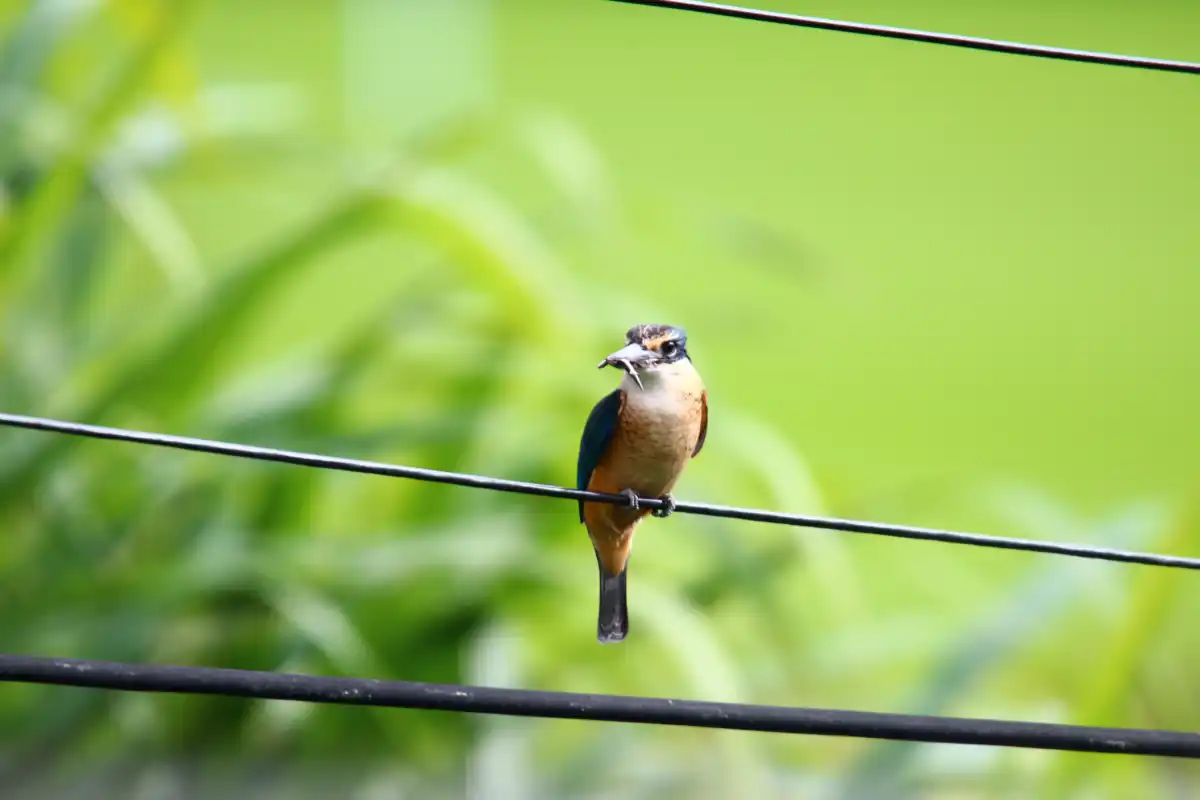
They are most conspicuous when roosting on powerlines along estuaries or coastal roads. Kingfishers will use a wide range of perches, including washing lines, fences stacked rocks etc. generally more than two metres above the ground. They rarely perch on the ground.
Kingfishers have a wide range of unmusical calls, the most distinctive of which is the staccato ‘kek-kek-kek’ territorial call.
Their main habitats are a wide range of forest, river margins, farmland, lakes estuaries and rocky coastlines; anywhere where there is water or open country with adjacent elevated perches.
Kingfishers congregate in coastal districts and lowlands during winter. They have benefited from the creation of artificial structures such as powerlines and posts beside and over estuaries. They have also probably benefited from forest clearance and the increased amount of forest edge habitat and the planting of exotics (willow & poplar along rivers).
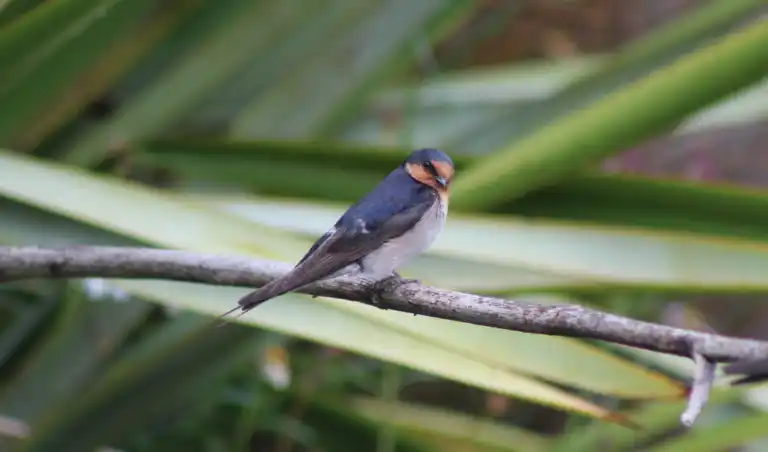
Welcome Swallow
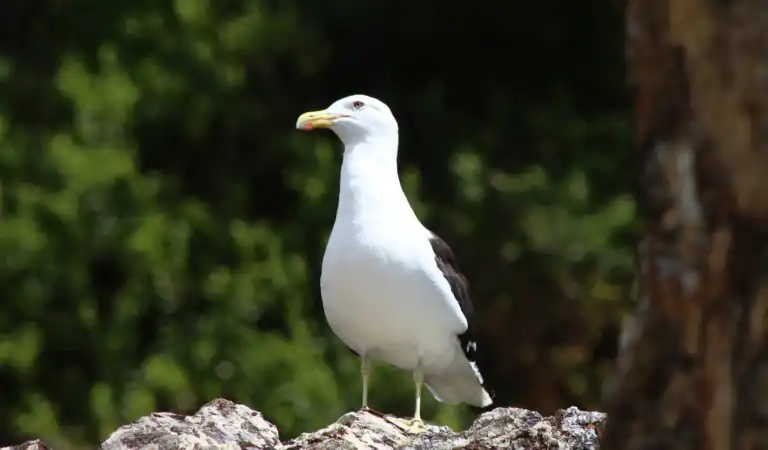
Great black-backed gull
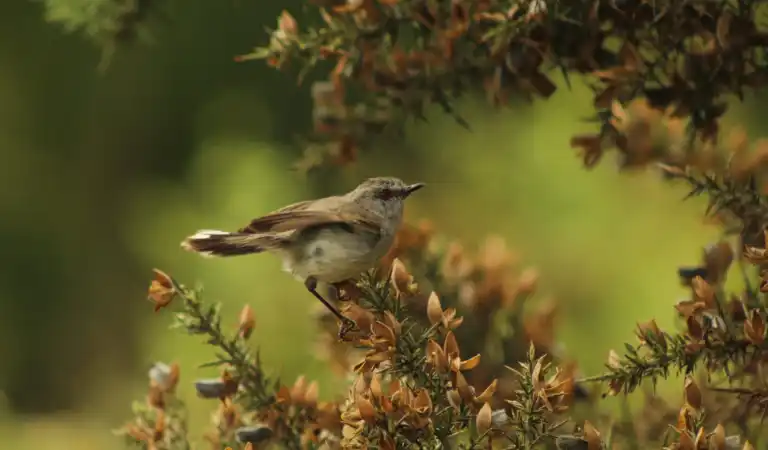
Grey Warbler
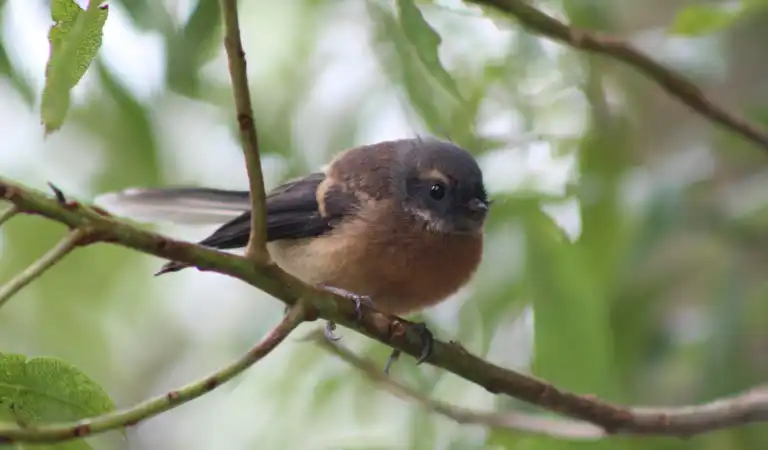
Fantail
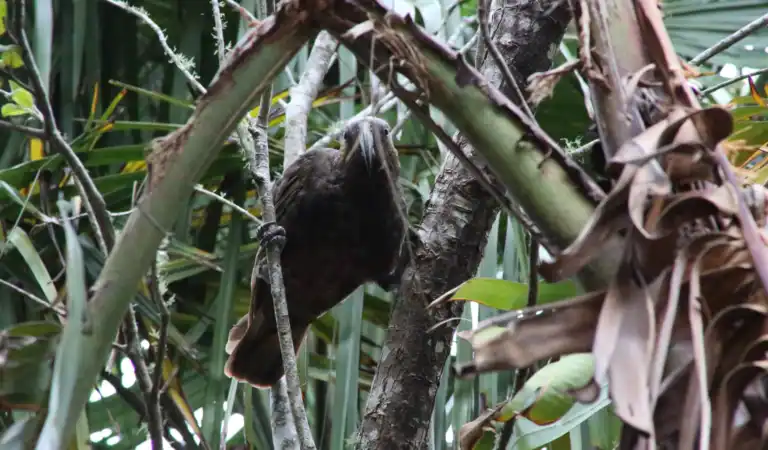
Kaka
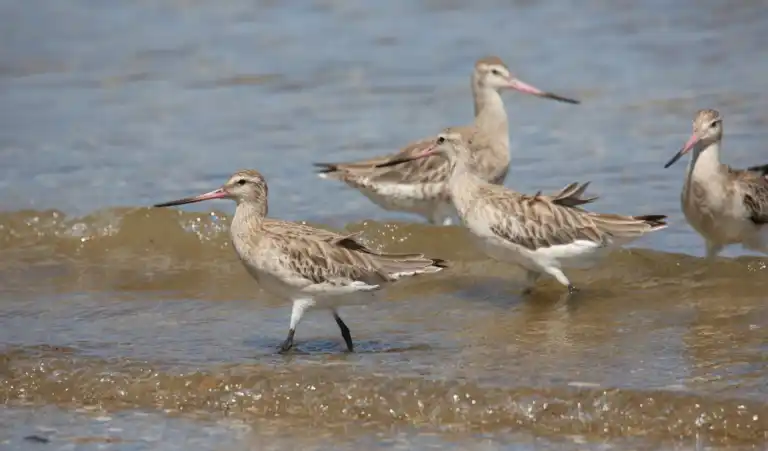
Bar-tailed Godwit
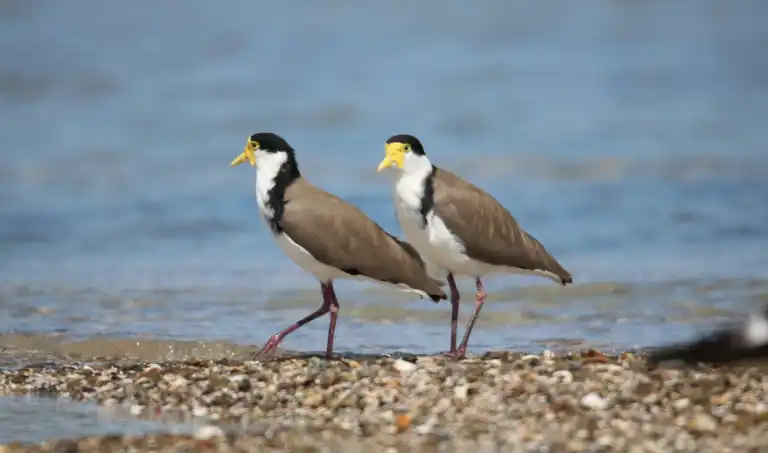
Spur-winged Plover
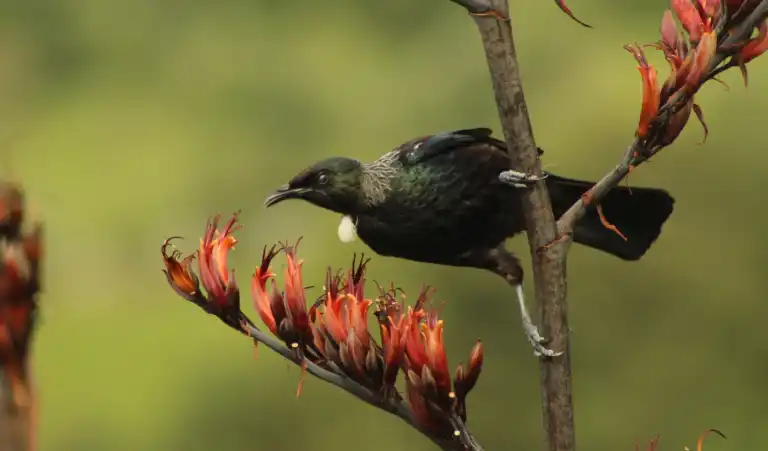
Tui
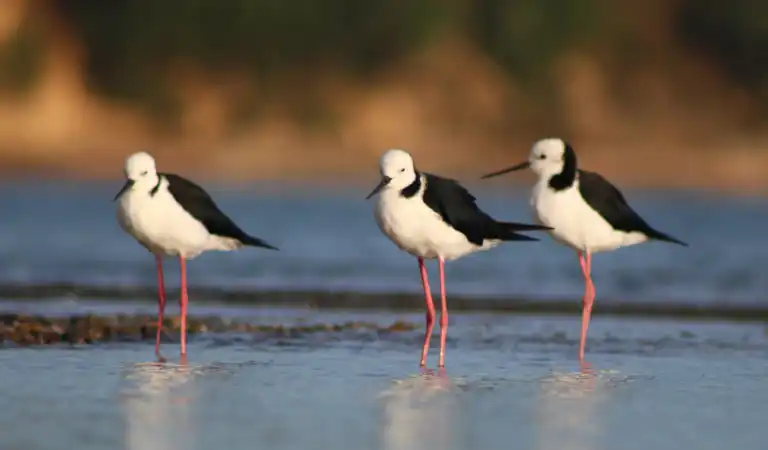
Pied Stilt
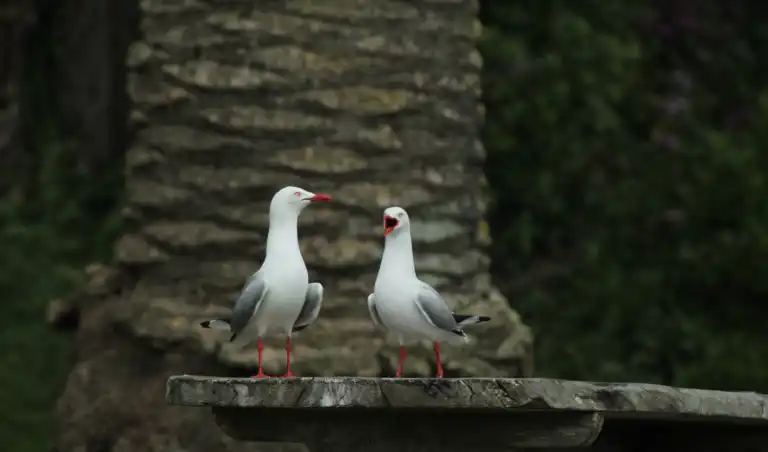
Red Billed Gull
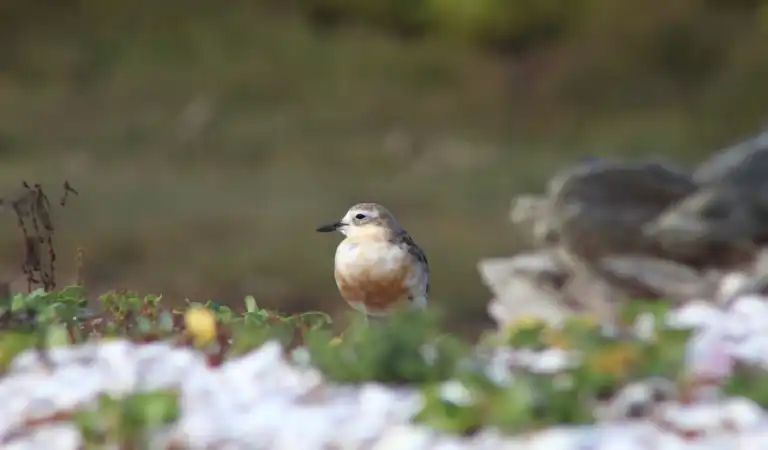
NZ Dotterel
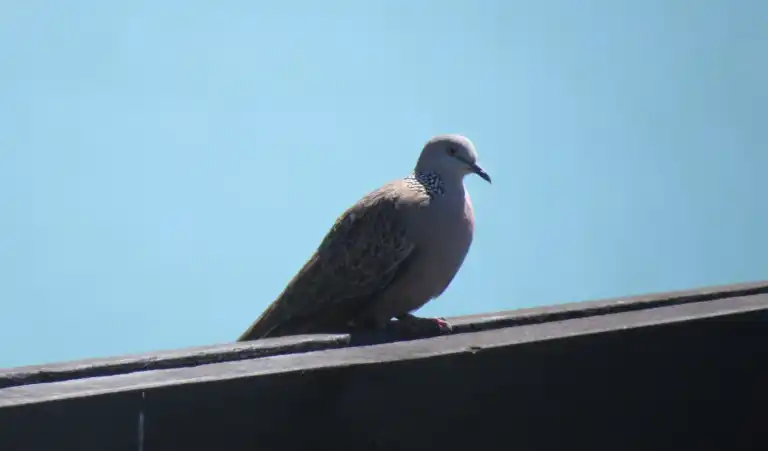
Spotted Turtle Dove
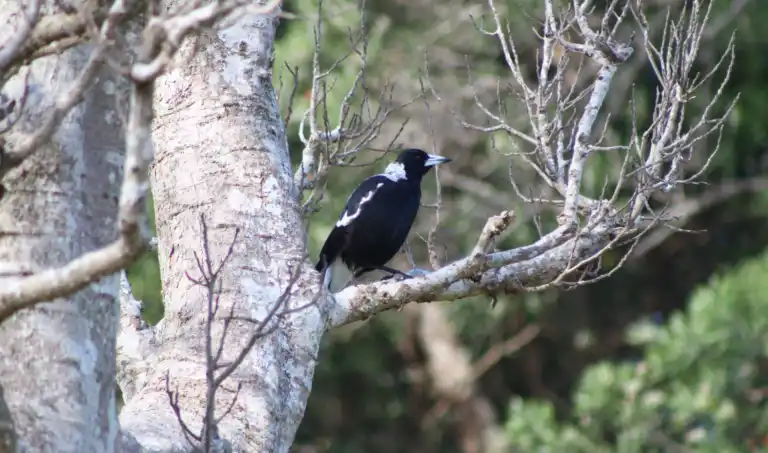
Magpie
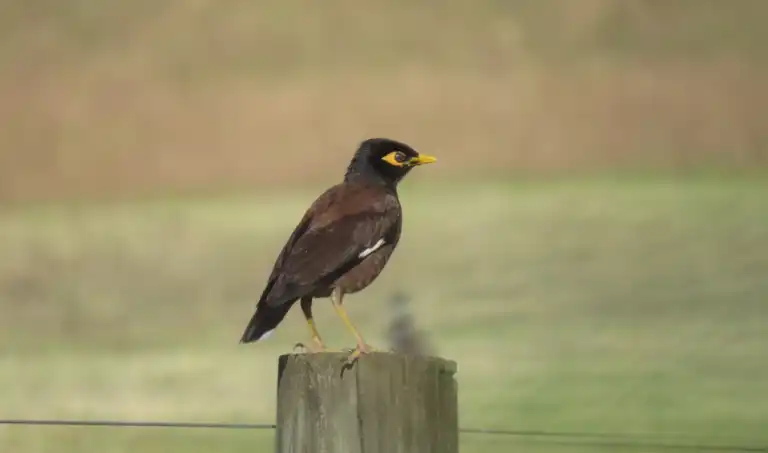
Common Myna
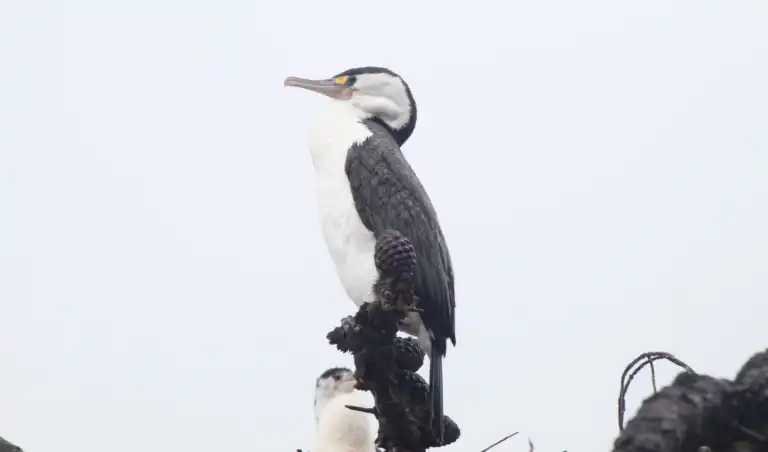
Pied Shag
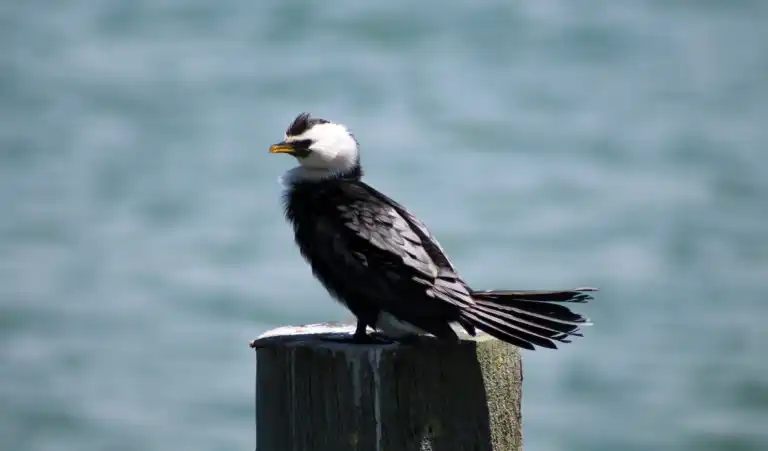
Little Shag
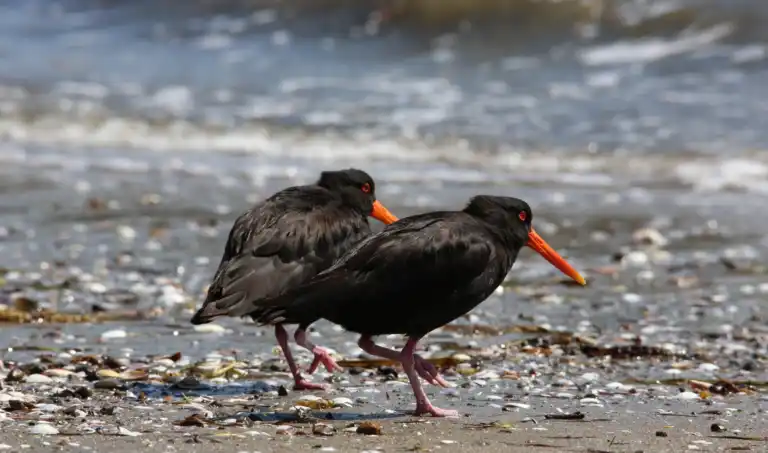
Variable Oyster Catcher
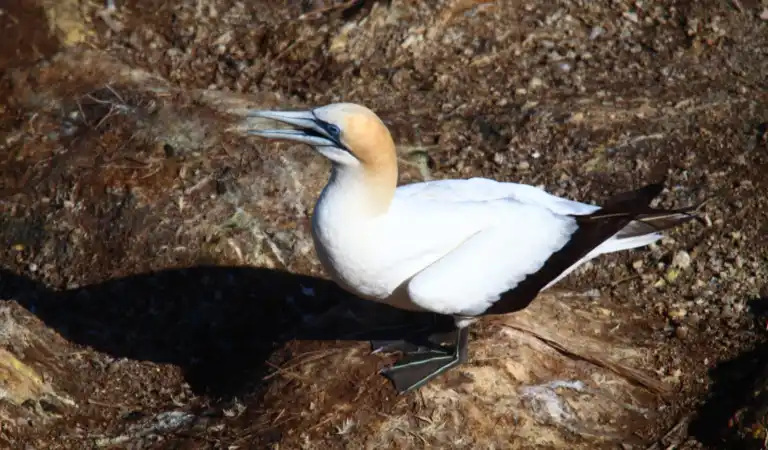
Australasian Gannet
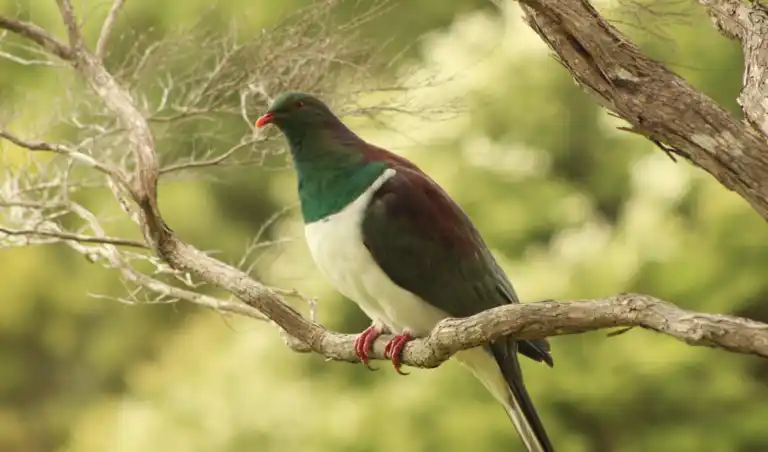
Wood Pigeon
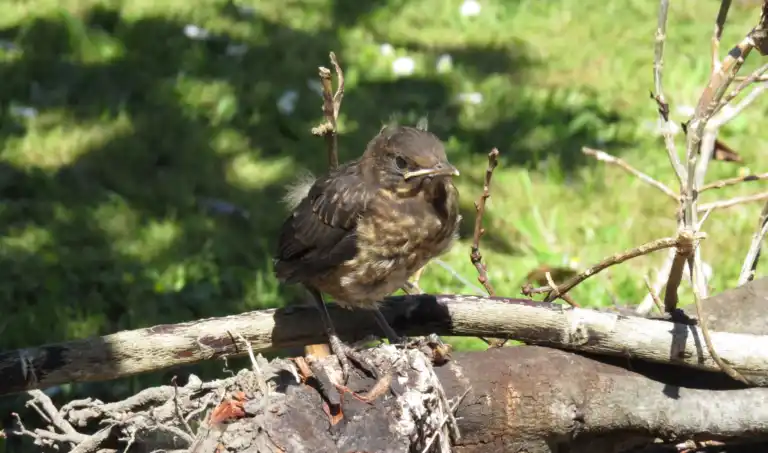
Thrush
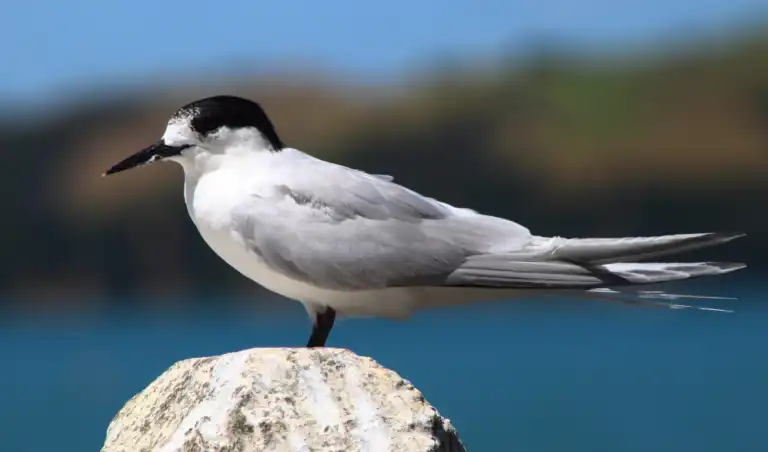
White Fronted Tern
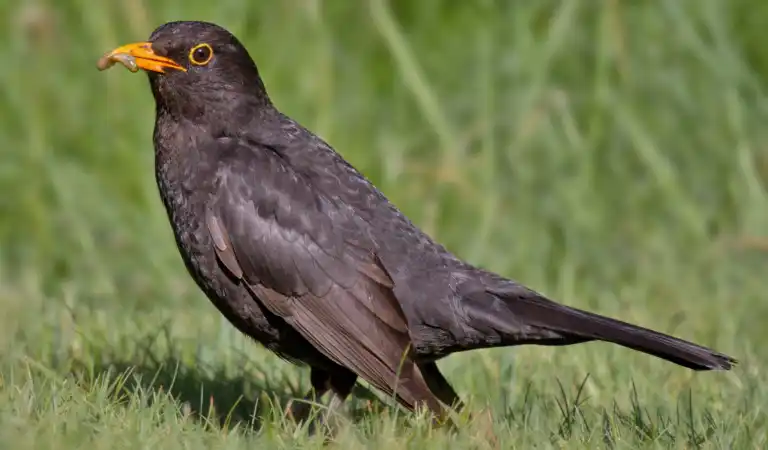
Black Bird
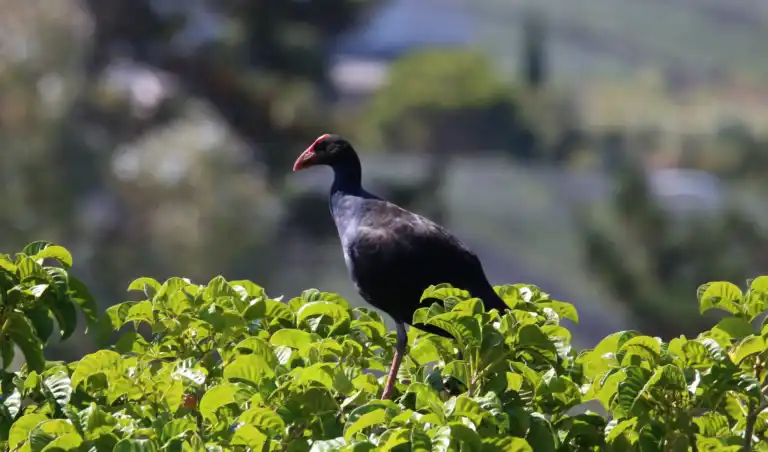
Pūkeko
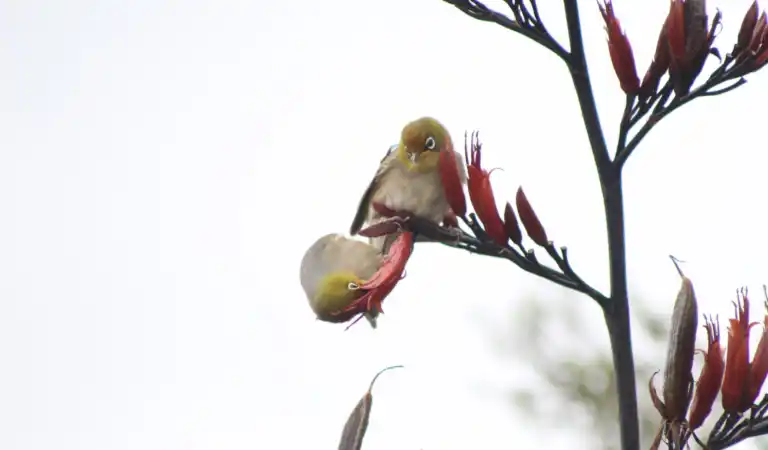
White-Eye
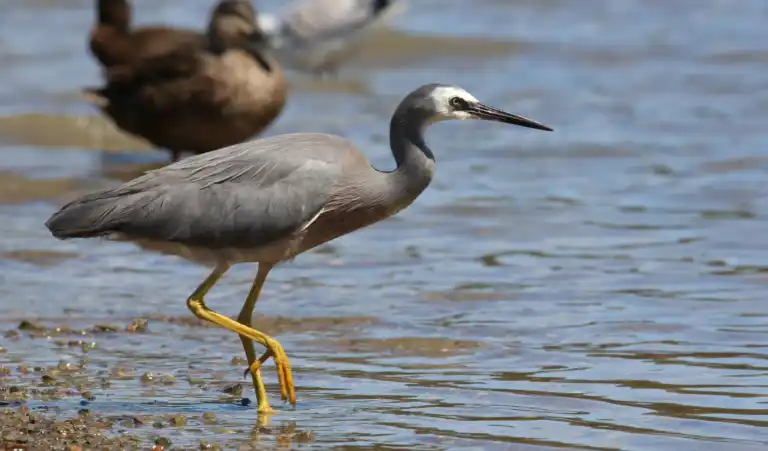
White Faced Heron
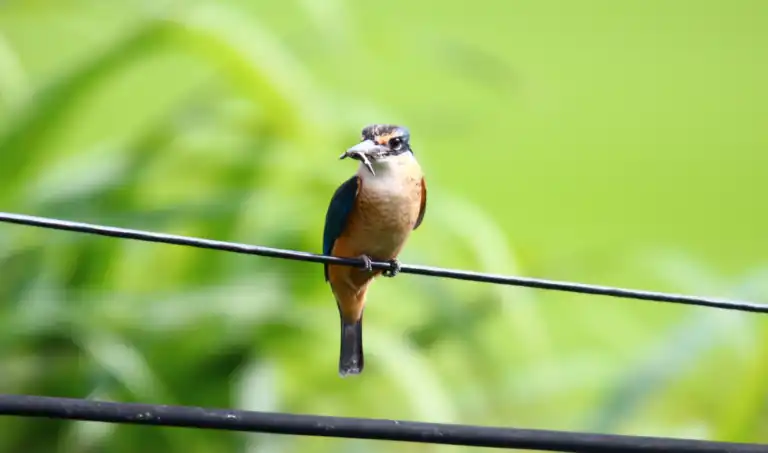
Sacred Kingfisher
Breeding
Mating occurs in early September with nest building or refurbishment in October. Second clutches can be laid as late as February.
Nest sites are in a wide range of trees sites, cliffs, banks and cuttings.
A nest chamber is excavated initially by repeatedly flying at the intended site and using the bill to chisel out dirt. Once a purchase point is created, the birds peck and scoop out the rest of the nesting tunnel and nest chamber.
The nest is generally not lined, but regurgitations can accumulate. Their eggs are smooth glossy white.
Incubation is shared, but predominantly by the female.
Nests can be evicted by starlings, mynas and sparrows. Adults can be extremely aggressive in defending nesting site, strategies include repeated staccato calls from nearby perches, responses to calls by neighbouring pairs, and dive-bombing of birds (including other kingfishers) and mammals.
Food
A wide range of terrestrial and aquatic invertebrates and vertebrates are taken, mostly from the ground, depending on the habitat.
In estuarine mudflats the diet is mainly small crabs. In freshwater habitats a range of tadpoles and small fish are taken.
In open country insects such as cicadas, beetles, stick insects and weta are caught, along with spiders and small vertebrates, including lizards, mice and small birds.
Kingfishers return to a perch with their prey, where they batter larger items before consumption. Various hunting strategies have been reported where birds sally forth from a perch and return with prey, plunge either shallowly or deeply into water, or probe into rotten logs. Prey are swallowed whole and pellets of indigestible remains are regurgitated.
Chicks are fed by both parents on food similar to the adult diet. At some sites small chicks were fed spiders and insects, with larger items of food such as fish included as the chicks grew.
Chicks are initially fed in the nest but as they grow they are called out to the entrance by the adult. Chicks are fed for 7-10 days after leaving the nest and then start to catch food for themselves.
Waiheke Locations
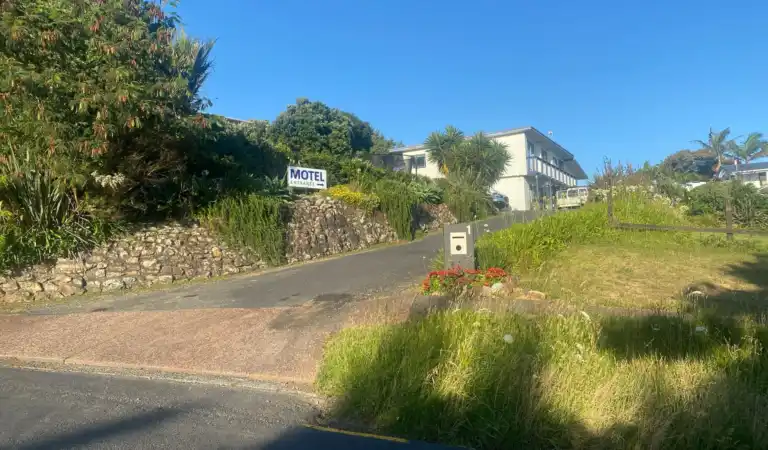
Powerlines, Fences and Trees– Perched watching for food. I have a few that perch on our powerline by my deck.
Tidal beaches – Putiki Bay, Rocky Bay, Anzac Bay
Kingfishers are flying birds so they can really be anywhere on Waiheke but not just Waiheke they are all over New Zealand, these are just areas I’ve spotted them and photographed.
References
https://www.nzbirdsonline.org.nz/ (Website used for journalistic purposes)
Gallery