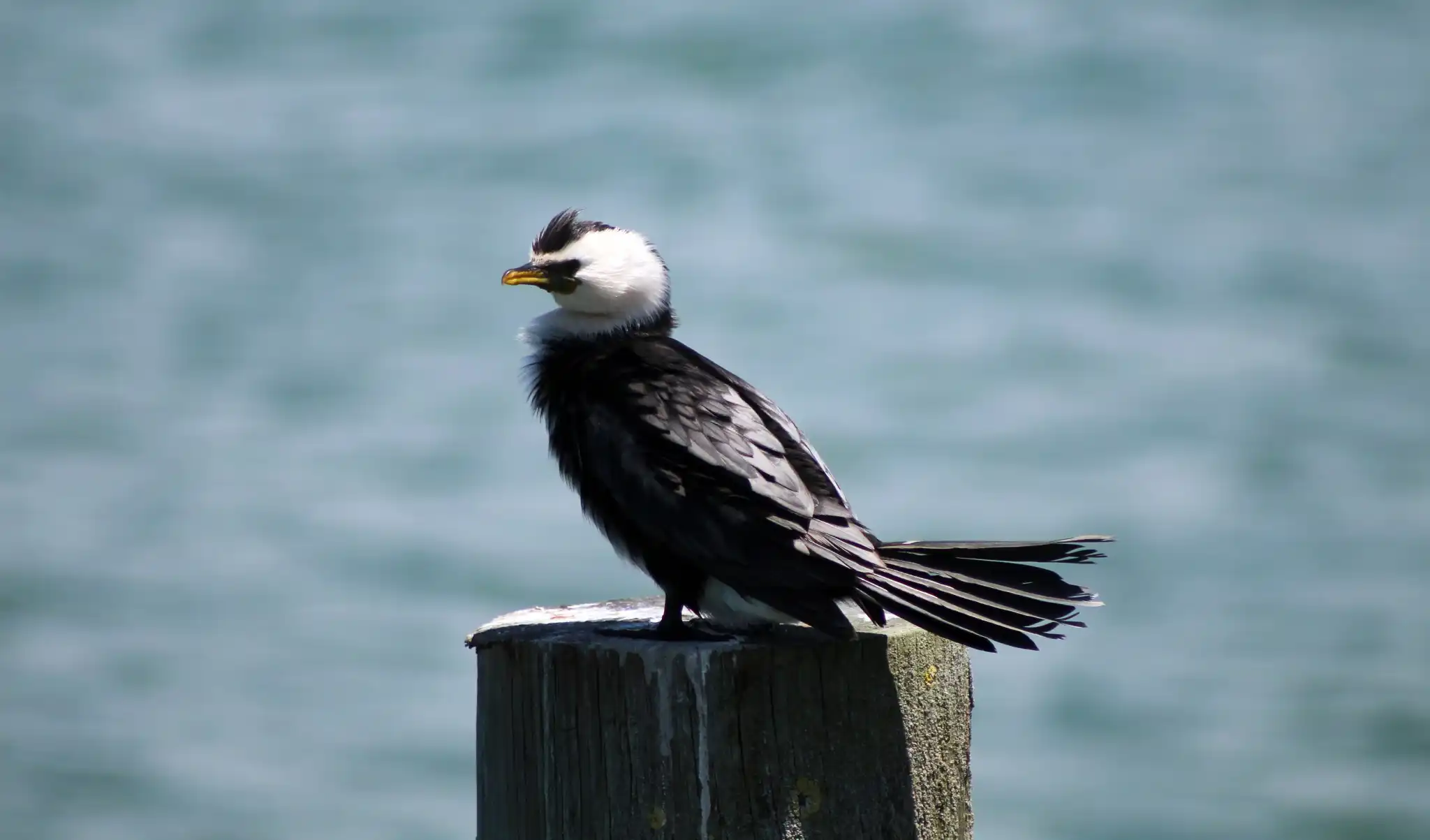
Little Shag

Scientific Name Microcarbo melanoleucos
Native Yes
Family Phalacrocoracidae
Common Weight 400-880 Grams
Common Height 35 CM
Common Length 50 CM

Identification

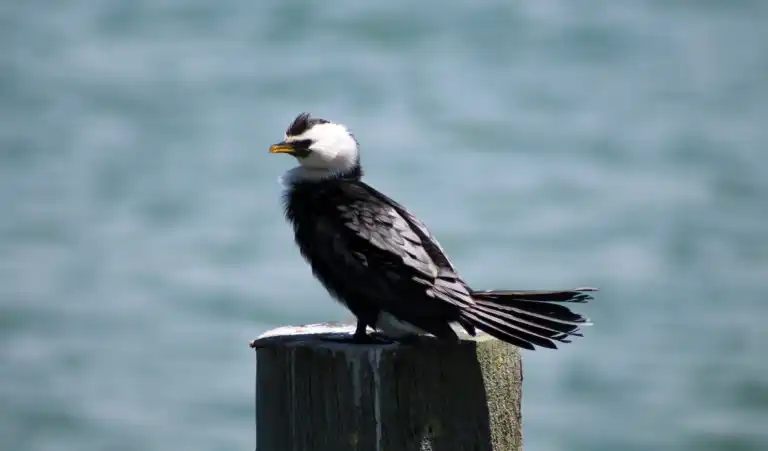
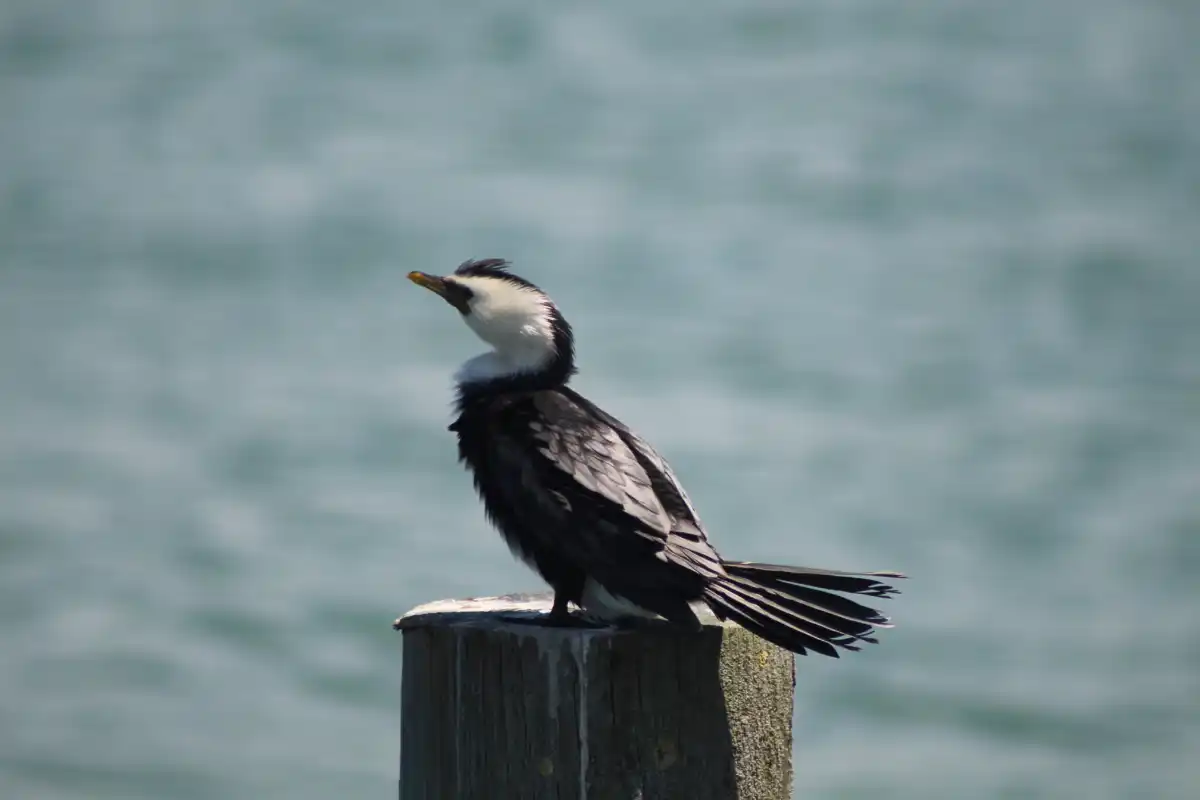
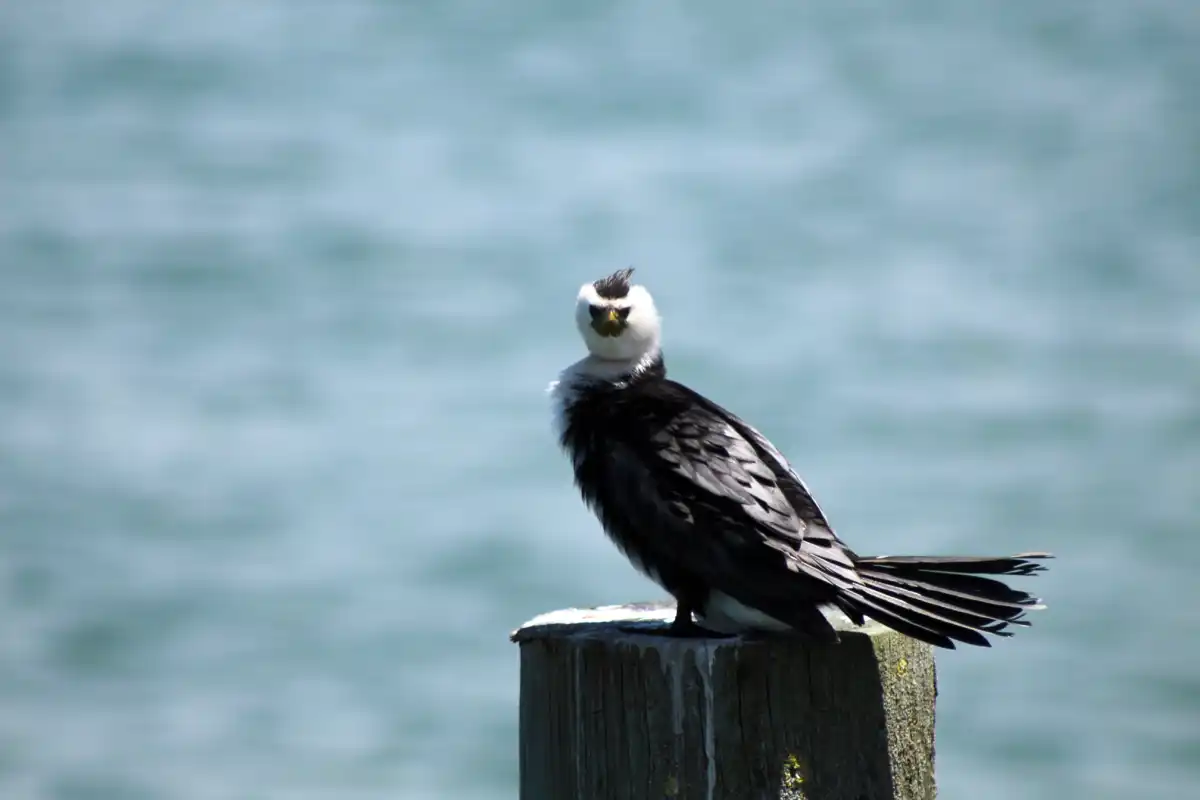
The little shag is a small shag, with a short yellow bill, black feet, a relatively long tail, usually spotted in the ocean searching for food or hanging around fisherman by the rocks of Waiheke.

The little shag is the most widely distributed shag species in New Zealand, found in both marine and freshwater habitats, on the coast as well as on inland lakes, ponds, rivers and streams. 

It also has the most variable plumage of any New Zealand shag. The face, throat, breast and belly plumage range from completely black through to white, with a range of partial combinations in between.  Most adults are black with white cheeks and throat, a colour morph sometimes referred to as a ‘white-throated shag’. 8-60% of adults (depending on location) have completely white underparts, from face to undertail. The bill is short, stout and yellow, dark on the ridge. The eye is brown, and facial skin yellow. Legs and feet are black. 

The first plumage of juveniles is either white-breasted or entirely black. Examples of each type can be present in the same nest where the adults are of different plumage forms. The all-black fledglings develop a white throat after becoming independent and until then can be confused with little black shags (but note differences in bill colour and shape).

All little shags have relatively longer tails than black, pied and little black shags. When flying or roosting with wings held out, their wings are also shorter and broader than these three other ‘black-footed’ shag species.

Little shags are usually quiet except for when they are in nesting colonies, males give characteristic bi- or tri-syllabic ‘cooing’ sounds during courtship displays. A greeting call, consisting of a series of notes, uh, uh, uh, uhfading away, is used by both sexes when approaching the nest to change over or to bring food.

black shag, pied shag, and little pied shag all have plumage that is similar to one of the patterns seen in adult or juvenile little shag colour morphs. In all ages and plumages, little shags can be distinguished from these three other species by their small size combined with a short, stout yellow bill and relatively long tail.
Waiheke Wildlife

Pūkeko

Pūkeko

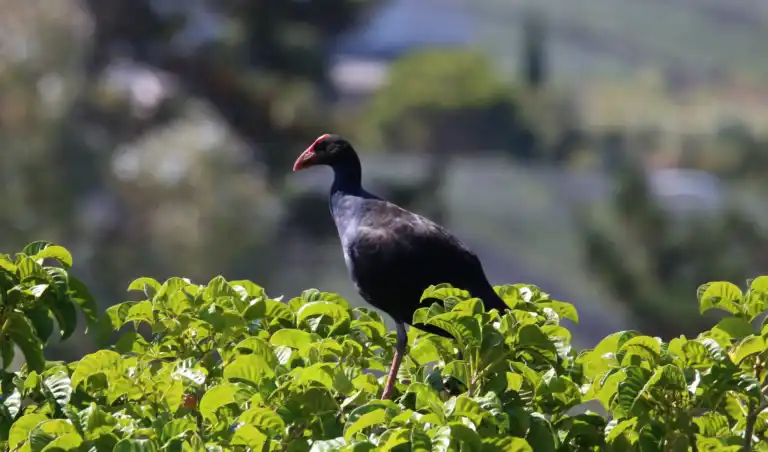
The Pukeko is a large relatively compact rail with a deep blue-violet head, breast and throat and a red bill. Found in swamp/Mangrove areas of Waiheke Island.
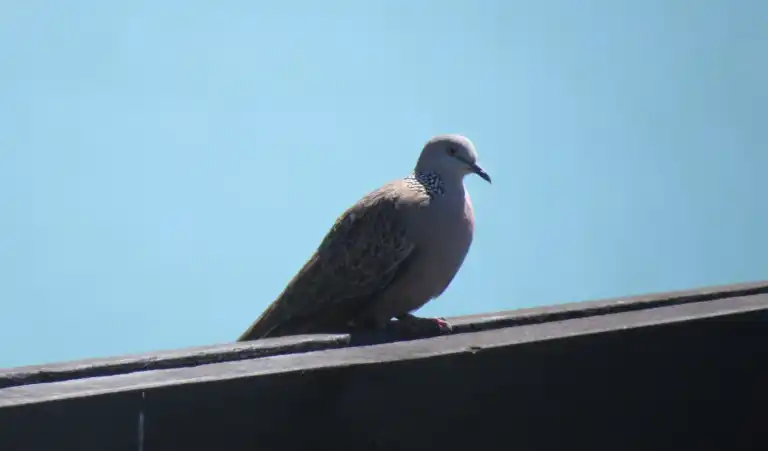
Spotted Turtle Dove

Spotted Turtle Dove

The spotted dove is a medium-sized, long-tailed dove, with a greyish head and speckled greyish brown upperparts. Found on Waiheke around gardens and the rooster reserve.
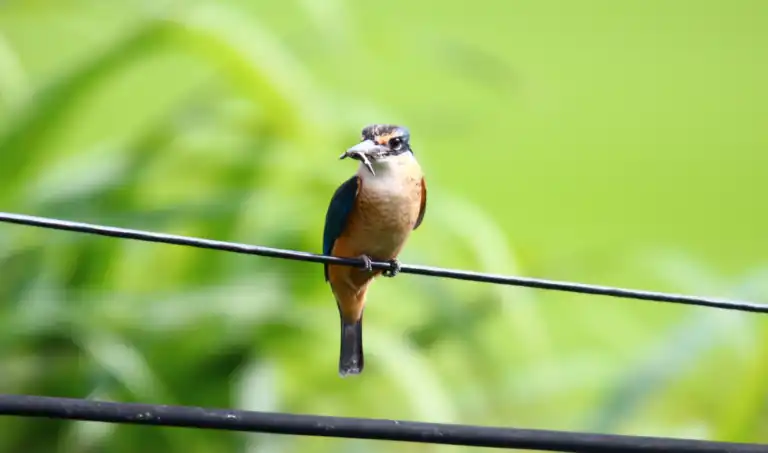
Sacred Kingfisher

Sacred Kingfisher

The sacred kingfisher is a distinctive bird with a green-blue back, buff to yellow undersides and a large black bill. they can be found nearby tidal beaches on waiheke.
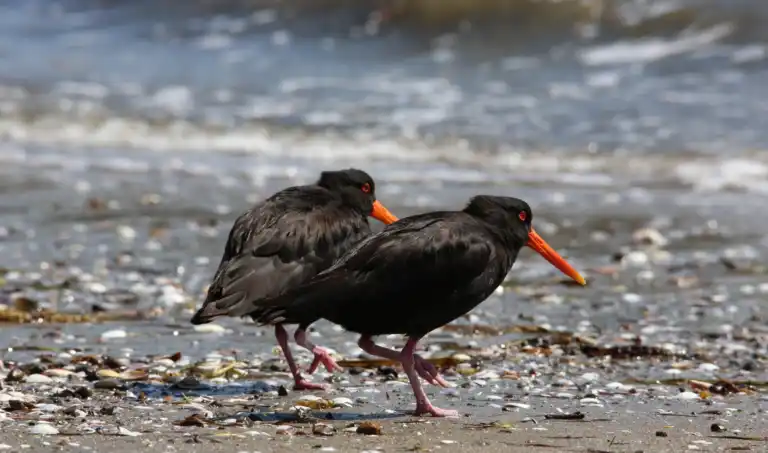
Variable Oyster Catcher

Variable Oyster Catcher

The variable oystercatcher is a stocky coastal bird with a long, bright orange bill, it is located on many quiet beaches such as Blackpool, Whakanewha and Anzac bay.
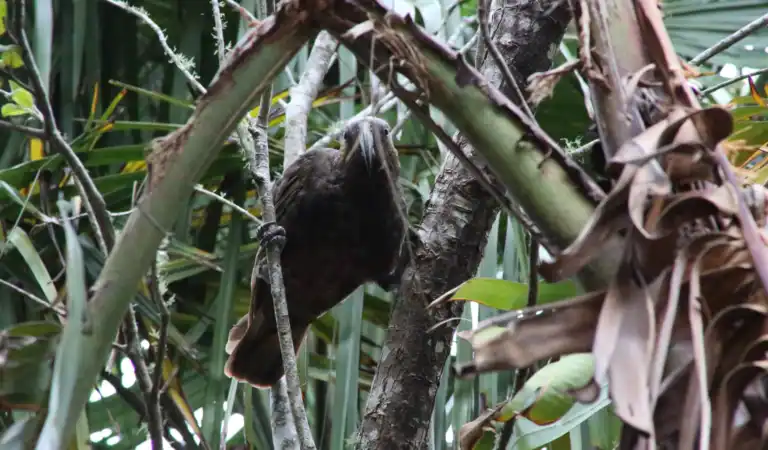
Kaka

Kaka

The Kaka is a large, olive-brown parrot with grey-white crown, red-orange underwing and deep crimson belly, located in tree covered areas around Onetangi.
Tui

Tui

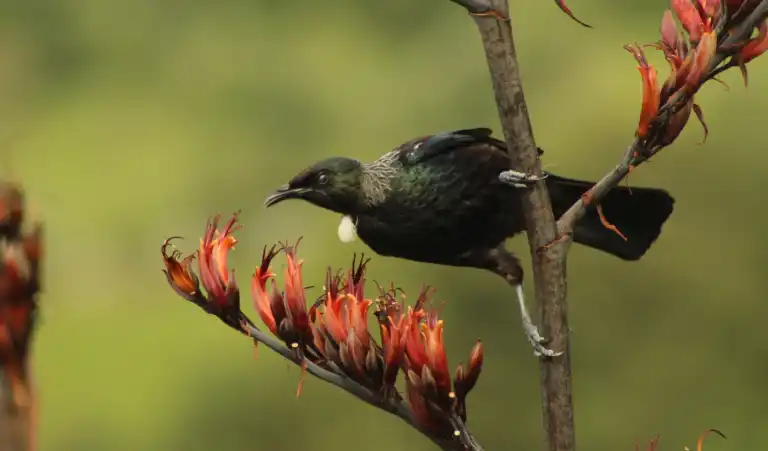
The Tui is a iridescent blue-green honeyeater with two curled white feather tufts on the throat. Locations found on Waiheke are around flaxes feeding off nectar.
Australasian Gannet

Australasian Gannet

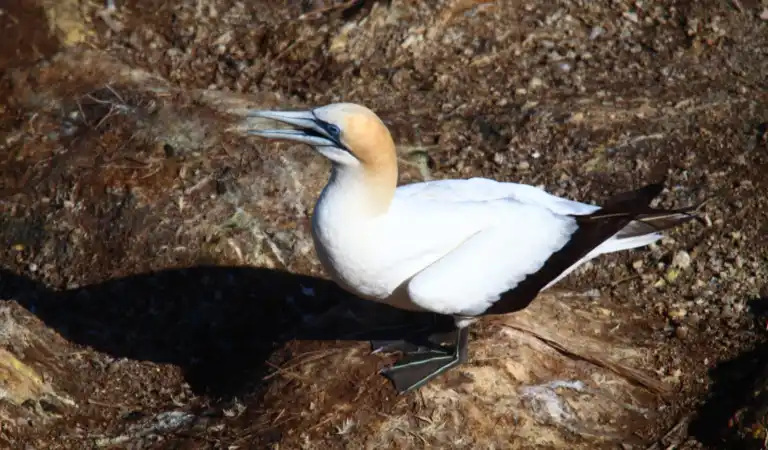
The gannet is a large slender-bodied seabird with mainly white plumage, buff-yellow head and neck. Occassionally seen around Waiheke searching for food in ocean depths.
White Faced Heron

White Faced Heron

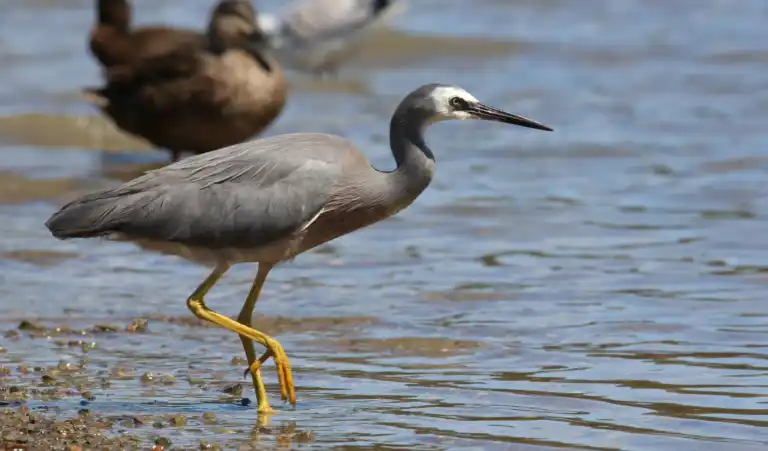
The white-faced heron is a tall, elegant, blue-grey bird usually spotted stalking prey. Locations found on Waiheke are Mangroves, Anzac bay and quiet beaches.
Spur-winged Plover

Spur-winged Plover

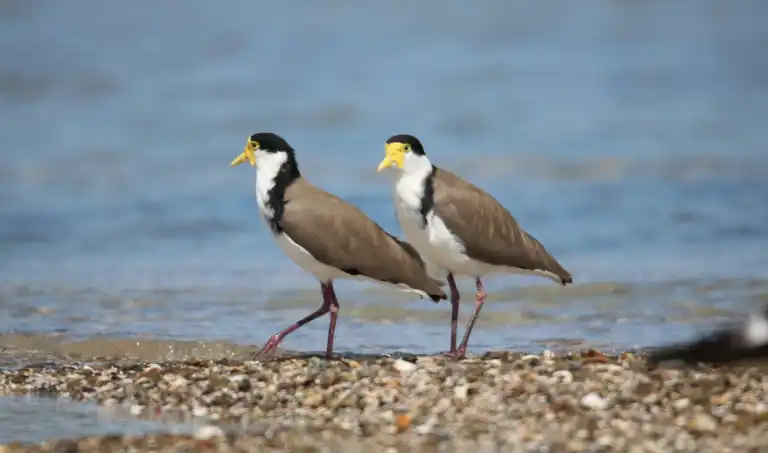
The Spur-winged plover is a large stocky wader with a yellow bill and spurs on each wing, locations found on Waiheke are Blackpool, Maori hill and Whakanewha.
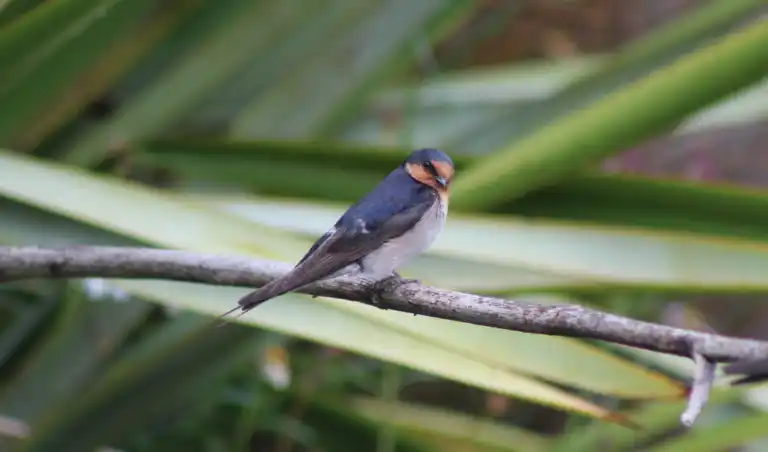
Welcome Swallow

Welcome Swallow

Welcome swallows are small fast-flying birds, they are usually seen around waiheke during breeding season between August and February on powerlines, fences and beaches.
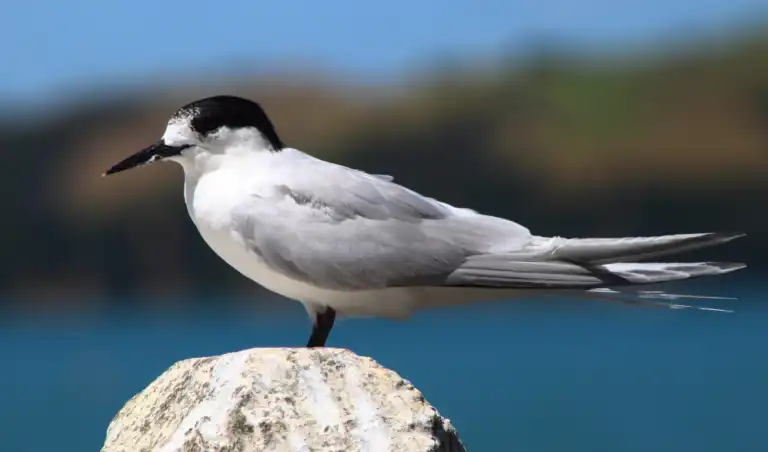
White Fronted Tern

White Fronted Tern

The white-fronted tern is a medium-sized, long-tailed sea tern commonly around New Zealand coasts. Spotted congregating on Waiheke wharfs such as Matiatia and Orapiu.
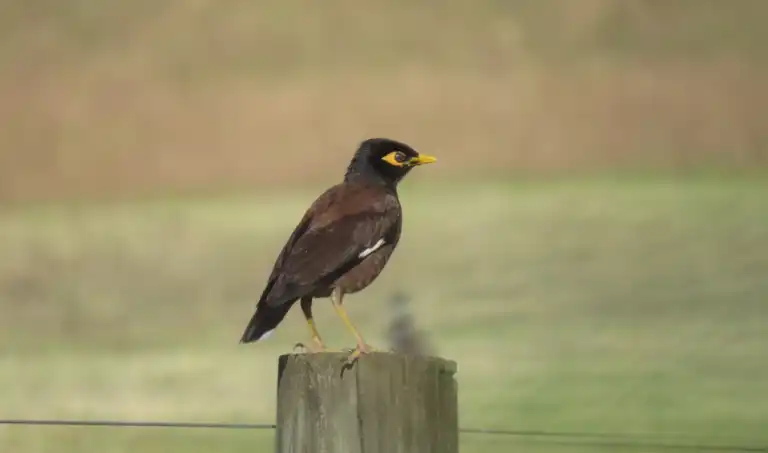
Common Myna

Common Myna

Mynas are stocky brown birds with a shiny black head and shoulders. Commonly found on road sides on Waiheke, usually playing chicken with cars while foraging for food.
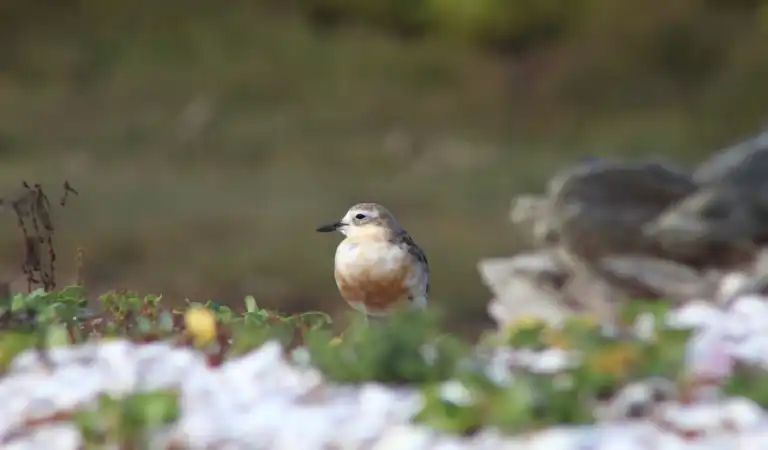
NZ Dotterel

NZ Dotterel

The New Zealand Dotterel is a shorebird which breeds on beaches in NZ's North Island. Locations found on Waiheke are Whakanewha, Anzac Bay and Blackpool.
Bar-tailed Godwit

Bar-tailed Godwit

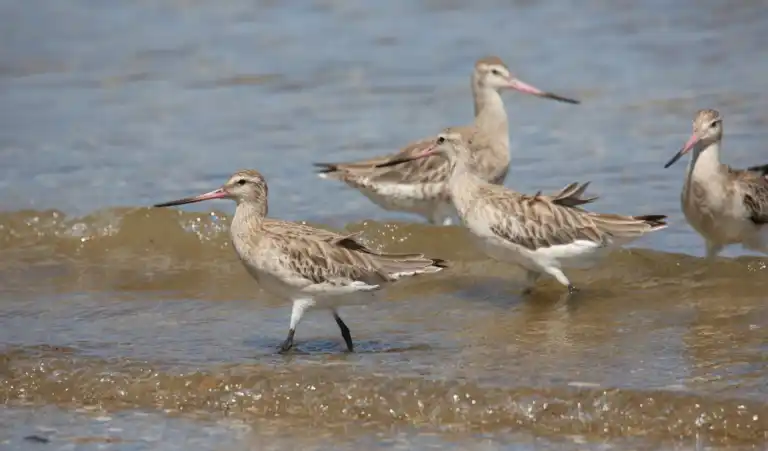
The Godwit is a migrant from Alaska, they fly 8-9 days straight to arrive in NZ. They can be found on Waiheke from September - March located at Blackpool.
Pied Stilt

Pied Stilt

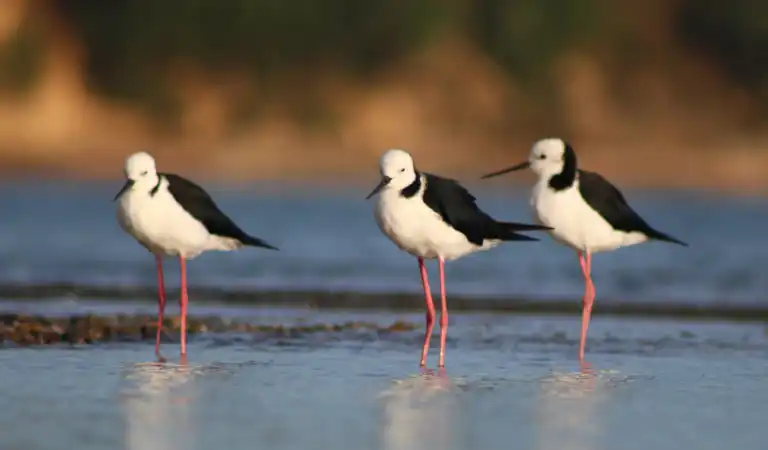
The pied stilt is a dainty wading bird, It is common at wetlands and coastal areas, found on Waiheke at Putiki Bay, Anzac Bay and Blackpool.
White-Eye

White-Eye

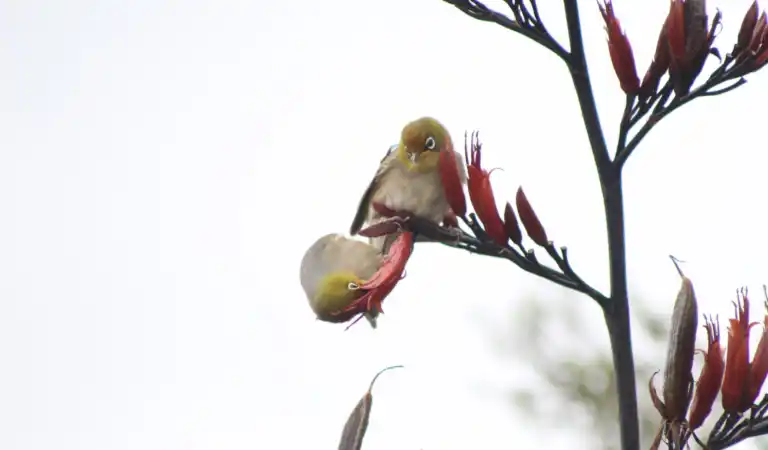
A small songbird, immediately recognisable by its distinctive white eye-ring. This quick little bird can be found feeding off flax and kowhais or fruit trees on Waiheke.
Magpie

Magpie

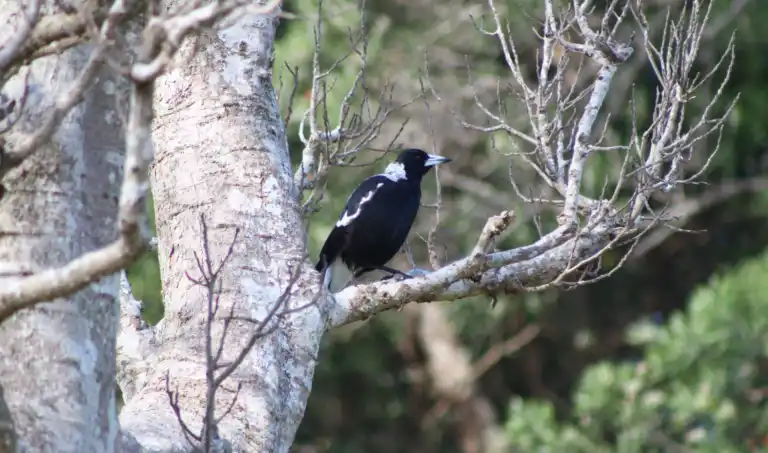
The Magpie is a large black-and-white songbird, It was introduced from Australia. It can be found on Waiheke around farmland and large grass reserves.
Fantail

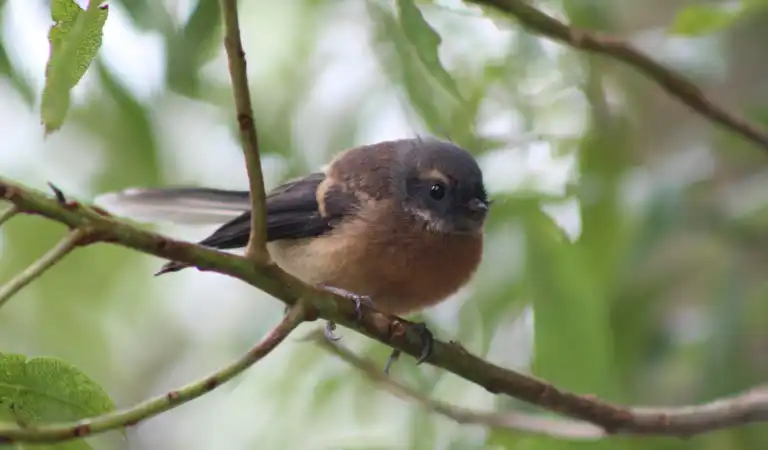
Fantail

The Fantail is a well known NZ bird due to its distinctive fanned tail. Locations found on Waiheke are any well-treed parks, bush walks and even properties.
Red Billed Gull

Red Billed Gull

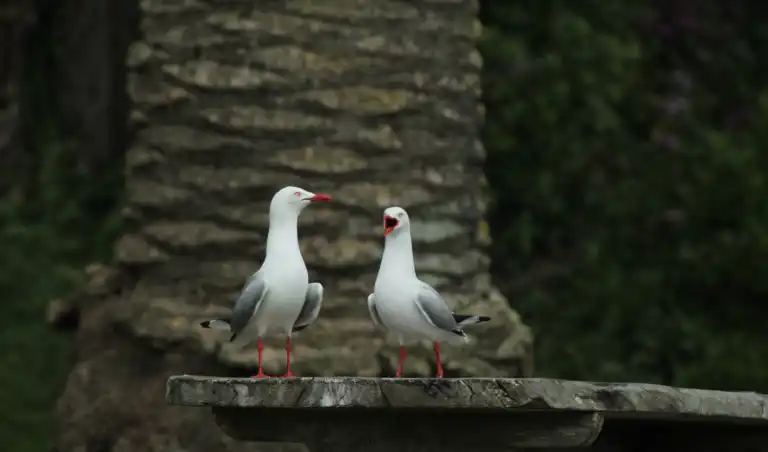
The red-billed gull also known as a "Seagull" is common around New Zealand Coasts. Located everywhere on Waiheke beaches where food or bait is readily accessible.
Thrush

Thrush

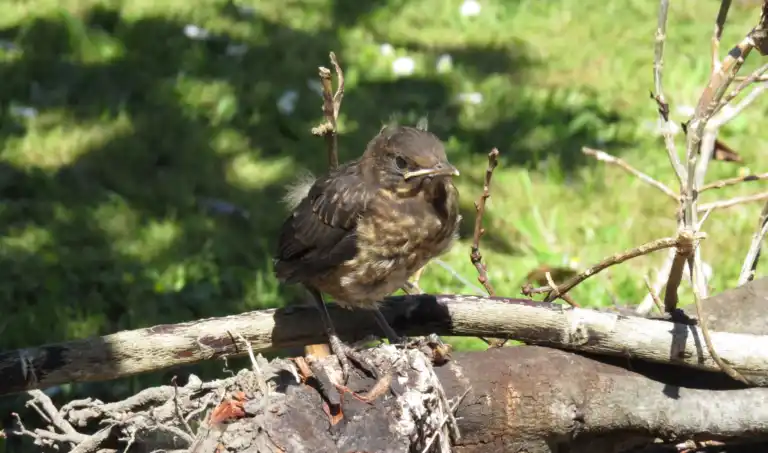
The thrush is a medium-sized songbird with a speckled brown-on-cream breast, usually heard before it is seen, found in grass reserves, gardens and trees on Waiheke.
Grey Warbler

Grey Warbler

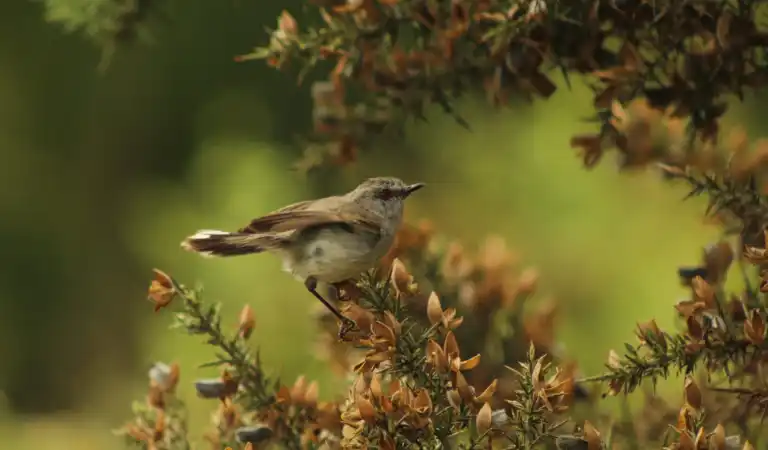
The Grey Warbler is a tiny olive-grey song bird often heard before seen. Locations on Waiheke are dense woody vegetations. The warbler can be difficult to spot.
Pied Shag

Pied Shag

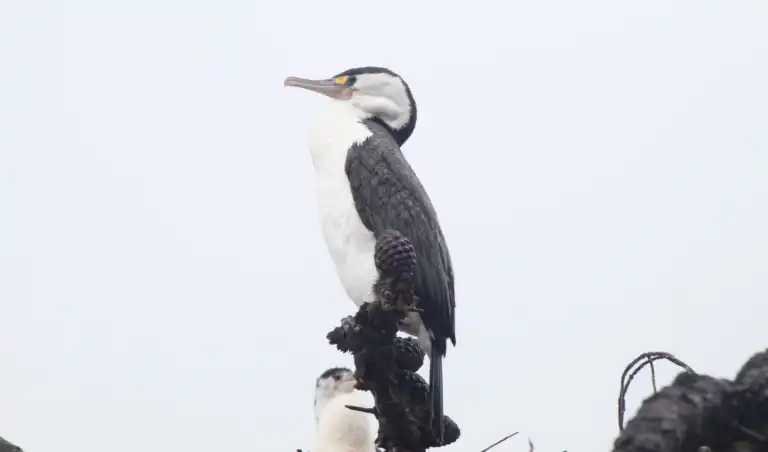
This large black-and-white shag is often seen individually or in a group, usually spotted in the ocean searching for food or hanging around fisherman by the rocks of Waiheke.
Little Shag

Little Shag

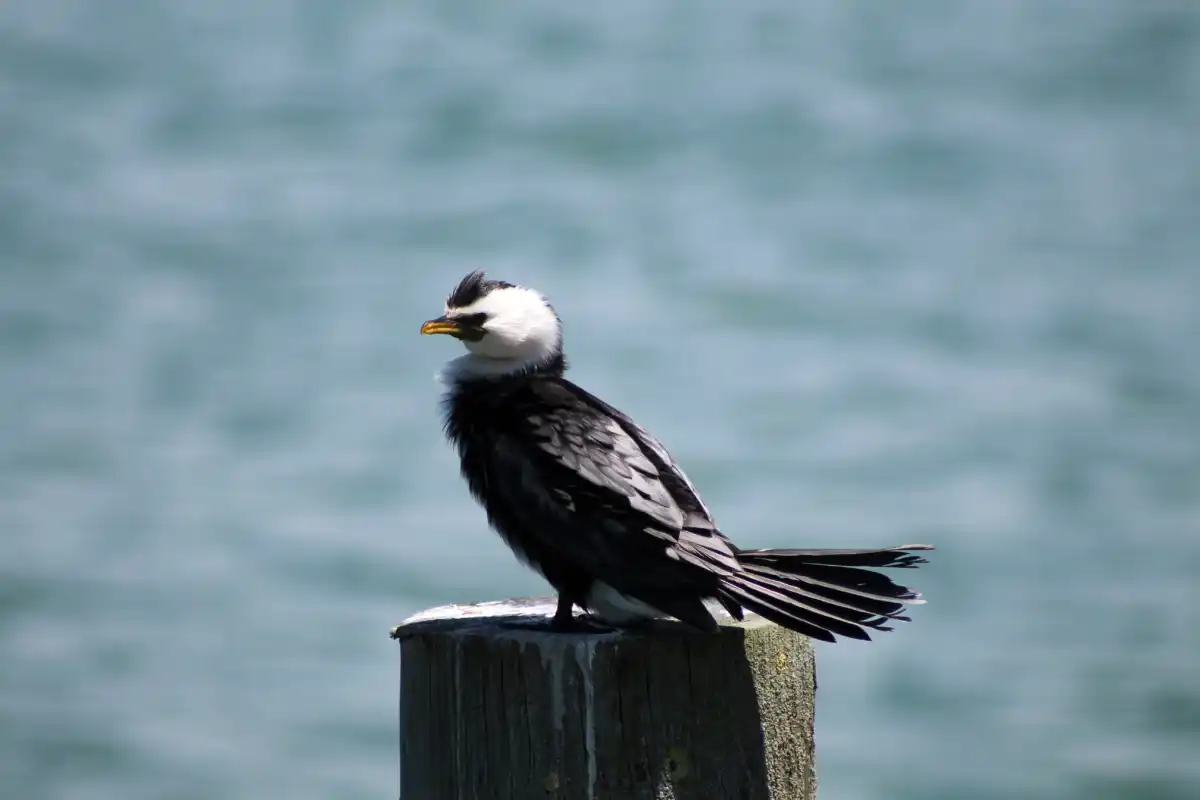
The little shag is a small shag, with a short yellow bill, black feet, a relatively long tail, usually spotted in the ocean searching for food or hanging around Waiheke…
Black Bird

Black Bird

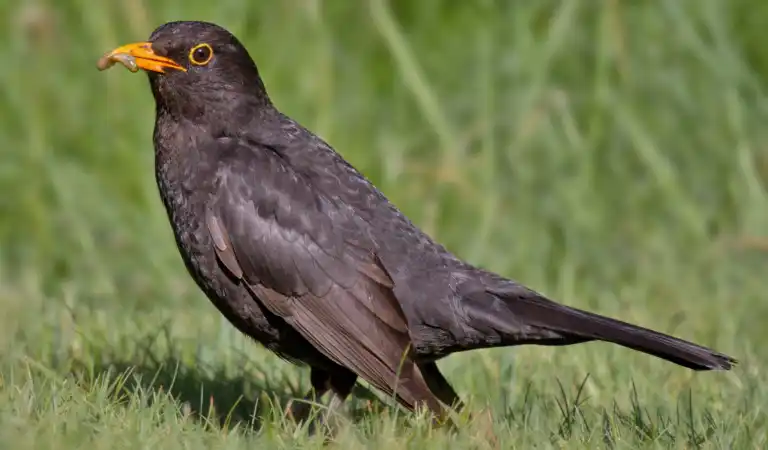
The black bird is a medium-sized songbird that is entirely black in adult males with a yellow bill. Abundantly found on Waiheke around household properties and trees.
Great black-backed gull

Great black-backed gull

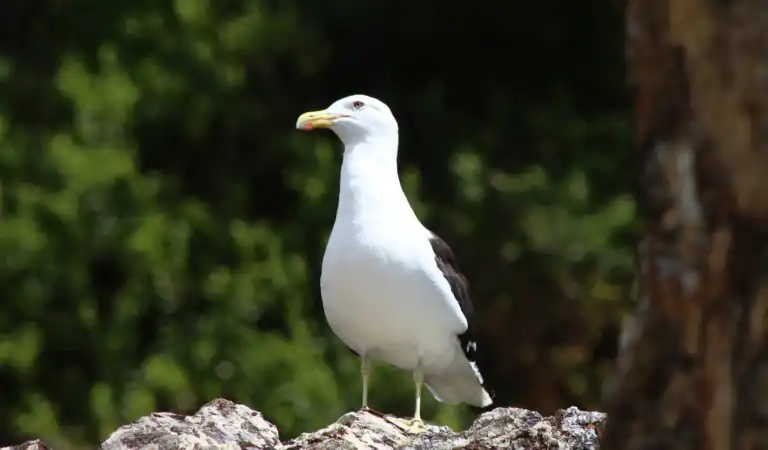
The Black-backed gull is a large black-and-white gull with a white head and underparts, black back, yellow bill with a red spot near the tip. Located on Waiheke beaches.
Wood Pigeon

Wood Pigeon

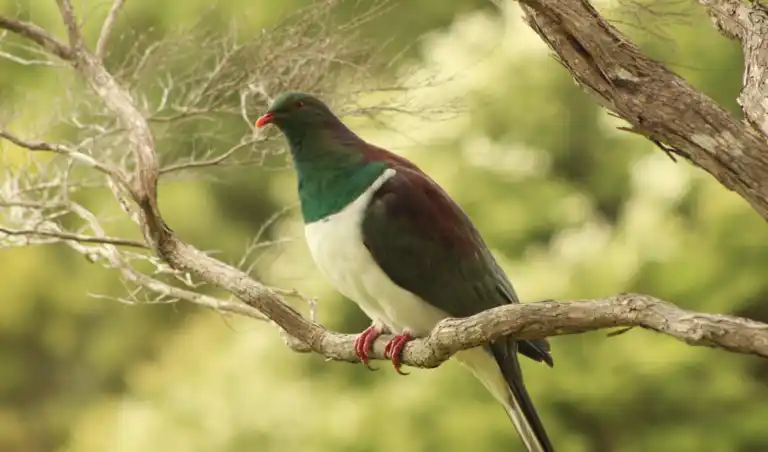
The Wood pigeon is a large distinctively-coloured pigeon, it is easy to find on Waiheke due to its size, they are usually perched on powerlines or trees.

Breeding

Little shags nest in trees over-hanging water and also on ledges or sea cliffs, forming colonies alone or with other shag species, especially pied shags.

Elaborate bowing courtship displays are given by males at or near the nest. Breeding colonies range in size from 5 to over 200 pairs.

In mixed colonies, pied shags make large stick nests occupying open sites, whereas the nests of little shags tend to be built of thinner twigs and to be hidden in the foliage.

Nests may be no more than one metre apart and are sometimes reused. Some little shags begin nesting in July or August, while others join the colony later and breeding can extend to April or May. Peak activity occurs in October-December.

Eggs are pale blue often with patchy white chalky coating, Up to 5 eggs may be laid from which 1-3 chicks are raised.

Little shag nestlings begin life with bare black skin, black bill, and pink scalp and throat. A black downy stage follows, during which the scalp is bald and the salmon pink throat pouch is conspicuous. Feathers grow through the down and the young remain in or near the nest until ready to fly.

Food

Small fish, eels and crustaceans; also frogs, tadpoles and insects. Little shags generally forage alone, making a succession of shallow dives around 20 seconds long. Chicks are fed by regurgitation.

Waiheke Locations

Putiki Bay – I have seen them perched on Buoys, drift wood or rocks during low tide.

Around Fisherman – Usually seen bobbing up and down in the ocean searching for food and hanging around fisherman by the rocks and boats.

Little shags are flying birds so they can really be anywhere on Waiheke but not just Waiheke they are all over New Zealand, these are just areas I’ve spotted them and photographed.

References

https://www.nzbirdsonline.org.nz/ (Website used for journalistic purposes)

Gallery
Featured Pages