Identification
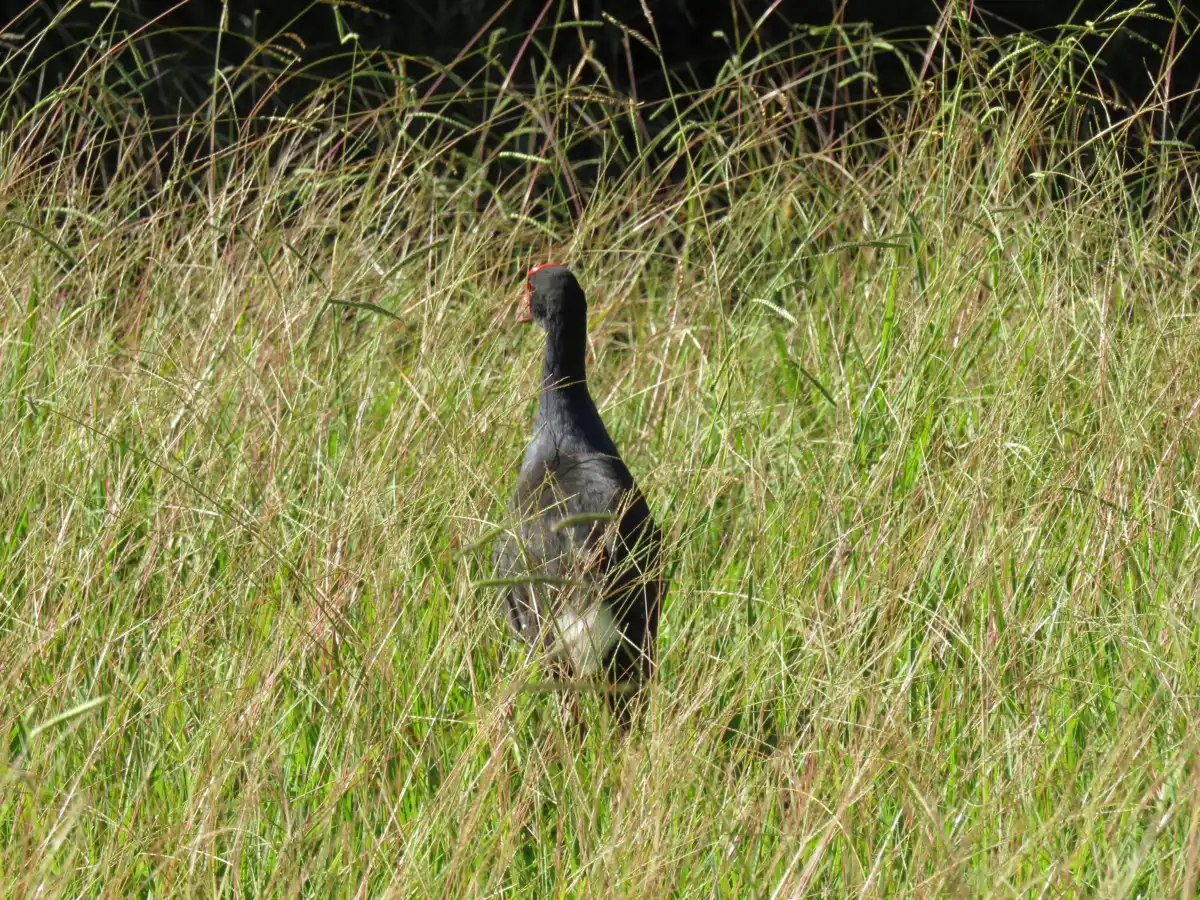
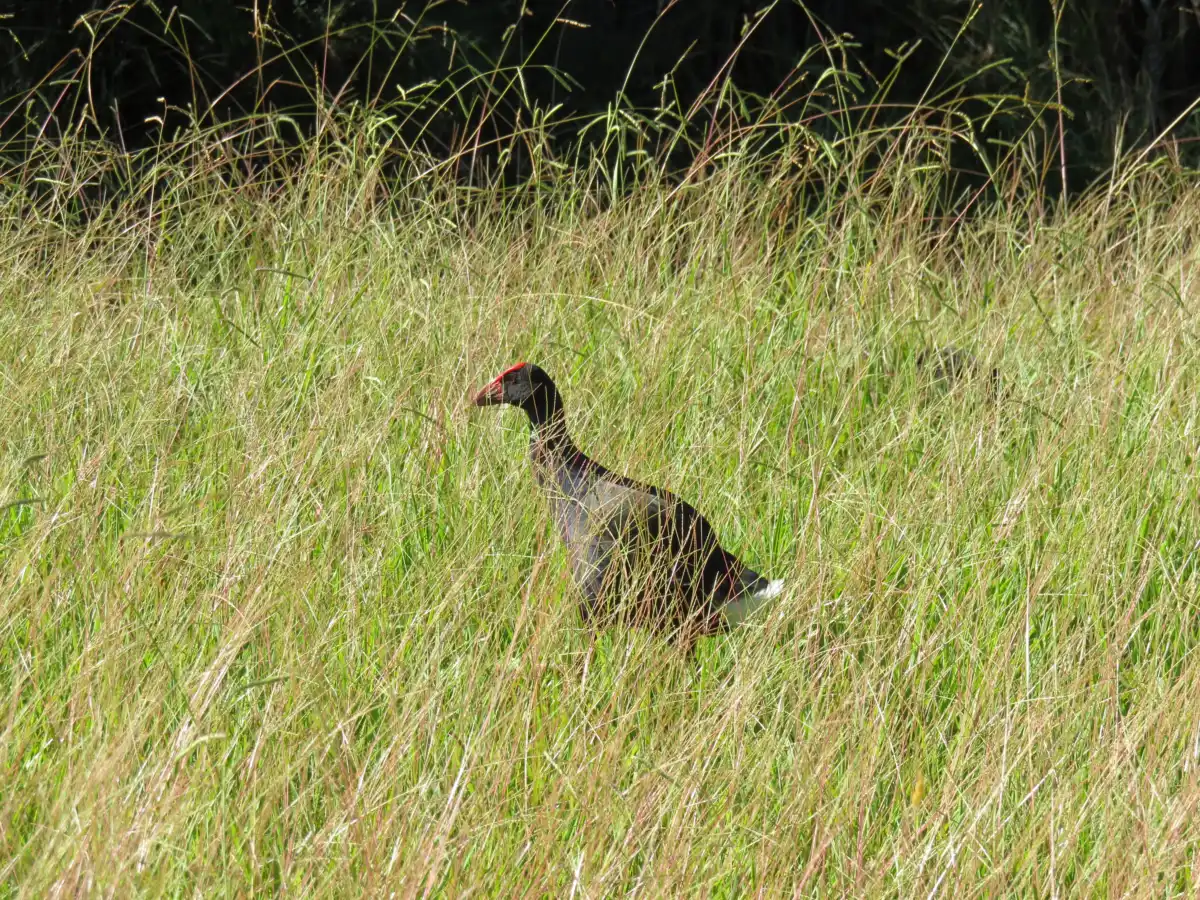
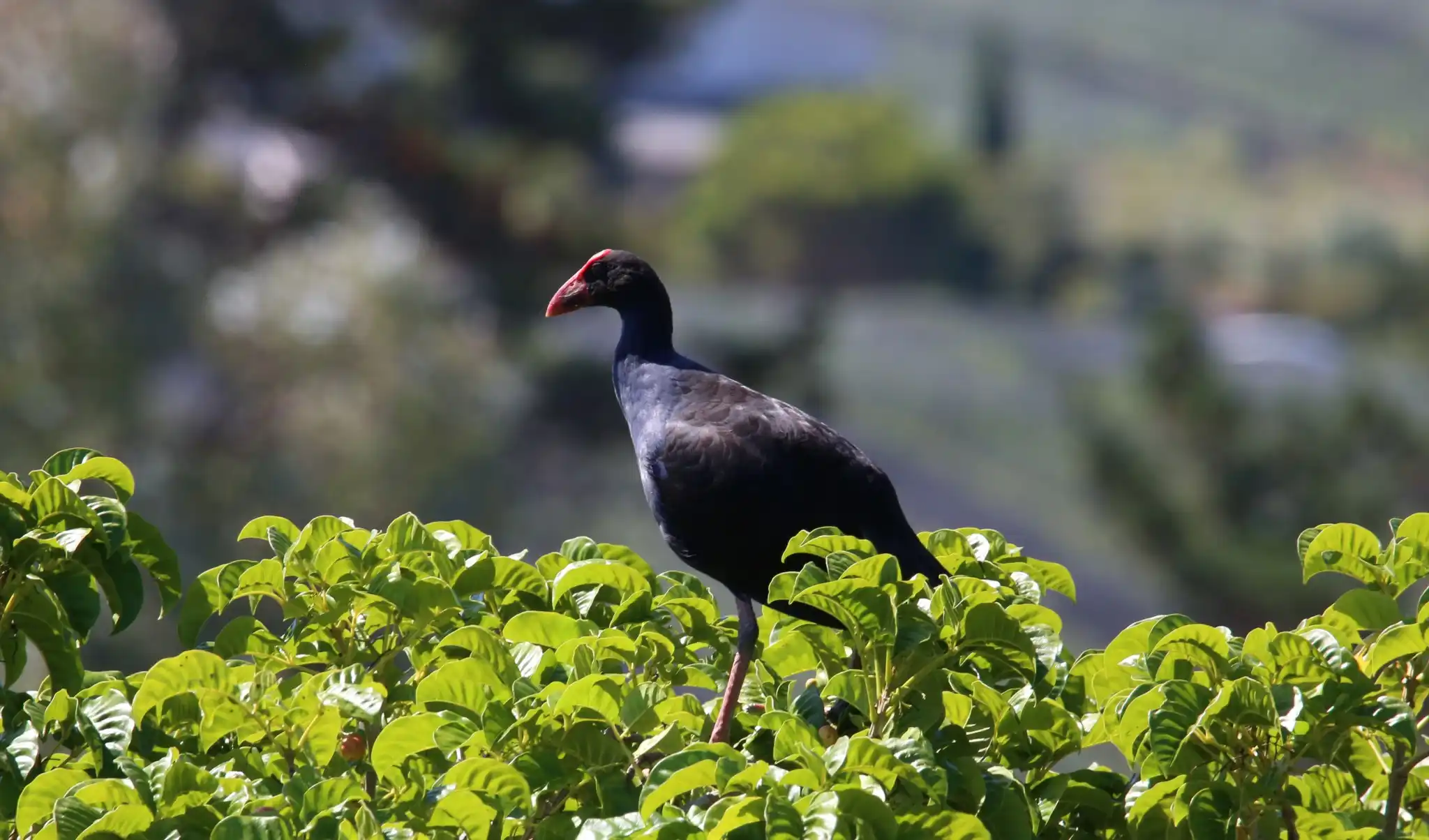
The Pukeko is a large relatively compact rail with a deep blue-violet head, breast and throat and a red bill. Found in swamp/Mangrove areas of Waiheke Island.
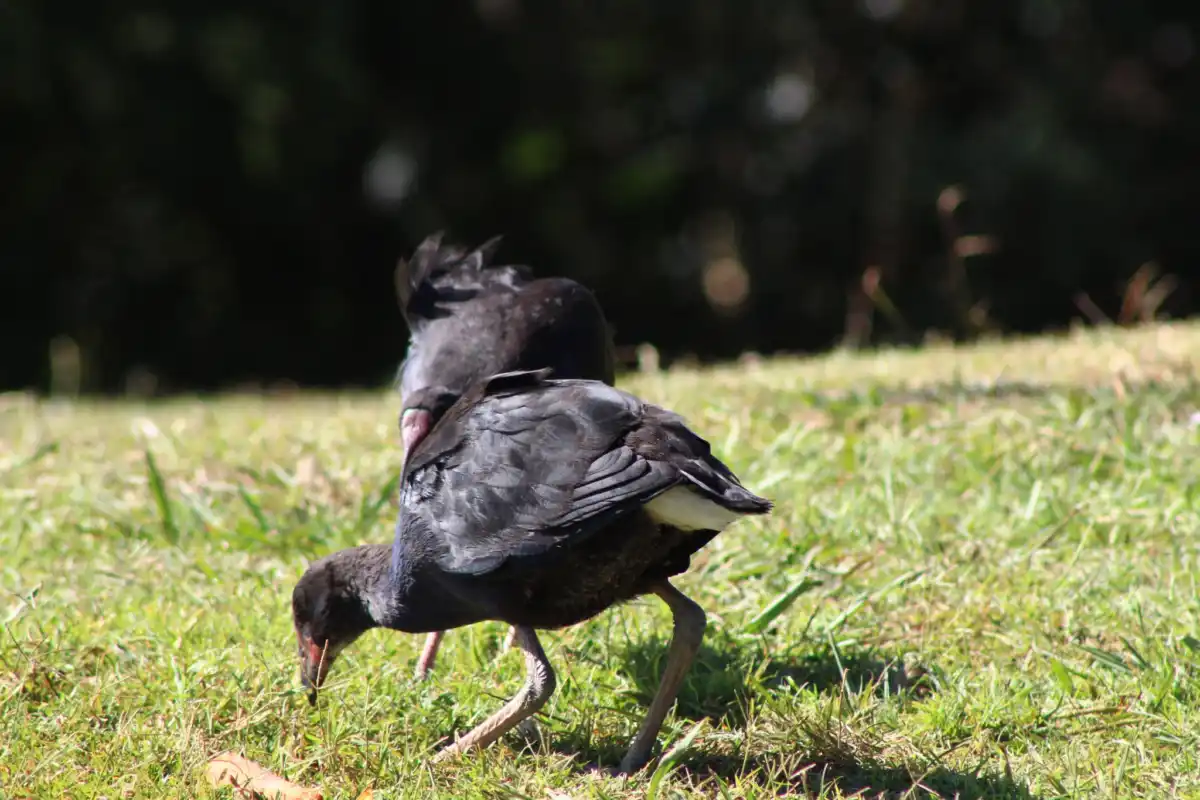
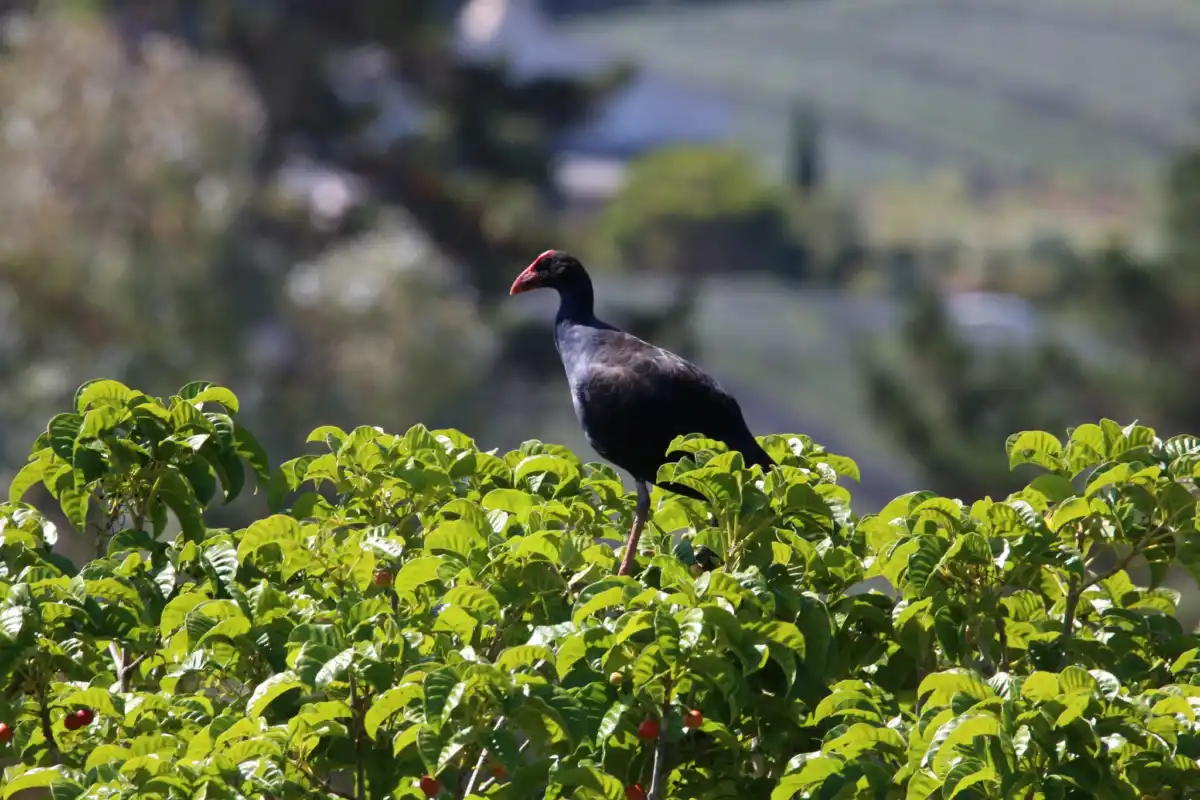
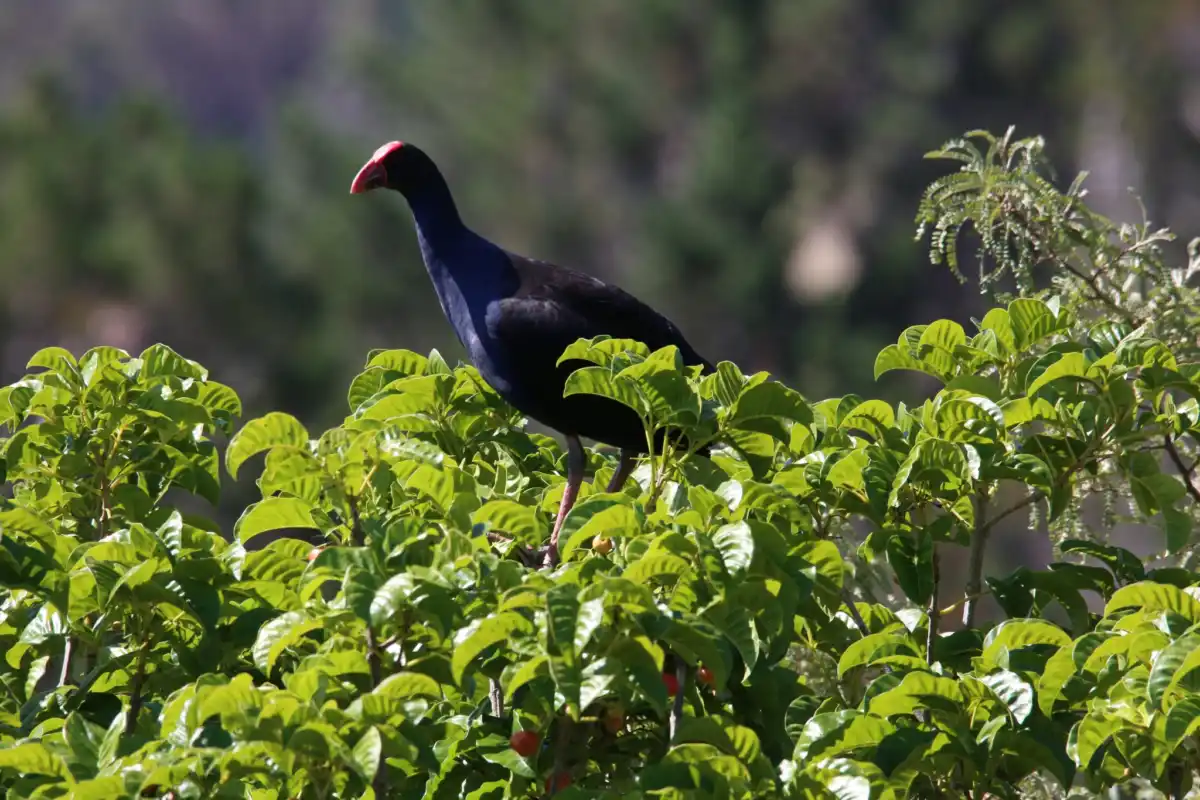
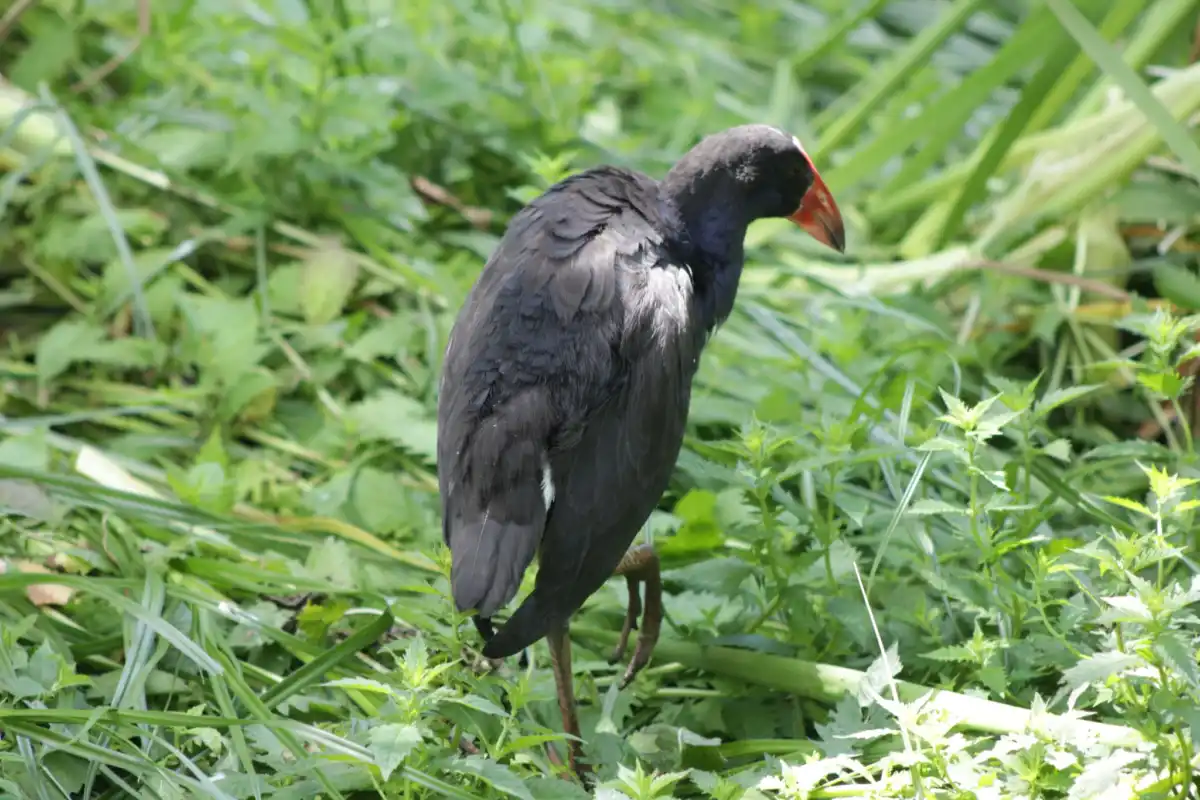
The head, breast and throat are deep blue/violet, the back and wings are black, and the under-tail coverts are conspicuously white. The conical bright red bill is connected to a similarly coloured ‘frontal shield’ ornament covering the forehead, the eyes are also red. The legs and feet are orange, with long, slim toes. Females are smaller than males, but similarly coloured. Juveniles are similar to adults but duller, with black eyes and black bill and shield that turn to red around 3 months of age.
Pūkeko are very vocal with a variety of calls. Territorial ‘crowing’ is the loudest and most frequently heard call. A variety of contact calls including ‘’n’yip’, ‘hiccup’ and ‘squawk’ are used between adults, and between adults and chicks. The defence call is a loud, shrill screech used when a harrier is nearby. A similar, but deeper and hoarser, call is made during aggressive interactions between individuals. A soft nasal drone is performed during copulation runs.
Similar species is the takahē they are about twice the size (in weight) and flightless, with a green back and wing cover. ( Takahe are not found on Waiheke but are found on Tiritiri Matangi Island)
Pūkeko are found throughout New Zealand, although less common in drier regions. They are typically found near sheltered fresh or brackish water (e.g. vegetated swamps, streams or lagoons), especially adjacent to open grassy areas and pastures. Pūkeko are regularly seen near roadside and drainage ditches and along the margins of scrub or forested areas, from sea level up to 2300 m.
In some areas, pūkeko are considered an agricultural or garden pest, as they will pull-up and eat planted vegetables and crops.
Pūkeko are commonly seen foraging in paddocks and along roadsides. When disturbed, they prefer to run or hide rather than fly, but once airborne, they are capable fliers and can fly long distances.
Despite not having webbed feet, they are also strong swimmers.
Pūkeko are territorial, and aggressive interactions between birds from neighbouring groups are common. Such territorial interactions are noisy affairs and often involve several birds from each group. Aggressive interactions typically begin with ritualised posturing that emphasises the bird’s size and also display the frontal shield ornament. Occasionally, aggressive interactions escalate to full on fights where individuals bite and kick one another. Territorial defence is typically performed by males.
Adult pūkeko have few natural predators. Juvenile birds are often targeted by swamp harriers, but adult birds will fight vigorously to defend their offspring.
Magpie
Pied Shag
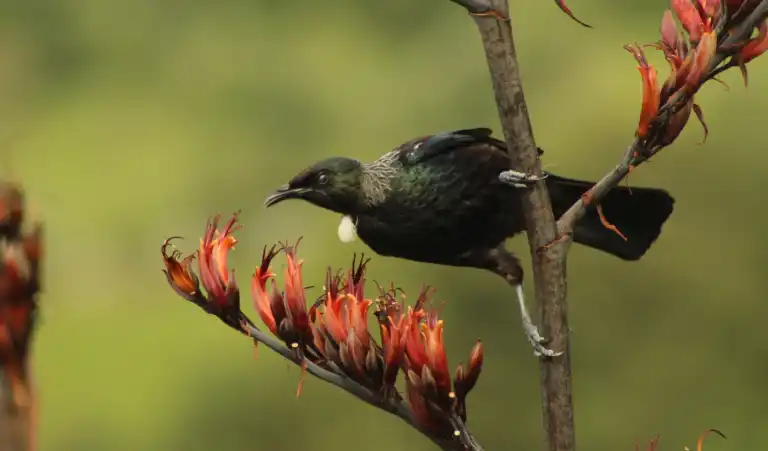
Tui
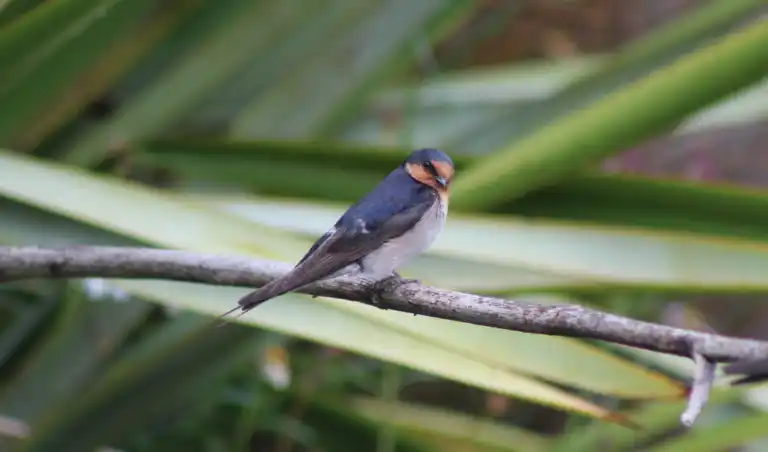
Welcome Swallow
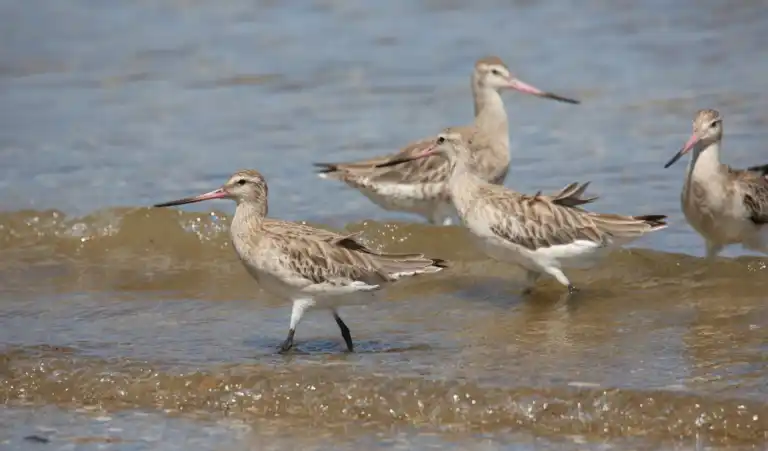
Bar-tailed Godwit
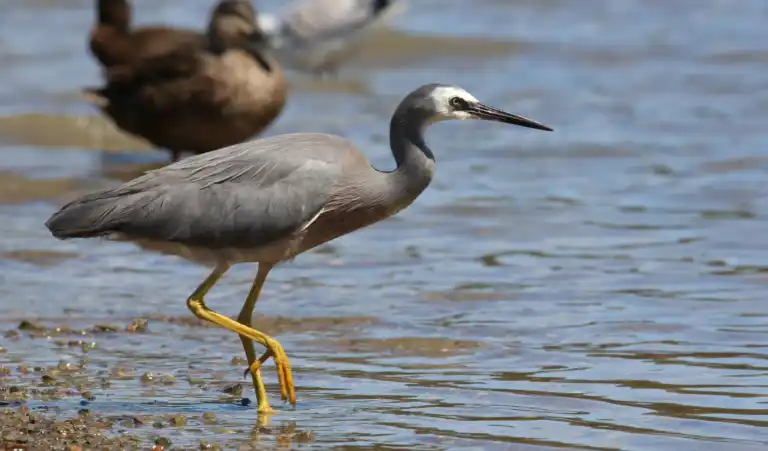
White Faced Heron
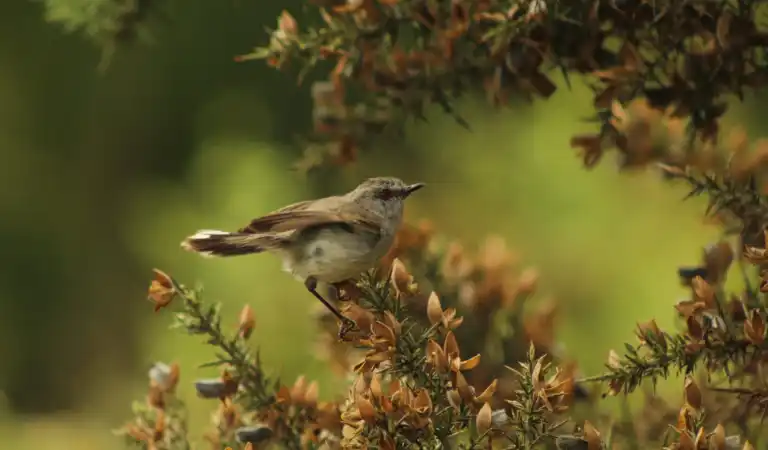
Grey Warbler
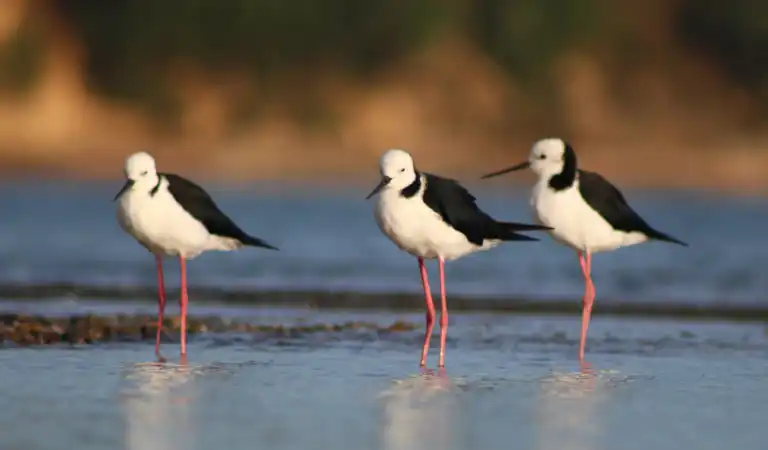
Pied Stilt
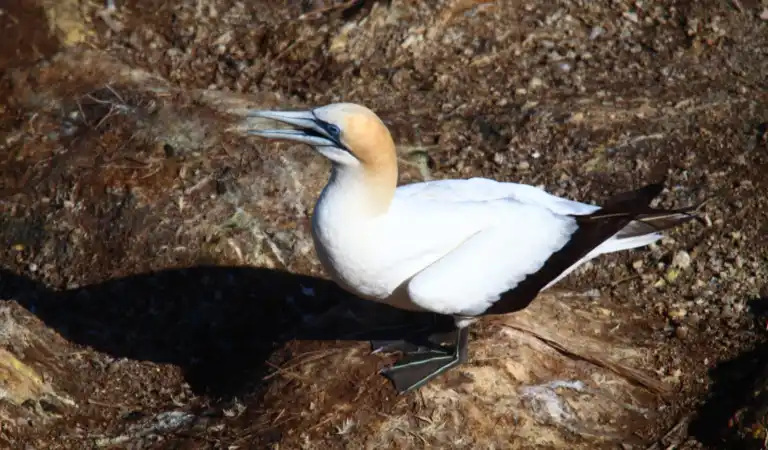
Australasian Gannet
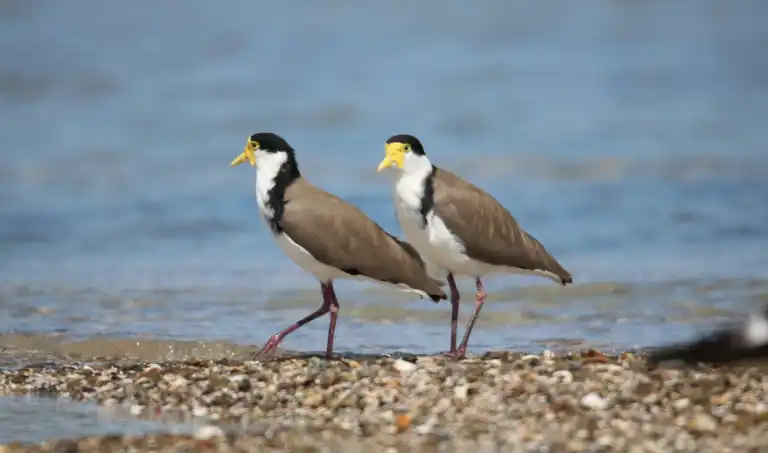
Spur-winged Plover
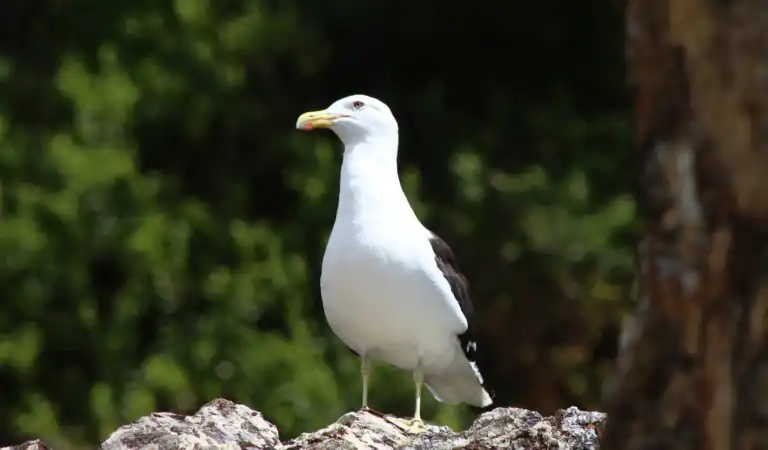
Great black-backed gull
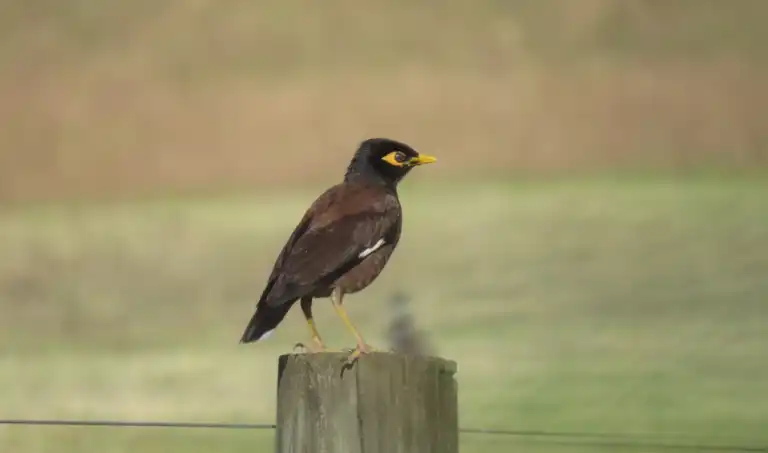
Common Myna
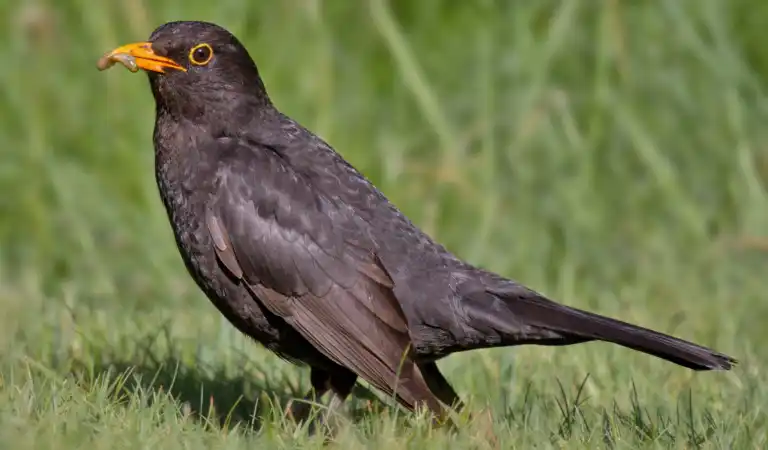
Black Bird
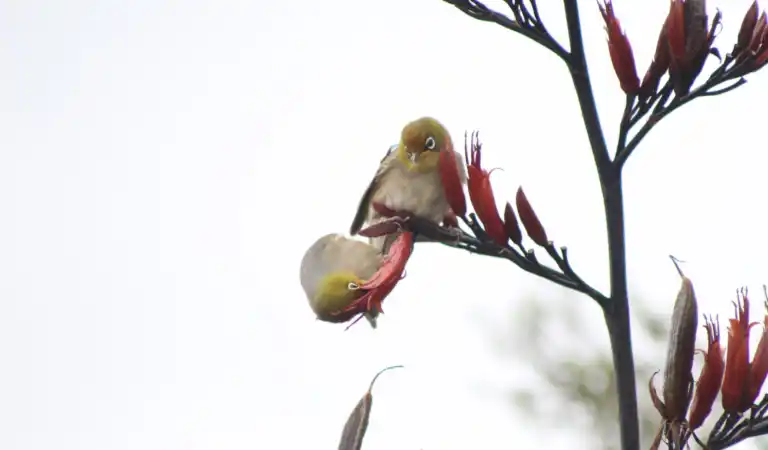
White-Eye
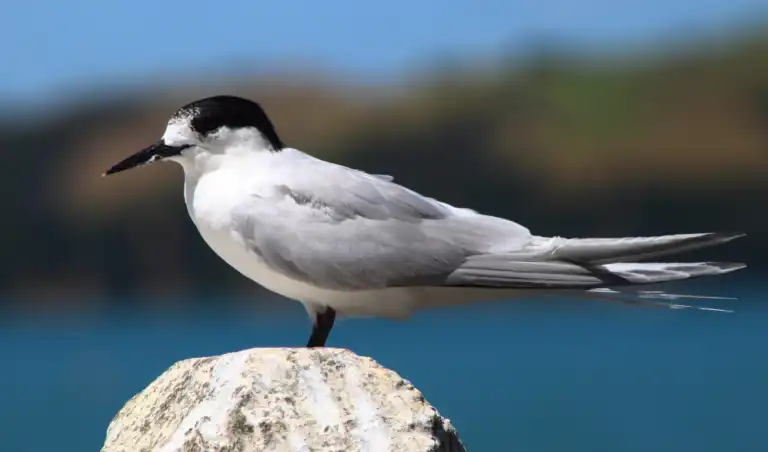
White Fronted Tern
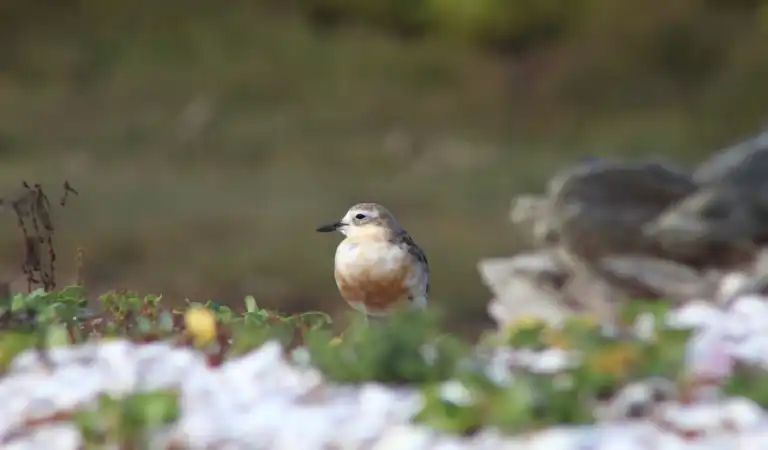
NZ Dotterel
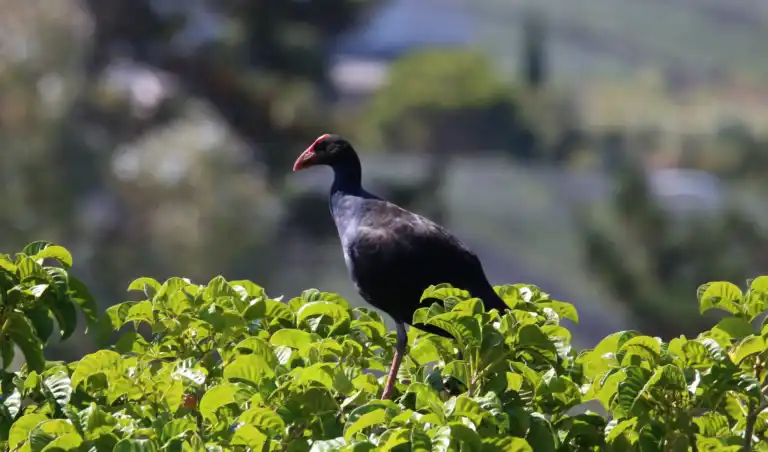
Pūkeko
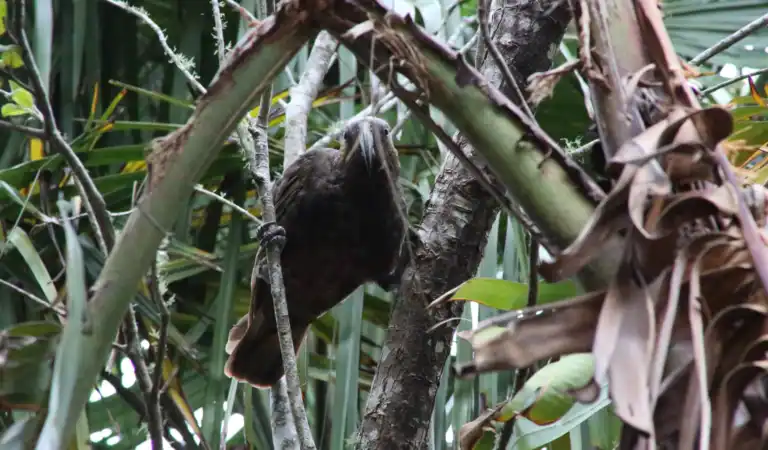
Kaka
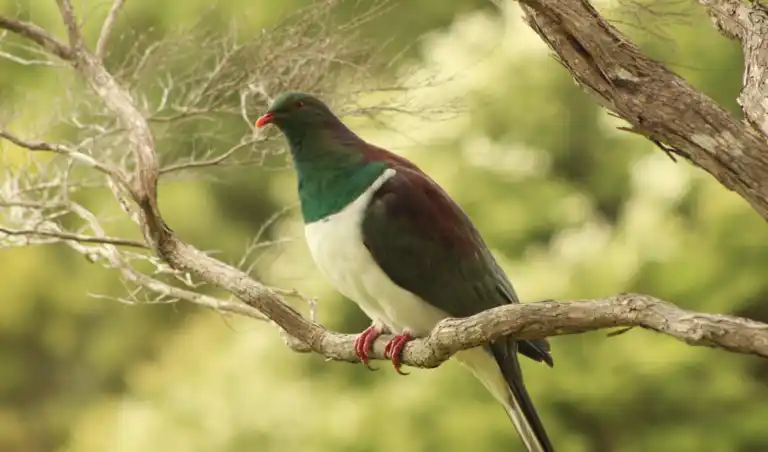
Wood Pigeon
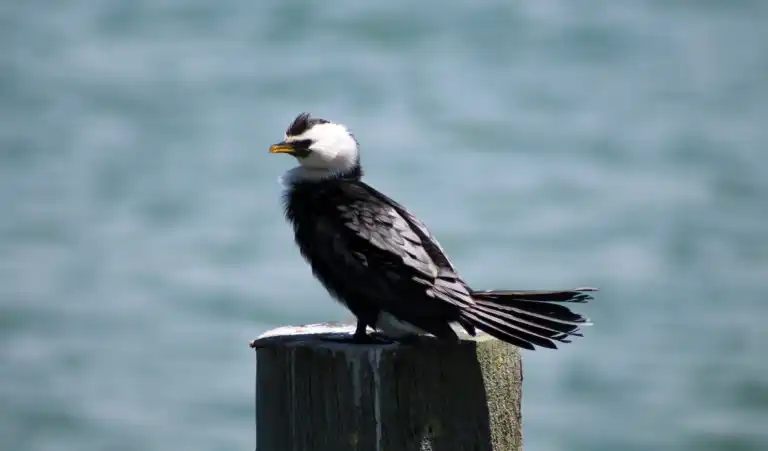
Little Shag
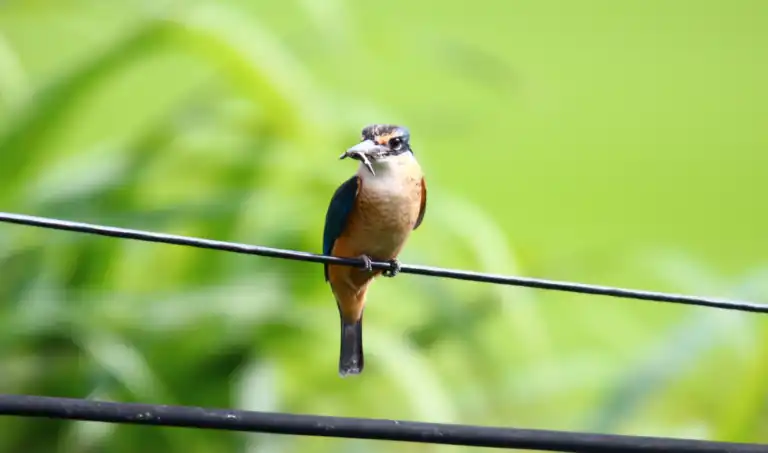
Sacred Kingfisher
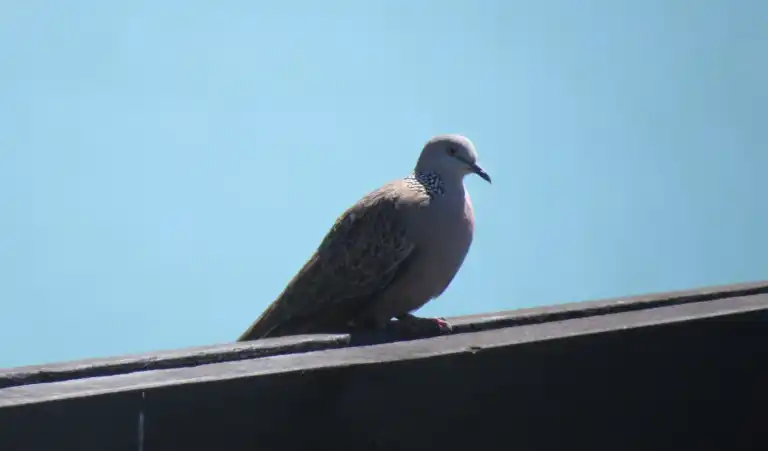
Spotted Turtle Dove
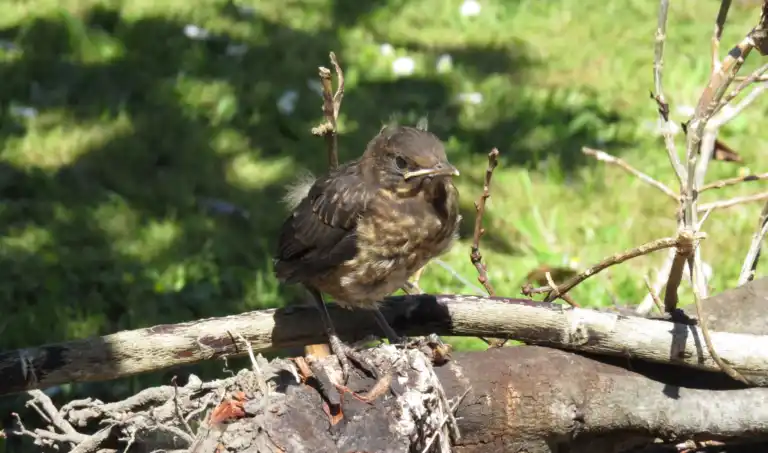
Thrush
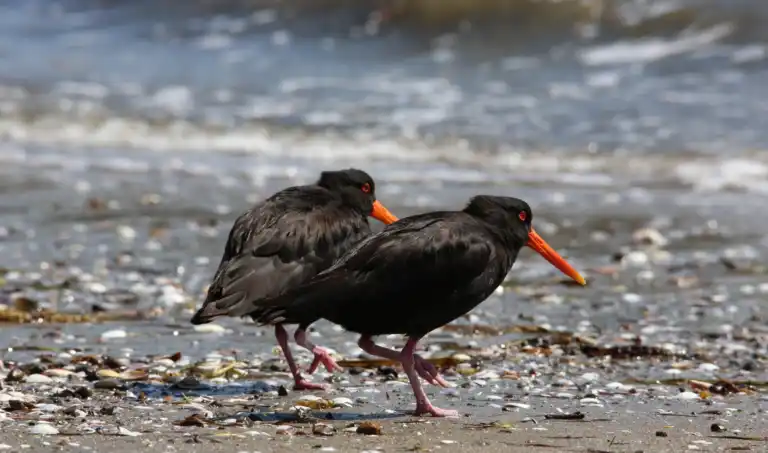
Variable Oyster Catcher
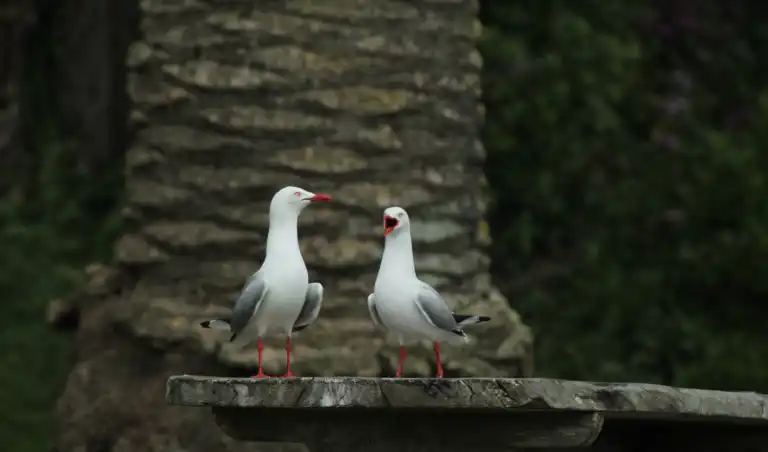
Red Billed Gull
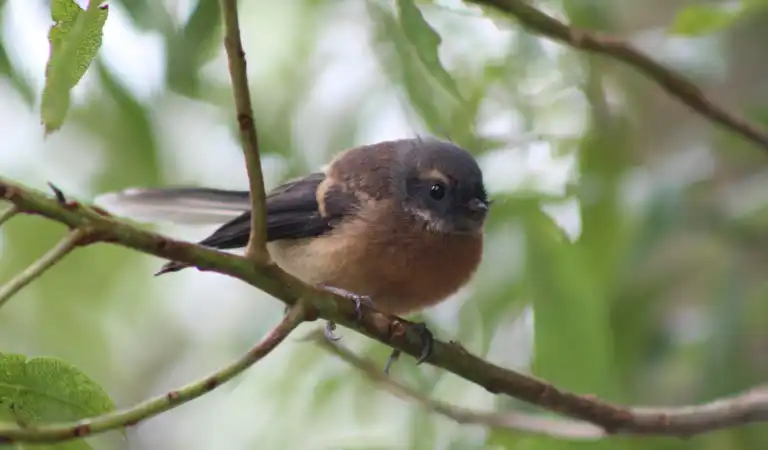
Fantail
Breeding
Pūkeko have a highly variable mating system. Birds may nest as monogamous pairs but can also form polyandrous, polygynandrous and, more rarely, polygynous groups.
Any of these groups may also have non-breeding helpers. When multiple breeding females are present, all lay in the same nest, a phenomenom known as “joint-laying”.
Clutch size is typically 4-6 eggs per females and when multiple females contribute to a single nest the total clutch size can be as high as 18 eggs. Eggs are light brown with dark brown or grey spots and blotches.
Incubation is predominantly by breeding males, with some assistance from breeding females. All group members contribute to chick care. Incubation begins midway through laying and lasts 23-27 days. Hatching is spread over several days, but is more synchronous than laying.
In the North Island, laying can occur in any month, with a peak in August to November.
Pukeko nests are a large nest bowl composed of stem and leaves of plants, usually constructed on a platform of beaten-down vegetation. Often adjacent vegetation is pulled over the nest to provide additional concealment. Nests are often built near or over water and have one or more access ramps for nestlings.
Food
Pūkeko are primarily vegetarian, but animal foods make up a small proportion of the diet. Most common foods are the stems, shoots, leaves and seeds of grasses.
They also eat garden vegetables and crop plants. Animal foods consist mostly of insects, spiders and earthworms however there are rare reports of pūkeko taking larger prey such as frogs, lizards, fish and nestling birds.
Waiheke Locations
Mangroves – They like to nest in these areas of Waiheke, usually you hear them make their call before you see then if you get to close to a nesting site.
Rooster Reserve – Seen associating with many bird species feeding at the rooster reserve, also seen perched on top of trees feeding.
Pukeko are flying birds so they can really be anywhere on Waiheke but not just Waiheke they are all over New Zealand. These are just areas I’ve spotted them and photographed.
References
https://www.nzbirdsonline.org.nz/ (Website used for journalistic purposes)
Gallery